
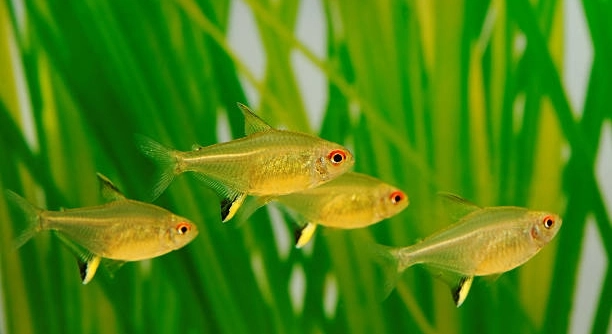
Are your arowanas acting differently lately, seeming more restless or withdrawn than usual? Subtle changes in their environment can have a surprising impact on their overall mood and behavior, affecting their daily interactions and activity levels.
Small adjustments in tank conditions, such as water temperature, lighting, decorations, and space allocation, can significantly influence arowana mood. Maintaining stable and appropriate tank parameters is essential for promoting consistent behavior and overall well-being in these sensitive fish.
Understanding these subtle factors can help you create a more harmonious environment for your arowanas. Each minor change plays a role in shaping their comfort and happiness.
Water Temperature Fluctuations
Arowanas are highly sensitive to changes in water temperature. Even a slight shift can make them sluggish or stressed, reducing their appetite and interaction. Consistent warmth is essential for their metabolism and overall activity. Sudden drops can cause shock, while high temperatures may increase aggression. Monitoring your tank’s heater and checking the thermometer daily helps maintain stability. Seasonal changes in room temperature can affect the tank too, so adjustments might be needed throughout the year. Installing a reliable heater and insulated tank covers can prevent abrupt changes. Proper circulation ensures even heat distribution, avoiding cold spots that could stress your fish. Paying attention to these details can keep arowanas more active, relaxed, and responsive, ultimately improving their mood and overall health. Maintaining a steady temperature is one of the easiest yet most impactful ways to ensure a harmonious aquatic environment.
Stable water temperature supports natural behavior and reduces stress, keeping arowanas calmer and more interactive in the tank.
Even minor temperature swings affect oxygen levels, digestion, and immune response. Consistently monitored conditions allow arowanas to thrive and remain energetic, making daily observation more predictable and enjoyable. Proper care includes regular equipment checks, gradual adjustments, and understanding how heat fluctuations influence fish activity.
Tank Decorations and Hiding Spots
Overcrowded or barren tanks can make arowanas uneasy. Proper placement of decorations, rocks, and driftwood creates natural hiding spots, reducing stress. These elements provide stimulation and mimic their natural environment.
Strategically arranged decorations encourage exploration and reduce aggressive tendencies, fostering a calmer tank atmosphere.
Adding plants, rocks, and driftwood should balance open swimming areas with shelter. Overloading the tank can restrict movement, while too few hiding spots may cause constant stress. Observing how arowanas interact with these objects can guide adjustments. Rotating decorations occasionally provides mental stimulation and keeps their environment engaging without overwhelming them. Ensuring stable placement prevents accidents or injury, especially for larger fish prone to knocking objects over. Thoughtful decoration not only improves aesthetics but directly impacts arowanas’ comfort, encouraging natural behavior and reducing signs of anxiety or agitation. Small changes in arrangement can lead to noticeable improvements in mood and interaction over time, making the tank a healthier space.
Lighting Conditions
Arowanas respond strongly to lighting changes. Too bright lights can cause stress, while dim or inconsistent lighting may make them inactive or irritable.
Consistent, moderate lighting helps regulate their natural rhythm. Using a timer ensures predictable day and night cycles, reducing stress. Sudden changes in light intensity can startle them, leading to erratic swimming or hiding. Properly diffused lighting prevents glare and sharp shadows, which arowanas may find unsettling. Observing their behavior under different lighting setups allows you to adjust intensity and duration to suit their needs. Balance is key—enough light to mimic daytime, but not so much that it overwhelms.
Adjusting lighting gradually, rather than abruptly, prevents mood swings. Combining overhead lights with soft ambient illumination can create a calm environment while allowing natural activity patterns.
Water Quality and Filtration
Poor water quality quickly impacts arowana health and mood. Elevated ammonia, nitrite, or nitrate levels can make them lethargic, stressed, and more prone to disease.
Regular testing and maintenance of water parameters are crucial. Filtration systems must efficiently remove waste without creating strong currents that tire fish. Partial water changes keep the tank stable while preventing sudden chemical shocks. Overfeeding contributes to waste buildup, so careful portioning helps maintain water clarity and reduces toxins. Aeration and circulation support oxygen levels, essential for arowanas’ energy and calm behavior. Paying attention to water pH, hardness, and temperature alongside chemical levels ensures a stable environment. Observing fish for signs of distress, such as gasping or hiding, helps identify issues early. Maintaining high water quality directly improves mood, activity, and appetite, creating a healthier, more predictable habitat for arowanas.
Tank Size and Swimming Space
Arowanas need ample space to swim freely. Crowded tanks can cause stress, increase aggression, and reduce activity levels.
Ensuring a tank is large enough allows natural movement, which keeps arowanas active and less irritable. Proper swimming space supports both physical health and overall mood.
Feeding Schedule Consistency
Irregular feeding can unsettle arowanas and affect their behavior. Maintaining a consistent feeding schedule stabilizes energy levels and reduces anxiety. Predictable meals encourage regular activity and minimize aggression. Overfeeding or underfeeding can both lead to stress, making routine essential for their comfort.
Noise and Vibrations
Arowanas are sensitive to vibrations and loud noises. Sudden disturbances can startle them, increasing stress and making them skittish around the tank.
Water Flow and Current
Strong currents can tire arowanas, while stagnant water may reduce oxygen and activity. Balanced circulation ensures comfort, promoting calm and steady behavior. Proper pump placement and adjustable flow allow arowanas to swim naturally without strain.
FAQ
How do I know if my arowana is stressed?
Signs of stress include reduced appetite, erratic swimming, hiding frequently, and clamped fins. Sudden aggression or lethargy can also indicate discomfort. Observing daily behavior and noting any changes is key. Stress often stems from environmental factors like water quality, temperature fluctuations, or overcrowding, so consistent monitoring is important.
Can small changes in tank decorations really affect their mood?
Yes, even minor adjustments can influence behavior. Arowanas rely on familiar surroundings for security. Adding, removing, or rearranging rocks, plants, or driftwood can make them uneasy or anxious. Providing hiding spots and maintaining a balance between open swimming space and shelter supports calm behavior and natural exploration.
How often should I test water quality?
Testing should be done at least once a week for ammonia, nitrites, nitrates, and pH. More frequent checks are necessary if the tank is new or heavily stocked. Regular testing helps detect issues early, preventing stress-related behaviors and maintaining a healthy environment.
Is lighting really that important for mood?
Yes, lighting affects activity levels and circadian rhythms. Too bright or harsh lighting can make arowanas skittish, while insufficient light may cause lethargy. Using a timer to maintain consistent day-night cycles creates a stable environment, reducing stress and encouraging natural behavior.
What temperature is best for arowanas?
Arowanas thrive in water between 75°F and 82°F (24°C–28°C). Sudden changes outside this range can cause stress, reduce appetite, and increase susceptibility to disease. Maintaining stable temperatures with a reliable heater and regular monitoring is essential for their comfort and overall mood.
How much space does an arowana need?
Arowanas require large tanks to swim freely and reduce stress. A single adult should have at least 250–300 gallons, depending on size. Crowded conditions lead to aggression and anxiety, while ample swimming space encourages natural behavior and a calmer mood.
Can noise really affect my arowana?
Yes, arowanas are sensitive to vibrations and sudden loud noises. Frequent disturbances can make them skittish or hide for long periods. Positioning the tank in a quiet area and avoiding tapping on glass can help maintain a relaxed environment.
How does water flow impact their behavior?
Strong currents can exhaust arowanas, while stagnant water may reduce oxygen levels, causing lethargy. Properly adjusted filters and pumps provide enough circulation without creating constant stress. Observing how they swim and adjusting flow as needed keeps them comfortable and active.
Should I feed my arowana on a strict schedule?
Yes, consistency reduces anxiety and supports stable energy levels. Predictable feeding times encourage regular activity and minimize aggression. Overfeeding or irregular schedules can lead to stress, bloating, and water quality issues, so keeping to a routine is beneficial for both mood and health.
Are sudden changes in tank conditions dangerous?
Sudden changes, like water temperature swings or rearranging decorations, can startle arowanas and increase stress. Gradual adjustments and careful observation help them adapt without negative effects on behavior or appetite. Consistency is key to a stable, comfortable environment.
What role does tank cleanliness play in mood?
Dirty water increases stress and disease risk. Regular maintenance, including partial water changes, substrate cleaning, and filter upkeep, keeps the environment safe and comfortable. Healthy water quality directly supports calm behavior and positive activity levels.
Can arowanas show signs of happiness or contentment?
Yes, calm swimming, regular feeding, exploring their tank, and interacting with surroundings indicate they are comfortable. Reduced hiding and relaxed fin posture are also good signs. Observing these behaviors helps ensure your arowana is thriving.
How can I gradually introduce changes to the tank?
Make small adjustments at a time, such as slight decoration shifts or incremental temperature changes. Allow arowanas to adapt before introducing additional modifications. This reduces stress, maintains routine behavior, and ensures long-term comfort.
Is tank size more important than decoration?
Both are important, but swimming space is crucial. Adequate room supports natural movement and reduces aggression, while decorations provide shelter and stimulation. Balancing open space with hiding spots creates a stable and stress-free environment.
What’s the best way to monitor my arowana’s mood?
Daily observation is key. Note changes in swimming patterns, appetite, hiding behavior, and interaction with the environment. Keeping a simple log can help identify trends and address potential stressors before they affect health or behavior.
Can stress affect arowana health long-term?
Chronic stress lowers immunity, reduces appetite, and increases disease susceptibility. Maintaining stable conditions, proper nutrition, and adequate space prevents long-term health issues and promotes a balanced mood, supporting arowanas’ overall well-being.
How often should I adjust tank conditions?
Adjust only when necessary, and do so gradually. Frequent or abrupt changes can trigger stress responses. Observing their behavior first ensures adjustments improve comfort without causing agitation.
Do water parameters affect mood more than decorations?
Water quality, temperature, and flow have a more immediate effect on mood than decorations. While aesthetic and shelter elements are important, unstable water conditions quickly lead to stress, illness, and behavioral changes.
Is it normal for arowanas to be moody sometimes?
Yes, minor fluctuations in behavior are natural, especially during feeding, temperature shifts, or growth phases. Consistent care and environment stability help minimize mood swings and promote predictable, calm behavior.
Can multiple factors combine to affect mood?
Absolutely. Water quality, tank size, lighting, noise, decorations, and feeding schedules all interact. Even small changes in several areas simultaneously can noticeably impact behavior. Maintaining balance across all factors ensures the best environment for comfort and well-being.
What’s the easiest way to keep arowanas content?
Focus on stable water parameters, consistent feeding, ample swimming space, and minimal sudden disturbances. Regular observation and small, thoughtful adjustments maintain calm, active, and healthy fish over time.
How long does it take for mood improvements to show?
Behavioral changes can appear within days of improving conditions, but full adaptation may take weeks. Patience and consistent care are essential for ensuring lasting positive effects.
Are some arowanas more sensitive than others?
Yes, individual temperament varies. Some fish react strongly to minor changes, while others are more tolerant. Observing each arowana’s unique behavior helps tailor care for optimal comfort and reduced stress.
Can diet affect mood?
Balanced, appropriate meals influence energy levels and activity. Poor nutrition can cause irritability, lethargy, or increased aggression. Regular feeding of varied, high-quality foods supports both health and mood stability.
Is it necessary to adjust behavior strategies as arowanas grow?
Yes, growth increases space needs and may change interactions with tank mates. Regularly reassessing tank setup, flow, and hiding spots ensures continued comfort and reduces stress as they mature.
How do I balance stimulation with calm?
Provide enough decorations and hiding spots for exploration while keeping ample swimming space. Consistent routines and moderate lighting support activity without overwhelming them, creating a healthy, balanced environment.
Can I fix mood issues without changing water parameters?
Minor adjustments in decorations, lighting, or feeding schedules can help temporarily, but stable water conditions remain the most important factor for lasting improvements in behavior and well-being.
How important is observation in managing mood?
Observation is crucial. Daily monitoring allows early detection of stress, behavioral changes, and environmental issues. Tracking patterns helps make informed adjustments, ensuring a stable and comfortable habitat for your arowanas.
What small changes make the biggest difference?
Gradual lighting adjustments, consistent feeding, proper water flow, and stable temperature often have the most noticeable impact. Minor decoration rearrangements and noise reduction also support calmer, more natural behavior.
How do I know if my interventions are working?
Improved appetite, relaxed swimming, reduced hiding, and steady interaction indicate positive changes. Tracking these behaviors over time confirms whether adjustments are effective.
Can arowanas form preferences for certain tank setups?
Yes, they may favor specific swimming areas, hiding spots, or lighting levels. Observing these preferences allows tailored adjustments, improving comfort and reducing stress.
How do I prevent mood setbacks after changes?
Introduce changes gradually, maintain consistent routines, and monitor behavior closely. Avoid multiple simultaneous modifications, and ensure water quality and temperature remain stable to prevent regression in mood.
Is it normal for mood changes to be temporary?
Yes, minor environmental fluctuations or temporary stressors can cause short-term changes. Maintaining consistent conditions helps prevent prolonged mood issues and ensures long-term well-being.
How can I keep long-term stability for multiple arowanas?
Ensure ample space, proper filtration, balanced decorations, consistent feeding schedules, and stable water parameters. Monitoring interactions and adjusting flow or hiding spots supports harmony among multiple fish, reducing aggression and stress.
Can temperature alone influence mood significantly?
Yes, even slight deviations from optimal range can make arowanas lethargic, irritable, or aggressive. Maintaining steady temperature is one of the simplest and most effective ways to support calm behavior.
Do arowanas remember stressful events?
They can associate negative experiences, such as loud noises or sudden movements, with certain areas of the tank. Minimizing stress and creating consistent routines helps them feel secure and reduces anxiety over time.
What’s the best approach for ongoing mood management?
Focus on routine observation, consistent water parameters, adequate space, appropriate lighting, calm surroundings, and balanced nutrition. Gradual, thoughtful adjustments ensure arowanas remain comfortable, active, and content.
Can environmental enrichment improve mood?
Yes, proper decorations, hiding spots, and varied textures encourage exploration and natural behavior. Enrichment reduces boredom and stress, supporting a balanced and positive mood for arowanas.
How often should I review tank setup?
Periodic reviews every few weeks help identify potential stressors, ensure adequate space, and maintain optimal lighting, flow, and decoration balance. Regular assessments prevent long-term mood or health issues.
Does interaction with humans affect mood?
Minimal disturbance is ideal. Gentle observation is fine, but tapping, loud sounds, or rapid movements can increase stress. Respecting their space promotes calm and predictable behavior.
Are all arowanas affected equally by the same changes?
No, sensitivity varies by individual temperament, age, and past experiences. Tailoring care and monitoring each fish ensures better comfort and reduces stress for all tank inhabitants.
What’s the most common overlooked factor affecting mood?
Water flow and subtle temperature fluctuations are often missed. Even small variations can impact energy, aggression, and overall behavior, making careful monitoring essential for a stable environment.
How do I balance tank aesthetics with comfort?
Decorate thoughtfully, providing both open swimming space and hiding spots. Avoid overcrowding while creating a visually pleasing environment that prioritizes fish comfort and natural behavior.
Can temporary mood dips indicate serious issues?
Occasional dips are normal, but prolonged changes in appetite, activity, or aggression may signal water quality problems, illness, or stress. Early intervention helps prevent long-term effects.
How can I make changes without causing setbacks?
Introduce modifications slowly, one at a time, and monitor reactions. Maintain consistent water quality, feeding, and temperature to ensure transitions are smooth and stress-free.
What’s the role of filtration in mood?
Efficient filtration keeps water clean, removes toxins, and maintains circulation. Stable water quality directly reduces stress, supports energy, and encourages natural activity.
How do I create a balanced environment for multiple arowanas?
Ensure large swimming areas, multiple hiding spots, consistent feeding, and gentle water flow. Monitoring interactions and adjusting setup as needed maintains harmony and reduces aggression.
Can seasonal changes affect mood?
Yes, room temperature and daylight variations can influence water temperature and lighting. Adjust heaters, lighting duration, and flow to maintain stable conditions year-round.
How do I know when to consult a professional?
If stress signs persist despite stable conditions, or if illness appears, consulting an experienced aquarist or veterinarian ensures proper care and prevents long-term health or mood issues.
Is patience important in mood management?
Absolutely. Behavioral improvements take time. Gradual adjustments, consistent care, and careful observation ensure long-term comfort, stability, and positive interactions.
Can minor equipment failures impact mood?
Yes, malfunctioning heaters, filters, or pumps can quickly stress arowanas. Regular maintenance and monitoring prevent disruptions in water quality, temperature, and flow.
Are tankmates a factor in mood?
Yes, incompatible or aggressive tankmates can increase stress and reduce activity. Observing interactions and ensuring adequate space helps maintain a calm environment.
How often should feeding be adjusted as fish grow?
Adjust portions gradually as arowanas increase in size. Proper nutrition supports energy, growth, and mood without overwhelming water quality or causing stress.
Does tank location matter?
Yes, placing the tank in a quiet, stable environment reduces disturbances and sudden temperature changes, creating a secure and relaxed atmosphere for arowanas.
What’s the best approach to long-term mood stability?
Focus on consistent water parameters, regular observation, ample space, moderate lighting, low disturbance, balanced diet, and thoughtful decorations. Gradual adjustments and careful monitoring support a calm, active, and healthy tank environment.
Can temporary environmental stress have lasting effects?
If severe or prolonged, stress can weaken immunity and affect long-term behavior. Early detection and consistent care prevent lasting impacts on health and mood.
How do I ensure new changes don’t upset arowanas?
Introduce changes slowly, maintain familiar routines, and monitor behavior closely. Gradual adjustments allow adaptation without causing unnecessary stress or agitation.
Are there simple daily routines to support mood?
Yes, consistent feeding, observation, quick water checks, gentle interaction, and maintaining lighting and temperature schedules provide stability and reduce stress consistently.
Can seasonal decoration adjustments improve mood?
Minor seasonal changes, such as plant rotation or rearranged hiding spots, provide enrichment while maintaining stability. Gradual updates keep the environment engaging without causing agitation.
How do I know if all factors are balanced?
Steady swimming, consistent appetite, calm interactions, and minimal hiding indicate balanced water, lighting, space, and enrichment. Observing these signs helps confirm a comfortable environment.
Can small adjustments make a noticeable difference?
Yes, small tweaks in lighting, flow, temperature, feeding schedule, or decorations can improve mood and behavior, showing that attention to detail greatly benefits arowanas’ well-being.
Is observation enough to manage mood long-term?
Observation is essential but must be paired with consistent maintenance, proper feeding, stable environment, and thoughtful adjustments to ensure long-term comfort, calmness, and positive behavior.
How can I anticipate future mood issues?
Track behavior trends, monitor water quality, and adjust care routines proactively. Early identification of potential stressors prevents prolonged discomfort or behavioral problems.
Does size of tank decorations matter?
Yes, oversized objects can block swimming space, while tiny items may be ignored. Properly sized decorations support exploration, hiding, and a balanced environment without crowding the tank.
Can temporary isolation help with mood?
If aggression arises, briefly separating arowanas can reduce stress. Ensure the isolated space mimics normal conditions to prevent additional stress during separation.
What’s the key takeaway for keeping arowanas content?
Stability in water quality, temperature, lighting, space, enrichment, and feeding, combined with careful observation, ensures calm, healthy, and engaged fish. Gradual adjustments maintain long-term comfort and predictable behavior.
How do I know if I’m overcomplicating care?
Focus on essentials: clean water, proper temperature, sufficient space, stable feeding, and gentle observation. Adding excessive variables can create unnecessary stress without improving mood.
Are there specific behaviors that indicate improvement?
Relaxed fins, confident swimming, consistent appetite, exploration, and reduced hiding all show positive adaptation and mood improvement following environmental adjustments.
Can subtle environmental tweaks prevent aggression?
Yes, adjusting space, flow, hiding spots, and feeding routines helps reduce territorial disputes and maintain harmony in multi-arowana tanks.
How much does patience factor into long-term care?
Patience is crucial. Gradual changes and consistent observation ensure adaptation, reduce stress, and allow stable, healthy behavior patterns to develop naturally.
What’s the most reliable indicator of mood?
Daily behavior patterns—swimming, feeding, interaction with surroundings, and hiding frequency—provide the clearest measure of comfort and emotional state.
Can water additives affect mood?
Yes, chemical additives, conditioners, or medications can alter water chemistry and stress arowanas. Use carefully and monitor behavior after any introduction.
How do I prevent setbacks after maintenance?
Maintain consistent water parameters, avoid abrupt changes, and observe behavior after any cleaning or equipment adjustments to ensure mood remains stable.
Are some arowanas more resilient to changes?
Individual temperament varies. Some adapt quickly to minor changes, while others are sensitive. Tailoring care to each fish’s personality ensures comfort and reduces stress.
Does tank shape matter for mood?
Yes, long and wide tanks provide ample swimming space. Narrow or cramped tanks can limit movement, increasing stress and reducing natural behavior.
How important is daily interaction?
Minimal disturbance is best. Observing quietly and maintaining routines supports calm behavior without adding stress or agitation.
Can diet variety influence long-term mood?
Yes, incorporating balanced, nutritious foods supports energy, appetite, and overall activity, which positively affects behavior and emotional stability over time.
How do I adjust care for older arowanas?
Older fish may need gentler currents, stable temperatures, and accessible feeding. Reduced stress and predictable routines help maintain calm behavior and good health.
Are seasonal temperature changes a concern?
Yes, fluctuations can affect metabolism and mood. Adjust heaters gradually and monitor fish closely during seasonal transitions to maintain stable conditions.
Can stress be reversed completely?
With consistent care, stable environment, and attentive observation, mood and behavior usually improve, though prolonged or extreme stress may have lasting effects.
How do I maintain harmony in multi-arowana tanks?
Ensure sufficient space, multiple hiding spots, proper flow, and balanced feeding. Observe interactions regularly and adjust layout to prevent aggression and reduce stress.
What’s the role of enrichment in long-term happiness?
Enrichment, including hiding spots, decorations, and varied textures, encourages natural behavior, reduces boredom, and supports mental stimulation for calmer, healthier fish.
How can I identify subtle mood changes?
Look for small deviations in swimming, fin posture, feeding, or interactions. Tracking behavior consistently helps detect early stress before serious issues develop.
Can overfeeding affect mood?
Yes, overfeeding can lead to sluggishness, poor water quality, and aggression, all of which negatively influence behavior. Moderation ensures both health and comfort.
Is consistency more important than luxury in the tank?
Absolutely. Stable water, temperature, space, and feeding routines outweigh aesthetic or decorative
Maintaining arowanas in a home aquarium requires attention to multiple factors that directly influence their mood and overall well-being. From water temperature and quality to tank size and decoration, each element plays a role in shaping their behavior. Even small, subtle changes can make a significant difference in how they act and interact with their environment. Consistency in care helps arowanas feel secure and reduces stress, while sudden shifts in any parameter may cause agitation, hiding, or irregular swimming patterns. Monitoring the tank regularly and making gradual adjustments when necessary ensures that your fish remain comfortable and active. Over time, this consistency promotes natural behavior, encourages regular feeding, and supports healthy energy levels. Observing daily habits, such as swimming patterns, appetite, and responses to surroundings, allows you to detect early signs of discomfort or stress, making interventions more effective. Simple actions, like maintaining proper lighting, stable water flow, and well-placed hiding spots, can significantly improve mood without complicated changes.
Feeding routines also play an important role in maintaining a stable and positive environment for arowanas. Providing meals on a consistent schedule helps regulate their metabolism and prevents unnecessary stress related to irregular feeding. Overfeeding or underfeeding can both disrupt behavior, making arowanas sluggish or overly aggressive. A balanced diet tailored to their nutritional needs supports energy, growth, and long-term health. Alongside feeding, the spatial arrangement within the tank is essential. Arowanas require enough open swimming space to move freely while having access to hiding spots for security. Thoughtful placement of decorations and careful selection of tank mates minimize competition and reduce conflict, fostering a calmer atmosphere. Even minor adjustments, such as moving a rock or altering water flow slightly, can have noticeable effects on behavior. By understanding how these environmental factors interact, you can create a more predictable and comfortable habitat for your arowanas, allowing them to thrive physically and emotionally.
Patience and observation are key to successfully managing arowana mood. Changes in behavior are often gradual, and it can take time for fish to adapt to new conditions or recover from previous stressors. Regularly checking water parameters, monitoring temperature, and observing interactions helps ensure that your tank remains a stable environment. Gradual improvements in swimming activity, feeding consistency, and overall demeanor indicate that your care strategies are working. Maintaining balance across all aspects of tank management, including lighting, water quality, enrichment, and feeding schedules, creates a supportive environment for natural behavior and long-term health. Prioritizing consistency over sudden adjustments reduces stress, encourages positive interactions, and promotes a tranquil, stable atmosphere. By paying attention to these details and adjusting thoughtfully when needed, you can provide a well-rounded and comfortable home for your arowanas, ultimately supporting both their physical needs and emotional well-being.

Hello,
If you enjoy the content that we create, please consider saying a "Thank You!" by leaving a tip.
Every little bit helps us continue crafting quality advice that supports the health, happiness, and well-being of pets around the world, for pets of all shapes, sizes, and species.
We really appreciate the kindness and support that you show us!