
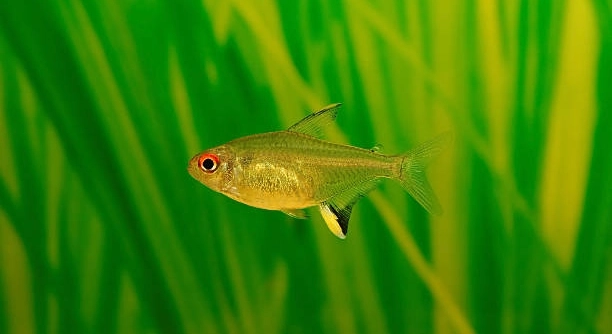
Do you ever notice your lemon tetra swimming around a little slower than usual or seeming less active in the tank? Observing these small fish can be enjoyable, but skipping meals may quietly affect their behavior and health.
If a lemon tetra misses a meal, it will typically survive for a short period without serious harm. However, repeated missed feedings can weaken its immune system, reduce energy levels, and stunt growth over time.
Understanding the effects of irregular feeding helps ensure your lemon tetra stays healthy and active in its aquatic environment. Proper care and attention can make a noticeable difference in their daily behavior.
Signs Your Lemon Tetra is Hungry
When a lemon tetra misses a meal, subtle signs often appear before serious issues develop. You may notice it swimming slower than usual, lingering near the bottom of the tank, or showing less interest in its surroundings. Some lemon tetras may hover near the surface, waiting for food to appear, even when their tankmates are already eating. Changes in coloration can also occur, with the bright yellow fading slightly, signaling stress or low energy. Observing your fish daily helps detect these early signs. They may occasionally ignore decorations or other stimuli, focusing only on food. Even slight differences in activity levels, such as less darting or exploring, can indicate hunger. Over time, repeated missed meals can compound these symptoms, affecting overall health. Paying attention to feeding patterns ensures your tetra maintains normal behavior, energy, and immune function.
Missed meals may cause temporary sluggishness, but consistent feeding prevents long-term harm and keeps your tetra active and healthy.
Tracking their behavior and feeding schedule makes it easier to notice when a tetra is not eating properly. Recording feeding times, portions, and reactions to food helps you maintain a balanced routine. Small adjustments, like offering food at different times or using sinking pellets for shy fish, can encourage regular eating. Overfeeding should also be avoided, as it can lead to water quality issues and digestive problems. Healthy tank conditions, including clean water and proper temperature, support appetite and reduce stress, complementing a consistent diet. By carefully observing their habits and making minor changes, you create a stable environment where lemon tetras thrive and maintain normal energy and coloration.
Preventing Missed Meals
Regular feeding reduces the chance of your lemon tetra missing meals and ensures proper growth and health.
Setting a feeding schedule and offering appropriate portions are key. Feeding small amounts two to three times daily prevents hunger and avoids overfeeding. Watch for tankmates dominating food and adjust accordingly. Providing variety, like flakes, micro-pellets, or occasional live foods, keeps them interested and nourished. Proper water conditions and minimal stress improve appetite and overall well-being, creating a consistent and healthy environment for your lemon tetra to flourish.
Feeding Frequency and Schedule
Lemon tetras do best with small, frequent meals rather than one large feeding. This keeps their metabolism steady and prevents hunger-related stress. Regular timing helps them adapt to the routine, making it easier to notice changes in behavior or appetite.
Consistent feeding supports growth, energy, and immune function. Offering food two to three times daily ensures they receive enough nutrients without overloading the tank. Portion control is important, as uneaten food can pollute water and cause health issues. Observing how quickly they eat helps adjust portions. Some tetras may eat faster or slower, so it’s essential to watch their reactions closely. A steady routine also encourages natural behaviors, like schooling and exploration, which indicate healthy, active fish.
Skipping meals occasionally won’t cause immediate harm, but prolonged gaps can lead to weakness and stress. Proper scheduling minimizes these risks and helps you maintain a balanced, healthy environment. Adjustments may be needed if tankmates compete for food, ensuring every tetra gets enough to thrive.
Signs of Malnutrition
Pale colors, lethargy, and reduced swimming activity often indicate malnutrition in lemon tetras. These signs are subtle at first but worsen if missed meals continue. Stress from hunger can make them more vulnerable to disease and infections, affecting their overall vitality.
Chronic underfeeding affects growth and immunity. Tetras may become less active, avoiding their usual swimming routes and showing little interest in food. Body shape can change slightly, with the belly appearing thinner. Over time, repeated nutrient deficiencies impact organ function and energy reserves. Even minor changes in behavior or appearance should prompt a review of feeding habits, water quality, and overall tank conditions. Maintaining a balanced diet with proper vitamins and proteins is crucial. Observing patterns over several days allows you to detect malnutrition before severe effects occur.
Regularly monitoring tankmates during meals ensures no fish is left underfed. Adjust feeding methods if competition is high, and consider supplementing diet with live or frozen foods. Providing a variety of nutrients and keeping the tank clean supports stronger, more resilient tetras and reduces the risk of malnutrition-related health issues.
Short-Term Effects of Missing a Meal
A lemon tetra missing a single meal may seem slightly less active but usually recovers quickly. Temporary hunger may cause minor restlessness or slower swimming, but it rarely leads to serious health problems if feeding resumes normally.
Even one missed meal can make them linger near the surface, searching for food. They may ignore decorations or schooling behavior for a short time, focusing solely on potential feeding opportunities. Quick recovery is typical once food is provided, emphasizing the importance of consistent feeding routines.
Long-Term Effects of Irregular Feeding
Repeatedly missing meals can lead to stunted growth, weakened immunity, and higher susceptibility to diseases. Chronic underfeeding reduces energy levels, alters behavior, and may result in faded coloration. Over time, these effects compromise overall health and lifespan.
Helping a Lemon Tetra Recover
Restoring regular feeding schedules and providing nutrient-rich food supports recovery. Maintaining clean water and minimizing stress improves their energy and resilience, helping them regain normal behavior and appearance.
FAQ
How long can a lemon tetra go without food?
Lemon tetras are small fish with fast metabolisms, so they need regular feeding. They can survive for a few days without food, but going longer than two or three days may start affecting their health. Occasional skipped meals aren’t immediately harmful, but frequent gaps can weaken immunity, reduce energy, and stunt growth. Observing their behavior is the best way to determine if they are adjusting well or showing signs of stress.
What are the first signs that a lemon tetra is hungry?
The earliest signs of hunger include slower swimming, reduced interaction with tankmates, and lingering near the surface or feeding areas. Some tetras may ignore tank decorations or normally engaging activities. Changes in color, like a slightly faded yellow, can also indicate stress from missing food. Noticing these signs early allows you to adjust feeding schedules before any long-term effects develop.
Can missing one meal harm a lemon tetra?
Missing a single meal generally does not cause serious harm. Lemon tetras are resilient and can tolerate short periods without food. Temporary restlessness or slower swimming may appear, but they typically recover once food is provided. The risk comes when meals are missed repeatedly or over an extended period, which can lead to malnutrition and weakened immunity.
What type of food is best for lemon tetras?
A balanced diet is key. Flake foods designed for small tropical fish provide essential nutrients. Micro-pellets, frozen or live foods like brine shrimp, daphnia, and bloodworms add protein and variety. Offering different types of food keeps them interested and ensures proper nutrition. Small, frequent portions are better than one large feeding to maintain energy and prevent leftover food from polluting the tank.
How can I encourage a lemon tetra to eat if it misses a meal?
If a tetra misses a meal, offering small portions of preferred food often helps. Slightly moving the food around or introducing live foods can stimulate interest. Make sure water conditions are stable and tankmates are not dominating the food. Reducing stress and maintaining a calm environment encourages fish to eat normally again. Observing their reaction over several feedings helps ensure they are eating adequately.
Is it normal for lemon tetras to ignore food sometimes?
Yes, occasional disinterest in food can occur, especially during acclimation or if water conditions are off. Stress, sudden changes, or competition from other fish may make them hesitant. Monitoring water quality, temperature, and overall tank health ensures that skipped meals are temporary and not a sign of chronic issues.
How often should I feed my lemon tetras?
Feeding two to three times a day in small portions is ideal. This maintains energy, supports growth, and prevents overeating. Frequent meals mimic natural feeding patterns in the wild. Watch how quickly they consume food to adjust portions and avoid leftovers that can pollute the tank. A steady schedule helps prevent missed meals and ensures all tetras receive proper nutrition.
What happens if my lemon tetra is underfed for a long time?
Long-term underfeeding leads to stunted growth, weak immune systems, and faded coloration. Energy levels drop, making them less active and more vulnerable to diseases. Chronic underfeeding can also alter behavior, reduce schooling activity, and increase stress. Consistently monitoring feeding routines and ensuring variety in their diet is essential to prevent these effects.
Can overfeeding be worse than missing meals?
Yes, overfeeding can harm the tank more than occasional skipped meals. Uneaten food decomposes, raising ammonia and nitrite levels and harming fish health. Obesity and digestive issues can also occur. Controlled portions and regular feeding schedules are safer for lemon tetras than feeding too much at once.
How do water conditions affect feeding habits?
Poor water quality or incorrect temperature can reduce appetite. Lemon tetras thrive in clean, stable conditions. Even with proper feeding, stress from dirty water or sudden changes can make them ignore meals. Maintaining a balanced environment ensures they eat consistently and remain healthy.
What are some tips to prevent missed meals in a busy schedule?
Using automated feeders or preparing small portions in advance can help. Observing your tetras during feeding ensures everyone gets enough. Consistency and routine make a big difference in their health and behavior, even if daily schedules are unpredictable.
How can I tell if my lemon tetra has fully recovered after missed meals?
Normal swimming, active schooling, bright coloration, and regular feeding are signs of recovery. They should resume curiosity and interaction with tankmates. Keeping track of behavior and energy levels over several days helps confirm they are back to optimal health and ready for regular feeding routines again.
Can skipping meals affect breeding in lemon tetras?
Yes, prolonged underfeeding can reduce energy and fertility. Tetras need consistent nutrition to maintain reproductive health. Proper feeding, clean water, and minimal stress are essential for breeding readiness. Skipped meals over time may delay spawning or reduce egg quality.
How important is observation in preventing feeding issues?
Daily observation is crucial. Noticing small changes in behavior, swimming patterns, or coloration helps detect hunger or stress early. Being attentive allows timely adjustments to feeding routines, ensuring lemon tetras stay healthy, active, and resilient in their environment.
Final Thoughts
Caring for lemon tetras requires attention to their feeding habits, water conditions, and general behavior. Missing a meal occasionally is not dangerous, but consistent feeding is key to keeping them healthy. These small fish rely on regular nutrition to maintain energy, coloration, and immune function. Skipped meals over time can weaken their bodies, make them more vulnerable to stress, and reduce their overall activity. By observing their swimming patterns, appetite, and interactions with other fish, you can catch early signs of hunger or stress. Maintaining a steady routine with small, frequent feedings ensures that all tetras in the tank receive enough food and prevents competition from leaving some underfed. Offering a mix of high-quality flake food, micro-pellets, and occasional live or frozen foods provides essential nutrients and keeps them interested in their meals.
Water quality plays an important role in how well lemon tetras feed and recover from missed meals. Even with the best diet, poor tank conditions can make fish reluctant to eat. Regular water changes, monitoring temperature, and checking pH levels create a stable environment that encourages healthy behavior. Clean water helps maintain appetite and reduces the risk of disease, which can become more likely when fish are stressed or underfed. Observing your tetras regularly also allows you to notice subtle changes in color or energy. A slightly faded yellow or slower swimming can be an early signal that adjustments are needed. Pairing proper feeding schedules with good water management ensures your fish remain active, vibrant, and resilient over time.
Consistency and careful observation are the best tools for preventing long-term problems. Lemon tetras are small and sensitive, so even minor changes in feeding routines or tank conditions can affect their health. Missing one meal is usually harmless, but repeated gaps can lead to malnutrition, stress, and stunted growth. Keeping track of feeding times, portion sizes, and how fish respond to food helps maintain a balanced routine. Adjustments may be necessary if some tetras are shy, tankmates compete for food, or stress levels rise. Paying attention to their behavior, providing a varied diet, and maintaining a clean, stable tank environment are the main steps in ensuring long-term well-being. A few simple habits, like consistent feeding and monitoring water quality, can make a significant difference in the health, energy, and longevity of your lemon tetras, allowing them to thrive and display their natural, bright colors.

Hello,
If you enjoy the content that we create, please consider saying a "Thank You!" by leaving a tip.
Every little bit helps us continue crafting quality advice that supports the health, happiness, and well-being of pets around the world, for pets of all shapes, sizes, and species.
We really appreciate the kindness and support that you show us!