
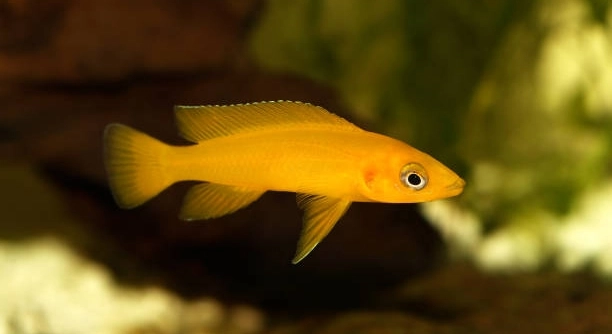
Have you ever set up a small aquarium and wondered if your Lemon Tetra would be happy inside it? These tiny, bright fish are popular for their peaceful nature and striking yellow color, making them a favorite choice.
Lemon Tetras can survive in smaller tanks, but their overall health and social behavior may be compromised. A minimum tank size of 10 gallons is recommended to provide adequate swimming space and maintain stable water conditions for optimal well-being.
Knowing the basics of tank size and fish needs can make all the difference in their daily life. Proper care ensures these little fish remain active, healthy, and visually vibrant in your home.
Ideal Tank Size for Lemon Tetras
When I first set up a tank for Lemon Tetras, I quickly realized that their small size doesn’t mean they can thrive anywhere. A tank of at least 10 gallons is recommended for a small school of 5 to 6 fish. This size gives them enough room to swim actively and reduces stress. Lemon Tetras are schooling fish, so they feel safer and more comfortable in groups. Smaller tanks can make them feel confined and can affect their natural behavior. Proper filtration and regular water changes are essential to keep the water clean, as these fish are sensitive to sudden changes in water quality. Adding plants and hiding spots also helps them feel secure. I noticed my fish are more vibrant and active when they have space to explore. Tank size directly impacts their health, mood, and lifespan, making it a critical factor in their care.
Smaller tanks can work temporarily, but long-term health is compromised. A larger tank is always safer.
Choosing the right size tank also means thinking about the future. If you plan to add more fish or decorations, the extra space prevents overcrowding. Overcrowded tanks lead to poor water quality, stress, and aggression. A taller tank can be helpful because it allows for more vertical swimming space. Plants, driftwood, and hiding spots make the environment stimulating, giving Lemon Tetras places to explore and feel safe. Temperature consistency is easier to maintain in the recommended tank size, and stable conditions reduce disease risk. I’ve found that regular observation helps me notice subtle behavior changes that indicate stress, such as hiding or loss of color. By planning the tank size thoughtfully, I ensure my Lemon Tetras remain healthy, active, and display their natural colors. Proper space is one of the simplest ways to improve their well-being and longevity.
Water Conditions and Maintenance
Lemon Tetras need stable water conditions to stay healthy. Slight changes can stress them out.
Maintaining the right temperature, pH, and cleanliness is key. They prefer soft, slightly acidic water with consistent warmth around 72–78°F. Regular partial water changes of about 20% weekly help remove waste and keep water clear. A gentle filter works best to avoid strong currents that can tire the fish. I’ve learned to test water parameters regularly and make small adjustments as needed instead of large, sudden changes. Even the smallest fluctuation in ammonia or nitrate levels can impact their behavior and health. Keeping decorations and plants clean prevents algae buildup and maintains oxygen levels. Feeding them a balanced diet of flakes, small pellets, and occasional frozen food supports their energy and coloration. Overfeeding can quickly pollute water, so I feed small amounts twice a day. These steps make a noticeable difference in their activity and vibrancy, keeping them thriving in their tank.
Feeding and Diet
Lemon Tetras eat small flakes, micro-pellets, and occasional frozen food. Overfeeding can pollute water, so small amounts twice a day work best.
I usually feed my Lemon Tetras tiny portions that they can finish in two to three minutes. They enjoy variety, so I alternate flakes with frozen foods like daphnia or bloodworms. Too much food leads to uneaten leftovers that decay and affect water quality. Watching how quickly they eat helps me adjust portions, ensuring they get enough nutrition without overfeeding. Their color and energy improve noticeably when they have a balanced diet and feeding routine.
Providing variety also stimulates natural foraging behavior. I sometimes sprinkle food across the tank so they swim around and chase it. This encourages movement, preventing laziness in a small tank. Fresh and frozen foods boost their immune system, keeping them more resilient to stress. Observing their eating habits allows me to spot early signs of illness, like loss of appetite or sluggishness. A steady diet, combined with proper tank maintenance, ensures Lemon Tetras remain healthy, active, and colorful, even in smaller aquariums.
Tankmates and Social Behavior
Lemon Tetras are peaceful and do best in schools of six or more.
When I added other small, non-aggressive fish to the tank, the dynamics changed noticeably. Lemon Tetras are naturally social, and being in a small group can make them shy or stressed. Compatible tankmates, such as small rasboras or corydoras, help maintain a calm environment and prevent bullying. Avoid larger or aggressive fish that may nip fins or intimidate them. Group behavior influences feeding, swimming patterns, and overall activity. By paying attention to social interactions, I can ensure a harmonious tank where all species thrive together.
Choosing the right tankmates also impacts water quality management. Different species produce varying levels of waste, so monitoring ammonia and nitrate is important. Observing interactions daily helps identify potential issues, such as dominance or hiding behaviors. Providing enough swimming space and hiding spots reduces competition and stress. I noticed that when compatible fish share the tank, Lemon Tetras display brighter colors and more active schooling behavior. Maintaining a peaceful mix allows for natural behavior, minimizes conflict, and keeps the tank environment stable, which is particularly important in smaller aquariums. Proper social planning ensures both safety and enjoyment for every fish in the tank.
Lighting and Decorations
Lemon Tetras prefer soft, diffused lighting rather than bright lights. Harsh lighting can stress them and cause hiding or color fading.
Adding plants, driftwood, and small caves creates a secure environment. Decorations provide hiding spots and break the line of sight, reducing aggression and making them feel safe.
Temperature and pH Balance
Maintaining a consistent temperature between 72–78°F is crucial. Sudden changes can cause stress or illness. I use a reliable heater and thermometer to monitor daily fluctuations. Soft, slightly acidic water with a pH of 5.5–7.0 is ideal. Regular testing and small adjustments help keep conditions stable. Stable water encourages natural behavior, improves color, and reduces susceptibility to disease, making the tank a healthier environment overall.
Breeding Considerations
Breeding Lemon Tetras requires calm water and proper nutrition. I separate a small group into a breeding tank with fine-leaved plants.
FAQ
Can Lemon Tetras live in a 5-gallon tank?
Technically, they can survive, but it is not ideal. A 5-gallon tank is too small for their active swimming and schooling behavior. I noticed that when my fish were confined to smaller spaces, they became less active and their colors dulled. A minimum of 10 gallons provides proper swimming space, reduces stress, and allows for better water stability. Small tanks also make it harder to maintain water quality, which directly affects their health and lifespan.
How many Lemon Tetras should I keep together?
Lemon Tetras are social and feel safer in schools of six or more. I personally keep a group of eight, and they always swim together in patterns that look natural and calm. Smaller groups may hide more often or become stressed, showing signs like loss of color or inactivity. A larger school spreads out activity and creates a peaceful tank dynamic, which is especially important in smaller tanks where stress can escalate quickly.
What should I feed Lemon Tetras?
They thrive on a mix of small flakes, micro-pellets, and occasional frozen foods like daphnia or bloodworms. I alternate types to provide variety and nutrition. Feeding small amounts twice daily prevents leftover food from polluting the tank. Overfeeding is one of the most common mistakes I see, as excess food can decay and affect water quality. Watching their eating habits helps me adjust portions and ensures they get enough nutrients without creating waste problems.
Do Lemon Tetras need a heated tank?
Yes, keeping water temperature consistent between 72–78°F is important. I use a small, adjustable heater and monitor the temperature daily. Sudden drops or spikes stress the fish, reduce immunity, and can cause illness. In a smaller tank, temperature fluctuates faster, so careful monitoring is essential. Maintaining steady warmth encourages natural behavior, keeps them active, and preserves their bright yellow coloration.
Can Lemon Tetras be kept with other fish?
Yes, they do best with small, peaceful tankmates like rasboras, corydoras, or small tetras. Aggressive or large fish can intimidate them or nip fins. I always observe interactions closely, especially in smaller tanks, to ensure there’s no bullying. Proper tankmates support a calm environment, enhance social behavior, and reduce stress. Adding enough plants and hiding spots also helps all fish feel secure.
How often should I change the water?
I do a partial water change of 20% every week. Regular maintenance keeps ammonia and nitrate levels low and prevents stress or disease. Smaller tanks require more frequent monitoring because waste accumulates faster. Clean water ensures that Lemon Tetras remain active, maintain vibrant colors, and exhibit natural schooling behavior.
Can Lemon Tetras breed in small tanks?
They can, but success is limited. I found that a separate breeding tank with fine-leaved plants works best. The main tank may not provide enough calm space or suitable conditions for eggs and fry. Controlling water quality, temperature, and nutrition is easier in a dedicated setup, which increases survival rates for baby fish.
What signs indicate stress in Lemon Tetras?
Stress shows through hiding, loss of color, reduced activity, or irregular swimming. I noticed that in overcrowded or poorly maintained tanks, these behaviors appear quickly. Observing these signs allows for early intervention, such as adjusting tank size, improving water conditions, or changing tankmates. Quick action prevents illness and ensures long-term health.
How do I maintain proper pH for Lemon Tetras?
They prefer slightly acidic to neutral water, around 5.5–7.0. I test the water weekly and make small adjustments with additives if needed. Maintaining consistent pH is easier in larger tanks but can be managed in smaller setups with careful monitoring. Stable water chemistry supports natural behavior and prevents disease.
Can Lemon Tetras tolerate low light?
Soft, diffused light is ideal. I keep lights on a timer for 8–10 hours per day, creating a day-night cycle. Bright or harsh lighting stresses the fish and can cause hiding or color fading. Plants and decorations help diffuse light and provide hiding spots, keeping them calm and comfortable.
How do I prevent disease in a small tank?
Proper feeding, water changes, and temperature control are essential. I also quarantine new fish before adding them to the main tank. Overcrowding and poor water quality are common causes of illness. Observing fish daily helps catch early signs of problems, allowing prompt action. Maintaining cleanliness and monitoring conditions reduces the risk of infections and keeps Lemon Tetras healthy.
Is it okay if Lemon Tetras school tightly in a small tank?
Yes, tight schooling is normal in smaller spaces. I observed that they cluster more when the tank is compact, which is a natural stress response and social behavior. Providing hiding spots and monitoring water quality ensures that stress is minimized and their health is maintained.
What decorations are best for Lemon Tetras?
Plants, driftwood, and small caves work well. I use a mix of live and artificial plants to provide hiding spaces and visual barriers. Decorations reduce stress, allow natural exploration, and help maintain calm behavior, especially when multiple species share a small tank.
How long do Lemon Tetras live?
With proper care, they live around 3–5 years. I’ve noticed that consistent water quality, a balanced diet, and proper schooling significantly impact lifespan. Small tanks can shorten their life if conditions are unstable, making attentive care essential for long-term health.
Can I keep a single Lemon Tetra?
It’s not recommended. I’ve tried keeping one temporarily, and it became stressed and shy. Schooling is vital for their social needs and confidence. Keeping at least six together ensures active swimming, bright coloration, and a natural social environment, even in smaller tanks.
Do Lemon Tetras need hiding spots?
Yes, they feel safer with places to hide. I place plants and small caves throughout the tank. Hiding spots reduce stress, prevent aggression, and provide security, especially when adding new tankmates or during water changes. This simple addition improves overall activity and comfort.
How sensitive are Lemon Tetras to water changes?
They are sensitive to sudden changes. I do gradual adjustments, replacing only 20% weekly. Abrupt water shifts can stress them, causing hiding, reduced appetite, or illness. Slow, consistent maintenance keeps their environment stable and supports vibrant, healthy behavior.
Can Lemon Tetras adapt to different water hardness?
They prefer soft to moderately hard water. I observed that extreme hardness or sudden changes negatively affect their health. Maintaining stable conditions, using dechlorinated water, and testing regularly helps them adapt comfortably while preventing stress or color loss.
What is the best way to introduce new Lemon Tetras?
I float the bag in the tank for 15–20 minutes, then gradually mix tank water into the bag before release. This minimizes shock from temperature or pH differences. Watching their behavior for the first few hours ensures they settle in safely.
How important is tank size for their activity?
Tank size directly affects swimming space, social behavior, and stress levels. I noticed that in tanks smaller than 10 gallons, Lemon Tetras often swim in tight groups and display duller colors. Adequate space encourages natural schooling, exploration, and overall health.
Can Lemon Tetras live with shrimp or snails?
Yes, they usually coexist peacefully. I keep small snails and cherry shrimp with my Lemon Tetras without issues. The shrimp help with algae control, and the Tetras mostly ignore them, creating a balanced and interesting tank environment.
How often should I test water parameters?
Weekly testing of ammonia, nitrite, nitrate, pH, and temperature is ideal. I keep a log to track trends and catch problems early. Consistent monitoring ensures a safe environment, especially in smaller tanks where conditions can shift quickly.
What should I do if a Lemon Tetra becomes sick?
Isolate the fish immediately in a quarantine tank. I adjust water parameters, monitor feeding, and use treatment specific to the illness. Prompt action prevents disease spread and improves recovery chances. Maintaining good hygiene and stable conditions is key to avoiding future issues.
Can Lemon Tetras live with Betta fish?
It’s risky. I tried once, and the Betta’s aggression stressed the Tetras. Small, calm species are better choices. If a Betta is included, ample hiding spots and careful observation are essential to prevent injuries or stress.
Do Lemon Tetras need a lid on the tank?
Yes, they can jump occasionally. I keep a secure lid to prevent escapes. A lid also helps maintain stable temperature and humidity, which contributes to overall comfort and safety in smaller tanks.
How fast do Lemon Tetras grow?
They grow slowly, reaching adult size in about six months. I observed that consistent diet, water quality, and schooling support steady growth. Overcrowded or small tanks can stunt development and affect health.
Can I use tap water for Lemon Tetras?
Yes, if treated properly. I always dechlorinate tap water and check pH before adding it. Untreated water can harm gill function and cause stress. Proper preparation ensures a safe and stable environment.
Are Lemon Tetras compatible with live plants?
Absolutely. I keep live plants, and the Tetras use them for hiding and exploration. Plants improve oxygen levels, water quality, and provide a more natural environment that supports healthy behavior and reduces stress.
Do they need strong filtration?
Moderate filtration is best. I avoid strong currents that tire them out. A gentle filter keeps water clean while maintaining calm conditions, which is especially important in smaller tanks to prevent stress and support schooling behavior.
Can they survive in slightly brackish water?
They are freshwater fish and do best in low-salinity water. I avoid adding salt or brackish conditions, as it stresses them and affects long-term health. Stable freshwater conditions are essential for activity, color, and immunity.
How do I tell if a Lemon Tetra is happy?
Bright color, active swimming, schooling behavior, and regular feeding are signs of a happy fish. I notice subtle differences when they are stressed, such as hiding, dull color, or reduced movement. Observing behavior consistently ensures they thrive in any tank size.
Can Lemon Tetras live with goldfish?
No, goldfish are too large and produce excess waste. I keep them separate to prevent stress, aggression, and poor water quality. Small, peaceful tankmates are always a safer choice for maintaining a healthy environment.
Is it okay to keep them in a narrow, tall tank?
Tall tanks work if there is enough horizontal swimming space. I’ve found that limited width can restrict schooling patterns. Combining height with enough length and swimming room ensures comfort and natural behavior.
What do I do if one dies?
Remove it immediately to prevent water contamination. I check water parameters and monitor remaining fish closely. Sudden deaths often indicate water quality issues, stress, or illness that must be addressed quickly to protect the others.
Can Lemon Tetras adapt to new water conditions quickly?
Gradual acclimation is necessary. I slowly mix tank water with new water over 15–20 minutes before release. Rapid changes in temperature, pH, or hardness cause stress, color loss, or illness. Careful adjustment ensures comfort and survival.
How often should I clean the substrate?
Weekly vacuuming of gravel or sand prevents waste buildup. I remove uneaten food and debris, which reduces ammonia spikes. Clean substrate supports healthy bacteria, keeps water clear, and maintains overall tank hygiene.
Are they suitable for nano tanks?
Only if stocked lightly and maintained carefully. I prefer slightly larger tanks for more stability. Nano tanks require vigilant monitoring of water quality, temperature, and schooling needs to keep Lemon Tetras healthy and stress-free.
What is the best way to introduce decorations?
Place them gradually and rearrange occasionally. I introduce one or two new items at a time to minimize stress. Hiding spots and visual barriers improve comfort and allow natural exploration in smaller tanks.
Do Lemon Tetras need frequent feeding adjustments?
Yes, I adjust amounts based on activity, growth, and water quality. Observing appetite helps prevent overfeeding or underfeeding. Proper feeding supports health, coloration, and energy, especially in confined spaces where waste accumulates quickly.
Can I keep them alone temporarily?
Short-term is possible, but long-term isolation causes stress. I always try to reunite them with a school quickly. Social behavior is essential for confidence, active swimming, and natural patterns, even in smaller tanks.
How do I know if the tank is overcrowded?
Signs include frequent hiding, aggression, and poor water quality. I count fish and consider tank size, ensuring each has enough space. Proper stocking prevents stress, promotes health, and maintains a stable environment.
Are Lemon Tetras sensitive to noise or vibrations?
Yes, sudden vibrations or loud sounds stress them. I place the tank in a calm area and avoid tapping glass. A peaceful environment helps maintain schooling behavior, bright coloration, and overall well-being.
Can I use artificial plants only?
Yes, artificial plants provide hiding and reduce maintenance. I use a mix for aesthetics and comfort. They offer safe spaces and reduce algae issues while supporting natural behavior.
Do they need aeration?
Moderate aeration is sufficient. I use a gentle filter that creates light movement. Excessive bubbles or strong currents stress them, especially in smaller tanks. Proper oxygen levels support activity and health.
How do I handle water parameter spikes?
Small, frequent water changes and testing help stabilize conditions. I avoid sudden large changes that stress the fish. Regular monitoring ensures safe, healthy water chemistry.
Can they tolerate cooler temperatures briefly?
Short exposure to slightly lower temperatures is manageable, but prolonged cold causes stress. I maintain consistent warmth to prevent illness and maintain activity.
What is the best way to quarantine new fish?
Use a separate tank for two weeks, monitor behavior, and check water quality. I only add them to the main tank once they appear healthy, preventing disease spread and stress.
Do Lemon Tetras need a specific water flow?
They prefer gentle currents. I avoid strong filtration that creates turbulence, which can tire them and disrupt schooling patterns. Proper flow supports oxygenation without stress.
Can they live with African Dwarf Frogs?
Yes, generally compatible. I ensure enough swimming space and hiding areas. Observing interactions prevents accidental stress or predation.
How often should I check the heater?
Daily checks are best. I ensure the temperature stays between 72–78°F. Heater failure can quickly harm fish, especially in small tanks.
Can Lemon Tetras tolerate slightly cloudy water?
Short-term exposure is usually fine, but persistent cloudiness indicates poor maintenance. I clean the tank, vacuum substrate, and check filtration to maintain health and water clarity.
Is it safe to rearrange the tank decorations?
Yes, but gradually. I move one or two items at a time to prevent stress and allow the fish to adjust to new hiding spots or swimming routes.
Do they need UV sterilizers?
Not required. I rely on proper filtration, water changes, and hygiene. UV sterilizers can help control algae or pathogens but are optional for healthy, well-maintained tanks.
How do I recognize illness early?
Loss of color, erratic swimming, hiding, or reduced appetite are signs. I observe daily, test water, and act quickly to prevent worsening conditions. Early intervention improves survival chances.
Can Lemon Tetras live with neon tetras?
Yes, they are compatible. I keep them in similar water conditions and tank sizes. Both species school peacefully and display complementary colors, enhancing tank aesthetics and activity.
What is the best feeding schedule?
Twice daily in small portions works well. I adjust based on appetite and water quality. Consistent feeding supports energy, color, and healthy growth.
Are Lemon Tetras sensitive to medications?
Yes, they are delicate. I carefully dose treatments and monitor water chemistry. Overdosing or incorrect application can harm them, so I follow instructions precisely and quarantine when possible.
Do they prefer dim or bright light?
Dim or moderate lighting is best. I noticed bright lights stress them and reduce activity. Using diffused light and plants creates a calm, natural environment.
Can Lemon Tetras survive in unheated tropical rooms?
Only if temperature stays within 72–78°F consistently. I use heaters when needed, especially in cooler seasons, to avoid stress and maintain activity levels.
What is the easiest way to acclimate them?
Float the bag for 15–20 minutes, then gradually mix tank water in. I release them slowly to prevent shock from temperature, pH, or hardness differences.
How do I keep water soft enough?
I use filtered or treated water and occasionally add peat or softening agents. Consistent monitoring ensures pH and hardness stay within safe limits, supporting health and coloration.
Are Lemon Tetras hardy fish?
They are moderately hardy. I found that proper water quality, diet, and schooling significantly affect resilience. They tolerate minor fluctuations but thrive best in stable, clean conditions.
Can they tolerate occasional fasting?
Yes, skipping a single feeding occasionally is safe. I ensure regular feeding otherwise. Overfeeding is more harmful than occasional fasting in small tanks.
Do Lemon Tetras enjoy current or still water?
Gentle current is fine, but strong flow stresses them. I maintain calm water using a moderate filter and decorations to diffuse movement, keeping them comfortable.
How important is tank placement in a room?
Very. I place tanks away from direct sunlight, drafts, or vibrations. A stable, quiet location reduces stress and supports natural schooling and feeding behavior.
Can Lemon Tetras be kept in community tanks with dwarf gouramis?
Yes, if the gouramis are calm. I observe interactions to prevent fin nipping or stress. Plenty of hiding spots help maintain harmony.
Do they need live or artificial plants?
Both work. Live plants improve water quality and provide hiding, while artificial plants reduce maintenance. I mix both for aesthetics, comfort, and security.
How fast should I respond to water issues?
Immediately. I test, correct, and monitor. Prompt action prevents stress, illness, and long-term damage in small tanks where changes occur quickly.
Can Lemon Tetras live with guppies?
Yes, small peaceful guppies are compatible. I monitor water parameters and interactions to ensure safety. Both species coexist well when space and hiding areas are sufficient.
Do they need a calm environment?
Yes, calm surroundings reduce stress. I avoid sudden movements, loud noises, or frequent disturbances near the tank. A peaceful setup encourages healthy behavior and vibrant coloration.
Can Lemon Tetras tolerate slightly higher nitrate levels?
Short-term exposure is manageable, but prolonged high nitrates stress them. I maintain regular water changes and filtration to keep nitrates low, promoting health and activity.
What is the best water conditioner?
I use dechlorinators that neutralize chlorine and chloramines. Some also detoxify heavy
Keeping Lemon Tetras can be a very rewarding experience, especially when you understand their needs and provide the right environment. These small, bright fish may look easy to care for at first, but their health and happiness depend heavily on tank size, water conditions, diet, and social setup. In smaller tanks, it can be tempting to think that fewer gallons mean less work, but the reality is the opposite. Limited space can make maintaining stable water parameters more difficult, and overcrowding or improper care can lead to stress, dull colors, and illness. Paying attention to these details from the start can prevent problems later, making sure your fish stay active, colorful, and healthy.
I have learned that schooling behavior is essential for Lemon Tetras. Keeping them in groups of at least six allows them to swim naturally and reduces anxiety. Small tanks can still support a school, but careful planning is required to avoid overcrowding. Decorations, plants, and hiding spots help them feel secure and reduce stress, even in a confined space. Observing their behavior daily provides important clues about their well-being. Signs such as hiding, loss of color, or reduced activity indicate that something in their environment may need adjustment. Regular partial water changes, proper filtration, and gentle lighting all work together to create a comfortable and safe habitat.
Feeding and diet are equally important to their long-term health. A mix of flakes, micro-pellets, and occasional frozen foods provides balanced nutrition and helps maintain bright colors. Overfeeding is one of the most common mistakes in small tanks, as leftover food can quickly degrade water quality. Monitoring portions and feeding frequency keeps the tank clean and the fish healthy. Temperature and pH stability are also crucial, especially in smaller setups where changes happen more quickly. With careful attention to these basic requirements, Lemon Tetras can not only survive but thrive, even in smaller tanks. They are active, social, and visually appealing fish that reward consistent care and thoughtful tank management. Their bright colors and lively schooling behavior are signs of a healthy environment, making the effort worthwhile for any aquarist.

Hello,
If you enjoy the content that we create, please consider saying a "Thank You!" by leaving a tip.
Every little bit helps us continue crafting quality advice that supports the health, happiness, and well-being of pets around the world, for pets of all shapes, sizes, and species.
We really appreciate the kindness and support that you show us!