
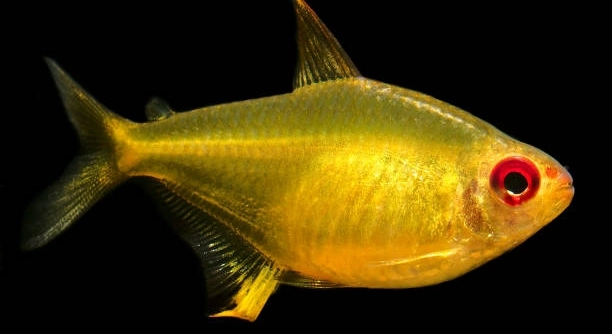
Lemon tetras are small, bright fish that add life to any aquarium. Their sudden bursts of speed can startle both new and experienced hobbyists alike, making their behavior both fascinating and sometimes puzzling to observe closely.
Lemon tetras dart suddenly due to a combination of environmental stimuli and instinctive responses. Factors such as sudden changes in light, water movement, the presence of other fish, or perceived threats can trigger these rapid movements as a natural survival mechanism.
Observing these quick motions offers insight into their natural instincts and helps in creating a calm, balanced aquarium environment for them.
Understanding Lemon Tetra Behavior
Lemon tetras are naturally active fish, and their sudden darting is often a normal part of their behavior. In most cases, these bursts occur in response to stimuli like sudden movements, changes in lighting, or water vibrations. Even minor disturbances in the tank can trigger a rapid swim. Additionally, these fish have a strong instinct to school together. When one tetra moves quickly, the others often follow, creating a chain reaction of darting. Observing their tank closely can help identify patterns in this behavior, showing whether it is simply playfulness or a response to stress. Water quality and temperature can also impact their activity. Tetras in ideal conditions tend to show predictable movements, whereas poor conditions may cause erratic swimming. By understanding these triggers, it becomes easier to maintain a calm environment and minimize sudden darting episodes. Careful attention to their habitat ensures they remain healthy and active.
Environmental factors play a major role in triggering sudden movements in lemon tetras.
Maintaining consistent water parameters, avoiding sudden tank disturbances, and ensuring adequate space can significantly reduce erratic darting. A well-structured environment encourages natural schooling behavior and helps the fish feel secure, promoting calmer activity throughout the day. Observing their responses over time allows for adjustments that create stability.
Tank Conditions That Influence Activity
Water quality is one of the most critical factors affecting lemon tetra behavior. Poor water parameters can increase stress and lead to frequent darting. High levels of ammonia, nitrites, or nitrates can cause discomfort, prompting rapid movement as the fish attempt to escape perceived danger. Temperature fluctuations also play a significant role. Lemon tetras thrive in stable conditions between 72 and 78 degrees Fahrenheit. Sudden shifts outside this range may result in erratic swimming. The arrangement of the tank matters too. Overcrowding can lead to stress, while a lack of hiding spots removes a sense of security. Plants, rocks, and other decor provide shelter and help reduce sudden bursts of movement. Light intensity is another factor; bright or rapidly changing lights may startle them. Monitoring these conditions and making small adjustments improves their comfort. A calm, stable tank reduces stress-induced darting and allows the tetras to display natural, relaxed behavior consistently.
Observing water parameters and tank setup helps identify why tetras may dart.
Providing a stable, well-planted environment with consistent water conditions supports healthy behavior. Clear patterns emerge when stressors are minimized, allowing lemon tetras to swim naturally and maintain their vibrant, active presence. Attention to detail ensures a balanced, calm habitat for the fish.
Common Triggers for Sudden Darting
Lemon tetras often dart suddenly when startled by fast movements near the tank, tapping on glass, or unexpected noises. Even routine maintenance can cause brief bursts of speed, especially if the fish perceive a threat or change in their surroundings.
Stress is a major factor that increases sudden darting. Overcrowding, incompatible tank mates, or lack of hiding spots can heighten anxiety in lemon tetras. When stressed, their instinctive reaction is to swim quickly and erratically. Even minor environmental changes, like shifting plants or decorations, can trigger this response. Maintaining stable conditions and observing behavior closely allows you to identify patterns and reduce stress-related darting, keeping the fish calmer and more predictable in their movements.
Feeding times and interactions with other fish also influence sudden bursts. When food is introduced, tetras may dart to compete or secure a portion, especially in larger groups. Their schooling nature means that once one fish moves rapidly, others follow instinctively, creating a wave of activity. Recognizing these triggers and spacing feeding appropriately, along with providing secure hiding areas, helps manage darting caused by social and feeding dynamics. Adjustments in daily routine and tank arrangement can reduce sudden movements and encourage smoother swimming behavior.
Observing Schooling and Social Behavior
Lemon tetras rely heavily on schooling instincts, and sudden darting often reflects their social interactions within the group. Movement by one fish usually prompts synchronized bursts from others.
Schooling behavior is a natural defense mechanism. In larger groups, any quick movement by an individual fish alerts the rest, prompting immediate reactions. This coordinated darting helps reduce the risk of predation in natural habitats. In a tank, it may appear excessive, but it is a normal expression of their social structure. Providing enough space and maintaining consistent group sizes ensures each fish feels secure. Observing the group over time can reveal patterns in darting, helping distinguish between normal schooling activity and stress-induced reactions.
Social hierarchy also affects activity levels. Dominant fish may chase others briefly, creating bursts of movement. Territorial disputes, although minor, can trigger rapid swimming, particularly around feeding times or in confined spaces. Recognizing these social cues helps in arranging tank décor and group composition to minimize tension. Offering hiding spots, plant cover, and open swimming areas supports natural interactions without excessive darting. Careful attention to group size, tank layout, and feeding routines allows lemon tetras to exhibit normal schooling behavior while reducing stress-related erratic movements.
Environmental Stress Factors
Sudden darting can increase when lemon tetras experience unstable water conditions. Fluctuating temperatures, high ammonia levels, or poor filtration create discomfort that prompts rapid movements. Keeping the tank consistent and clean helps reduce these reactions and supports a calmer swimming pattern throughout the day.
Lighting also plays a strong role in triggering sudden bursts. Bright or rapidly changing lights can startle lemon tetras, causing them to move quickly across the tank. Soft, steady lighting and predictable routines help them feel safe, lowering the chances of abrupt, erratic swimming triggered by visual stress.
How Tank Layout Affects Their Movements
Tank layout influences how secure lemon tetras feel, and a poorly arranged environment can lead to frequent darting. Open spaces with no shelter make them feel exposed, prompting quick movements to find safety. Adding plants, decorations, and shaded areas provides comfort and encourages smoother, more controlled swimming. Balanced spacing allows them to explore, school naturally, and rest when needed. A structured environment also helps reduce territorial tension among fish. When they have defined areas to move through, the risk of sudden darting decreases significantly. Proper layout supports their natural behavior and creates a reassuring environment that keeps them active without unnecessary stress.
Recognizing Normal Activity
Some sudden darting is simply a natural expression of energy. Lemon tetras often show quick movements during schooling or play, and these patterns can be perfectly healthy when paired with stable water conditions and a balanced tank setup.
FAQ
Why do my lemon tetras dart suddenly even when the tank seems calm?
Sudden darting can happen even in calm environments because lemon tetras remain alert to small changes that might not be immediately noticeable. Tiny vibrations, subtle shifts in lighting, or movements outside the tank can trigger a quick reaction. Their instincts are strong, and any perceived signal of danger prompts fast swimming. Even household activities, like closing a door or adjusting blinds, can create enough disturbance to cause these sudden bursts. Consistent surroundings help reduce this behavior, but it is normal for them to react quickly to minor things, even when everything appears peaceful.
Can water quality alone cause constant darting?
Water quality plays a major role in fish behavior, and lemon tetras are especially sensitive to poor conditions. High ammonia, nitrites, or nitrates can cause stress, and that stress shows through rapid, unpredictable movement. Fluctuating pH or temperature adds to this discomfort. When the water feels unsafe, tetras may dart in an attempt to find relief or escape the discomfort. Testing the water regularly, using a reliable filtration system, and keeping parameters stable significantly reduce this type of darting. Clean, stable water encourages smooth, predictable swimming and a calmer temperament.
Is it normal for lemon tetras to dart during feeding?
Feeding time often brings excitement, and quick bursts toward food are completely normal. Lemon tetras are active eaters, and when food appears, their natural instinct is to move rapidly to secure their share. In groups, this behavior becomes more noticeable because one fish’s quick movement prompts others to follow. The competitive nature of feeding can lead to short bursts of speed, but this behavior usually lasts only a few moments. If darting occurs only during feeding, it is likely healthy excitement rather than stress.
Why do lemon tetras dart when I walk past the tank?
Movements outside the tank can easily startle lemon tetras. Their vision picks up sudden changes quickly, and if someone walks by faster than usual or stands close without warning, it may trigger a flight response. These fish are naturally attentive to potential threats, and they do not always understand the difference between a person walking past and something dangerous. Slow, predictable movements around the tank help reduce this reaction. Over time, tetras become familiar with regular patterns and tend to dart less when they recognize what is happening around them.
Can tank mates influence darting behavior?
Tank mates have a strong impact on how lemon tetras behave. If they share space with aggressive or fast-moving species, they may dart more often. Constant chasing, territorial behaviors, or sudden movements from other fish increase stress and trigger quick swims. Choosing peaceful companions helps maintain a calm environment. Fish that share similar temperaments and activity levels create harmony, reducing sudden bursts of movement. When the group is balanced, lemon tetras feel safer and show more steady swimming patterns.
Does tank layout affect how often lemon tetras dart?
Tank layout greatly influences their comfort level. Open, empty setups leave them feeling exposed, increasing the chances of darting. These fish appreciate plants, hiding areas, and visual barriers that break up open space. When they have secure areas to retreat to, they swim more confidently and react less to outside stimuli. A well-arranged tank with both open areas and covered sections gives them the freedom to move naturally. Rearranging décor occasionally can also help reduce territorial disputes among other species, which indirectly lowers darting behavior in lemon tetras.
How can I tell the difference between normal darting and a stress response?
Normal darting usually happens during schooling, feeding, or playful bursts of energy. It is brief, coordinated, and followed by calm swimming. Stress-related darting tends to be more frequent, erratic, and paired with other signs like hiding, color fading, or labored breathing. Observing patterns helps differentiate the two. If the darting happens at random times throughout the day or appears alongside unusual behavior, it may indicate that something in the environment needs attention. Stable water conditions, appropriate tank mates, and a structured habitat are key to reducing stress-related darting.
Can sudden noises cause lemon tetras to dart around the tank?
Sudden noises can easily startle lemon tetras because vibrations travel through water quickly. Loud claps, dropped objects, or even heavy footsteps near the tank can cause immediate darting. These fish respond strongly to sound-based disruptions, especially if they occur unexpectedly. Keeping the tank in a quieter area or reducing sudden loud activities nearby helps create a more peaceful environment. With time, they may become less sensitive to regular household sounds, but unexpected sharp noises can continue to trigger rapid swimming.
Is it harmful if my lemon tetras dart frequently?
Frequent darting can be harmful if it is caused by ongoing stress. Repeated startle responses increase their energy use and may weaken their immune system over time. Identifying the cause is essential. Improving water quality, creating a balanced layout, and choosing compatible tank mates all help reduce this behavior. Normal short darting episodes are harmless, but persistent erratic movement requires attention to prevent long term health issues.
Final Thoughts
Caring for lemon tetras becomes much easier once you understand why they respond so quickly to changes in their environment. Their sudden darting is often a natural reaction, shaped by instincts that help keep them safe and aware of their surroundings. When living in a well-balanced tank, their movements become more predictable, and their behavior starts to feel familiar and even comforting. It also becomes clearer when something is off, because their swimming patterns will shift noticeably when they feel stressed or uncomfortable. By watching them closely and keeping their environment stable, it is possible to create a space where their natural energy can shine without being overshadowed by fear or discomfort. Their activity is not something to fear, but rather something to learn from, and it often reveals much about the quality of their habitat.
A stable tank is the foundation of calm behavior, and many darting episodes lessen once the water quality, lighting, tank mates, and layout all work together in harmony. Lemon tetras rely on consistency, and even small changes can lead to sudden movements. These moments are not always harmful, but they can be a sign that something needs adjustment. Regular care and attention help reduce confusion for the fish and create an environment that feels steady and safe. When their surroundings are predictable, they respond with smoother, softer swimming patterns that reflect their comfort. Simple steps like adding plants, choosing peaceful companions, keeping light levels steady, and maintaining clean water can transform the way they behave. These choices not only reduce darting but also support their overall health, allowing them to live in a calm and balanced environment that mirrors the gentle movement of their natural habitats.
Understanding their behavior also brings a sense of connection to the fish, especially when you begin to recognize the difference between excitement and stress. Over time, their patterns become more familiar, and it becomes easier to support their needs without guessing. A tank that meets their preferences allows them to move confidently and show their natural beauty without fear. Their bright colors, active schooling, and quick bursts of energy can become enjoyable parts of the daily routine rather than signs of worry. By giving them a stable home and paying attention to the small details that influence their comfort, you create a safe space where they can thrive. Lemon tetras respond well to environments that respect their instincts, and when their needs are met, their swimming becomes a peaceful and steady presence in the aquarium.

Hello,
If you enjoy the content that we create, please consider saying a "Thank You!" by leaving a tip.
Every little bit helps us continue crafting quality advice that supports the health, happiness, and well-being of pets around the world, for pets of all shapes, sizes, and species.
We really appreciate the kindness and support that you show us!