
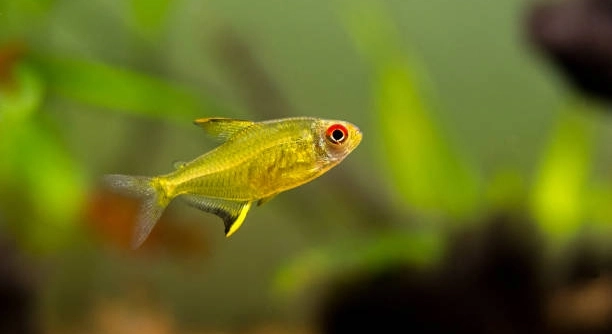
Lemon tetras are small, vibrant fish that brighten any aquarium with their yellow tones and peaceful nature. Keeping them healthy requires attention to their environment and understanding their natural instincts and behaviors within the tank.
Lemon tetras benefit from having hiding places in their aquarium. Providing shelters such as plants, caves, or decorations reduces stress, supports natural behavior, and encourages healthier interactions within the school, promoting overall well-being and stability in their habitat.
Adding these hiding spots enhances your aquarium’s environment and ensures your lemon tetras feel secure and comfortable throughout their daily activities.
Why Hiding Places Are Important
Lemon tetras are naturally skittish, and even small disturbances in the tank can stress them. Providing hiding places allows them to retreat and feel safe. Plants, driftwood, and small caves mimic their natural environment and give them areas to explore without feeling exposed. Stress can affect their health, appetite, and activity levels, so having these shelters helps maintain balance. Observing my tetras, I noticed that they spend a surprising amount of time near these areas, especially after the tank light turns on or when other fish swim nearby. Over time, the fish become more confident and interact more with each other, swimming freely in open areas when they feel secure. The tank feels calmer overall, and maintaining regular feeding and cleaning routines becomes easier because the fish are less stressed. These hiding spots also support breeding behavior, as tetras prefer sheltered areas for laying eggs, ensuring a safer environment for young fish.
Providing these spaces reduces stress and promotes natural behaviors, keeping lemon tetras healthy and active in their environment.
Having hiding spots also encourages exploration. Fish can move between open areas and shelters, making their tank more engaging and balanced for daily activity and rest periods.
Types of Hiding Places
Plants are one of the simplest ways to create shelters in an aquarium. Tall stem plants, broad-leafed varieties, and floating plants give tetras places to swim through and hide. Driftwood and rock formations provide additional cover and create natural boundaries in the tank. Some aquarists use small ceramic caves or ornaments to offer secure spots for the fish, which is especially useful in smaller tanks where plants alone might not suffice. Layering decorations with plants and rocks can create varied spaces, allowing tetras to choose where they feel safest. Personally, I prefer a mix of live and artificial plants, as it gives the tank structure while reducing maintenance. Observing my tetras, they often rest near shaded areas under plants during the day and explore open areas when feeding. Combining hiding spots with open swimming areas helps balance security and activity. These setups improve overall tank aesthetics while meeting the fish’s natural needs, creating a healthier, more dynamic environment for them to thrive.
Small caves, driftwood, and thick plants create safe zones, helping tetras feel secure while reducing aggressive encounters and stress.
The placement of hiding spots matters for both comfort and interaction. Position shelters in corners, along tank edges, or near filtration systems to give fish options. Avoid overcrowding the tank, as excessive cover can limit swimming space and water circulation. Ensure hiding spots are stable to prevent injuries if fish swim quickly around decorations. Observing fish behavior helps identify preferred areas and adjust placements accordingly. Additionally, consider layering different types of shelters to create both visual depth and functional safety. By monitoring activity, it becomes easier to understand their preferences, adjusting the tank layout for optimal balance between security and freedom. Properly arranged hiding places can enhance social dynamics, encourage natural schooling behavior, and reduce stress-related illness. A thoughtful setup supports overall health, breeding, and long-term happiness, making the aquarium more enjoyable to maintain while benefiting the fish.
Positioning Hiding Places
Placing hiding spots near the edges of the tank helps tetras feel safe without blocking open swimming areas. Corners and behind decorations are ideal locations, giving fish multiple retreat options while maintaining visibility in the tank.
I arrange plants and rocks along the back and sides of my tank to create secure areas without crowding. Floating plants add overhead cover, giving tetras comfort from bright lights. Observing my fish, they often dart between these areas when startled, then return to open spaces when calm. Keeping paths clear allows them to swim freely while still having retreats. Adjusting placement gradually lets them adapt without causing stress, maintaining a balanced and healthy environment.
Placement also affects social behavior. Hiding spots spaced properly reduce conflicts, as fish have their own spaces. Dense clusters in one area can cause competition, while evenly spread shelters allow more peaceful interactions.
Maintenance of Hiding Places
Hiding spots need regular cleaning to prevent algae, debris, and buildup from affecting water quality. Plants should be trimmed, and decorations rinsed gently to maintain hygiene without harming beneficial bacteria.
I clean driftwood and ceramic caves weekly, removing accumulated waste and algae. Live plants are pruned to prevent overcrowding, which could reduce swimming space or trap detritus. Avoid harsh chemicals; using water from the tank for rinsing preserves helpful microorganisms. By keeping hiding places clean, the tank remains visually appealing and healthy for the tetras. Observing the tank after cleaning, fish often explore more confidently, showing that clean shelters improve comfort. Proper maintenance also prevents bad odors and reduces risk of disease, keeping the aquarium balanced and thriving for all inhabitants.
Material Choices
Natural materials like driftwood and rocks feel more comfortable for lemon tetras. They mimic riverbeds and provide texture for hiding and exploration.
Artificial decorations can also work if smooth and non-toxic. Avoid sharp edges that might injure delicate fins or scales.
Light and Cover
Providing shaded areas with floating plants or overhangs helps tetras avoid direct, harsh lighting. Soft lighting enhances their natural colors and reduces stress. Observing my tank, I noticed fish spend more time exploring when they have gradual transitions between light and shade. Adjusting light intensity and positioning plants strategically creates a calm environment where tetras feel safe, encouraging normal schooling and feeding behavior. Proper light and cover balance prevents hiding areas from being overused, ensuring fish remain active and confident in the tank, benefiting both their health and the visual appeal of the aquarium.
Seasonal Changes
Plants and decorations may need repositioning as light or water conditions change. Tetras rely on consistent cover to feel secure.
Fish Interaction
Hiding spots reduce aggression and territorial disputes. Lemon tetras become more peaceful and social when shelters are available for all fish.
FAQ
Do lemon tetras need hiding places even in a small tank?
Yes, even in a small tank, hiding spots are essential. Limited space can make tetras feel exposed, increasing stress. Small caves, plants, or decorations give them retreat areas without overcrowding. In my tank, I noticed that adding just a few small shelters reduced sudden darting and nervous swimming significantly. Proper placement along the edges ensures the tank remains open while giving them comfort and security.
Can too many hiding places be harmful?
Excessive hiding spots can restrict swimming space and water flow. Lemon tetras are active swimmers and need open areas for schooling. I once added too many decorations, and fish avoided certain sections entirely. Keeping a balance between open space and shelters ensures activity without causing stress or territorial disputes.
What types of plants work best as hiding places?
Tall stem plants, broad-leafed varieties, and floating plants are ideal. They provide vertical and overhead cover, letting tetras feel safe while swimming freely. In my tank, floating plants were especially useful for shading during strong light periods. Artificial plants work too, but they must be smooth and free of sharp edges.
Are caves or ornaments better than plants?
Both are beneficial. Caves and ceramic ornaments provide solid, stable shelter, which is especially helpful during breeding or when tetras feel threatened. Plants create natural cover and promote exploration. I prefer combining both types, as fish use plants for partial cover and caves for complete retreat when needed.
How should hiding places be positioned?
Edges and corners are most effective, keeping the center open for swimming. Floating plants or overhangs provide shade from strong light. I place driftwood along the back and corners, with plants near the surface, giving fish multiple layers of security. Observing their movement helps refine placement over time.
Do hiding places affect social behavior?
Yes, they reduce aggression and support schooling. Tetras can retreat without confrontation, decreasing stress-related illness. In my tank, conflicts between new and established fish decreased noticeably after adding several shelters evenly across the aquarium. Proper spacing allows fish to establish personal space while still interacting naturally.
How often should hiding places be cleaned?
Weekly or biweekly cleaning is ideal. Rinse driftwood, rocks, and ornaments gently, and trim live plants to prevent overgrowth. Avoid harsh chemicals; using water from the tank preserves beneficial bacteria. Clean shelters improve water quality and encourage confident swimming. After cleaning, my tetras immediately explored spaces they had previously avoided.
Do lemon tetras use hiding places for breeding?
Yes, tetras prefer sheltered areas for egg-laying. Dense plants or small caves give females privacy and reduce stress. In my experience, providing these spaces increases the likelihood of breeding behavior and protects eggs from disturbance, supporting a healthier and more natural reproduction process.
Can hiding places reduce stress for all types of fish in the tank?
While lemon tetras benefit the most, most small, peaceful species also feel safer with shelters. Hiding spots reduce sudden aggressive interactions and provide a sense of security. In mixed tanks, observing fish using different areas helps adjust placement to meet everyone’s needs.
How can I tell if my hiding spots are effective?
Fish should explore freely while using shelters when needed. If tetras dart constantly, hide excessively, or avoid certain areas, the setup may need adjustment. In my tank, adding a combination of vertical plants, driftwood, and caves improved confidence and reduced erratic behavior, signaling that the hiding spots were effective.
Are artificial hiding places as good as natural ones?
Yes, if they are smooth, non-toxic, and stable. Driftwood and live plants mimic natural environments, but artificial caves or plants provide consistent shelter with less maintenance. I often mix both, giving tetras multiple types of retreat options while keeping cleaning manageable.
Can hiding places improve overall tank health?
Indirectly, yes. Reduced stress lowers susceptibility to disease, encourages feeding, and supports normal behavior. My tetras became more active and less skittish after shelters were added, showing that proper hiding places positively influence overall well-being and the tank’s stability.
Do all tetras use hiding places the same way?
Not always. Some fish are bolder and explore more, while others remain cautious. Observing individual behavior helps determine if adjustments are needed. In my tank, shy tetras often lingered near caves, while confident ones patrolled open areas, demonstrating how shelters accommodate varying personalities.
Can hiding places affect water quality?
Yes, debris and waste can accumulate around dense plants or decorations. Regular cleaning is necessary to prevent buildup and maintain oxygen flow. In my experience, neglecting cleaning led to cloudy water, but careful maintenance kept both water quality and fish health stable.
Do lemon tetras use hiding places during the day and night?
Mostly during the day or under strong light. At night, they rest in open or semi-sheltered areas. I noticed that floating plants and overhangs are especially popular during daylight, giving them shade and security while remaining visible in the tank.
Should hiding places be adjusted over time?
Yes, as fish grow or behavior changes, repositioning shelters may be necessary. Observing interactions and swimming patterns guides placement adjustments. In my tank, moving a few plants and caves slightly improved activity and reduced occasional skittishness, showing that dynamic arrangements benefit tetras.
Can hiding places prevent illness?
They don’t prevent disease directly, but reducing stress improves immunity and overall health. Stressed tetras are more prone to infections. In my experience, providing ample cover reduced frantic behavior, which in turn contributed to healthier, more resilient fish.
Is it better to have multiple small hiding spots or a few large ones?
Multiple small hiding spots spread across the tank are more effective. They give all fish options without creating competition. In my setup, spreading several small caves and plant clusters allowed shy tetras to find comfort without dominating any single area, promoting balance and reducing stress.
Do tetras prefer natural over artificial shelters?
Preference varies. Some use natural driftwood or live plants more frequently, while others are comfortable with artificial caves. Combining both types gives tetras flexibility, and I observed that having options led to less crowding and healthier social interactions.
How can I encourage tetras to use hiding places?
Place shelters in areas where fish spend the most time and near light transitions. Avoid overcrowding and ensure decorations are stable. In my tank, gradually introducing new plants or caves encouraged exploration and consistent use of shelters, improving overall confidence and comfort.
Do hiding places help during tank maintenance?
Yes, they provide fish safe spots away from cleaning activity, reducing stress and risk of injury. My tetras retreat into plants or caves while I clean, then resume normal behavior afterward, making maintenance smoother and less stressful for both fish and caretaker.
Can hiding places affect feeding behavior?
Indirectly, yes. Confident fish in secure environments feed more actively. I noticed my tetras became more consistent in eating after adding shelters, as they felt safer swimming in open areas to reach food without constant stress.
Are there any hiding spots to avoid?
Avoid sharp, unstable, or toxic materials. Broken shells, sharp rocks, or untreated wood can injure fish or release harmful substances. I always inspect decorations before adding them, ensuring safety while maintaining effective cover for my tetras.
Do tetras interact with each other inside hiding places?
Yes, they often swim in pairs or small groups in sheltered areas. Watching my tank, shy fish used plants together while bolder fish patrolled nearby, showing that hiding spots support both security and social behavior naturally.
How do hiding places affect tank aesthetics?
Well-placed shelters enhance the look of the tank while serving a functional purpose. Layering plants, driftwood, and small caves creates depth and interest. I enjoy arranging these spaces so the tank looks natural, while also observing fish behavior improve with each adjustment.
Can I use hiding places for breeding purposes?
Absolutely. Dense plants and small caves create safe environments for laying eggs. In my experience, females prefer sheltered areas, which reduces stress and increases egg survival rates, supporting natural reproductive behavior and healthy fry development.
How do I know if my tetras are comfortable with the hiding spots?
Comfortable tetras explore the tank, use shelters selectively, and interact normally with other fish. In my tank, observing swimming patterns and retreat behavior helps me assess whether adjustments are needed to maximize comfort and reduce stress.
Are hiding places necessary for all sizes of lemon tetras?
Yes, juveniles and adults both benefit. Small tetras feel exposed without cover, while adults use shelters for stress reduction, social interaction, and breeding. In my tank, providing consistent hiding spots ensures all age groups thrive.
Do hiding places require special care during water changes?
No special care is needed, but ensure decorations remain stable and plants are not uprooted. During my weekly water changes, I gently move plants or ornaments to maintain placement and prevent disruption to fish routines.
Can hiding places affect water circulation?
If overcrowded, they can disrupt flow, impacting filtration and oxygen levels. I space decorations to maintain clear paths, ensuring proper water movement while providing secure areas for tetras. Balanced placement prevents stagnation and supports overall tank health.
Do tetras prefer horizontal or vertical cover?
Both types are useful. Vertical plants provide shelter and visual barriers, while horizontal surfaces, like driftwood overhangs, give shade and resting spots. I arrange a mix to create layered security, letting fish choose according to preference and activity level.
How often should I change hiding places?
Frequent changes are unnecessary. Adjust only if fish behavior indicates discomfort, tank layout changes, or plants grow too dense. In my tank, subtle adjustments over months improved activity without causing stress, showing that stability with occasional updates works best.
Can hiding places improve fish confidence?
Yes, secure shelters allow tetras to explore open areas without fear. In my tank, adding multiple retreats made fish bolder, swimming freely during feeding and interacting naturally, which improved their overall health and reduced stress-related behaviors.
Are there alternatives to plants and caves for hiding?
Yes, smooth stones, PVC tubes, or artificial structures can work if safe and stable. I’ve used small PVC tubes creatively, giving shy fish options for retreat while keeping the tank visually clean and functional.
Do hiding places help during tank transport or relocation?
Yes, having familiar shelters reduces stress when moving fish. Covering or moving plants and caves with the tetras helps them adjust more quickly to a new environment, as I observed during a recent tank rearrangement.
Can hiding places prevent bullying from other fish?
Yes, shelters allow weaker or smaller tetras to escape dominant fish. Proper spacing ensures all fish have retreat options, which reduces stress and aggressive encounters. In my tank, this minimized chasing and created a calmer social environment.
Do lemon tetras use hiding places differently in groups?
Group behavior affects usage. Schooling tetras often move together near cover, while individuals may linger inside shelters alone. Observing my tank, I noticed that shy tetras consistently paired up in plants, while confident ones explored more openly.
Is it necessary to have hiding places at all tank levels?
Yes, top, middle, and bottom coverage provides options for all behaviors. Floating plants protect from light, mid-level plants give partial cover, and bottom caves or driftwood provide full shelter. I arrange layers to meet tetras’ needs at each level of the tank.
Do hiding places influence feeding hierarchy?
Indirectly. Shelters reduce stress and allow timid fish to access food without interference from dominant ones. In my tank, shy tetras fed more consistently after adding multiple hiding spots, promoting fairer food distribution and overall health.
Are hiding places more important in community tanks?
Yes, in mixed-species tanks, shelters prevent aggression and give lemon tetras a sense of security. Observing interactions, I noticed tetras were less stressed and more confident when multiple retreat options were available, benefiting both their health and tank harmony.
Can hiding places affect water parameters?
Only if they trap debris or restrict flow. Regular cleaning and careful placement prevent stagnant areas, keeping oxygen, filtration, and overall water quality stable. In my experience, well-maintained shelters do not negatively impact tank conditions.
Do hiding places influence nocturnal behavior?
Mostly during daylight, tetras use shelters to avoid bright light. At night, they rest more openly but still may retreat if disturbed. In my tank, floating plants provide shade during the day, while open areas at night allow peaceful resting without hiding.
Should hiding places be adjusted for tank size?
Yes, smaller tanks need fewer, compact shelters to prevent overcrowding, while larger tanks can accommodate multiple spots without limiting swimming space. I arrange decorations proportionally, ensuring tetras have security without restricting activity or schooling.
Can hiding places reduce fin damage?
Yes, providing safe areas prevents fish from darting into walls or decorations out of fear. In my tank, fins stayed healthier after introducing smooth, stable shelters, reducing injuries from collisions during active swimming.
Do hiding places need to be natural-looking?
Not necessarily, but natural-looking structures create a calmer environment and mimic the fish’s habitat. I mix realistic and functional designs, which maintains visual appeal while meeting tetras’ behavioral needs.
Are hiding places necessary for all temperaments?
Yes, shy and bold tetras both benefit. Shelters provide timid fish a safe retreat and confident fish a sense of security, supporting overall tank balance. Observing my group, all individuals used hiding spots at some point, demonstrating their universal importance.
Can hiding places prevent overcrowding stress?
Yes, spreading shelters evenly allows fish to find personal space, reducing tension and competition. In my tank, multiple retreats minimized aggressive interactions and created a more peaceful environment, even with a full school of tetras.
Do tetras prefer open or partially enclosed hiding spots?
Both are useful. Partially enclosed spots give visual security while open areas allow for monitoring surroundings. I provide a mix, which encourages exploration while giving fish a choice of safety level depending on their mood.
How can hiding places help new tetras acclimate?
New fish feel safer when shelters are available immediately. In my experience, introducing plants and caves before adding new tetras helped them settle quickly, reducing stress and preventing erratic swimming or hiding for long periods.
Do hiding places impact aquarium decoration choices?
Yes, functional and aesthetic considerations must balance. Decorations should provide cover while maintaining swimming space and water flow. I plan layouts carefully, mixing natural and artificial elements for both beauty and practicality.
Can hiding places improve observation of natural behavior?
Yes, they encourage normal activities like schooling, resting, and exploring. Watching my tetras, I saw more confident swimming patterns and reduced stress behaviors once shelters were properly arranged, giving insight into their natural instincts.
Are hiding places useful during tank lighting changes?
Yes, transitional shelters like floating plants help tetras adjust gradually to brighter or dimmer conditions. I noticed less startle response during morning light periods after adding adequate cover.
Do hiding places need to be anchored?
Yes, stability prevents injuries. Driftwood, rocks, and ornaments should be secured to avoid tipping when fish swim quickly. I always check that decorations are firmly in place, which keeps both fish and tank safe.
Can hiding places affect schooling behavior?
Yes, safe retreats allow confident schooling without disruption from stress. In my tank, tetras maintained tighter formations while exploring open areas, returning to shelters when feeling vulnerable, supporting natural group dynamics.
Are hiding places beneficial for all tank sizes?
Yes, they improve security and reduce stress in both small and large tanks. Proportional placement ensures tetras can explore while always having a retreat, which is essential regardless of tank dimensions.
Do tetras need hiding places if tank has low light?
Yes, even with subdued lighting, shelters provide security and resting spots. I observed that fish still use plants and caves under low light, indicating the importance of cover beyond light protection.
Can hiding places influence color vibrancy?
Indirectly, yes. Less stressed tetras show brighter colors. In my tank, fish near ample shelters appeared more vivid and active, reflecting improved comfort and well-being.
Are hiding places required for feeding fry?
Yes, shelters give fry protection from adults and create areas for resting. In my experience, fry survival improved when plants and small caves were present, ensuring safer development and better growth rates.
Do hiding places affect filtration efficiency?
Only if overcrowded or blocking flow. Properly spaced decorations maintain circulation and oxygenation. I always leave gaps between shelters to ensure filtration works effectively without compromising fish safety.
Can hiding places reduce aggressive chasing?
Yes, shelters let weaker or shy tetras escape, decreasing stress and dominance issues. In my tank, adding multiple retreats reduced chasing incidents significantly, promoting a calmer environment.
Do lemon tetras require hiding places for nighttime security?
Mostly for daytime, but some fish retreat at night if disturbed. Floating plants and caves offer optional nighttime cover, which helps maintain a sense of safety throughout all hours.
Are hiding places necessary for juvenile tetras?
Yes, young tetras feel more exposed and benefit from shelters for resting and acclimation. In my tank, providing small plants and caves helped juveniles grow confidently alongside adults.
Do hiding places impact overall tank maintenance?
Yes, they require periodic cleaning, pruning, and monitoring. While they add minor work, the benefits for fish health, behavior, and stress reduction outweigh maintenance efforts. In my experience, clean and well-placed shelters simplify routine care rather than complicate it.
Can hiding places prevent overactive swimming?
Yes, having retreats lets tetras rest and reduces frantic movements. Observing my fish, providing ample cover led to calmer swimming patterns and better energy balance throughout the day.
Do hiding places influence tank temperature comfort?
Indirectly. Shelters offer shaded, cooler spots under strong lights. I noticed tetras prefer areas under plants or driftwood during warmer periods, showing that hiding places help regulate micro-environment comfort.
Are hiding places important for stressed or sick fish?
Yes, they give vulnerable fish a secure retreat. Sick tetras often hide until recovery, and proper shelters allow them to rest without additional stress, improving recovery outcomes in my tank.
Do hiding places need to be uniform in shape or size?
No, variation is better. Different sizes and shapes cater to varying personalities and preferences. In my tank, mixing tall plants, broad leaves, and small caves ensured all tetras had suitable options for security and comfort.
Can hiding places be moved frequently?
Occasional adjustments are fine, but frequent changes can stress fish. I move shelters gradually when needed, monitoring behavior to ensure comfort is maintained while improving tank layout.
Are hiding places necessary if tetras are only kept with peaceful species?
Yes, even peaceful companions can cause occasional stress. Shelters provide consistent comfort and allow tetras to retreat when feeling uneasy, maintaining stability and health in the tank.
Do hiding places affect aquarium aesthetics?
Yes, but they can enhance it if arranged naturally. I enjoy blending plants
Lemon tetras are small, delicate fish that thrive in environments where they feel safe. Providing hiding places in the tank is essential for reducing stress, encouraging natural behaviors, and supporting overall health. Plants, driftwood, and small caves all serve as effective shelters, allowing fish to retreat when they feel threatened or shy. Over time, I have noticed that tanks with well-placed hiding spots show calmer, more confident fish. They swim freely, interact normally with other fish, and exhibit less erratic behavior. Even in smaller tanks, a few well-chosen shelters make a noticeable difference in comfort and activity levels. Proper placement along tank edges, corners, or near light sources ensures that hiding areas do not crowd open swimming space while still providing security. Observing my tetras over time, it is clear that these areas are not just decorative but play a critical role in their well-being.
The materials used for hiding places are also important. Natural elements such as driftwood and live plants provide texture and a familiar environment that lemon tetras can explore. Smooth, non-toxic artificial caves or plants can also be effective if they are stable and free from sharp edges. A combination of different types of shelters tends to work best, as it caters to different preferences and behaviors within the group. Floating plants provide overhead cover, tall stem plants create vertical barriers, and small caves or rocks give fully enclosed retreats. Over time, I have found that a mix of options allows all fish to find comfort in their own way. Additionally, maintaining cleanliness and stability of hiding spots is essential. Algae, debris, and overgrown plants can affect water quality and stress levels, so regular care ensures that shelters continue to benefit the fish.
Finally, hiding places affect more than just stress reduction. They influence social interactions, feeding behavior, and even breeding. Fish are less likely to compete aggressively when shelters are evenly distributed, and shy individuals have safe areas to rest while more confident fish explore open swimming spaces. Properly placed shelters also allow juveniles to grow alongside adults without constant exposure to threats. Over the years, I have observed that tanks with well-maintained hiding places produce healthier, more active, and more vibrant tetras. Even simple adjustments, like adding a few additional plants or moving a cave slightly, can have a noticeable impact on comfort and behavior. In essence, providing hiding spots is not just a matter of decoration but a critical part of creating a balanced, secure, and enriching environment that supports the long-term health and happiness of lemon tetras.

Hello,
If you enjoy the content that we create, please consider saying a "Thank You!" by leaving a tip.
Every little bit helps us continue crafting quality advice that supports the health, happiness, and well-being of pets around the world, for pets of all shapes, sizes, and species.
We really appreciate the kindness and support that you show us!