
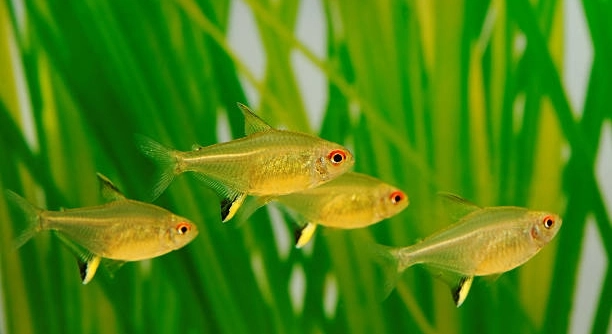
Lemon tetras are small, vibrant fish that bring life to any freshwater aquarium. Watching their behaviors closely can reveal important cues about their health and readiness to reproduce. Understanding these signs helps ensure successful breeding and care.
Lemon tetras typically show readiness to spawn through changes in coloration, increased activity, and specific pairing behaviors. Males often display brighter yellow hues, chase females gently, and engage in courtship displays near plants or spawning sites.
Observing these subtle signs allows you to prepare the tank environment properly for healthy fry development. Paying attention now ensures a smoother breeding experience.
Preparing the Tank for Spawning
Before lemon tetras are ready to spawn, the tank setup plays a crucial role. Ensure the water is clean and slightly acidic, ideally between 6.0 and 6.5 pH. A temperature around 78°F encourages natural spawning behavior. Include fine-leaved plants or spawning mops, as these provide safe places for eggs to attach. Gentle filtration prevents strong currents that could disturb the eggs. Performing partial water changes beforehand helps maintain optimal conditions. Avoid sudden changes in light or water parameters, as these can stress the fish. Proper spacing between males and females also helps reduce aggression and encourages natural courtship.
Keeping the tank stable and well-planted increases the chances of successful egg laying and reduces stress on your tetras.
Consistent maintenance is key. Regularly monitor water parameters and observe fish behavior. Remove aggressive tank mates temporarily if necessary. Providing live or frozen food boosts their energy and readiness. These careful steps create a safe environment, giving lemon tetras confidence to spawn naturally without interference.
Identifying Male and Female Lemon Tetras
Males are slightly slimmer and more brightly colored than females, who appear rounder, especially when carrying eggs.
Understanding these physical differences ensures correct pairing, which is critical for successful spawning. Properly identifying males and females reduces stress and prevents unsuccessful breeding attempts.
Females may become noticeably plumper as eggs develop, while males display more vibrant yellow tones and engage in active chasing behavior. Observing their interactions over time reveals compatible pairs, increasing the likelihood of spawning. Avoid overcrowding, as competition can stress both sexes and hinder egg production. Maintaining a peaceful environment allows natural courtship to occur, helping the fish feel secure. Selecting healthy, mature individuals enhances fertility and reduces the risk of disease or failed attempts, making the breeding process smoother and more predictable.
Observing Spawning Behavior
Males often circle females and nudge them gently near plants or spawning areas. Quick flashes of bright yellow indicate heightened readiness, while females may pause near plants, signaling potential egg-laying spots.
During courtship, males display constant movement, chasing and circling females while showing their brightest colors. Females respond by positioning themselves near fine-leaved plants or spawning mops. Eggs are usually scattered individually rather than in clusters. Observing these behaviors consistently over a few days helps confirm that the pair is ready. Limiting tank disturbances during this period ensures the fish feel secure and encourages natural spawning without stress or interference from other tank mates.
Water quality is crucial during this time. Frequent monitoring and small water changes maintain stable parameters, preventing stress that could halt spawning. Feeding high-protein foods like live or frozen brine shrimp gives energy to both males and females, supporting reproductive readiness. These combined steps create ideal conditions for lemon tetras to reproduce successfully and safely.
Caring for Eggs and Fry
Eggs are tiny and delicate, usually attaching to plants or mops within hours of being laid. Immediate attention helps ensure their survival.
Remove adult tetras from the tank after spawning to prevent them from eating eggs. Keep the water clean and slightly acidic, with minimal light exposure. Eggs typically hatch in 24 to 36 hours. Once hatched, fry are extremely small and require microscopic food, such as infusoria or specialized liquid fry food. Gradually, as they grow, introduce newly hatched brine shrimp or finely crushed flakes to support healthy development.
Maintaining consistent water conditions is essential for the survival of fry. Avoid sudden temperature fluctuations or strong currents. Feeding small amounts multiple times a day ensures proper growth and reduces the risk of food fouling the water. Monitor the fry’s development closely, removing any debris or uneaten food to prevent fungal growth. Over the following weeks, as fry strengthen, provide slightly larger food portions, allowing them to grow steadily. This careful management increases survival rates and sets the stage for healthy juvenile lemon tetras.
Timing and Frequency of Spawning
Lemon tetras tend to spawn more frequently in well-maintained tanks with stable water conditions. Peaks often occur in the morning when the light gradually increases, signaling a natural rhythm.
Pairs can spawn multiple times over several weeks if conditions remain optimal. Frequent observation helps track when eggs are laid and allows for timely tank adjustments to support each batch’s survival.
Feeding for Spawning Readiness
Providing high-quality, protein-rich foods increases energy levels and encourages reproductive behavior. Live foods such as brine shrimp, daphnia, and finely chopped bloodworms are particularly effective. Regular feeding with a variety of these foods ensures both males and females develop the strength needed for successful spawning. Consistency is important, as sudden changes in diet or overfeeding can stress the fish and reduce spawning chances. Maintaining this feeding routine for several weeks helps prepare the tetras physically and behaviorally, promoting natural courtship and increasing the likelihood of healthy eggs and fry.
Maintaining Water Quality
Frequent monitoring of temperature, pH, and ammonia levels ensures eggs and fry remain healthy.
FAQ
How do I know when my lemon tetras are ready to spawn?
Lemon tetras show readiness through color changes, behavior, and body shape. Males become brighter yellow and actively chase females. Females appear rounder when carrying eggs. They often hover near plants or spawning mops. Watching these behaviors consistently over several days confirms their readiness.
How often can lemon tetras spawn?
If water conditions are stable and the tank is well-maintained, lemon tetras can spawn multiple times over a few weeks. They usually spawn in the morning, following natural light patterns. Frequent observation helps track eggs and allows timely adjustments to support survival of each batch.
Do I need special plants for spawning?
Yes, fine-leaved plants or spawning mops are essential. Eggs attach to these surfaces, giving them protection from adults and other tank disturbances. Plants also provide hiding spaces for fry once they hatch, which increases survival rates.
Should I separate adults after spawning?
Yes, removing adults immediately after eggs are laid prevents them from eating the eggs. Lemon tetras are not aggressive, but they may consume eggs out of instinct. Keeping adults separate ensures the highest survival chances for the fry.
What water conditions are best for spawning?
Maintain slightly acidic water with pH between 6.0 and 6.5 and a temperature around 78°F. Stable parameters are critical; sudden changes can stress the fish and prevent spawning. Gentle filtration and clean water improve overall reproductive success.
What should I feed lemon tetras to encourage spawning?
High-protein foods like live or frozen brine shrimp, daphnia, and bloodworms boost energy levels and reproductive readiness. Regular feeding over a few weeks strengthens both males and females, promoting natural courtship and higher egg production. Avoid sudden diet changes or overfeeding.
How long do eggs take to hatch?
Eggs usually hatch within 24 to 36 hours, depending on water temperature. Keep them in clean, slightly acidic water with minimal light exposure. Once hatched, fry are tiny and require microscopic foods like infusoria for their first days.
How should I care for fry?
Feed very small portions multiple times a day using liquid fry food or infusoria. As they grow, gradually introduce finely crushed flakes or newly hatched brine shrimp. Monitor water quality closely, perform small water changes, and remove uneaten food to prevent fungal growth or contamination.
Can lemon tetras spawn without live plants?
They can, but survival rates drop. Without fine-leaved plants or spawning mops, eggs may fall to the substrate and risk being eaten or contaminated. Providing suitable surfaces ensures more eggs survive and hatch successfully.
When should I know to stop feeding fry live foods?
Once fry grow large enough to consume finely crushed flakes or powdered fish food, you can gradually reduce live food. Consistent feeding and gradual transitions help fry develop steadily without causing water quality issues.
What common mistakes prevent successful spawning?
The most common issues include unstable water conditions, overcrowding, insufficient hiding spots, and sudden changes in light or temperature. Overfeeding or underfeeding can also stress fish. Observing behavior, maintaining stable water, and providing proper nutrition are key to success.
How long does it take for fry to become juvenile tetras?
Fry generally grow into small juvenile tetras over 4 to 6 weeks with proper feeding and water care. At this stage, they resemble adult lemon tetras in shape and coloration but are still smaller and more delicate.
Do adult lemon tetras need special care after spawning?
After spawning, adults should be returned to the main tank with stable conditions. Maintain regular feeding and monitor health. They do not require extra care beyond what they already receive in a healthy aquarium, but avoid stressing them with sudden changes.
Is it necessary to monitor the fry constantly?
Yes, frequent observation helps catch problems early, such as fungal growth on eggs, weak fry, or water quality issues. Removing uneaten food, adjusting filtration gently, and keeping water stable ensures the fry develop healthily.
Can lemon tetras spawn in a community tank?
Yes, but risks increase. Eggs may be eaten by other species or even by the adults. If possible, use a separate breeding tank with proper hiding spots and controlled conditions for better survival.
How long do lemon tetras live?
With proper care, lemon tetras live around 3 to 5 years. Good water quality, consistent feeding, and minimal stress contribute to longevity and reproductive health.
What is the best way to track successful spawning?
Observe egg attachment to plants, watch for hatching within 24–36 hours, and monitor fry growth. Keeping notes on water conditions, feeding, and behavior helps improve future spawning attempts.
Can temperature changes trigger spawning?
Slight, gradual increases in temperature may encourage spawning, mimicking natural seasonal changes. Avoid sudden spikes, as these can stress fish and reduce reproductive success. Stable, warm water is preferable.
How do I prevent fungal infections on eggs?
Keep water clean, avoid overcrowding, and remove any debris. Some breeders add a small amount of antifungal solution or methylene blue, but gentle water management and separation from adults usually suffice.
Are there signs that spawning has failed?
If eggs become cloudy, develop fungus, or are eaten by adults, spawning may have failed. Fry that do not move or grow indicate problems. Adjust water quality, feeding, and tank setup for better results next time.
Can I breed multiple pairs together?
It’s possible, but increases stress and competition. Separate pairs in smaller tanks for higher success rates. Multiple pairs may fight, eat eggs, or interfere with each other’s courtship.
How do I know when fry are ready for the main tank?
Once fry reach juvenile size, are strong swimmers, and can eat standard fish food, they can be gradually introduced to the main tank. Ensure no large or aggressive fish are present to prevent predation.
What is the ideal lighting for spawning and fry growth?
Moderate lighting that mimics natural day-night cycles works best. Too much light may stress adults, while too little can affect fry development. Gradual transitions support natural behavior and growth patterns.
How important is water hardness?
Soft water, slightly acidic to neutral, favors egg development and fry health. Hard water can reduce fertility and affect fry survival. Maintaining proper parameters ensures successful spawning and strong fry growth.
Do lemon tetras need extra vitamins or supplements?
High-quality foods usually provide sufficient nutrition. Occasional supplementation with liquid vitamins or enriched live food may improve breeding readiness but is not strictly necessary if diet is balanced.
What signs indicate fry are healthy?
Active swimming, clear coloration, and consistent growth indicate healthy fry. Weak movement, discoloration, or slow growth signals potential water quality or feeding issues. Early intervention improves survival chances.
Can stress prevent spawning?
Yes, stress from overcrowding, poor water quality, sudden light changes, or aggressive tank mates can prevent spawning entirely. Maintaining a calm, stable environment encourages natural reproductive behavior.
How long should I leave eggs in the breeding tank before adults return?
Remove adults immediately after eggs are laid. Keep eggs and fry isolated until they are strong enough to swim freely and avoid predation. This usually takes 5–7 days for fry to become more independent.
Are there any seasonal effects in a home aquarium?
While seasonal cues are less pronounced indoors, mimicking natural temperature and light cycles can help trigger spawning. Gradual adjustments create a more natural environment for reproductive behavior.
What is the survival rate of lemon tetra fry?
Survival depends on tank conditions, feeding, and protection from adults. With careful care, up to 80–90% can survive the first few weeks, but in less optimal conditions, rates drop significantly.
Do I need to count eggs?
Counting eggs is optional. Focus on their condition, attachment to plants, and hatching progress. Healthy eggs that develop properly will hatch without exact counts, reducing unnecessary stress on the tank.
How long does the entire spawning process take?
From courtship to egg laying, hatching, and initial fry growth, the process usually spans 1–2 weeks. Close monitoring ensures each stage proceeds smoothly and supports healthy fry development.
Can I use a community tank setup for fry growth?
Small fry should remain separate until strong enough to avoid predation. After several weeks, once juvenile size is reached, gradual introduction to a community tank is safe if aggressive fish are absent.
How do I maintain consistency in breeding success?
Keep stable water conditions, feed high-protein foods, provide proper plants, and monitor behavior. Observing and adjusting the environment based on fish needs ensures repeated, successful spawning attempts over time.
What is the best method to clean the breeding tank?
Use gentle water changes, remove debris carefully, and avoid disturbing eggs or fry. Avoid strong filtration or cleaning chemicals that could harm delicate fry. Regular small adjustments maintain water quality without stress.
How do I know if males are showing courtship behaviors correctly?
Active chasing, circling females, and bright yellow coloration indicate proper courtship. Lack of these behaviors may signal stress, poor health, or environmental issues that need correction.
How much space do lemon tetras need for spawning?
A minimum of 10 gallons per pair is recommended, with adequate plant coverage. Overcrowding increases stress and reduces egg survival. Proper spacing allows natural courtship and reduces aggressive interactions.
Can I use artificial plants for spawning?
Yes, fine-leaved synthetic plants or spawning mops work well. Ensure they are clean and safe for eggs. They provide necessary attachment points while avoiding issues like algae or pests.
Are there any signs of overfeeding during spawning?
Yes, excess food can foul water and reduce oxygen levels, stressing adults and fry. Feed small portions frequently, adjusting as needed to maintain clean, nutrient-rich conditions.
Do lemon tetras require dim lighting for egg hatching?
Dim or moderate lighting reduces stress on eggs and fry. Avoid bright, direct light, which can harm delicate eggs or trigger excessive movement in fry, reducing survival rates.
How long before fry can eat regular fish food?
Once fry are about 2–3 weeks old and strong enough to grasp finely crushed flakes or micro pellets, you can gradually transition from microscopic foods. Monitor growth and adjust feeding amounts as they develop.
Can poor water circulation affect spawning?
Yes, strong currents can dislodge eggs or stress fish. Gentle filtration and minimal flow create safe conditions for egg attachment and fry development.
How often should I check water parameters during spawning?
Daily checks for pH, temperature, and ammonia help maintain stable conditions. Frequent monitoring allows quick correction of any changes that could harm eggs or fry.
What should I do if eggs don’t hatch?
Check water conditions, remove adults, and ensure eggs are healthy. Cloudy or fungus-covered eggs may need to be removed to prevent contamination. Adjusting conditions can improve outcomes for the next batch.
How long does it take for fry to become independent swimmers?
Fry generally begin swimming freely after 3–5 days, depending on water temperature and food availability. Early monitoring ensures they have access to appropriate nutrition and safe spaces for growth.
Can lemon tetras spawn in soft versus hard water?
Soft, slightly acidic water is preferred. Hard water can reduce fertility and affect fry survival. Maintaining proper parameters ensures successful spawning and strong fry development.
Is it necessary to remove uneaten food daily?
Yes, leftover food can decompose and harm water quality. Removing it daily prevents ammonia spikes and fungal growth, which are particularly dangerous during the sensitive spawning and fry stages.
How do I prevent fry from being eaten once adults return?
Only return adults after fry reach juvenile size and can evade predation. Small fry are vulnerable, and separating them until they grow ensures higher survival rates.
Can temperature drops halt spawning completely?
Yes, sudden or prolonged drops in temperature can stop spawning. Keep water warm and stable to maintain reproductive behavior and prevent stress on adults and eggs.
How much space should fry have for proper growth?
Adequate space is essential to reduce competition and stress. A small breeding tank with plenty of hiding spots ensures fry grow steadily without being overcrowded.
What signs indicate water stress for spawning adults?
Lethargy, lack of courtship, faded coloration, and hiding indicate stress. Addressing water parameters and maintaining stable conditions encourages natural behavior.
Can I mix different tetra species for spawning?
Mixing species is not recommended. Hybridization can occur, reducing fry quality. Keeping pairs of the same species ensures predictable behavior and healthy offspring.
How long after spawning should I feed adults?
Feed adults normally, but avoid overfeeding. Maintain energy for recovery without fouling the water. Balanced nutrition supports ongoing health and future spawning potential.
Do lighting cycles affect spawning timing?
Yes, gradual increases in light in the morning mimic natural cues, encouraging spawning. Sudden changes or extreme brightness can stress fish and disrupt courtship.
Is aeration necessary for eggs and fry?
Gentle aeration is beneficial to maintain oxygen levels without disturbing eggs or fry. Too strong a current can dislodge eggs or harm fragile fry.
Can I use tank covers during spawning?
Covers help prevent jumping and reduce stress from external disturbances. Ensure airflow is adequate to maintain oxygen levels while protecting delicate eggs and fry.
How do I tell if eggs are fertilized?
Fertilized eggs are clear or slightly yellow and attached firmly to plants. Unfertilized eggs often appear opaque or cloudy and may develop fungus. Regular inspection helps identify viable eggs.
Can water hardness be adjusted quickly for spawning?
Avoid sudden changes. Gradual adjustment over days is safer. Rapid shifts in hardness can stress adults and reduce egg viability. Stable conditions are far more effective.
What is the best tank size for a pair to spawn successfully?
A minimum of 10 gallons per pair is recommended. Adequate space ensures proper courtship, reduces stress, and provides room for eggs and fry to survive safely.
How long should I observe courtship before expecting eggs?
Courtship may last several days before eggs are laid. Watch males’ chasing, circling, and color displays, along with females’ responsiveness, to anticipate successful spawning.
Are there signs of unhealthy fry?
Weak movement, slow growth, curled fins, or discoloration indicate potential problems. Early intervention with improved water quality and proper feeding increases survival chances.
Can lemon tetras spawn without a temperature increase?
Yes, they may, but a consistent warm temperature around 78°F optimizes reproductive readiness. Cooler conditions may delay or reduce spawning activity.
How soon after hatching can fry be counted or tracked?
Once fry start swimming freely and feeding reliably, usually after 3–5 days, you can track growth and numbers. Avoid disturbing eggs or very young fry before this stage.
Is it necessary to use a breeding box?
A breeding box is optional but can help protect eggs and fry from adults. Many breeders successfully use planted tanks or mops instead, which provide attachment points and hiding spaces.
Can stress from other fish prevent spawning entirely?
Yes, aggressive tank mates, overcrowding, or constant disturbance can halt courtship and egg-laying. Separation or quiet conditions improves the likelihood of successful spawning.
How can I tell if males are ready to mate after being introduced to females?
Males display bright yellow coloration, actively chase and circle females, and hover near plants. Consistent courtship behavior over several days indicates readiness.
What’s the ideal feeding schedule for fry?
Feed very small portions multiple times daily, gradually increasing amounts as they grow. Frequent, small feedings support steady growth and prevent water quality issues.
Can chemical water treatments affect spawning?
Yes, some treatments can harm eggs, fry, or stress adults. Only use safe, aquarium-specific products, and avoid unnecessary chemicals during breeding.
How do I know when fry are large enough to join the main tank?
Fry are ready when they are strong swimmers, can eat standard fish food, and can avoid potential predators. Gradually acclimate them to the main tank to reduce stress.
What common mistakes reduce egg survival?
Common errors include leaving adults with eggs, poor water quality, insufficient plants, overcrowding, and inconsistent feeding. Careful management of each factor maximizes survival rates.
How long after spawning should I perform water changes?
Small, gentle water changes can be done daily or every other day, taking care not to disturb eggs or fry. This maintains clean water and supports development.
Do fry require different water conditions than adults?
Fry prefer slightly softer, clean, and stable water. Parameters similar to adult tanks work, but maintain careful monitoring to prevent stress or contamination.
Can I use tap water for spawning and fry?
Yes, if treated properly to remove chlorine and heavy metals. Testing pH and hardness ensures safe conditions. Gradual acclimation avoids shocking eggs or fry.
How long should I wait before introducing adults back to the breeding tank?
Adults should return only after fry reach juvenile size and are strong swimmers, usually 4–6 weeks. Premature reintroduction risks predation.
Is there a specific time of day when spawning is more likely?
Early morning is often preferred, mimicking natural light cycles. Gradual increases in light help trigger spawning behavior in both males and females.
Can overcrowding affect spawning frequency?
Yes, overcrowding increases stress, reduces courtship behavior, and can lead to aggression. Providing adequate space per pair is essential for repeated successful spawning.
Do I need to separate males from females after one spawning cycle?
Not necessarily, unless adults show aggression or eggs are at risk. Separation can prevent egg predation and reduce stress during subsequent spawning attempts.
How important is tank décor for spawning success?
Fine-leaved plants, mops, and hiding spaces are critical. They allow egg attachment, protect fry, and reduce stress, promoting natural behavior and higher survival rates.
Can I breed lemon tetras in a bare tank?
Technically yes, but survival is lower. Lack of attachment surfaces increases risk of eggs being eaten or damaged. Plants or mops significantly improve outcomes.
What is the maximum number of fry that can survive in a small tank?
Survival depends on tank size, water quality, and food availability. In a 10-gallon tank, 20–30 fry can grow successfully with careful management. Overcrowding reduces growth and increases mortality.
How do I prevent fungal growth on fry?
Keep water clean, remove uneaten food, maintain proper filtration, and ensure eggs were healthy. Fungus often develops from decomposing material or poor water conditions.
How long should fry remain in the breeding tank before being moved?
Fry stay in the breeding tank until they are strong swimmers and large enough to avoid predation, usually 4–6 weeks. Careful monitoring ensures safe growth.
Lemon tetras are delicate but rewarding fish to breed when proper care is given. Paying close attention to their behavior, such as color changes, chasing, and positioning near plants, helps indicate when they are ready to spawn. Observing these natural signs over several days ensures you can prepare the tank and provide the right conditions. Setting up a suitable environment, including fine-leaved plants or spawning mops, slightly acidic water, and gentle filtration, increases the chances of eggs attaching safely and surviving the early stages. Stable water parameters, consistent temperature, and moderate lighting are also crucial for encouraging natural spawning behavior without adding stress. These steps may seem small, but they make a significant difference in achieving successful breeding.
Once eggs are laid, removing the adults protects the eggs from being eaten. Monitoring the eggs and performing careful water maintenance supports hatching within 24 to 36 hours. Fry are tiny and require microscopic food initially, gradually transitioning to finely crushed flakes or newly hatched brine shrimp as they grow. Feeding small amounts several times a day, combined with regular water checks, helps maintain their health and encourages steady growth. Over the first few weeks, providing hiding spaces and keeping water conditions consistent allows the fry to develop into strong juveniles. Maintaining patience and attention during this stage ensures the highest survival rate and sets the foundation for healthy adult fish.
Breeding lemon tetras successfully requires observation, care, and gradual adjustments to the tank environment. Overcrowding, sudden water changes, and inconsistent feeding can all reduce reproductive success and fry survival. Keeping the tank peaceful and stable allows both adults and fry to thrive, while regular monitoring helps identify and correct potential issues quickly. With proper preparation, consistent feeding, and attention to water quality, lemon tetras can spawn repeatedly and produce healthy, vibrant offspring. Understanding their natural behaviors and needs provides a straightforward approach to breeding these small, colorful fish, making the experience manageable and rewarding while ensuring the long-term health of both adults and fry in your aquarium.

Hello,
If you enjoy the content that we create, please consider saying a "Thank You!" by leaving a tip.
Every little bit helps us continue crafting quality advice that supports the health, happiness, and well-being of pets around the world, for pets of all shapes, sizes, and species.
We really appreciate the kindness and support that you show us!