
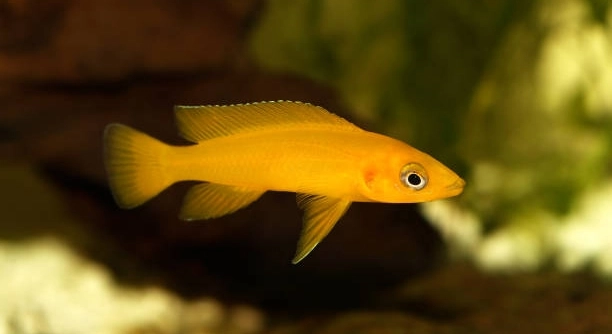
Lemon tetras are lively, small freshwater fish that brighten up any aquarium. Many owners enjoy seeing them swim actively, and feeding them properly is essential to maintaining their health and vibrant colors throughout their lives.
Lemon tetras should not be fed live foods daily. While live foods can provide essential nutrients and stimulate natural hunting behaviors, relying on them exclusively may lead to nutritional imbalances and health issues over time. A varied diet is recommended.
Balancing their meals with flakes, pellets, and occasional live foods ensures your tetras stay healthy. Knowing the right feeding approach will enhance their longevity and keep your aquarium thriving.
Benefits of Live Foods for Lemon Tetras
Live foods provide Lemon Tetras with essential nutrients that are sometimes missing from commercial flakes or pellets. Foods like brine shrimp, daphnia, and bloodworms are rich in protein, which supports growth, vibrant colors, and active behavior. Many aquarists notice their tetras become more lively and responsive during feeding when live foods are included. Live foods also stimulate natural hunting instincts, offering mental and physical activity that keeps the fish engaged. Using live foods occasionally can strengthen their immune systems and promote better overall health. Feeding small amounts ensures the tank remains clean, preventing water quality issues caused by leftover food. Incorporating live foods strategically can complement a balanced diet while reducing the risk of overfeeding and nutrient imbalance. Variety is key, as relying solely on live foods can lead to deficiencies in essential vitamins and minerals. Rotating live, frozen, and dry options creates a healthy, well-rounded feeding plan for Lemon Tetras.
Moderation is crucial when feeding live foods, as excessive amounts can affect water quality and fish health.
Understanding the benefits of live foods allows for informed choices about feeding schedules. Regular rotation with flakes or pellets ensures a balanced diet. Observing the tetras’ behavior during feeding helps gauge their preferences and activity levels. By mixing food types, you maintain their nutritional needs while encouraging natural behaviors. Over time, this approach supports their growth, immune system, and overall well-being, creating a vibrant and active aquarium community that thrives on variety and proper care.
Risks of Feeding Live Foods Daily
Daily feeding of live foods can lead to nutritional imbalances in Lemon Tetras.
Feeding live foods every day increases the risk of vitamin and mineral deficiencies, as live foods alone do not provide all necessary nutrients. Excess protein can strain the digestive system, leading to health issues like bloating or fatty liver. Daily live feeding can also impact water quality, as leftover food decomposes quickly, raising ammonia and nitrate levels that stress the fish. Over time, tetras may develop selective feeding habits, refusing flakes or pellets, which makes maintaining a balanced diet more difficult. Parasites or pathogens in live foods are another concern, as frequent exposure increases the likelihood of infection. Properly managing feeding frequency, alternating live foods with flakes or high-quality pellets, and monitoring tank conditions help prevent these risks. Using frozen or pre-treated live foods can reduce pathogen exposure while still offering the benefits of live nutrition, keeping Lemon Tetras healthy and active over the long term.
How Often to Feed Live Foods
Live foods should be offered two to three times a week. This frequency provides variety without overwhelming the fish or the tank’s ecosystem. Moderation ensures tetras receive essential nutrients while avoiding water quality problems caused by excess uneaten food.
Balancing live foods with flakes or pellets helps meet all dietary requirements. Overreliance on live foods may lead to nutrient gaps or digestive issues. By alternating feeding types, Lemon Tetras benefit from proteins, vitamins, and minerals while maintaining interest in their meals. Observing their behavior during feeding helps adjust portions and types for optimal health.
Using a rotation schedule prevents selective eating habits. Introducing new live foods occasionally encourages natural hunting instincts and keeps the tetras active. Combining small amounts of live foods with high-quality flakes or pellets ensures long-term health. Consistency in feeding routines also reduces stress and supports growth while keeping the aquarium environment stable. Proper monitoring and adjustment make the feeding strategy effective and sustainable.
Best Types of Live Foods for Lemon Tetras
Brine shrimp, daphnia, and microworms are ideal live foods for Lemon Tetras. They provide protein, stimulate activity, and are easy to source or culture at home.
Brine shrimp are highly nutritious and support color development and growth. Daphnia offers fiber that aids digestion and prevents bloating, making it a gentle option for smaller tetras. Microworms are excellent for young or newly acquired fish, providing essential nutrients without overwhelming their digestive systems. Mixing these foods ensures variety, prevents monotony, and targets multiple nutritional needs. Rotating among these options helps maintain a balanced diet and encourages natural foraging behaviors.
Frozen or pre-packaged live foods can supplement fresh options without compromising safety. These alternatives reduce the risk of introducing parasites or pathogens into the tank. Preparing and rinsing live foods before feeding minimizes contamination. Offering small, manageable portions helps maintain water quality, while careful observation ensures all tetras are eating adequately. Combining live, frozen, and prepared foods creates a reliable feeding strategy that promotes longevity, vibrant colors, and active behavior in Lemon Tetras.
Preparing Live Foods Safely
Rinsing live foods before feeding is essential to remove dirt and potential contaminants. This simple step helps protect Lemon Tetras from parasites and bacteria that could harm their health or affect water quality.
Using clean containers and fresh water for live food storage prevents spoilage. Proper handling minimizes the risk of introducing harmful pathogens into the tank, keeping the fish safe and the aquarium environment stable.
Signs of Overfeeding Live Foods
Overfeeding live foods can cause bloating, lethargy, and uneven swimming. Monitoring your tetras’ behavior ensures you adjust portions appropriately.
Uneaten food may accumulate at the bottom, leading to poor water quality and increased ammonia levels. Observing tank conditions and adjusting feeding frequency helps maintain a balanced environment, promoting healthier and more active fish.
Incorporating Frozen Live Foods
Frozen live foods offer convenience and safety, reducing the risk of parasites while retaining nutrients. They can be thawed quickly and fed in small portions.
Using frozen options ensures tetras receive protein and essential vitamins without the concerns associated with live cultures. This approach complements flakes or pellets effectively.
FAQ
Can Lemon Tetras eat live foods every day?
Lemon Tetras should not be fed live foods every day. Daily feeding can create nutritional imbalances, as live foods do not provide all essential vitamins and minerals. Overfeeding live foods can also lead to digestive issues, water quality problems, and stress. Moderation with a balanced diet is key.
What are the best live foods for Lemon Tetras?
The most suitable live foods include brine shrimp, daphnia, and microworms. Brine shrimp are rich in protein and help maintain vibrant colors. Daphnia provides fiber that aids digestion, while microworms are ideal for younger or smaller tetras. Rotating these options ensures nutritional variety and keeps the fish active.
How often should I feed live foods?
Live foods should generally be offered two to three times per week. This schedule allows tetras to benefit from protein and activity stimulation without overwhelming their digestive systems. Combining live foods with flakes or pellets ensures all dietary requirements are met and supports long-term health.
Can frozen live foods replace fresh live foods?
Frozen live foods can safely supplement or partially replace fresh live foods. They retain essential nutrients while reducing the risk of introducing parasites or bacteria. Thawing before feeding and offering small portions helps maintain water quality and ensures all fish can eat comfortably.
Will live foods improve my Lemon Tetras’ colors?
Yes, live foods can enhance coloration. The proteins and nutrients in brine shrimp and other live options contribute to brighter, more vivid colors. Consistently rotating live, frozen, and prepared foods supports overall health and makes the tetras’ colors more vibrant over time.
Can live foods cause disease?
If not properly handled, live foods can carry parasites or bacteria that may infect tetras. Rinsing live foods before feeding and sourcing them from reputable suppliers reduces this risk. Frozen alternatives further minimize exposure while still offering nutritional benefits.
How much live food should I feed at a time?
Feed only small amounts that the fish can consume in a few minutes. Excess food will decay, harming water quality and increasing ammonia and nitrate levels. Observing feeding behavior helps determine the right portion sizes for your aquarium.
Will tetras eat flakes if I feed live foods regularly?
If live foods are offered excessively, tetras may develop selective eating habits and refuse flakes or pellets. Rotating live foods with prepared options prevents this issue and ensures a balanced diet while maintaining natural foraging behaviors.
Is it safe to culture live foods at home?
Yes, home cultures of brine shrimp, microworms, or daphnia are safe if maintained hygienically. Clean containers, fresh water, and careful handling reduce the risk of contamination. Home cultures provide a convenient, reliable source of live food for regular feeding schedules.
Can live foods affect water quality?
Yes, leftover live foods can quickly decompose, raising ammonia and nitrate levels. Overfeeding or failing to remove uneaten food can stress tetras and encourage algae growth. Feeding small portions and monitoring tank conditions helps maintain a healthy environment for the fish.
Should young Lemon Tetras eat the same live foods as adults?
Juvenile tetras benefit from smaller, easier-to-eat live foods like microworms or baby brine shrimp. Adults can handle larger options like daphnia and full-grown brine shrimp. Adjusting food size ensures all fish can feed efficiently and receive proper nutrition.
Can live foods be part of a permanent diet?
Live foods should complement, not replace, flakes or pellets. A permanent diet of only live foods risks nutrient deficiencies and long-term health problems. Combining multiple food types ensures tetras receive complete nutrition while enjoying variety.
How do I store live foods safely?
Store live foods in clean containers with fresh, dechlorinated water. Maintain appropriate temperatures and avoid overcrowding. Rinse before feeding and remove uneaten portions promptly. Frozen live foods should be kept in a freezer and thawed in small batches before use.
Will live foods encourage natural behavior?
Yes, live foods stimulate hunting and foraging instincts. This activity provides mental stimulation and exercise, supporting physical health and reducing stress. Incorporating live foods strategically keeps tetras engaged and active while maintaining their natural behaviors.
Can I feed multiple types of live foods at once?
Yes, offering a mix can provide balanced nutrition and prevent monotony. Small portions of brine shrimp, daphnia, and microworms can be fed together, ensuring all fish get access. Monitoring feeding helps prevent overfeeding and maintains water quality.
Are there alternatives if live foods are unavailable?
High-quality frozen foods or enriched flakes and pellets can substitute live foods temporarily. These alternatives provide essential nutrients and protein while reducing the risk of pathogens. Rotating options ensures Lemon Tetras remain healthy even without fresh live foods.
How do I know if live foods are improving my tetras’ health?
Signs include increased activity, brighter colors, healthy growth, and reduced stress. Observing feeding behavior and overall appearance regularly helps determine whether live foods are benefiting the tetras. Adjust portions or types as needed to maintain optimal health.
Can overfeeding live foods shorten lifespan?
Chronic overfeeding can cause digestive problems, obesity, or organ stress, potentially reducing lifespan. Proper portioning, feeding frequency, and diet variety prevent these issues and support long-term health and vitality in Lemon Tetras.
Is it necessary to clean the tank after feeding live foods?
Yes, leftover food should be removed to prevent water quality issues. Regular cleaning and monitoring water parameters help maintain a stable environment, reduce stress, and promote healthier, more active fish.
How long can live foods be stored before feeding?
Most live foods should be fed within a few days of sourcing or culturing. Extended storage can reduce nutritional value and increase contamination risk. Frozen foods can last longer but should be thawed in small amounts before feeding to maintain quality and safety.
Feeding Lemon Tetras is a careful balance between providing nutrition, stimulating natural behaviors, and maintaining a healthy aquarium environment. Live foods can be a valuable addition to their diet, offering protein, essential nutrients, and mental engagement through natural hunting behaviors. However, it is important to remember that live foods alone do not provide a complete nutritional profile. Relying exclusively on live foods can lead to deficiencies, digestive issues, or selective eating habits, where tetras may refuse flakes or pellets. Incorporating live foods a few times a week, rather than daily, ensures the fish receive a variety of nutrients while also keeping them active and engaged in their environment. Moderation is key, as excessive feeding can cause water quality problems, stress, and even long-term health consequences for the fish.
A balanced approach to feeding includes a combination of high-quality flakes or pellets, occasional live foods, and frozen options if necessary. Flakes and pellets provide consistent nutrition, while live and frozen foods supplement protein and stimulate natural instincts. Rotating these types of foods keeps the fish interested in their meals and helps prevent overfeeding or nutrient imbalance. Observation is an important part of this process. By watching how your Lemon Tetras respond to different foods, you can adjust portion sizes and feeding frequency to match their needs. Ensuring that all fish in the tank have access to food without leaving excess behind helps maintain water quality and prevents stress among the school. A structured feeding routine, combined with careful monitoring, creates a stable environment where Lemon Tetras can thrive and display their natural behavior, vibrant colors, and overall health.
Maintaining proper feeding habits ultimately contributes to the long-term well-being of Lemon Tetras. Using live foods strategically, rather than as a primary diet, supports their growth, immune system, and activity levels without risking water quality or health issues. Frozen or pre-packaged live foods provide a safe alternative when fresh options are unavailable, offering convenience without compromising nutrition. Consistent cleaning of the tank, portion control, and careful observation of the fish’s behavior all reinforce a healthy feeding practice. By balancing live, frozen, and prepared foods, you can create a sustainable diet plan that keeps Lemon Tetras vibrant, active, and healthy for years. Prioritizing variety, moderation, and proper handling ensures that feeding enhances their life in the aquarium while supporting a thriving, stable environment. Proper nutrition, combined with a well-maintained tank, results in a more enjoyable and visually appealing aquarium where Lemon Tetras can flourish naturally.

Hello,
If you enjoy the content that we create, please consider saying a "Thank You!" by leaving a tip.
Every little bit helps us continue crafting quality advice that supports the health, happiness, and well-being of pets around the world, for pets of all shapes, sizes, and species.
We really appreciate the kindness and support that you show us!