
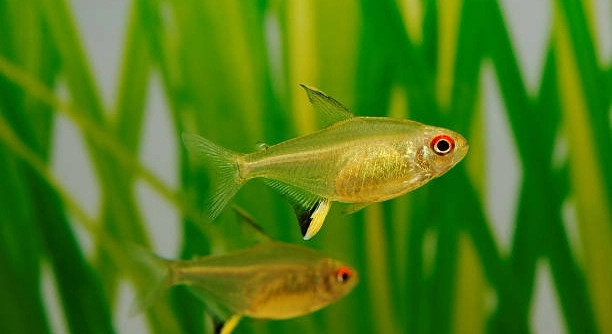
Lemon tetras are small, lively fish that brighten up any aquarium with their vibrant yellow color. Observing their behavior can tell you a lot about how comfortable and secure they feel in their environment.
Lemon tetras display comfort through consistent swimming patterns, interaction with tank mates, active feeding behavior, calm resting spots, bright coloration, exploring their environment, and responding minimally to sudden disturbances. Each behavior reflects a stable and stress-free habitat.
Recognizing these subtle signals will help you maintain a healthy, peaceful tank while keeping your lemon tetras happy and thriving in their surroundings.
Smooth, Steady Swimming
Watching lemon tetras swim calmly across the tank is one of the clearest signs of comfort. When they glide smoothly without sudden jerks or frantic movements, it shows they feel safe in their surroundings. In a well-maintained tank, they often swim in small groups, maintaining a relaxed formation. Their coordination and gentle turns suggest confidence and familiarity with their environment. Over time, these fish establish favorite spots near plants or decorations, returning frequently to rest. Observing them regularly helps notice subtle changes that could indicate stress. Comfortable tetras explore open areas without hesitation, often circling near the middle or top of the tank. Their fins remain fully extended, showing they are not trying to hide or protect themselves. Even when other fish move quickly, lemon tetras respond calmly, indicating that they feel secure. Consistent swimming behavior is a small but reliable signal that the tank meets their basic needs for space, water quality, and companionship.
Steady swimming in lemon tetras reflects a safe, stress-free environment. Smooth movements, group coordination, and active exploration indicate a healthy, comfortable fish.
Regularly noting swimming patterns allows you to ensure your tetras remain relaxed. Small changes in their movement can highlight when adjustments to the tank might be needed, helping maintain a balanced aquatic habitat.
Interaction with Tank Mates
Lemon tetras often swim close to their tank mates, signaling comfort and social ease. Their gentle schooling behavior helps reduce stress and fosters a stable environment.
Fish that interact peacefully with companions tend to display playful, synchronized movements. They share spaces without aggression, occasionally brushing fins or swimming in parallel. A comfortable tetra will not isolate itself or hide, even when other species are more active. The presence of plants, rocks, or decorations can enhance social behavior by providing safe spots for brief retreats. Maintaining proper tank size, water parameters, and compatible species is essential to supporting healthy social interaction. Observing interactions over time can reveal subtle changes in temperament or group dynamics. Confident tetras engage in routine activities together, such as exploring open water or feeding simultaneously, without signs of fear. This social ease contributes to overall well-being and can prevent common stress-related issues. Ensuring they have a predictable, stable environment encourages consistent group behavior and strengthens their natural instincts, making your aquarium more lively and harmonious.
Active Feeding Behavior
Lemon tetras show comfort when they eagerly approach food during feeding. They swim confidently to the surface or feeding area, grabbing small portions without hesitation or hiding from other fish.
Comfortable lemon tetras demonstrate consistent feeding habits, approaching food quickly and without fear. They often compete gently with tank mates for flakes or pellets, showing no signs of stress or aggression. Hesitation or hiding during feeding can indicate discomfort, but when they confidently eat together, it reflects a well-adjusted environment. Observing their approach to food provides insights into water quality, nutrition, and overall tank health. Active feeding behavior is a reliable indicator of mental and physical well-being, showing they feel safe enough to focus on eating rather than avoiding threats.
Maintaining a predictable feeding routine reinforces comfort and security. When lemon tetras eat actively, it also encourages natural social behavior, as fish coordinate swimming and sharing spaces during mealtime, strengthening group cohesion and minimizing stress.
Calm Resting Spots
Lemon tetras find quiet areas in the tank to rest, often near plants or decorations. This behavior shows they feel safe and secure.
Resting behavior indicates comfort because tetras only pause in areas they trust. Calm, stationary positions with fins slightly relaxed suggest they are not stressed or alarmed. The presence of soft lighting, gentle water flow, and nearby hiding spots encourages this resting. Observing these areas can help ensure the tank is balanced, providing both active zones and quiet corners. Consistently returning to favorite spots is a clear sign of contentment.
Providing plants, rocks, and shaded corners supports regular resting behavior. Tetras use these spots to recharge, maintain energy, and feel protected, which contributes to overall stability. Their preference for certain areas can also help monitor environmental changes, water temperature, and comfort levels, ensuring their habitat remains healthy and stress-free.
Bright, Vibrant Coloration
Lemon tetras display comfort when their yellow coloration is vivid and consistent. Dull or faded colors often indicate stress or poor water conditions.
Healthy water parameters, proper diet, and minimal stress help maintain their natural brightness. Consistent coloration reflects their overall well-being and contentment in the tank.
Exploring Their Environment
Comfortable lemon tetras actively explore the tank, swimming through plants, decorations, and open areas. They investigate new spaces without hesitation, demonstrating curiosity and confidence. This behavior shows they feel safe, as stressed tetras tend to hide or stay in corners. Regular exploration indicates a stable, comfortable environment that meets their physical and social needs.
Minimal Response to Disturbances
Lemon tetras that remain calm during sudden movements or changes in the tank display comfort and security. Their low-stress reactions indicate a stable environment.
FAQ
How can I tell if my lemon tetra is stressed?
Stressed lemon tetras often display dull colors, clamped fins, or erratic swimming. They may hide frequently, avoid food, or separate themselves from the group. Watching their daily routines helps identify changes early. Stress can come from poor water quality, overcrowding, or incompatible tank mates, so keeping a stable environment is key.
What is the ideal tank setup for lemon tetras?
A 20-gallon tank or larger with gentle filtration and stable water parameters works well. Include plants, rocks, and decorations for hiding and resting spots. Soft lighting and a moderate water flow help mimic their natural habitat. Maintaining temperature around 72–78°F and pH near 6.5–7.0 supports their health.
How many lemon tetras should I keep together?
They are schooling fish, so keeping at least six is recommended. Smaller groups may feel insecure and hide more often. A proper group size encourages social behavior, coordinated swimming, and reduces stress. More fish can enhance visual activity, but avoid overcrowding to prevent competition and poor water conditions.
What should I feed lemon tetras?
Lemon tetras thrive on a varied diet including high-quality flakes, micro pellets, and occasional live or frozen foods like brine shrimp or daphnia. Feeding small portions two to three times daily keeps them active and healthy. Avoid overfeeding, as leftover food can degrade water quality quickly.
How can I encourage natural behavior in my tetras?
Providing plants, hiding spots, and open swimming areas allows them to explore and rest freely. Regular feeding schedules, stable water parameters, and compatible tank mates encourage natural schooling, feeding, and resting behaviors. Minimal disturbances and gentle handling maintain a calm environment.
Why is my lemon tetra hiding more than usual?
Excessive hiding often signals discomfort. Changes in water temperature, poor filtration, or aggression from tank mates can make tetras retreat. Checking water quality, adjusting tank mates, and offering more hiding spots helps them feel secure again. Temporary hiding during a minor disturbance is normal.
Do lemon tetras recognize their owners?
While they don’t recognize people in the same way pets like cats do, lemon tetras may associate the presence of a person with feeding or activity in the tank. Over time, they may swim closer when someone approaches, showing familiarity and reduced fear.
Can lemon tetras live with other species?
Yes, but choose peaceful, similarly sized fish. Avoid aggressive species that may nip fins or dominate space. Compatible tank mates include small rasboras, guppies, or corydoras catfish. Proper groupings reduce stress and allow natural schooling and exploration.
How often should I clean the tank?
Partial water changes of 20–25% every one to two weeks help maintain stable water quality. Clean filters as needed and remove uneaten food or debris. Avoid drastic water changes, which can shock tetras and affect their comfort. Regular monitoring keeps their environment stable.
What signs show a happy lemon tetra?
Bright colors, smooth swimming, active feeding, calm resting, social interaction, exploration, and minimal reaction to sudden movements all indicate comfort. Observing these behaviors consistently shows that the tank conditions meet their needs and they feel safe and secure.
Lemon tetras are small but lively fish that bring a lot of energy and color to an aquarium. Observing their behavior carefully can tell a lot about their well-being. When they swim smoothly, interact calmly with tank mates, eat actively, rest in safe spots, display bright colors, explore their environment, and remain calm during sudden changes, it shows they are comfortable and secure. Each of these behaviors reflects the stability of their tank and the care provided by their owner. Paying attention to these signs can help identify potential issues early and prevent stress or illness. Small changes in movement, appetite, or coloration may seem minor, but they are often important signals about the tank environment or water quality.
Creating a comfortable space for lemon tetras involves more than just filling a tank with water and fish. Proper water temperature, pH, and cleanliness are essential, along with decorations, plants, and hiding spots that mimic a natural environment. Feeding routines also play a role in their comfort, as consistent, varied meals keep them active and healthy. Tank mates must be chosen carefully to prevent aggression and stress. By maintaining stable conditions, you allow lemon tetras to display their natural behaviors, which not only makes them look lively and colorful but also contributes to their overall health and longevity. Observing their routines, such as swimming patterns or resting habits, provides insight into their comfort levels and helps ensure that the tank remains a safe, stress-free space for them.
Ultimately, understanding lemon tetra behavior takes patience and attention. Watching for subtle signs of comfort or stress can make a big difference in how well they thrive. Ensuring they have room to swim, explore, and interact with other fish, along with reliable feeding and clean water, builds a secure and stable environment. Lemon tetras that feel comfortable in their tank are generally more active, colorful, and social. By focusing on these details, you can provide a supportive environment that promotes natural behavior and happiness. Regular observation, proper care, and attention to water quality all work together to create a peaceful aquarium where lemon tetras can thrive and continue to brighten the space with their vivid presence.

Hello,
If you enjoy the content that we create, please consider saying a "Thank You!" by leaving a tip.
Every little bit helps us continue crafting quality advice that supports the health, happiness, and well-being of pets around the world, for pets of all shapes, sizes, and species.
We really appreciate the kindness and support that you show us!