
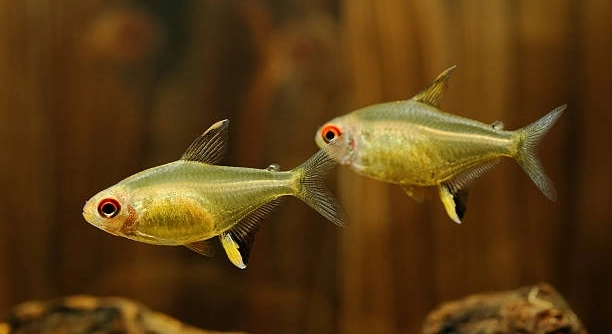
Have you ever noticed how lemon tetras thrive in certain parts of their natural habitat, where water appears darker and slightly tinted? Many aquarium enthusiasts consider replicating this environment to keep their fish healthy and comfortable.
Using blackwater for lemon tetras can be beneficial, as it mimics their natural environment. Blackwater conditions, rich in tannins, help maintain stable pH levels, reduce stress, and support the overall health and coloration of these freshwater fish.
Understanding the role of blackwater will help you create a healthier, more natural setting for your lemon tetras to flourish.
What Is Blackwater and How It Affects Lemon Tetras
Blackwater refers to aquarium water that contains natural tannins, often sourced from driftwood, leaves, or peat. This water appears slightly brown or tea-colored but is not dirty. In nature, lemon tetras are found in slow-moving rivers and streams where decaying plant matter releases tannins into the water. These tannins slightly lower the pH and soften the water, creating an environment that feels familiar and safe to the fish. Blackwater can also reduce stress in lemon tetras by providing a more natural habitat that protects them from bright lights and excessive activity. Over time, blackwater helps enhance the colors of the fish and can support better overall health. When setting up a blackwater aquarium, it is important to monitor water parameters to ensure they remain stable. Using driftwood or Indian almond leaves is a common method to achieve the desired effect without harming the fish.
Using blackwater gradually allows lemon tetras to adapt without sudden stress, improving their long-term health and coloration.
Proper maintenance is key to keeping blackwater conditions balanced. Over time, tannins may decrease, requiring replacement of leaves or driftwood. Regular water testing ensures pH and hardness remain within the preferred range. Avoid using chemicals that remove tannins, as this can disturb the natural environment. Blackwater setups also benefit from gentle filtration to prevent over-accumulation of debris while keeping water clear enough for observation. Lighting can be dimmed slightly to mimic shaded areas found in natural habitats. Feeding should remain consistent, using a varied diet to support vitality. By maintaining these conditions, lemon tetras can display more natural behaviors, forming tighter schools and showing improved coloration. Observing them in a well-established blackwater tank allows you to see subtle interactions that are often absent in standard aquariums. Regular partial water changes prevent excessive tannin buildup and maintain a healthy ecosystem.
How to Introduce Blackwater to Your Aquarium
Start by adding small amounts of driftwood or leaves gradually to avoid shocking your fish. Monitor water parameters closely during this period.
When adding blackwater elements, patience is important. Slowly increasing the tannin level over several weeks allows lemon tetras to adjust without stress. Rapid changes can disrupt their natural behaviors and may cause them to hide excessively or lose color temporarily. Begin with a small quantity of driftwood or a few leaves and let the water naturally darken. Test the pH and hardness every few days to ensure stability. Adjust the number of leaves or driftwood pieces based on the desired color and water softness. Continue feeding normally while observing fish activity and coloration. Over time, the tank will reach a balance where tannins provide health benefits and aesthetic appeal. Keeping a journal of water changes, leaf additions, and fish behavior can help maintain consistency. Once established, the blackwater environment supports long-term well-being and reduces stress-related health issues for lemon tetras. This approach ensures a natural, stable habitat that promotes both vitality and beauty in the aquarium.
Choosing the Right Materials for Blackwater
Driftwood and Indian almond leaves are the most common sources for creating blackwater. They release tannins gradually, coloring the water naturally. Peat can also be used in moderation to soften water. Avoid artificial additives, as they may disrupt the tank’s natural balance.
Selecting materials requires attention to quality. Driftwood should be aquarium-safe, free of chemicals or bark that may rot excessively. Indian almond leaves should be rinsed to remove dust or debris before adding. Peat must be untreated and suited for aquarium use, as garden varieties can contain harmful substances. Combining these elements carefully allows control over the water’s tannin level and pH. Adjusting the number of leaves or driftwood pieces helps achieve a consistent, gentle tint that mimics natural conditions. Over time, regular monitoring and gradual replacement of these materials prevent sudden changes, keeping lemon tetras comfortable.
The method of preparation matters. Boiling or soaking driftwood helps release tannins slowly and sterilizes the wood. Leaves can be soaked briefly before adding to reduce the chance of unwanted mold or bacteria. Peat should be contained in a mesh bag to avoid excessive cloudiness while still softening the water effectively. Observing the water color and testing parameters after each addition ensures a safe, stable environment. The combination of these natural materials creates a soft, slightly acidic water condition that supports both health and coloration for lemon tetras, making blackwater a manageable and rewarding choice.
Monitoring and Maintaining Blackwater Conditions
Check water parameters frequently to maintain a healthy blackwater environment. pH and hardness should remain stable for lemon tetras to thrive.
Regular monitoring is essential for long-term stability. Tannins naturally lower pH and soften water, but over time, levels may fluctuate due to leaf decomposition or water changes. Testing the pH, general hardness (GH), and carbonate hardness (KH) allows early detection of unwanted shifts. Adjusting filtration, partially changing water, or adding new leaves or driftwood can restore balance. Consistent observation ensures lemon tetras continue to display natural behaviors, vibrant colors, and proper schooling patterns. A blackwater setup requires patience but rewards with healthier, more active fish.
Maintenance includes partial water changes, careful removal of decomposed leaves, and occasional adjustment of blackwater materials. Water changes should be done gradually to avoid sudden shifts in tannin concentration or pH. Driftwood may need periodic scrubbing to prevent algae buildup while preserving its tannin-releasing properties. Leaves should be replaced when they disintegrate significantly to prevent excessive debris and maintain a clean yet natural environment. Lighting adjustments can enhance the effect of blackwater, creating subtle shadows and hiding spots that reduce stress. Over time, consistent care fosters a stable ecosystem where lemon tetras thrive, demonstrating natural behaviors, bright colors, and overall health. Observation, patience, and careful material management are key to sustaining this environment successfully.
Benefits of Blackwater for Lemon Tetras
Blackwater reduces stress by mimicking natural habitats, creating shaded areas and softer water. It helps maintain stable pH and water hardness, supporting overall health. Lemon tetras often display brighter colors and more active schooling behaviors in blackwater conditions.
Tannins in blackwater can have mild antibacterial properties, protecting fish from minor infections. The water also encourages natural behaviors like hiding and exploring, which contribute to overall well-being.
Adjusting Water Parameters Gradually
Changes to pH, hardness, or tannin concentration should be introduced slowly. Sudden shifts can stress lemon tetras, causing hiding, color loss, or decreased appetite. Gradual adjustment allows the fish to acclimate safely and maintain healthy activity levels. Patience is essential.
Common Mistakes to Avoid
Overloading the tank with leaves or driftwood can cause excessive tannins, making water too acidic or dark. Balance and moderation are key.
Observing Your Fish’s Response
Monitor behavior, coloration, and schooling patterns regularly. Healthy lemon tetras will remain active, vibrant, and social, indicating the blackwater setup is suitable.
FAQ
What exactly is blackwater and why is it used for lemon tetras?
Blackwater is water that contains natural tannins, usually from driftwood, Indian almond leaves, or peat. It appears slightly brown but is clean. Lemon tetras thrive in blackwater because it mimics their natural habitat. The tannins soften the water, slightly lower pH, and reduce stress, allowing the fish to display natural behaviors and brighter coloration. Blackwater also creates shaded areas in the tank, which encourages schooling and reduces hiding due to stress.
Can I use blackwater for all types of tetras?
Not all tetras prefer blackwater. Lemon tetras and similar species from slow-moving, tannin-rich rivers benefit most. Some tetras from harder or clearer water may not tolerate acidic, soft conditions well. Research the specific species’ natural environment before making adjustments. Using blackwater for incompatible species may cause stress, color loss, and reduced activity.
How do I prepare blackwater safely for my aquarium?
Start with aquarium-safe driftwood or Indian almond leaves. Rinse them to remove dust and debris. Some aquarists boil the wood briefly to release tannins gradually and sterilize it. Leaves can be soaked to reduce mold or unwanted bacteria. Peat can also be added in a mesh bag. Introduce these materials slowly to avoid sudden water changes. Test pH and hardness frequently and make gradual adjustments.
How often should I replace leaves or driftwood in my blackwater setup?
Leaves and driftwood release tannins over time. Leaves usually start decomposing after a few weeks, while driftwood may take months. Replace leaves when they disintegrate significantly to prevent excess debris. Driftwood can be lightly scrubbed but left in place for ongoing tannin release. Regular monitoring ensures the water remains balanced without drastic changes.
Will blackwater stain my tank or decorations?
Yes, tannins can slightly stain glass, substrate, and decorations. This is normal and does not harm the fish. Light staining is part of creating a natural environment. Using pre-soaked wood or leaves can reduce the intensity of the color. Occasional water changes can help maintain clarity while keeping beneficial tannins.
Can blackwater affect water quality in a negative way?
If overdone, too many leaves or excessive driftwood can make water too acidic or dark. High tannin levels can slightly reduce oxygen availability, though this is rarely harmful in a well-maintained tank. Proper filtration, regular partial water changes, and gradual adjustments prevent negative effects while maintaining the benefits of blackwater.
Do lemon tetras need blackwater to survive?
Lemon tetras can survive in regular freshwater tanks, but blackwater improves their health and coloration. It reduces stress, encourages natural schooling, and provides a more familiar environment. Fish kept in blackwater often show stronger activity levels and natural behaviors compared to those in plain water.
How do I know if my lemon tetras are thriving in blackwater?
Active schooling, vibrant colors, and regular feeding are signs of healthy tetras. Fish should not hide excessively or lose color. Monitoring water parameters and observing behavior ensures they are comfortable. Adjusting tannin levels or introducing gentle lighting can further enhance well-being.
Can I combine blackwater with live plants?
Yes, many live plants thrive in blackwater conditions, especially species that tolerate slightly acidic, soft water. Plants like Java fern, Anubias, and floating species adapt well. Live plants can help maintain water quality, reduce tannin concentration over time, and provide additional shelter for lemon tetras.
Is it difficult to maintain blackwater long-term?
Maintenance requires patience but is manageable. Regular monitoring of pH, water hardness, and tannin levels is necessary. Partial water changes, careful leaf or wood replacement, and gentle filtration help maintain stability. Once established, a blackwater tank supports healthy, active lemon tetras with minimal stress.
Final Thoughts
Creating a blackwater environment for lemon tetras can be a rewarding approach to maintaining a natural and healthy aquarium. Blackwater mimics the slow-moving, tannin-rich rivers these fish inhabit in the wild, providing conditions that support their overall well-being. The soft, slightly acidic water created by driftwood, Indian almond leaves, or peat helps reduce stress and encourages natural behaviors. Lemon tetras often display more vibrant colors and form tighter schools in blackwater, which can be very satisfying to observe. While the water may appear darker than a typical aquarium, this is normal and contributes to a safer, more comfortable habitat for the fish. Careful selection of materials and gradual introduction ensures the transition is smooth, minimizing any risk of shock or stress.
Maintaining blackwater is not complicated but does require consistent attention. Monitoring water parameters, such as pH, general hardness, and carbonate hardness, is essential to prevent large fluctuations that could affect fish health. Driftwood and leaves release tannins over time, so regular observation is necessary to determine when materials need to be replaced or adjusted. Partial water changes help maintain water clarity and balance, while still retaining the beneficial properties of blackwater. Using untreated, aquarium-safe materials ensures that the water environment remains free of harmful chemicals or contaminants. Over time, the aquarium will reach a stable state, where the tannin concentration provides both aesthetic appeal and functional benefits for the fish. Blackwater can also be paired with live plants that tolerate slightly acidic, soft water, further enhancing the tank’s natural appearance and helping to maintain water quality.
The key to a successful blackwater setup is patience and attention to detail. Rapid changes, excessive materials, or neglecting water testing can disrupt the balance and cause stress to lemon tetras. By introducing blackwater gradually, monitoring behavior, and maintaining stable conditions, the fish are more likely to thrive and exhibit natural behaviors. Blackwater not only benefits the physical health of lemon tetras but also encourages a more natural and enriching environment, where the fish feel secure and active. Over time, this setup becomes easier to manage, and observing the tetras in a healthy, vibrant tank can be very satisfying. Creating blackwater for lemon tetras is a practical and effective way to replicate their natural environment while promoting long-term health and well-being.

Hello,
If you enjoy the content that we create, please consider saying a "Thank You!" by leaving a tip.
Every little bit helps us continue crafting quality advice that supports the health, happiness, and well-being of pets around the world, for pets of all shapes, sizes, and species.
We really appreciate the kindness and support that you show us!