
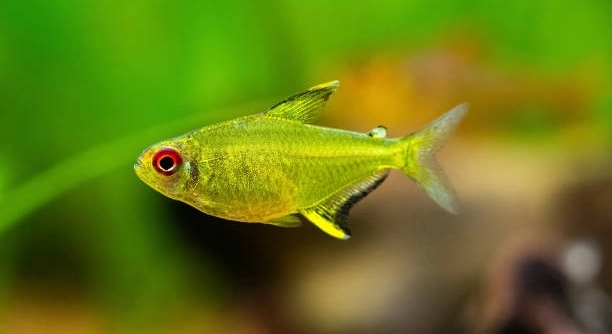
Lemon tetras are known for their bright, cheerful colors during the day, but many owners notice they appear pale in the morning. This subtle change can catch attention, especially in well-lit tanks with active fish. Observing them early reveals small shifts.
The primary reason lemon tetras look pale in the morning is due to natural stress response and low light conditions. Their pigmentation temporarily dulls while they acclimate to their environment after resting at night, returning to normal as the day progresses.
Understanding this daily color change helps maintain a healthier aquarium. Recognizing natural patterns ensures your fish remain vibrant and stress-free throughout the day.
Light and Its Effect on Morning Colors
In the early hours, lemon tetras often seem dull because natural light in the tank is minimal. Their bright yellow and silver tones rely on sufficient illumination to appear vivid. During the night, their bodies enter a resting state, slowing metabolism and reducing activity. This shift naturally affects the visibility of their pigmentation. Even in tanks with artificial lighting, the gradual increase of light in the morning allows their colors to emerge slowly. The change is temporary and should not be mistaken for illness or stress. Tank placement and the type of lighting used play a significant role in how quickly their colors return. For example, soft LED lights create a gradual transition that mimics sunrise, helping the fish adjust naturally. A sudden switch from darkness to strong light may temporarily startle them, making their colors appear muted for a short period before brightening.
Morning light conditions subtly influence their appearance and activity levels throughout the early day.
Gradual lighting adjustment not only enhances color but also promotes comfort, encouraging normal swimming and feeding patterns during early hours.
Water Quality and Stress Levels
Even small changes in water quality affect lemon tetras.
Temperature, pH, and nitrate levels directly influence how their bodies display color. Poor water conditions or sudden shifts create mild stress, which often shows as paleness in the morning. Stable water chemistry is crucial for maintaining both vibrant color and overall health. Regular testing helps detect small imbalances before they impact the fish. Additionally, stress from tankmates or overcrowding can amplify morning pallor. Stress triggers hormonal responses that temporarily dull pigmentation, though fish recover as they feel safe and comfortable. Keeping water clean, maintaining consistent temperature, and providing plenty of hiding spots allows lemon tetras to regain their natural brightness faster. By observing patterns over several days, owners can differentiate between normal morning paleness and signs of ongoing health issues. Proper care ensures that the fish’s colors remain bright throughout the day, making them more lively and visually appealing. These steps are simple yet critical for the daily well-being of the tank’s inhabitants.
Diet and Color Vibrancy
A balanced diet affects lemon tetras’ morning colors. Fish lacking essential nutrients often appear paler, especially after a night of rest. High-quality flakes or frozen foods rich in carotenoids support brighter pigmentation and overall health.
Providing a mix of protein and vegetable-based foods ensures their bodies can produce natural pigments efficiently. Feeding small portions multiple times a day helps maintain energy and reduces stress, which can otherwise dull their color. Fresh or frozen options like daphnia, brine shrimp, or spinach-based flakes give variety and boost pigmentation. Overfeeding can lead to poor water quality, which also affects their appearance, so moderation is key. Observing their color response to dietary changes can help identify which foods enhance brightness the most. A consistent feeding routine not only improves their look but also encourages active behavior and longer lifespan.
In addition to nutrition, supplements like spirulina can enhance yellow and red tones, especially in fish kept in lower-light tanks.
Sleep Cycles and Activity
Lemon tetras’ morning paleness is influenced by their sleep cycles. During resting periods, metabolic rates slow, and color intensity decreases naturally. This temporary dullness is normal and reverses as they become active.
Disrupted sleep patterns from inconsistent lighting or nighttime disturbances can prolong morning paleness. Fish need quiet, stable conditions to transition from rest to activity smoothly. Gradual lighting changes in the morning help them wake without stress, allowing colors to return steadily. Nighttime hiding spots also support better rest, reducing stress-induced color dulling. Observing their movement and response to light can indicate if rest periods are sufficient. Over time, a predictable day-night cycle improves overall health and keeps pigmentation consistent. Regular sleep supports feeding behavior and reduces susceptibility to illness, creating a calmer, brighter tank environment.
Ensuring consistent lighting and minimizing nighttime disturbances promotes stable sleep cycles and restores vibrant morning colors naturally.
Tank Environment
A well-structured tank helps lemon tetras feel secure and show brighter colors. Plants, rocks, and hiding spots reduce stress, which prevents morning pallor. Comfortable spaces allow them to rest safely at night.
Water flow and temperature stability also affect their appearance. Gentle currents and consistent warmth support natural behavior and color recovery.
Social Behavior
Lemon tetras are schooling fish, and their colors are influenced by group dynamics. A proper group size of at least six allows them to feel safe. Stress from isolation or aggressive tankmates can cause temporary morning dullness. Maintaining harmony in the tank promotes natural, vibrant colors consistently.
Lighting Type
LED or full-spectrum lights enhance natural color in lemon tetras. Lighting that mimics daylight encourages bright pigmentation and healthy activity levels.
Acclimation Period
New fish often appear pale in the morning due to adjustment stress. Gradual introduction to the tank environment allows their bodies to adapt, restoring natural color over time.
FAQ
Why do my lemon tetras look pale only in the morning?
Lemon tetras naturally appear paler in the morning because their bodies are adjusting after a night of rest. Reduced activity and low light cause temporary dulling of their bright yellow and silver colors. This is a normal, short-term change that reverses as they become active.
Is pale coloration in the morning a sign of illness?
Morning paleness alone is rarely a sign of disease. If your fish are eating normally, swimming actively, and regaining their colors as the day progresses, they are healthy. Persistent dullness throughout the day may indicate water quality issues, stress, or nutritional deficiencies, which should be addressed promptly.
Can lighting improve their morning colors?
Yes, gradual lighting that simulates natural sunrise helps lemon tetras regain brightness faster. LED or full-spectrum lights with a timer allow a smooth transition from darkness to daylight, reducing stress and enhancing their natural pigmentation. Sudden, bright lights may make them appear even paler initially.
How does diet affect morning coloration?
A varied diet rich in carotenoids, protein, and vitamins supports healthy pigmentation. Flakes, frozen foods, and occasional live foods help maintain vibrant yellow and silver tones. Nutrient deficiencies or overfeeding can reduce color intensity, so consistent, balanced feeding is key to their daily appearance.
Does tank size impact color intensity?
Tank size indirectly affects color by influencing stress and water quality. Crowded or small tanks increase competition and stress, which can dull morning colors. Proper space, stable water parameters, and hiding spots allow lemon tetras to feel secure and display their natural brightness consistently.
How do social interactions affect their appearance?
Lemon tetras are schooling fish, and their colors are brighter when in a proper group of at least six. Isolation or conflict with aggressive tankmates triggers stress responses, temporarily dulling pigmentation. Observing social dynamics ensures their environment supports both health and visual vibrancy.
What role does water quality play in color changes?
Stable water parameters are critical for consistent pigmentation. Fluctuations in temperature, pH, or nitrate levels create stress, causing temporary dullness. Regular testing, filtration maintenance, and partial water changes help maintain optimal conditions, allowing lemon tetras to regain bright colors naturally every morning.
Can acclimation stress cause morning paleness in new fish?
Yes, newly introduced lemon tetras often appear pale while adjusting to unfamiliar surroundings. Gradual acclimation to water temperature and chemistry reduces stress. Once they settle, colors return steadily as their bodies adapt to the new tank environment.
Does sleep affect their color intensity?
Sleep slows metabolism, making their colors appear muted in the early morning. A consistent day-night cycle, with a quiet, dark period for rest, allows them to transition naturally from rest to activity. Proper sleep promotes overall health and restores natural pigmentation efficiently.
Are there ways to encourage brighter morning colors?
Maintaining stable water conditions, providing a balanced diet, using gradual lighting, and ensuring a harmonious school all contribute to brighter morning colors. Observing natural behavior and making small adjustments supports both the health and visual appeal of lemon tetras consistently.
This FAQ covers the most common reasons lemon tetras appear pale in the morning, offering practical steps to ensure their vibrant colors return quickly. Consistency in care, attention to their environment, and awareness of social and dietary factors help keep them healthy and visually striking throughout the day.
Final Thoughts
Lemon tetras are small, lively fish that bring bright color and movement to any aquarium. Their natural morning paleness is a normal response to low light and the body’s resting state. In the early hours, their metabolism slows, and pigmentation temporarily dulls, which can make their yellow and silver colors appear muted. This is not a sign of illness in most cases, and colors generally return as they become active and light increases in the tank. Understanding these natural patterns helps owners avoid unnecessary concern and allows for a more enjoyable experience watching the fish over the course of the day. Observing them regularly also helps distinguish between normal changes and potential health issues, which can be addressed promptly.
Several factors influence how lemon tetras display color, and each plays a role in their morning appearance. Lighting is one of the most important elements, with gradual or full-spectrum illumination supporting a smooth transition from rest to activity. Tank environment also matters—plants, hiding spots, and gentle water flow help reduce stress and encourage natural behavior. Social dynamics within the school are equally important, as lemon tetras feel safer and more confident in groups of at least six, which allows their colors to appear brighter. Diet cannot be overlooked, as nutrient-rich foods help maintain natural pigmentation, while deficiencies may result in paleness. Finally, water quality and temperature stability ensure that the fish are healthy and stress-free, allowing their colors to recover quickly each morning. Regular testing and consistent care are essential for long-term well-being.
By paying attention to these factors, owners can support lemon tetras in showing their brightest colors throughout the day. Providing proper lighting, a balanced diet, stable water conditions, and a comfortable environment ensures their natural patterns are respected. Morning paleness is temporary and should be viewed as a normal part of their daily cycle rather than a problem. Consistent observation and care make it possible to enjoy the vibrancy and activity of lemon tetras, while also understanding their subtle responses to the environment. Over time, awareness of their natural behavior, combined with appropriate tank management, results in healthier, more confident fish that display their characteristic brightness reliably, making the aquarium a more visually appealing and calming space.

Hello,
If you enjoy the content that we create, please consider saying a "Thank You!" by leaving a tip.
Every little bit helps us continue crafting quality advice that supports the health, happiness, and well-being of pets around the world, for pets of all shapes, sizes, and species.
We really appreciate the kindness and support that you show us!