
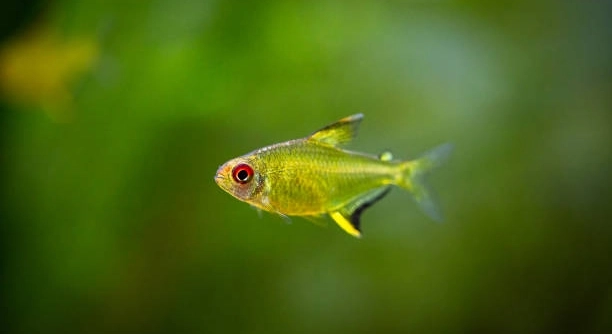
Do you ever notice your lemon tetras swimming closely together and wonder if they form lasting bonds in the aquarium? These small, bright fish are social creatures, often moving in groups and showing interesting interactions with one another.
Lemon tetras do not form lifelong pair bonds. While they may show temporary pairing behaviors during breeding or short-term social interactions, their attachments are generally flexible, and they remain primarily schooling fish rather than forming exclusive partnerships.
Observing their behavior can still be rewarding, as subtle interactions reveal how these tetras communicate and interact within a group. Their social habits provide insight into maintaining a harmonious aquarium environment.
Understanding Lemon Tetra Social Behavior
Lemon tetras are small, bright fish that thrive in groups. Watching them in an aquarium, you notice they often swim together in coordinated patterns. These patterns are not just for show; they help the fish feel safe and reduce stress. When lemon tetras swim in groups, they communicate subtly through movement and color changes. During feeding, they tend to cluster around food sources, showing gentle competition without aggression. Males may display brighter colors temporarily to attract females, especially during breeding. Despite these interactions, lemon tetras do not establish permanent pair bonds. Their social behavior is flexible, and they adjust to changes in their group dynamics easily. Understanding their patterns helps keep an aquarium balanced, preventing stress and encouraging natural behavior. Even though they don’t form lifelong pairs, their schooling instincts create a lively, interactive environment that is rewarding to observe and maintain.
These fish rely on the group for safety and confidence, making their social environment very important for health.
Lemon tetras’ group behavior also affects tank setup. Providing plants, hiding spots, and open swimming areas allows them to interact naturally. Observing their subtle gestures, like slight fin flicks or color changes, can indicate mood or readiness to breed. Regularly monitoring the group ensures compatibility and reduces potential stressors. While they do not pair permanently, temporary bonds may appear during spawning, showing that social connections can still be meaningful. A well-structured environment encourages activity, vibrant coloration, and reduces aggression. Paying attention to water quality, temperature, and group size supports their social habits. By maintaining a stable, comfortable environment, the natural behaviors of lemon tetras become easier to observe, creating a peaceful, lively aquarium that reflects their instincts and encourages healthy social interaction.
Breeding Behavior and Pairing
During breeding, lemon tetras may show temporary pair bonding, but it is short-lived.
When ready to spawn, males display more vivid colors and follow a female closely, often performing gentle nudges or circling movements. These interactions are focused on reproduction rather than forming a permanent bond. Spawning typically occurs in dense vegetation or over fine-leaved plants, giving eggs protection. After laying eggs, parents do not guard them; in fact, they may eat the eggs if left unchecked. Understanding these temporary pairings is important for anyone interested in breeding, as it helps anticipate behaviors and provides the best conditions for egg survival. Observing these patterns reveals how even fleeting connections play a role in reproduction. For caretakers, maintaining a separate breeding tank with appropriate hiding spots ensures the eggs have the best chance to hatch. The short-term pairing demonstrates that while lemon tetras are social, their bonds are adaptable and primarily functional for survival and species continuation rather than companionship.
Tank Conditions for Healthy Social Interaction
Lemon tetras need a well-planned tank to thrive. Adequate space, clean water, and proper temperature are essential. Plants and hiding spots allow natural behavior, while open swimming areas encourage schooling. These conditions reduce stress and keep interactions peaceful.
Maintaining water quality is crucial for lemon tetras’ social behavior. Regular water changes and monitoring parameters like pH, temperature, and ammonia levels prevent stress and disease. A stable environment allows them to swim together comfortably and display natural interactions. Group size also matters; keeping at least six to eight lemon tetras helps them feel secure. Overcrowding or isolated fish can lead to aggression or hiding, disrupting social cohesion.
Lighting and tank decoration also influence interactions. Subtle lighting enhances their color and reduces stress, while dense plants give temporary refuge during brief conflicts. Floating plants can create shade, making them feel safe. Rocks or driftwood offer resting points, helping to balance activity levels. Observing how they move through the tank reveals their comfort level, showing if adjustments are needed. A harmonious setup encourages schooling, social communication, and natural patterns, keeping lemon tetras active, healthy, and visually appealing in the aquarium.
Recognizing Temporary Pair Bonds
Temporary pair bonds appear mostly during spawning periods. These interactions are brief but noticeable, as males follow females closely, displaying brighter colors and circling movements.
During breeding, lemon tetras form these short-term bonds to increase reproductive success. Males often select a female and swim alongside her, performing gentle nudges and displaying color changes to attract attention. These pairings usually last only until eggs are laid. After spawning, the bond dissolves, and both fish return to normal schooling behavior. Providing plants and small hiding spots encourages these natural interactions, while separating eggs into a breeding tank prevents them from being eaten. Temporary bonds reflect reproductive strategy rather than social attachment, yet they demonstrate fascinating behavior that adds interest to the aquarium.
Even outside breeding, you may notice fleeting pair-like behavior when a male and female swim together briefly or mimic each other’s movements. These short interactions are part of general social structure and movement coordination rather than lasting attachments. Watching these behaviors can be rewarding, offering insight into their instincts, group dynamics, and subtle forms of communication. By providing a suitable environment, these temporary connections occur naturally without forcing or stressing the fish, highlighting how even brief bonds serve a functional role in the life of lemon tetras.
Group Dynamics and Schooling
Lemon tetras rely heavily on schooling behavior. Swimming in groups provides security and reduces stress. Individual fish are more active and confident when surrounded by others of their kind, and conflicts are less frequent.
Smaller groups can cause anxiety and hiding. Observing how they move together helps ensure harmony.
Signs of Stress in Lemon Tetras
Stress can disrupt social interactions and affect health. Signs include faded colors, erratic swimming, and reduced appetite. Consistent monitoring helps prevent long-term problems. Providing clean water, hiding spots, and proper group size supports their well-being and maintains natural behaviors.
Encouraging Healthy Interaction
Proper tank setup encourages natural social behavior. Plants, open space, and compatible group sizes allow tetras to interact freely without conflict, supporting vibrant, active schooling and subtle social cues.
Temporary Mating Displays
During spawning, males display brighter colors and follow females closely. These behaviors are brief, serving reproductive purposes rather than long-term attachment.
FAQ
Do lemon tetras form permanent pairs?
No, lemon tetras do not form permanent pairs. While they may swim closely with a chosen mate for short periods, particularly during breeding, these bonds are temporary. Their social behavior revolves around schooling rather than long-term partnerships, and they quickly return to interacting with the larger group after spawning.
How many lemon tetras should I keep together?
Keeping at least six to eight lemon tetras together is recommended. Smaller groups can cause stress and make fish shy or reclusive. Larger groups promote natural schooling behavior, reduce aggression, and allow fish to display normal social interactions, creating a more lively and balanced aquarium environment.
What tank conditions support their social behavior?
Clean water, proper temperature, and neutral pH are essential. Providing plants, rocks, and hiding spots allows them to feel secure. Open swimming areas encourage schooling, while shaded or dense areas offer retreat options. Stable conditions reduce stress and help maintain natural behaviors.
Can lemon tetras bond with other fish?
While they are social with their own kind, lemon tetras can coexist peacefully with other non-aggressive, similarly sized fish. They do not form bonds with other species but may swim near compatible fish out of curiosity or for group cohesion. Mixing fish should be done carefully to avoid stress.
Do males and females behave differently?
Yes, males display brighter colors and perform circling movements to attract females, especially during breeding. Females are generally less colorful and more focused on foraging or exploring the tank. These differences are most noticeable during spawning periods but are temporary rather than permanent.
How do I know if my lemon tetras are stressed?
Signs of stress include faded colors, hiding excessively, erratic swimming, and decreased appetite. Stress often results from poor water quality, overcrowding, or inadequate hiding spots. Monitoring their behavior and tank conditions helps maintain a healthy, balanced environment.
Do temporary pairings affect group behavior?
Temporary pairings occur mostly during breeding and do not disrupt overall schooling. Once spawning is complete, fish return to normal group dynamics. Observing these interactions can provide insight into their reproductive behavior without impacting long-term social structure.
Should I separate breeding pairs?
Separating eggs into a breeding tank is advisable. Parents may eat eggs if left in the main tank. Providing plants or spawning mops helps eggs stay protected, ensuring higher survival rates while maintaining normal social interactions for the adult tetras.
Do lemon tetras show affection?
While they do not form affectionate bonds like mammals, close swimming and synchronized movement indicate comfort and social cohesion. These subtle behaviors help reduce stress and reinforce their natural group instincts. Observing these patterns can be satisfying and informative.
How can I encourage natural behavior?
Providing plants, open swimming space, and adequate group size encourages schooling and temporary pair interactions. Regular water changes and stable parameters support health and reduce stress. Observing their movements allows adjustments to tank setup for optimal social interaction and overall activity.
What should I avoid in their tank?
Avoid overcrowding, aggressive tank mates, sudden temperature changes, or poor water quality. These factors can disrupt social behavior, increase stress, and lead to illness. Maintaining a stable and spacious environment helps lemon tetras display their natural schooling and breeding behaviors confidently.
Can temporary bonds repeat with the same fish?
Yes, temporary bonds during spawning can happen repeatedly with the same male and female, but they remain short-term and functional for reproduction. These interactions do not create lifelong attachments and quickly dissolve after the eggs are laid.
How often do they spawn?
Lemon tetras can spawn multiple times under proper conditions, often every few weeks. Optimal water quality, temperature, and plant coverage encourage frequent breeding. Temporary pairings appear each time spawning occurs, demonstrating their reproductive strategy without forming permanent relationships.
Do lighting and decoration affect behavior?
Yes, moderate lighting and a mix of open and covered areas influence activity and comfort. Subtle lighting enhances color, while plants and decorations offer hiding spots and help reduce stress, supporting natural schooling and temporary pair interactions during breeding.
Can stressed tetras recover?
With proper adjustments, stressed lemon tetras often recover. Improving water quality, increasing hiding spots, and ensuring proper group size restores natural behavior and vibrant coloration. Observing interactions after changes confirms whether stress levels have decreased and social cohesion has returned.
Do they recognize individual fish?
Lemon tetras do not form long-term recognition of individual fish. They respond more to group dynamics, swimming patterns, and immediate social cues rather than forming lasting attachments with specific tank mates. Temporary pairings during breeding are functional, not social recognition.
Is it safe to mix lemon tetras with other schooling fish?
Yes, mixing with other small, non-aggressive schooling fish can be safe. Compatibility depends on size, temperament, and environmental conditions. Observing behavior ensures peaceful coexistence, with all species able to maintain schooling patterns without conflict or stress.
How long do temporary bonds last?
Temporary bonds usually last hours to a few days, depending on breeding readiness. After spawning, the pair dissolves and rejoins the group. These interactions are functional for reproduction rather than lasting social attachment.
Can temporary bonds influence hierarchy?
Brief pairings rarely influence long-term hierarchy. Schooling behavior maintains group cohesion, and dominance is subtle, mostly affecting positioning during swimming or feeding rather than lasting social status. Temporary interactions provide insight into reproductive behavior without altering the group structure.
How important is observing their behavior?
Observing behavior is key to understanding health and social dynamics. Noticing subtle cues, such as synchronized swimming or fin displays, helps maintain proper conditions, anticipate breeding, and ensure harmonious tank interactions. Regular observation supports long-term well-being and natural activity patterns.
Lemon tetras are small, vibrant fish that bring life and movement to any aquarium. Their social behavior is one of their most interesting traits. They rely on schooling to feel safe and confident, moving together in coordinated patterns that reduce stress and allow them to interact naturally. While they do not form permanent pair bonds, they do show temporary connections during breeding. These brief pairings are functional, helping with reproduction, but once spawning is complete, the fish return to normal schooling behavior. Observing these interactions provides insight into their instincts, showing how even short-term social behavior plays an important role in their daily lives.
Providing a well-maintained tank is crucial for lemon tetras to display natural behavior. Clean water, proper temperature, and a stable environment support their health and social interactions. Group size is also important; keeping at least six to eight fish ensures they feel secure and reduces stress. Plants, rocks, and open swimming areas allow them to explore and interact without conflict. Hiding spots give them a sense of safety, and moderate lighting helps them feel comfortable. Watching how they move through the tank can show whether they are relaxed and confident or stressed and reclusive. A proper setup encourages schooling, subtle social cues, and temporary pair behaviors, creating a lively and balanced aquarium where the fish can thrive.
Even though lemon tetras do not form long-term bonds, their temporary pairings and group interactions make them fascinating to watch. Paying attention to their behavior and maintaining a suitable environment allows these small fish to live healthy and active lives. Observing their movements, color changes, and interactions can be rewarding, offering insight into their instincts and natural tendencies. Temporary bonds during breeding highlight how social behavior can change depending on circumstances, while group cohesion ensures safety and reduces stress. By focusing on their needs, from clean water to proper tank decoration, lemon tetras can display their natural behaviors fully. Their vibrant colors, coordinated swimming, and subtle social interactions make them a valuable addition to any aquarium, showing that even small fish can have complex and engaging lives.

Hello,
If you enjoy the content that we create, please consider saying a "Thank You!" by leaving a tip.
Every little bit helps us continue crafting quality advice that supports the health, happiness, and well-being of pets around the world, for pets of all shapes, sizes, and species.
We really appreciate the kindness and support that you show us!