
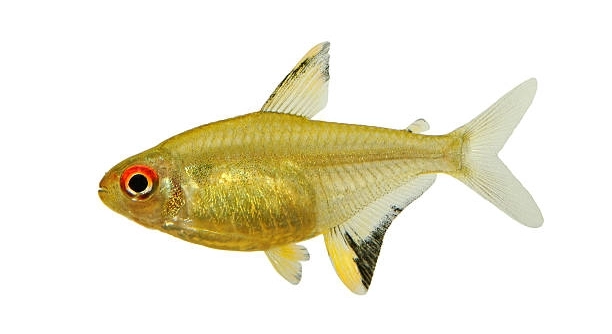
Lemon tetras are vibrant and lively fish that bring color to any aquarium. Observing them swim gracefully is rewarding, yet sometimes they may ignore their food. This behavior can leave owners puzzled and seeking answers.
Lemon tetras may refuse food due to stress, illness, water quality issues, or improper diet. Changes in their environment, tank mates, or sudden adjustments can also affect appetite, signaling the need for careful monitoring and appropriate intervention.
Understanding these factors will help ensure your tetras remain healthy and active, making feeding time a more predictable and enjoyable part of their care.
Common Reasons Lemon Tetras Refuse Food
Lemon tetras can be picky eaters at times, and several factors influence their appetite. Stress is one of the most common causes. Sudden changes in water temperature, new tank mates, or a recent move can make them hesitant to eat. Poor water quality also affects feeding behavior. High levels of ammonia, nitrites, or nitrates can make fish uncomfortable and reduce their desire to eat. Illness or parasites may also be a factor. If a tetra shows lethargy, clamped fins, or unusual swimming patterns, it may be unwell. Diet plays a role too; some fish may reject food that does not match their preferences or nutritional needs. Observing their environment and behavior carefully can help pinpoint the cause. Offering small portions and consistent feeding schedules often encourages them to eat again.
Stress, illness, water quality, and diet are the primary reasons lemon tetras may refuse food. Monitoring these is essential.
Proper tank maintenance is critical to maintaining healthy feeding habits. Regular water changes, checking chemical levels, and ensuring stable temperatures create an environment where tetras feel secure. Overcrowding can also lead to stress, making fish reluctant to eat. Feeding a balanced diet that includes flakes, small pellets, and occasional live or frozen foods ensures they receive proper nutrition. Observation is key; noting any changes in behavior can help detect health issues early. Sometimes, simply adjusting the feeding time or method can improve appetite. Patience is important, as some tetras take longer to accept new foods or recover from stress. Consistency in care and environment reduces the likelihood of long-term feeding problems, keeping tetras active, colorful, and healthy for years.
Adjusting Diet and Feeding Techniques
Offering a variety of foods encourages lemon tetras to eat regularly. Small portions multiple times a day work best.
Experimenting with live, frozen, and high-quality flake foods can stimulate appetite. Rotating these options prevents boredom and ensures nutritional balance. Feeding in a quiet, calm environment reduces stress and allows tetras to focus on their meals. Observing their preferences and adjusting portion sizes prevents leftover food from contaminating the water. Maintaining a steady feeding schedule helps them develop predictable routines, making them more likely to eat consistently. Overfeeding should be avoided, as it can cause health problems and water quality issues, ultimately impacting appetite. Patience and careful attention to both diet and environment are essential to fostering healthy eating habits in lemon tetras. By understanding their needs and providing optimal care, feeding issues can often be resolved quickly and effectively.
Monitoring Water Quality
Regular testing of water parameters is essential for lemon tetras. Ammonia, nitrite, and nitrate levels should be checked weekly. Maintaining a stable pH and temperature reduces stress, which directly affects appetite. Clean water promotes healthy feeding habits and prevents disease.
Keeping the tank clean involves partial water changes and removing debris. Filters should be maintained to ensure proper circulation and oxygen levels. Sudden fluctuations in temperature or pH can cause tetras to refuse food. Observing water clarity and odor helps detect potential problems early. A stable, well-maintained environment encourages consistent feeding and overall fish health.
Consistency is key. Even small changes in water quality can impact behavior. Monitoring the tank allows for quick adjustments, preventing long-term feeding issues. Healthy water creates a comfortable space where lemon tetras are more likely to eat regularly and stay active. Preventing stress through proper maintenance directly supports their appetite.
Identifying Illness or Stress
Lemon tetras showing unusual behavior may be stressed or sick. Lethargy, clamped fins, or hiding often signal problems that affect feeding. Early detection is crucial.
Illnesses such as bacterial infections, parasites, or fungal growth can reduce appetite. Stress from aggressive tank mates, overcrowding, or sudden environmental changes also leads to food refusal. Observing behavior daily helps identify these issues quickly. Quarantining affected fish and treating specific illnesses can restore appetite. Providing a calm, stable environment supports recovery and encourages eating. Attention to diet, water, and tank conditions prevents many common problems.
Treating stress or illness promptly improves feeding behavior. Adjusting tank conditions, isolating sick fish, and offering varied, high-quality food can help lemon tetras regain appetite. Long-term observation ensures they remain healthy and active. Maintaining a balance of care, nutrition, and environment is essential to preventing recurring feeding problems and supporting overall well-being.
Tank Environment
Lemon tetras feel more comfortable in a calm and stable tank. Hiding spots, plants, and gentle water flow reduce stress. A well-structured environment encourages natural behavior, including regular feeding habits.
Overcrowding can lead to competition and stress, making tetras refuse food. Maintaining proper stocking levels ensures a peaceful setting and supports healthy appetites.
Feeding Schedules
Consistent feeding times help lemon tetras develop a routine. Feeding small amounts two to three times daily prevents overfeeding and keeps the water clean. A predictable schedule makes them more likely to eat regularly.
Choosing the Right Food
Offering a mix of flakes, pellets, and occasional live or frozen foods provides balanced nutrition. Variety prevents boredom and encourages tetras to eat consistently.
Observing Behavior
Watching how lemon tetras interact with each other and their surroundings can reveal issues. Changes in swimming, hiding, or aggression often indicate stress or illness affecting appetite.
FAQ
Why is my lemon tetra not eating at all?
A lemon tetra may stop eating due to stress, illness, or poor water quality. Sudden changes in temperature, aggressive tank mates, or overcrowding can make them reluctant to eat. Illnesses like bacterial infections or parasites also reduce appetite. Regular monitoring of water parameters and observing behavior is essential. Offering a variety of high-quality foods in small portions can help stimulate feeding. Quarantining sick fish and adjusting the environment often restores normal eating habits over time.
Can lemon tetras go without food for a few days?
Yes, healthy lemon tetras can survive a few days without food, but extended fasting can weaken them. Short periods of fasting are generally safe, as long as water conditions remain stable. Avoid repeated long fasting periods, as this can lead to stress and lower immunity, making them more susceptible to disease. Focus on maintaining clean water and a calm environment during this time. Once they resume eating, small, frequent meals help them recover quickly without overwhelming their digestive system.
How do I know if my lemon tetra is stressed?
Stress signs include hiding frequently, clamped fins, rapid gill movement, or unusual swimming patterns. Aggression from tank mates or overcrowding can also stress tetras. Poor water quality, sudden changes in temperature, or inconsistent lighting may cause stress. Stress often leads to appetite loss. Observing behavior daily helps catch problems early, allowing timely intervention. Providing hiding spots, stable water conditions, and proper tank mates reduces stress and encourages normal feeding behavior.
What types of food are best for lemon tetras?
A balanced diet includes high-quality flake food, small pellets, and occasional live or frozen foods like brine shrimp or daphnia. Variety keeps them interested and ensures they get necessary nutrients. Avoid overfeeding, as leftover food can pollute the tank and harm water quality. Feeding small portions multiple times a day supports consistent appetite and healthy digestion. Rotating foods prevents boredom and promotes natural foraging behaviors. Observation of their preferences can help tailor feeding to ensure all tetras receive proper nutrition.
Can water quality cause my lemon tetra to refuse food?
Absolutely. High levels of ammonia, nitrites, or nitrates can make tetras uncomfortable and reduce appetite. Sudden changes in pH or temperature also affect feeding behavior. Regular water testing and partial water changes maintain stable conditions. Filters should be cleaned regularly, and debris removed to prevent water contamination. Clean, stable water helps tetras feel secure and encourages normal feeding habits. Ignoring water quality issues often leads to prolonged appetite loss and increases susceptibility to disease.
How long should I wait before worrying about a lemon tetra not eating?
If a healthy tetra refuses food for more than a day or two, it is worth monitoring closely. Continuous refusal for several days, combined with signs of stress or illness, warrants action. Check water quality, observe tank mates, and consider quarantining the fish if illness is suspected. Providing small, varied portions in a calm environment may encourage feeding. Immediate intervention prevents long-term health issues. Keeping notes on behavior and feeding patterns helps track changes and ensures the fish receives proper care.
Is it normal for lemon tetras to be picky eaters?
Yes, some tetras are naturally selective. Individual preferences, seasonal changes, or sudden environmental shifts can affect appetite. Offering different food types and maintaining a stable, stress-free environment encourages regular eating. Picky behavior is usually temporary if water conditions, tank mates, and diet are appropriate. Observation and gradual introduction of new foods help picky tetras adapt without compromising nutrition. Patience and consistency often resolve selective eating without stress for the fish.
Can adding plants or decorations help with feeding?
Yes, plants and decorations provide hiding spots, reducing stress and encouraging natural behavior. A well-structured tank helps tetras feel secure, making them more likely to eat. Hiding areas also allow timid fish to approach food at their own pace, especially if tank mates are more aggressive. Live plants can improve water quality, indirectly supporting appetite. Strategic placement of decorations creates comfortable zones and reduces competition, fostering consistent feeding habits across all fish.
What should I do if a lemon tetra refuses food for a week?
Refusal for a week is a serious concern. Start by checking water quality and correcting any issues. Isolate the fish if illness is suspected and offer varied, small portions of high-quality foods. Observe for symptoms like clamped fins, lethargy, or unusual swimming. Consult a veterinarian or experienced aquarist for treatment advice if no improvement occurs. Maintaining a calm environment and consistent water conditions is crucial. Long-term refusal can lead to weight loss, weakened immunity, and further health complications if not addressed promptly.
Are there specific times of day when lemon tetras eat better?
Lemon tetras often feed more actively during the day when lighting is consistent. Early morning or late afternoon feeding works well, avoiding abrupt light changes that may stress them. Observing natural patterns helps determine optimal feeding times. Feeding smaller portions multiple times a day ensures they receive sufficient nutrition without polluting the tank. Consistency in timing reinforces routine and encourages regular appetite, especially in sensitive or picky individuals. Adjusting feeding schedules based on behavior improves overall health and reduces stress-related refusal.
Can tank mates affect feeding habits?
Yes, aggressive or overly active tank mates can intimidate lemon tetras, reducing their willingness to eat. Peaceful, similarly sized fish encourage balanced feeding. Overcrowding increases competition and stress, causing appetite loss. Monitoring interactions and adjusting stocking levels or separating aggressive fish helps restore normal feeding behavior. Ensuring each tetra has access to food in a calm environment supports consistent intake and reduces health risks from stress or malnutrition. Observation of feeding dynamics is key to maintaining a harmonious and healthy aquarium.
How important is temperature for feeding?
Temperature directly influences metabolism and appetite. Lemon tetras prefer stable water between 72–78°F (22–26°C). Fluctuations or sudden changes can stress them, leading to food refusal. Consistent temperature ensures normal digestion and activity levels. Using a reliable heater and thermometer helps maintain ideal conditions, supporting healthy feeding habits. Even minor temperature instability can reduce appetite, so careful monitoring is necessary. Temperature control is a foundational aspect of caring for lemon tetras and maintaining a thriving tank environment.
Final Thoughts
Lemon tetras are delicate and sensitive fish that respond strongly to their environment. Their feeding habits are closely tied to stress levels, water quality, and overall health. Maintaining a stable tank with clean water, proper temperature, and a calm atmosphere is essential to encouraging regular eating. Even minor changes, like adding new tank mates or adjusting lighting, can affect their appetite. Observing their behavior carefully is the best way to detect early signs of stress or illness. Signs such as hiding, clamped fins, or unusual swimming patterns should never be ignored, as these often precede appetite loss. Providing a well-maintained tank reduces stress and supports consistent feeding, helping tetras stay active, colorful, and healthy over time. Proper care requires attention to both environmental factors and the fish’s individual needs, ensuring a balanced and supportive habitat.
Diet plays a crucial role in keeping lemon tetras healthy and willing to eat. A combination of high-quality flakes, small pellets, and occasional live or frozen foods ensures they receive the necessary nutrients. Offering variety prevents boredom and encourages consistent feeding, while small, frequent portions reduce the risk of overfeeding and water contamination. Careful attention to how much they eat and adjusting portion sizes as needed helps prevent leftover food from polluting the tank. In addition, rotating food types can stimulate appetite for picky fish, while maintaining a predictable feeding schedule supports routine and comfort. Patience is important, as some tetras may need time to adapt to changes in diet or recover from stress. Combining a proper diet with clean water and a stable environment addresses most feeding issues and supports long-term health.
Feeding problems in lemon tetras are often temporary and can be resolved with careful observation and intervention. Stress, illness, water quality, or environmental changes are the primary reasons they may refuse food, and addressing these factors systematically usually restores appetite. Regular monitoring of water parameters, tank maintenance, and behavior checks are key to prevention. Small adjustments, such as providing hiding spots, adjusting tank mates, or varying food types, can make a significant difference. Consistent care and attention to detail allow lemon tetras to thrive in their environment, reducing the likelihood of long-term feeding issues. By focusing on stable conditions, proper nutrition, and careful observation, it is possible to maintain healthy, active fish that feed regularly and exhibit natural behavior. This approach ensures lemon tetras remain vibrant and healthy, making aquarium care more rewarding and predictable.

Hello,
If you enjoy the content that we create, please consider saying a "Thank You!" by leaving a tip.
Every little bit helps us continue crafting quality advice that supports the health, happiness, and well-being of pets around the world, for pets of all shapes, sizes, and species.
We really appreciate the kindness and support that you show us!