
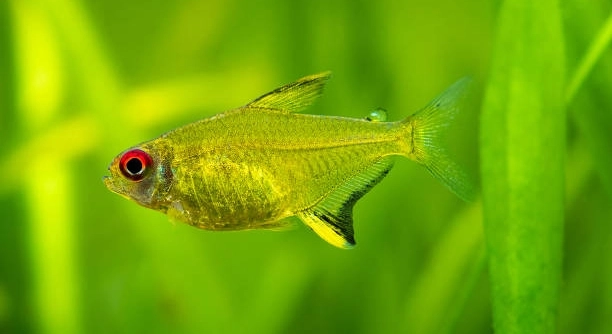
Are your lemon tetras spending most of the day tucked away in their aquarium hiding spots? Observing their behavior can be both worrying and confusing, especially when you want to see them swim actively and interact with their environment.
Lemon tetras hide all day primarily due to stress, poor water conditions, lack of proper hiding spaces, or illness. Environmental factors such as sudden changes, aggressive tank mates, and insufficient lighting also contribute to prolonged hiding behaviors in this species.
Understanding these factors will help you create a comfortable and safe environment for your fish, promoting healthier behavior and a more enjoyable aquarium experience.
Poor Water Quality
Lemon tetras are very sensitive to the conditions in their tank. If the water is not clean, their health can quickly decline, causing them to hide for long periods. High levels of ammonia, nitrites, or nitrates can make them feel unsafe. Sudden changes in water temperature can also stress them out, leading to hiding behavior. It is important to test the water regularly and perform partial water changes at least once a week. Avoid overfeeding, as leftover food can decompose and affect water quality. Maintaining a stable pH and temperature helps keep your tetras comfortable. They thrive best in slightly acidic to neutral water and temperatures between 72-78°F. Filtration and gentle water flow also make a big difference, creating a safer and calmer environment. Observing your tetras’ swimming patterns and behavior can give early signs of stress, allowing you to take corrective action before serious health issues develop.
Regular water testing and cleaning reduces stress and encourages your lemon tetras to swim confidently, decreasing hiding tendencies.
A clean tank not only keeps fish healthy but also allows them to interact naturally. Regular maintenance prevents sudden changes that can startle or harm them, ensuring they feel safe and active throughout the day.
Stress from Tank Mates
Aggressive or overly active tank mates can make lemon tetras feel threatened. If other fish chase or nip at them, hiding becomes a natural response.
Introducing new fish slowly and observing interactions can prevent prolonged stress. Lemon tetras do better in peaceful community tanks with similarly sized species.
Stress from incompatible tank mates can weaken your tetras’ immune system, making them more susceptible to disease. Even subtle harassment, such as occasional chasing, can build anxiety over time. Providing plenty of hiding spaces, like plants or decorations, helps tetras escape when needed. When selecting tank mates, consider temperament, size, and activity levels to minimize conflict. Overcrowding increases tension and reduces swimming space, which can trigger hiding. Pairing lemon tetras with calm, non-aggressive species ensures they remain active and comfortable. Observing behavior regularly is key; if hiding persists despite good water quality and environment, reevaluating tank mates may be necessary. With careful planning, tetras can flourish and display their natural vibrant colors and lively movements.
Insufficient Hiding Spots
Lemon tetras naturally seek shelter when they feel exposed. A tank without enough plants, caves, or decorations can make them feel unsafe, leading to constant hiding.
Providing dense foliage and small hiding areas allows tetras to rest without stress. Plants like Java moss, floating species, or artificial decorations create safe spaces. They feel secure when they can retreat, which reduces stress-related behavior. Without adequate cover, even healthy tetras may avoid swimming in open areas, affecting feeding and social interaction. Rearranging decorations occasionally can also stimulate exploration, helping them feel more confident. Observing where they hide most can guide improvements in tank layout.
Adding extra hiding spots encourages tetras to explore more and stay visible. Safe areas reduce anxiety and promote active swimming.
Illness or Disease
Sick lemon tetras often hide to conserve energy and avoid threats. Common illnesses include fin rot, ich, and bacterial infections. Early detection is key to preventing severe problems.
Symptoms such as clamped fins, faded colors, or labored swimming indicate health issues. Isolation in a quarantine tank allows targeted treatment, reducing stress and spreading disease to others. Monitoring water conditions, maintaining cleanliness, and providing a balanced diet support recovery. Preventing illness is easier than treating it, so routine observation is important.
Illness-related hiding is a serious concern. Sick tetras may stop eating, become lethargic, or avoid tank mates. Immediate action, including proper diagnosis and treatment, ensures recovery and reduces mortality risks, keeping your aquarium stable and your fish healthy.
Sudden Changes in Environment
Lemon tetras are sensitive to rapid changes in their tank. Moving decorations, adding new fish, or sudden temperature shifts can trigger hiding behavior.
Gradual adjustments and careful introductions help them adapt. Stability in water parameters and tank layout allows tetras to feel secure and reduces stress.
Low Lighting
Too much light or very bright conditions can make lemon tetras uncomfortable. They prefer moderate lighting with shaded areas created by plants or decorations. Proper lighting balance encourages natural activity without forcing them into constant hiding.
Overfeeding
Overfeeding can lead to poor water quality, which in turn stresses lemon tetras. Uneaten food decomposes, creating toxins that make fish retreat and hide more often.
Lack of Exercise
Lemon tetras need space to swim freely. Crowded tanks or insufficient swimming areas can make them anxious, causing prolonged hiding.
FAQ
Why does my lemon tetra hide all the time?
Lemon tetras hide mainly due to stress, poor water quality, or illness. They are naturally cautious fish and feel safer when they have plenty of hiding spaces. Sudden changes in tank conditions or aggressive tank mates can also make them retreat frequently.
How can I tell if my tetra is sick?
Signs of illness include clamped fins, faded colors, labored swimming, or loss of appetite. Fish that isolate themselves for long periods, stop eating, or behave unusually may be sick. Observing them closely and maintaining water quality can prevent many common health issues.
What kind of hiding spots do lemon tetras prefer?
They prefer dense plant cover, floating plants, and small caves or decorations. Java moss, artificial plants, or smooth rocks work well. Providing multiple hiding spots allows them to retreat when stressed without affecting their swimming space or social behavior.
Can tank mates affect their behavior?
Yes. Aggressive or overly active fish can make tetras hide constantly. Peaceful, similarly sized fish are best for community tanks. Overcrowding also increases stress and reduces swimming space, making hiding more common. Careful selection and observation are important.
How often should I clean my tank?
Regular water changes, about 20-25% weekly, help maintain water quality. Overfeeding and leftover food can quickly pollute the water. Clean filters and monitor ammonia, nitrite, and nitrate levels to reduce stress and prevent hiding. Stable conditions keep tetras active and healthy.
Does lighting affect their hiding habits?
Yes. Lemon tetras feel more comfortable with moderate lighting. Bright light without shaded areas can cause them to hide. Using plants, decorations, or dimmers helps create safe zones, encouraging them to swim confidently and explore more of the tank.
How can I reduce their stress?
Stable water conditions, gentle filtration, and plenty of hiding spots help reduce stress. Avoid sudden changes and aggressive tank mates. Gradual adjustments and a calm environment allow tetras to feel secure, increasing their activity and minimizing hiding.
Is overfeeding a problem?
Overfeeding can pollute the tank, creating ammonia spikes that stress tetras. Feeding small amounts once or twice a day and removing uneaten food helps maintain clean water. A clean environment reduces hiding behavior and encourages healthy growth.
Can rearranging decorations help?
Occasionally rearranging plants or decorations encourages exploration, but changes should be gradual. Too many sudden changes can increase stress, causing more hiding. Balance is key—new areas should offer security without overwhelming them.
How do I know my tetras are happy?
Active swimming, bright colors, regular feeding, and social interaction are signs of happy tetras. They explore their environment confidently and use hiding spots occasionally rather than constantly staying hidden. Observing their daily behavior helps track their well-being.
What should I do if hiding persists?
Check water quality, tank mates, and the presence of hiding spots. Monitor for illness or injury and isolate sick fish if needed. Gradual improvements in tank conditions and careful observation can help tetras feel safe and reduce prolonged hiding.
How many lemon tetras should I keep together?
They are schooling fish and thrive in groups of at least six. Small groups can feel insecure and hide more often. Larger groups encourage natural social behavior, reducing stress and making the aquarium more lively.
Can plants alone prevent hiding?
Plants help, but they aren’t enough by themselves. Balanced lighting, good water quality, and peaceful tank mates are equally important. Combining all these factors creates a safe environment, minimizing hiding and promoting natural behaviors.
How long does it take for them to feel comfortable?
Adjustment time varies, but tetras usually settle in within a few days to a couple of weeks. Stability in water conditions, a well-decorated tank, and a calm environment help them feel secure faster. Patience and careful monitoring are key.
Are there signs of permanent stress?
Persistent hiding, loss of color, or frequent lethargy can indicate chronic stress. Long-term stress can weaken immunity and shorten lifespan. Immediate attention to water quality, tank mates, and hiding spaces is necessary to restore health and normal behavior.
Can temperature changes affect hiding?
Yes. Lemon tetras prefer temperatures between 72-78°F. Sudden drops or rises can cause stress, prompting hiding. A stable heater and thermometer help maintain the right temperature, keeping them active and reducing anxiety.
Do they hide at night or during the day?
Lemon tetras are diurnal and are more active during the day. Hiding at night is natural and not a concern. Constant hiding during the day usually indicates stress, poor water quality, or environmental issues that need addressing.
Is it normal for some tetras to hide more than others?
Yes. Individual personalities vary. Shy or smaller fish may hide more, while dominant or confident tetras swim openly. Providing ample space and hiding spots accommodates different temperaments without harming social dynamics.
Does diet influence hiding behavior?
A poor diet can weaken immunity and cause lethargy, making tetras hide. A balanced diet of high-quality flakes, frozen, or live foods ensures energy, health, and natural activity, reducing hiding caused by weakness or stress.
Can sudden loud noises affect them?
Yes. Vibrations or loud sounds near the tank can startle tetras, causing temporary hiding. Minimizing sudden disturbances around the aquarium helps them feel secure and reduces anxiety-driven behavior.
How do I introduce new fish without causing hiding?
Quarantine new fish first and introduce them slowly. Observe interactions closely, provide hiding spaces, and avoid overcrowding. Gradual acclimation helps lemon tetras adjust without stress, maintaining confidence and minimizing prolonged hiding behavior.
Is tank size important?
Smaller tanks can increase stress, overcrowding, and hiding. Lemon tetras need at least 20 gallons for a small school. Larger tanks provide swimming space, reduce conflicts, and allow more natural behavior, encouraging activity and exploration.
Can seasonal changes affect hiding?
Changes in room temperature or lighting during different seasons may stress tetras. Keeping water parameters stable and monitoring for subtle changes helps prevent hiding caused by environmental fluctuations. Consistency is key to their comfort.
How often should I observe them?
Daily observation is important. Noticing changes in behavior, swimming patterns, or appetite allows early detection of stress or illness. Quick action reduces prolonged hiding and keeps the school healthy and active.
Are artificial plants as effective as live plants?
Yes, they provide hiding spots, but live plants offer additional benefits like improved water quality and oxygenation. A mix of both can create a secure environment while enhancing tank aesthetics and functionality.
What is the best way to encourage swimming?
Provide open areas, moderate lighting, and gentle water flow. Safe hiding spots allow tetras to retreat but encourage activity by giving them space to explore. Balanced conditions reduce stress and promote natural, lively behavior throughout the day.
Can hiding indicate aggression within the group?
Yes. Shy or weaker tetras may hide if dominant fish are aggressive. Observing group dynamics and providing enough space and hiding spots prevents prolonged hiding caused by internal conflicts.
Does tank decor placement matter?
Yes. Hiding spots should be evenly distributed, not clustered in one corner. Proper placement allows tetras to retreat safely and explore the rest of the tank, reducing stress and encouraging natural swimming patterns.
Is it normal for them to hide during feeding?
Occasional hiding is normal, but constant avoidance indicates stress or poor health. Healthy tetras usually swim openly to feed, and hiding during meals may signal an underlying issue with water, tank mates, or health.
How long do lemon tetras usually hide after being introduced to a new tank?
They may hide for several days to a week. Gradual acclimation, stable water conditions, and sufficient hiding spots help them settle faster and begin swimming confidently with the rest of the school.
Can stress from previous tanks affect behavior?
Yes. Lemon tetras can retain cautious behavior from past stress or trauma. Extra hiding spots and a calm, stable environment help them feel secure over time, gradually reducing anxiety and encouraging normal activity.
Do all tetras react the same way to stress?
No. Individual temperaments vary. Some become more aggressive or bold, while others hide. Observing each fish and providing a balanced environment ensures all tetras can cope with stress safely and maintain healthy behavior.
How do I balance hiding spots with swimming space?
Provide enough plants and decorations for retreat but keep open areas for swimming. Overcrowding can increase hiding, while too few shelters can stress shy tetras. A well-planned layout encourages exploration and minimizes constant hiding.
What role does diet variety play in behavior?
Offering a mix of flakes, frozen, and occasional live foods keeps tetras active and healthy. A varied diet supports energy, color, and natural curiosity, reducing hiding caused by weakness or boredom.
Can stress affect their lifespan?
Chronic stress from poor conditions, aggressive tank mates, or lack of hiding spots can weaken immunity and shorten life expectancy. Maintaining a stable, safe, and healthy environment is essential for longevity and normal behavior.
Are some hiding behaviors temporary?
Yes. Temporary hiding often occurs during water changes, rearrangements, or brief disturbances. These behaviors usually resolve quickly once the environment stabilizes, unlike prolonged hiding caused by stress or illness.
How do I know if hiding is severe?
Persistent hiding during the day, refusal to eat, faded colors, or lethargy indicates severe stress or illness. Immediate action, including water testing, observation, and possibly quarantine, is needed to restore health and activity.
Does the number of hiding spots affect social dynamics?
Yes. More hiding spots allow shy fish to escape without constant confrontation, balancing group interactions. Too few shelters can increase stress and aggression, while too many may reduce social cohesion. Proper distribution ensures comfort for all fish.
Can I prevent hiding completely?
No. Hiding is a natural behavior for safety and rest. The goal is to minimize unnecessary hiding caused by stress, poor water, or illness, while allowing fish to feel secure and active when comfortable.
Is hiding more common in younger tetras?
Yes. Younger or smaller tetras are often more cautious and hide more than adults. Providing safe spaces and calm tank conditions helps them grow confident and eventually participate actively in the school’s social dynamics.
Do tank temperature fluctuations at night matter?
Minor nighttime fluctuations are usually fine. Large swings can stress tetras and cause daytime hiding. Maintaining stable temperatures with a reliable heater helps reduce stress and keeps fish active during the day.
Are tetras more likely to hide in certain seasons?
Yes, changes in lighting, temperature, or human activity can trigger more hiding during seasonal transitions. Monitoring conditions and keeping them consistent reduces seasonal stress and encourages normal behavior.
How long should I wait before intervening if they hide?
Observe for a few days while checking water quality and tank conditions. If hiding persists beyond a week, investigate possible stressors, illness, or environmental issues. Timely intervention prevents prolonged anxiety and health problems.
Can hiding be a sign of overpopulation?
Yes. Crowded tanks increase stress, reduce swimming space, and force tetras to hide. Maintaining proper stocking levels and providing adequate space ensures fish can swim freely and retreat when needed.
Do floating plants help reduce hiding?
Yes. Floating plants offer shade and shelter, creating safe zones that reduce anxiety. They also diffuse light, preventing overly bright conditions that might make tetras feel exposed.
What should I do if my tetras hide after a tank move?
Introduce them slowly, maintain water parameters, and provide plenty of hiding spots. Temporary hiding is normal, but prolonged retreat may require checking for stressors, aggression, or illness. Gradual acclimation helps them adjust and explore the new tank.
Can hiding indicate bullying?
Yes. Dominant or aggressive fish can force timid tetras into hiding. Observing interactions and providing adequate space and shelter prevents prolonged stress and ensures all fish feel safe.
How do I make the tank feel secure for shy fish?
Provide multiple hiding spots, stable water, calm tank mates, and gentle filtration. Balanced lighting and minimal disturbances help shy tetras feel confident, reducing hiding while allowing natural exploration.
Is hiding more common during feeding times?
Constant hiding during feeding may indicate stress, fear, or illness. Healthy tetras usually swim actively to feed. Ensuring safe conditions, proper diet, and calm surroundings encourages normal feeding behavior and reduces hiding.
Can tank decorations reduce stress permanently?
Decorations help by providing security, but they must be combined with good water quality, compatible tank mates, and stable conditions. A secure environment promotes long-term confidence and reduces hiding behaviors.
Are some tetras naturally more cautious?
Yes. Individual temperament varies, with some fish being naturally shy. Adequate hiding spots, calm tank mates, and a stable environment help them feel safe while encouraging gradual exploration and activity.
Does hiding affect breeding behavior?
Yes. Stressed or frequently hiding tetras are less likely to spawn. Providing safe spaces, proper nutrition, and a stable environment encourages breeding behavior and reduces anxiety-driven hiding.
Can I use dim lighting to reduce hiding?
Moderate dim lighting helps tetras feel secure, creating shaded areas without forcing constant hiding. Combining dim light with plants and decorations encourages natural swimming and reduces stress.
Do all lemon tetras hide for the same reasons?
No. Causes vary, including stress, illness, tank conditions, or individual temperament. Observing behavior carefully helps identify specific reasons and take appropriate action for each fish.
How long should I monitor hiding behavior?
Continuous observation for at least a week helps identify patterns, stressors, or health issues. Early detection prevents prolonged hiding and ensures tetras remain active and healthy.
Is hiding normal after water changes?
Temporary hiding is normal during water changes due to disturbance. Prolonged hiding after changes may indicate sensitivity to water parameters or stress from sudden environmental shifts. Gradual adjustments help them adapt.
Can hiding be reduced with more plants?
Yes, additional plants provide shelter and security, reducing unnecessary hiding. Combine with stable water, compatible tank mates, and moderate lighting to encourage confident swimming and social interaction.
Do shy tetras ever come out on their own?
Yes. Once they feel safe, they gradually explore and join the school. Patience, stable conditions, and adequate hiding spots allow them to build confidence and reduce prolonged hiding.
Are there signs that hiding is due to aggression?
Frequent chasing, nipped fins, or constant retreat indicate aggression. Rearranging tank layout, adding hiding spots, or separating aggressive individuals reduces stress and allows timid tetras to feel secure.
Can diet changes affect hiding?
Yes. Nutritional deficiencies or low-quality food can weaken fish, making them hide more. Offering a balanced diet improves energy, health, and willingness to explore the tank confidently.
How do I encourage tetras to swim together?
Provide open areas, sufficient space, and moderate lighting. Safe hiding spots reduce fear, while proper social structure and compatible tank mates encourage schooling behavior and reduce unnecessary hiding.
Is hiding a sign of long-term stress?
Persistent hiding combined with lethargy, poor appetite, or faded colors indicates long-term stress. Immediate action to improve environment, water quality, and social conditions is essential to restore normal behavior and health.
Can water flow affect hiding behavior?
Yes. Too strong a current can stress tetras, while gentle flow mimics natural conditions and encourages swimming. Proper water circulation reduces hiding and promotes active behavior.
Do tetras hide more in small tanks?
Yes. Limited space increases stress, reduces swimming freedom, and forces shy fish to retreat. Adequate tank size with proper schooling numbers prevents prolonged hiding and encourages natural behavior.
Can hiding be a sign of aging?
Older tetras may hide more due to decreased energy or mobility. Providing safe zones and calm tank mates helps them stay comfortable while still participating in normal social activities.
Is hiding behavior different in groups versus alone?
Yes. Lemon tetras in schools feel safer and hide less. Isolated fish are more likely to retreat due to insecurity. Group dynamics significantly influence hiding behavior and overall confidence.
Does tank shape affect hiding?
Yes. Tanks with long horizontal swimming areas and enough vertical structures allow tetras to explore while having safe retreats. Poorly designed tanks may force constant hiding.
How do I know hiding is due to fear?
Sudden retreats, trembling, or avoidance of tank mates and food indicate fear. Providing secure hiding spots and monitoring environmental factors can help reduce anxiety-driven behavior.
Are some types of hiding safer than others?
Yes. Using plants and caves that allow quick escape without trapping fish is ideal. Avoid decorations with sharp edges or narrow spaces that could injure tetras while hiding.
Can I prevent hiding completely in a community tank?
No. Hiding is a natural survival behavior. The goal is to minimize stress-driven hiding by providing a safe, stable, and enriched environment that supports healthy activity and social interaction.
Does water hardness affect hiding?
Yes. Lemon tetras prefer soft to moderately hard water. Extreme hardness can cause stress and hiding. Maintaining appropriate water chemistry ensures comfort and reduces unnecessary retreating behavior.
How important is temperature consistency?
Very important. Fluctuations cause stress, leading to prolonged hiding. Using a stable heater and monitoring with a thermometer helps maintain consistent temperatures, keeping tetras confident and active.
Can overstocking increase hiding behavior?
Yes. Too many fish create competition, stress, and limited swimming space. Proper stocking ensures tetras have room to move and retreat, reducing hiding and promoting natural schooling behavior.
Are hiding patterns predictable?
Somewhat. Tetras may retreat during disturbances, bright lights, or feeding times if stressed. Observing habits helps identify triggers and improve tank conditions to reduce hiding frequency.
Does water pH influence hiding?
Yes. Lemon tetras prefer slightly acidic to neutral water. Extreme pH levels can stress fish, prompting prolonged hiding. Maintaining stable pH helps them feel secure and active.
Is hiding more common in newly introduced tetras?
Yes. New fish often hide until they adjust to water conditions, tank mates, and layout. Gradual acclimation and plenty of hiding spots speed up this process.
Can seasonal temperature shifts trigger hiding?
Yes. Sudden changes in room temperature or heating cycles can stress tetras. Consistent water parameters and stable environmental conditions prevent hiding caused by seasonal fluctuations.
How do I balance hiding spaces and swimming areas?
Provide enough plants, caves, and decorations without overcrowding. Open swimming areas allow exploration, while sufficient shelters reduce stress. This balance encourages natural behavior and minimizes unnecessary hiding.
Do lemon tetras hide more in certain tank locations?
Yes. They often retreat to corners or densely planted areas if they feel exposed. Proper distribution of hiding spots encourages even activity and reduces prolonged hiding in specific locations.
Can hiding affect feeding habits?
Yes.
Lemon tetras are naturally cautious fish, and hiding is part of their instinctive behavior. It allows them to feel safe and avoid potential threats, even in a home aquarium. While it may seem worrying to see them tucked away most of the day, some hiding is normal, especially when they are adjusting to a new tank or recovering from minor stress. Understanding their natural tendencies helps you respond calmly and create an environment where they feel secure. Providing enough plants, decorations, and open swimming space allows tetras to balance safety and activity, which supports both their physical and mental health. Hiding spots not only reduce stress but also encourage natural behaviors like exploring and social interaction with their school.
Maintaining stable water conditions is one of the most important ways to reduce excessive hiding. Lemon tetras are sensitive to temperature, pH, and water chemistry changes, and even small fluctuations can make them retreat. Regular water testing, partial water changes, and proper filtration create a healthy environment that supports their confidence and activity. Avoid overfeeding, as leftover food can pollute the tank and stress the fish. Peaceful tank mates and adequate space are equally important, as aggression or overcrowding can lead to prolonged hiding. Observing your tetras daily allows you to spot early signs of stress or illness, which can often be corrected quickly with small adjustments to the tank environment. A calm, consistent routine benefits both the fish and the overall harmony of the aquarium.
Addressing hiding behavior also means considering health and nutrition. Sick or weak tetras may hide for long periods to conserve energy, and early detection of illness can prevent more serious problems. Providing a balanced diet, including flakes, frozen foods, and occasional live options, supports their energy levels and natural activity. Hiding can sometimes indicate individual personality differences, as some tetras are naturally more cautious than others. With patience and careful observation, shy tetras gradually become more confident, exploring the tank and interacting with their school. By combining stable water conditions, proper nutrition, safe hiding spots, and compatible tank mates, you create an environment where lemon tetras can thrive. Their occasional hiding becomes a normal part of life rather than a sign of ongoing stress, allowing you to enjoy their colors, movement, and social behavior every day.

Hello,
If you enjoy the content that we create, please consider saying a "Thank You!" by leaving a tip.
Every little bit helps us continue crafting quality advice that supports the health, happiness, and well-being of pets around the world, for pets of all shapes, sizes, and species.
We really appreciate the kindness and support that you show us!