
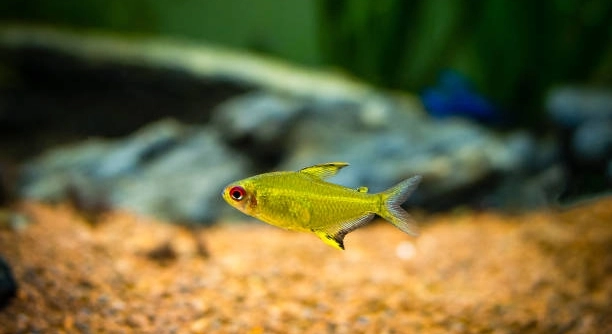
Do your lemon tetras keep swimming straight into the glass of your aquarium? Many fish owners notice this behavior and feel puzzled. It can seem sudden, frustrating, and even worrying, leaving you unsure about your fish’s wellbeing.
Lemon tetras often swim into glass due to reflections and confusion in their environment. They perceive the glass as open space or see their own reflection, which can trigger repetitive swimming patterns and stress responses in these delicate fish.
Understanding why this happens can help you create a calmer tank environment. Small adjustments in lighting, decorations, and tank layout can make a noticeable difference for your fish.
Why Lemon Tetras Swim Into Glass
Lemon tetras are small, delicate fish that thrive in calm, well-planted aquariums. Swimming into the glass is usually a sign of stress or confusion. Bright lighting, sudden movements outside the tank, or a lack of hiding spots can make them feel exposed. Reflections in the glass trick their eyes, and they may think there is more space to explore or another fish to interact with. Over time, repeated contact with the glass can cause stress and even minor injuries. Adjusting decorations, adding plants, or diffusing light can reduce this behavior. Many owners notice that once the tank environment feels more secure, the tetras swim naturally and spend less time bumping into surfaces. Observing your fish carefully helps identify patterns and triggers. A calmer environment not only prevents this behavior but also promotes better health and longevity for your tetras.
Stress and reflections are the main reasons lemon tetras swim into glass.
Simple changes like adding plants or moving decorations can significantly reduce glass collisions. Tetras respond quickly to small improvements.
How to Prevent Glass Collisions
Reducing reflections is key to preventing this behavior. Covering part of the tank or repositioning lighting can minimize visual confusion for the fish.
Adding plants, rocks, and other hiding spots helps lemon tetras feel secure. They naturally swim through and around obstacles, which keeps them active and lowers stress. Open, empty spaces make them more likely to swim straight into the glass. Keeping the tank clean and maintaining consistent water conditions also helps reduce stress levels. Sometimes, rearranging the tank layout in subtle ways can redirect their swimming patterns without shocking them. Observing the tank at different times of the day may reveal triggers, like sunlight hitting the glass or shadows from objects nearby. Small changes, such as moving the tank away from busy areas or reducing direct light, can make a noticeable difference. Tetras are sensitive to their surroundings, so even minor improvements in the aquarium setup can help them swim more naturally and avoid repeated contact with the glass.
Tank Setup Adjustments
Adding plants and decorations gives lemon tetras places to explore and hide, reducing stress and limiting glass collisions. Dense planting in corners and along tank sides is especially helpful for creating secure zones where they feel comfortable.
Careful tank layout can make a big difference. Open areas encourage more swimming but also increase the chance of hitting glass. Arranging plants, driftwood, and rocks to create pathways helps tetras navigate safely. They feel more confident swimming through tunnels or around obstacles. Adjusting lighting can also help by reducing harsh reflections on glass surfaces. Consistent water conditions further lower stress and improve behavior. Watching their movement and noticing patterns can guide small, effective changes in the setup, leading to calmer, healthier fish that spend less time bumping into surfaces.
Adding floating plants or dimming lights can further reduce reflections. Lemon tetras often respond quickly to small, thoughtful adjustments in their environment. Creating a mix of hiding spots and swimming spaces encourages natural behavior and reduces repetitive contact with tank walls. Over time, minor changes can prevent injuries and promote more relaxed, active schooling among your fish. Observing how they explore new areas helps refine the setup even further.
Behavioral Observations
Tracking the fish’s activity at different times can reveal stress triggers and habits. Consistent observation helps identify patterns in swimming behavior.
Lemon tetras may swim into glass more frequently during feeding or when tank conditions fluctuate. Stress from water changes, temperature shifts, or sudden movement near the tank can heighten this behavior. Recording when collisions happen and under what conditions allows you to address the specific causes. Adjusting lighting schedules, rearranging decorations, or adding plants in areas where they tend to swim repeatedly can redirect their movement. Regular observation also makes it easier to detect early signs of illness, injury, or stress before it becomes serious. Small, deliberate changes can make a big difference in their daily activity and overall well-being, ensuring the tetras remain active without unnecessary risk of harming themselves.
Lighting Considerations
Harsh or direct lighting can create reflections on the tank glass, confusing lemon tetras. Adjusting light intensity or angle reduces these reflections and makes the tank feel safer for swimming.
Using a soft, diffused light mimics natural conditions and helps fish see their environment clearly. Dimmed lighting reduces stress and prevents repeated collisions with glass, promoting calmer behavior and better overall health.
Water Quality Impact
Stable water conditions are essential for lemon tetras’ wellbeing. Fluctuations in temperature, pH, or ammonia levels can increase stress, leading to glass collisions. Consistent monitoring and maintenance support healthy, natural swimming behavior and reduce anxiety in the fish.
Tank Placement
Placing the tank away from busy areas and direct sunlight lowers stress. Lemon tetras feel more secure in quiet, stable environments, decreasing their tendency to swim into glass.
FAQ
Why do lemon tetras keep swimming into the glass even with decorations?
Even with decorations, reflections on the glass or sudden movements outside the tank can confuse lemon tetras. They may mistake their reflection for another fish or open space, causing repeated collisions. Dense planting in multiple areas and reducing light glare helps minimize this behavior.
Can stress from water quality make tetras swim into glass?
Yes, poor water conditions increase stress and abnormal swimming patterns. Rapid changes in temperature, pH, or ammonia levels can make tetras anxious. Maintaining stable, clean water helps reduce collisions and supports healthy, natural swimming behavior.
Will adding more plants completely stop this behavior?
Adding plants creates hiding spots and breaks up open areas, which helps, but it may not fully stop the behavior. Reflections, sudden noise, or light changes can still trigger glass collisions. Combining plants with controlled lighting and calm tank placement is most effective.
Is this behavior harmful to lemon tetras?
Frequent collisions can cause stress, minor injuries, or fin damage. It also indicates that the fish feel insecure or overstimulated in their environment. Making small adjustments in the tank layout, lighting, and decorations can prevent long-term harm.
Does tank size affect how often they hit the glass?
Smaller tanks with limited swimming space increase the likelihood of glass collisions. Lemon tetras need enough room to school and explore safely. Larger tanks with obstacles, plants, and varied swimming zones help reduce this repetitive behavior.
Can reflections from other objects outside the tank cause problems?
Yes, reflections from windows, mirrors, or shiny surfaces outside the tank can confuse tetras. They may swim toward these reflections, thinking it’s open space or another fish. Adjusting the tank’s position and reducing glare improves their comfort and reduces collisions.
How long does it take for tetras to stop swimming into glass after changes?
Behavior improvement can vary. Some fish adjust within a few days, while others may take a week or more. Continuous observation and incremental changes in decorations, lighting, and hiding spots help them adapt more quickly.
Should I rearrange the tank if tetras keep hitting the glass?
Yes, subtle rearrangements can redirect swimming patterns. Moving plants, rocks, and decorations to create natural pathways reduces stress and breaks up open areas. Avoid drastic changes all at once, as sudden adjustments may cause more anxiety.
Do tetras hit the glass more when feeding?
Yes, feeding can excite them and trigger fast swimming, which increases the chance of collisions. Placing food in varied areas, providing slow-release feeding options, and observing their behavior helps reduce accidents during mealtime.
Can dimming the lights prevent glass collisions?
Dimming or diffusing lighting reduces reflections and glare, which often confuse tetras. Using softer light levels and avoiding direct sunlight improves visual clarity for the fish, lowering stress and helping them swim more naturally.
Is it normal for tetras to explore the glass occasionally?
Occasional swimming near glass is normal as they explore boundaries. Persistent collisions, however, indicate stress, confusion, or environmental issues. Monitoring their behavior and making small tank adjustments ensures they remain safe while exploring.
What other methods help tetras feel secure in the tank?
Adding floating plants, driftwood, or layered decorations gives tetras visual barriers and hiding spaces. Stable water parameters, calm placement away from high-traffic areas, and minimal sudden movements around the tank create a more secure environment. These combined methods reduce stress and prevent repetitive glass collisions.
Can schooling behavior affect glass collisions?
Yes, lemon tetras are schooling fish, and their coordination can be disrupted by reflections, empty spaces, or stress. A well-structured environment with obstacles and hiding spots encourages natural schooling and reduces the likelihood of swimming into the glass.
Do all lemon tetras exhibit this behavior?
Not all, but many do under certain conditions. Stress, reflections, poor tank setup, or sudden disturbances can trigger it. Providing proper tank conditions and observing each fish individually ensures safer swimming patterns.
How often should I monitor the tank for this behavior?
Daily observation is ideal. Regular monitoring helps identify patterns, triggers, or early signs of stress or injury. Consistent checks allow small adjustments before the behavior becomes harmful or persistent.
Does tank maintenance influence this behavior?
Yes, clean water, stable temperature, and consistent care reduce stress. Neglecting maintenance increases anxiety, making tetras more likely to swim into glass. Routine upkeep supports healthy, confident swimming.
Are reflections from other fish a problem?
Yes, seeing their reflection or other fish in mirrored surfaces can confuse lemon tetras. They may react as if another fish is present, causing collisions. Strategic plant placement and limiting reflective surfaces help.
Can rearranging the tank frequently help?
Occasional, thoughtful rearrangements help redirect swimming patterns and prevent repetitive behavior. Frequent or drastic changes, however, may increase stress. Incremental adjustments are most effective.
Do tetras ever hit glass out of boredom?
Yes, lack of stimulation or insufficient hiding spots can lead to repetitive swimming, including hitting glass. Enriching the tank with plants, decorations, and gentle activity reduces boredom and promotes healthier behavior.
Will adding tank mates reduce this behavior?
Adding compatible fish can encourage natural schooling and exploration, but it doesn’t solve reflections or stress from poor tank setup. Balance in numbers, proper space, and environmental improvements are key.
How can I tell if the fish are injured from collisions?
Look for fin damage, scratches, or faded color. Persistent stress can also show as erratic swimming or hiding. Promptly addressing tank setup and environmental factors helps prevent further injury.
Does this behavior decrease as tetras mature?
Often, yes. Younger or newly introduced tetras may collide more due to stress and exploration. Mature, comfortable fish in a stable tank usually swim more calmly and avoid repeated collisions.
Are lemon tetras more prone to hitting glass than other small fish?
They are sensitive and reactive to reflections and tank conditions, so this behavior may appear more frequently than in less reactive species. Providing a secure, well-structured environment helps reduce incidents.
Can using a background on the tank help?
Yes, a solid background reduces outside distractions and reflections, making tetras feel safer. This simple adjustment can lower stress and prevent collisions.
Should I be concerned if one fish keeps hitting the glass while others do not?
Yes, it may indicate stress, illness, or environmental sensitivity. Monitoring that fish closely and adjusting its section of the tank ensures it remains safe and healthy.
Do tetras adjust quickly to new tanks?
Some do, while others take time to acclimate. Providing hiding spots, stable water, and minimal disturbances helps them adjust faster and prevents glass collisions during the transition.
Can feeding in multiple spots reduce collisions?
Yes, spreading food encourages movement throughout the tank instead of concentrated areas near glass. It reduces excitement-related collisions and promotes healthier exploration.
Are reflections from equipment a problem?
Yes, filters, heaters, or air pumps can create visual distortions or reflections. Covering or repositioning equipment reduces confusion and prevents repetitive swimming into these areas.
How often should I change the tank layout to prevent boredom?
Occasional adjustments are helpful, but frequent drastic changes increase stress. Minor changes every few weeks, like adding a new plant or rearranging rocks, keep the environment interesting without overwhelming the fish.
Do tetras hit glass more at certain times of day?
Yes, during feeding, bright light periods, or when sudden movement occurs outside the tank. Observing patterns helps identify triggers and adjust the environment accordingly.
Can using a background plant or decoration near the glass reduce reflections?
Yes, placing plants or decorations along glass surfaces breaks up reflections, making it easier for tetras to navigate and reducing collisions.
Is this behavior reversible with proper care?
Yes, most tetras adapt quickly when reflections, stress, and tank setup issues are addressed. Observation, adjustments, and consistent care help them develop safer swimming habits.
Can other fish mimic this behavior?
Occasionally, yes. Schooling fish may copy stressed or confused individuals. Ensuring a calm environment for all tank mates minimizes this risk and encourages natural behavior.
Do tetras need enrichment to prevent collisions?
Yes, environmental enrichment with plants, decorations, and varied swimming zones keeps them mentally stimulated and reduces repetitive behaviors like hitting glass.
Are there signs that tetras are adjusting well to changes?
Yes, calmer swimming, less frequent collisions, and regular schooling indicate they are comfortable. Observing these signs helps confirm the environment is effective and supportive.
What is the best overall approach to prevent glass collisions?
A combination of stable water conditions, thoughtful tank layout, soft lighting, hiding spots, careful placement, and observation reduces stress and reflections. These measures create a secure environment, encouraging natural swimming and preventing repetitive collisions in lemon tetras.
How do I monitor long-term improvement?
Track daily behavior, note frequency of collisions, and observe for stress or injury signs. Consistent monitoring helps maintain a safe environment and supports healthy, natural swimming habits.
Can I use a glass cover to prevent collisions?
A cover does not solve reflections or stress but prevents escape. Environmental adjustments remain essential to reduce actual collisions and improve overall well-being.
Do tetras ever learn to avoid the glass on their own?
Sometimes, yes, as they adapt to reflections and secure surroundings. Observing their behavior helps reinforce effective tank conditions.
Are all adjustments reversible if they do not work?
Yes, incremental changes are easy to reverse. Testing one modification at a time ensures the environment remains safe and comfortable without overwhelming the fish.
How important is patience in correcting this behavior?
Patience is critical. Lemon tetras respond to gradual, consistent improvements. Rushed changes may increase stress, while slow adjustments promote lasting, natural swimming patterns.
Will observing other tetras help in correcting behavior?
Yes, watching group dynamics can reveal triggers and patterns. Adjustments can then target specific causes, helping the whole school swim calmly and safely.
Are there signs that my tank setup is ideal?
Calm, natural swimming, fewer collisions, and active schooling indicate an effective setup. Regular observation ensures the environment continues to meet the fish’s needs over time.
Does tank maintenance frequency affect behavior long-term?
Yes, consistent water changes, cleaning, and monitoring maintain stability. Healthy, stable conditions reduce stress and prevent repetitive glass collisions, supporting overall fish health.
Can stress from tank mates increase collisions?
Yes, aggressive or overly active tank mates can heighten anxiety, causing tetras to bump into glass. Selecting compatible fish and providing ample hiding spots minimizes stress.
Do tetras need a specific light schedule to prevent stress?
Yes, a consistent day-night cycle reduces confusion and reflections. A predictable schedule supports calm swimming behavior and lowers collision risk.
How often should I review tank conditions to prevent this behavior?
Weekly checks of water quality, decorations, and lighting help maintain a stable, secure environment, reducing stress and promoting natural swimming patterns.
Can reflections in the water surface cause collisions?
Yes, bright light or movement above the tank can create visual confusion. Floating plants or dimmed lighting helps minimize this effect.
Does overcrowding make collisions worse?
Yes, too many fish in a small space increase stress and limit swimming room. Proper stocking levels support calmer behavior and reduce collisions.
Are lemon tetras more prone to glass collisions when newly introduced?
Yes, new fish may feel insecure and swim erratically. Providing hiding spots, gentle lighting, and gradual acclimation reduces stress and prevents repeated collisions.
Will feeding more frequently help?
Yes, small, spaced-out feedings reduce frantic movement near the glass and help tetras swim naturally throughout the tank.
Do seasonal changes affect this behavior?
Yes, variations in sunlight, temperature, or household activity can increase reflections or stress. Adjusting tank placement or lighting during seasonal changes keeps fish calmer.
Can introducing a mirrored surface temporarily help tetras adjust?
No, mirrors often worsen collisions by creating false reflections. Focus on hiding spots, plants, and soft lighting instead.
Is behavior improvement permanent after adjustments?
Yes, with consistent care and stable conditions, tetras typically maintain safer swimming habits and fewer collisions. Observation ensures lasting results.
Can minor tank vibrations cause this behavior?
Yes, vibrations from appliances or furniture can startle fish and increase collisions. Minimizing external disturbances helps maintain calm behavior.
How do I know if tetras are stressed even without hitting glass?
Signs include erratic swimming, hiding, loss of color, or reduced appetite. Addressing stressors early prevents future collisions and supports overall health.
Do lemon tetras need a specific tank depth to avoid collisions?
Not strictly, but deeper tanks provide more swimming space. Combined with plants and decorations, this reduces repetitive collisions and encourages natural schooling behavior.
Can adjusting water flow help prevent collisions?
Yes, gentle flow encourages natural swimming and prevents tetras from rushing into glass. Avoid strong currents that may stress them further.
Do reflections from heater lights affect behavior?
Yes, small or bright heater lights can create reflections. Covering or repositioning them reduces confusion and lowers collision risk.
Is it normal for behavior to fluctuate?
Yes, minor fluctuations occur with environmental changes or stress. Continuous observation and stable conditions help maintain calm, safe swimming patterns.
How can I encourage natural schooling to reduce collisions?
Provide ample swimming space, consistent water conditions, and secure hiding spots. A well-structured environment encourages coordinated movement, minimizing glass contact.
Do tetras interact with their reflections?
Yes, they may treat reflections as other fish, causing repeated collisions. Reducing reflective surfaces and providing hiding spots helps.
Can I use background color to reduce stress?
Yes, neutral or dark backgrounds reduce visual distractions, reflections, and stress, helping tetras swim calmly.
Should I adjust feeding times based on observed collisions?
Yes, feeding when fish are less active or spreading food throughout the tank reduces excitement-related collisions.
Do lemon tetras need companion species to prevent boredom?
Compatible companions can encourage natural behavior but do not replace secure tank setup. Space, hiding spots, and reflections remain key factors.
Will the fish stop hitting glass if I reduce outside movement?
Yes, minimizing activity near the tank lowers stress and reduces collisions caused by sudden disturbances.
Are there long-term effects of repeated glass collisions?
Frequent collisions can stress fish, cause injuries, and increase susceptibility to disease. Environmental improvements prevent lasting harm.
Do lemon tetras ever develop avoidance skills naturally?
Yes, they may learn to navigate reflections and obstacles, but supportive tank conditions speed adaptation and reduce injury risk.
How do I balance open space and hiding spots?
Provide enough open swimming areas for activity while placing plants, rocks, and decorations strategically to reduce glass collisions and create safe zones.
Can water temperature fluctuations increase collisions?
Yes, sudden changes make tetras anxious and more likely to swim erratically. Stable, consistent temperatures reduce this risk.
Do reflections from ornaments matter?
Yes, shiny ornaments can create confusing reflections. Choosing matte or natural decorations helps minimize collisions.
Is it normal for one fish to lead others into collisions?
Sometimes, stressed or confused individuals influence schooling patterns. Addressing environmental triggers helps prevent this behavior from spreading.
Can rearranging plants too often increase stress?
Yes, frequent drastic changes can cause anxiety. Gradual adjustments are safer and encourage natural, calm swimming.
Do lemon tetras ever use reflections for social interaction?
Occasionally, but they often misinterpret them, causing collisions. Reducing reflective surfaces promotes safer behavior.
How can I tell if changes are effective?
Fewer collisions, calmer swimming, and healthy, active schooling indicate successful adjustments. Consistent observation confirms long-term results.
Do shadows outside the tank affect behavior?
Yes, moving shadows or sudden changes in light can startle tetras, increasing collisions. Stable lighting and background placement reduce stress.
Can multiple small adjustments be more effective than one large change?
Yes, gradual modifications allow tetras to adapt without increasing stress, producing more lasting behavior improvements.
Are lemon tetras sensitive to vibrations from nearby equipment?
Yes, subtle vibrations can cause erratic swimming and collisions. Placing the tank on a stable surface reduces this effect.
Do floating plants help reduce reflections and stress?
Yes, floating plants diffuse light, block reflections, and provide additional hiding areas, promoting calmer swimming behavior.
Can aquarium background patterns affect behavior?
Yes, patterns that reduce reflections or create depth help tetras navigate safely and lower stress.
Is this behavior more common in new tanks?
Yes, newly established environments can confuse tetras. Adding plants, decorations, and stable conditions accelerates adjustment.
Do tetras need time to adapt to each change?
Yes, gradual adaptation reduces stress. Observing their response before making further adjustments ensures effective results.
Will calmer surroundings prevent collisions long-term?
Yes, consistent environmental stability, proper layout, and reduced reflections support safer swimming and lower collision frequency.
Does tank shape matter for this behavior?
Yes, longer tanks provide more swimming space. Combining proper tank shape with decorations and hiding spots reduces collisions.
Are lemon tetras more prone to hitting glass alone or in groups?
Both can happen, but stress in a group may lead to copied behavior. Ensuring enough space and hiding areas prevents this.
How often should I adjust lighting to maintain calm behavior?
Maintain a consistent schedule. Minor gradual adjustments may help, but abrupt changes can increase stress and collisions.
Do tetras recognize their reflection over time?
Sometimes, but they may continue occasional collisions. Reducing reflections and providing secure spaces is more effective than expecting full recognition.
Can external noise trigger collisions?
Yes, sudden loud noises can startle tetras, causing erratic swimming. Quiet surroundings support calm, safe behavior.
Are there natural indicators that tetras are comfortable?
Calm, coordinated schooling, regular swimming patterns, and reduced collisions indicate a secure and stress-free environment.
Can glass thickness or clarity impact collisions?
Yes, highly reflective or very clear glass can confuse fish. Using background materials or matte surfaces reduces visual confusion and stress.
Do seasonal lighting changes in the house matter?
Yes, shifting sunlight or room lighting can increase reflections. Adjusting tank placement and shading helps maintain stability.
Is this behavior ever a sign of disease?
Occasionally, erratic swimming or repeated collisions may indicate illness. Monitoring for other symptoms ensures early detection and treatment.
Does tank lid transparency matter?
Yes, transparent lids can create reflections. Using opaque or frosted lids reduces confusion and collisions.
Can lemon tetras teach each other to avoid glass?
Partially, through observation and imitation. Environmental adjustments remain the primary method for reducing collisions.
Do tank angles relative to light sources matter?
Yes, angling the tank to minimize glare and
Lemon tetras are small, lively fish that can bring a lot of movement and color to a tank. Their habit of swimming into glass is common, but it can also be worrying if you notice it happening repeatedly. This behavior usually happens because the fish are confused by reflections, stressed by their environment, or simply exploring empty spaces. Observing your fish closely is important to understand what triggers this behavior. By watching when and where they swim into glass, you can learn which parts of the tank might be causing stress or confusion. Small, careful changes to the tank can often make a big difference in helping your fish feel more secure and comfortable.
Adjusting the tank setup is one of the most effective ways to reduce glass collisions. Adding plants, rocks, and other decorations gives lemon tetras places to hide and explore, which naturally encourages calmer swimming. Dense planting along the sides and corners of the tank helps break up reflections and prevents fish from repeatedly hitting the glass. Even small additions, like floating plants or soft decorations, can reduce confusion and create a more natural environment. Lighting also plays an important role. Bright, harsh lights can create reflections and make the glass appear like open space, so using diffused or dimmed lighting helps the fish see their surroundings more clearly. A consistent day-night cycle also lowers stress and supports natural behavior.
Water quality and overall tank maintenance are equally important for keeping lemon tetras safe and healthy. Sudden changes in temperature, pH, or other water conditions can increase stress, making collisions more likely. Regular monitoring and careful maintenance help ensure a stable environment that supports natural swimming patterns. Placement of the tank also matters; keeping it away from direct sunlight or high-traffic areas in the home reduces external disturbances that may startle the fish. Over time, with thoughtful observation, proper tank setup, and steady care, lemon tetras usually adjust well and show calmer, more natural behavior. Providing a secure, well-maintained environment allows them to swim freely, school naturally, and enjoy their habitat without unnecessary risk of injury from glass collisions.

Hello,
If you enjoy the content that we create, please consider saying a "Thank You!" by leaving a tip.
Every little bit helps us continue crafting quality advice that supports the health, happiness, and well-being of pets around the world, for pets of all shapes, sizes, and species.
We really appreciate the kindness and support that you show us!