
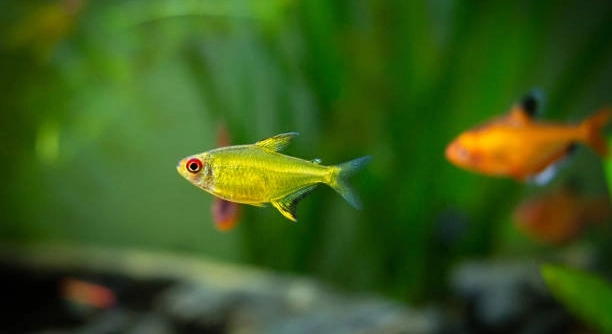
Do your lemon tetras seem less vibrant than before, their bright yellow fading into duller shades over time? Many fish owners notice this subtle change and wonder what affects their beloved aquarium companions’ appearance.
Lemon tetra fin color fades primarily due to stress, poor water quality, inadequate nutrition, and aging. High levels of ammonia or nitrites, insufficient vitamins, or prolonged exposure to unsuitable environments can all cause pigmentation to diminish significantly.
Understanding these influences helps maintain your tetras’ natural brilliance and overall health. Paying attention to water conditions, diet, and tank environment ensures their colors stay vibrant longer.
Common Causes of Lemon Tetra Fin Color Fading
Lemon tetras are sensitive fish, and several factors can lead to their fins losing color. Poor water quality is a major issue. High levels of ammonia, nitrites, or nitrates can weaken their immune system and reduce pigmentation. Temperature fluctuations can also stress the fish, making colors less vibrant. Diet plays a key role as well. Without sufficient vitamins, carotenoids, and protein, their natural yellow hues can fade. Overcrowding or aggressive tank mates may further stress them, which in turn affects coloration. Even lighting can influence how their colors appear, as low light can make them look duller. Paying attention to tank hygiene, providing a balanced diet, and ensuring a stable environment are essential steps in maintaining bright, healthy fins. Regular water changes and careful observation of behavior can prevent stress-related color loss, keeping lemon tetras healthy and visually striking.
Water quality and diet are the most immediate factors affecting fin color, and improvements here often show quick results.
Maintaining color in lemon tetras requires consistent effort. Regular monitoring of water parameters, including ammonia, nitrite, nitrate, and pH, helps prevent stress and disease. Feeding a varied diet with high-quality flakes, frozen foods, and occasional live food ensures adequate nutrients for pigmentation. Reducing overcrowding and avoiding aggressive species lowers stress, which directly impacts fin vibrancy. Providing proper lighting and resting areas supports their natural behavior and color expression. Even simple steps like cleaning decorations and changing water on a regular schedule contribute to a stable environment. Observing subtle changes in color or behavior can signal early signs of stress or illness, allowing timely intervention. Over time, these practices help maintain healthy fins and overall vitality, letting lemon tetras display their natural yellow brilliance consistently, rather than fading due to neglect or improper conditions.
Stress and Environmental Factors
Stress can cause rapid fin color loss in lemon tetras, making them appear pale or washed out.
Environmental conditions are critical for maintaining vibrant colors. Sudden changes in temperature, poor filtration, overcrowding, or incompatible tank mates can all trigger stress. Even small shifts, such as moving decorations or adding new fish, may temporarily affect coloration. Stress also weakens the immune system, making fish more prone to disease, which can further dull fin color. A calm, stable tank environment with appropriate hiding spots, consistent lighting, and careful monitoring of water parameters is essential. Providing a predictable routine for feeding and maintenance helps the fish feel secure. Recognizing early signs of stress, such as hiding, reduced activity, or erratic swimming, allows prompt action to restore comfort. By prioritizing stability and minimizing stress, lemon tetras are more likely to retain their natural yellow hues and remain healthy in the long term, ensuring the tank remains visually appealing and balanced.
Diet and Nutrition
A lack of proper nutrients can quickly dull lemon tetra fins. Foods rich in carotenoids, proteins, and vitamins are essential to maintain their natural yellow color.
Feeding lemon tetras a varied diet helps preserve vibrant coloration. High-quality flake or pellet food formulated for tropical fish provides basic nutrients. Supplementing with frozen or live foods, such as brine shrimp or daphnia, boosts protein intake. Including small amounts of vegetable matter or spirulina enhances pigmentation. Avoid overfeeding, as leftover food can foul water, indirectly affecting fin health and color. Consistent, balanced nutrition directly supports overall vitality, helping fins remain bright and strong.
Certain commercial foods also contain added color enhancers, which can support fading pigmentation. Rotating foods prevents deficiencies and encourages natural foraging behavior. Observing the fish during feeding ensures all individuals receive adequate nutrition. Combining dietary variety with proper tank conditions strengthens the immune system, reducing stress and promoting long-term fin vibrancy. Over time, this approach maintains healthy, colorful fins that showcase the lemon tetra’s natural beauty, while preventing nutritional-related fading or dullness.
Lighting and Tank Conditions
Improper lighting can make lemon tetra fins appear dull, even if other conditions are ideal. Bright, consistent light helps display their true colors.
Lighting influences both the fish’s appearance and behavior. Full-spectrum LED or fluorescent lights that mimic natural daylight encourage natural pigmentation. Avoid placing the tank in direct sunlight, which can stress fish and promote algae growth. Providing a balanced day-night cycle of 10–12 hours of light supports biological rhythms, reducing stress. Darker or shaded areas allow the fish to rest and feel secure. Tank decorations, plants, and substrate color can also affect how fins are perceived, with contrasting backgrounds enhancing yellow tones. Monitoring light intensity and consistency ensures that lemon tetras maintain their natural vibrancy.
Tank conditions extend beyond lighting. Proper filtration, regular water changes, and stable temperature are critical. Fluctuating pH or hardness levels can stress fish, diminishing fin color. Using plants and hiding spots reduces aggression and creates a comfortable environment. A well-maintained substrate prevents toxins from accumulating, supporting overall health. Combining consistent lighting with optimal water quality, minimal stressors, and structured tank design helps lemon tetras retain bright yellow fins while promoting long-term wellbeing. Regular observation ensures adjustments can be made promptly, keeping their environment conducive to color preservation.
Stress Reduction Techniques
Minimizing stress is essential to maintain lemon tetra fin color. Stable water conditions and calm tank mates reduce sudden changes that can dull pigmentation.
Providing hiding spots and plants allows fish to feel secure. Gentle filtration and avoiding aggressive species help create a peaceful environment, which supports natural fin vibrancy.
Water Parameters
Keeping water parameters stable directly impacts fin color. Ammonia and nitrite levels must remain at zero, while nitrates should be low. pH should stay consistent, typically between 6.5 and 7.5. Temperature fluctuations can cause stress, so maintaining 74–80°F helps prevent color fading. Regular testing ensures the water remains safe and healthy.
Age-Related Color Fading
As lemon tetras age, their fins naturally lose brightness. This process is gradual and influenced by genetics and overall health, making older fish appear less vivid even in ideal conditions.
FAQ
Why are my lemon tetra fins fading even though the water looks clean?
Even if the water appears clean, invisible issues like high nitrates, fluctuating pH, or small amounts of ammonia can stress fish and dull their fins. Regular testing and partial water changes are necessary to maintain optimal conditions and prevent subtle stressors from affecting pigmentation.
Can diet alone restore faded fin color?
A proper diet helps, but it usually cannot fully restore color if stress, poor water quality, or illness are present. Foods high in carotenoids and protein support natural pigmentation, but long-term improvements require stable tank conditions and low-stress environments alongside nutrition.
How quickly can fin color improve with better care?
Visible improvements may take a few weeks to a couple of months. Nutrition changes show results within two to four weeks, while stress reduction and water stabilization may take longer for the fins to regain full brightness. Patience and consistency are key.
Does lighting affect lemon tetra coloration?
Yes, lighting significantly impacts how bright fins appear. Full-spectrum LED or fluorescent lights enhance natural colors, while inconsistent or weak lighting can make fins look dull. A consistent day-night cycle of about 10–12 hours is recommended for both color and fish health.
Are tank mates a factor in fin color fading?
Aggressive or overly active tank mates can stress lemon tetras, leading to pale fins. Keeping peaceful community fish and avoiding overstocking reduces stress, allowing tetras to maintain vibrant yellow hues. Observing interactions is essential to identify potential stress triggers.
Can disease cause fin color loss?
Yes, infections or parasites can weaken the immune system and fade pigmentation. Early signs include torn fins, clamped fins, or unusual swimming patterns. Quarantining new fish and maintaining clean water are essential preventative measures. Prompt treatment of disease helps restore both health and coloration.
Does age affect lemon tetra color?
Aging naturally causes fins to lose brightness over time. Older fish may appear paler even in perfect conditions. Genetics also influence how vibrant a tetra’s coloration remains throughout its life. While care can slow fading, age-related color loss is inevitable.
How can I prevent future fin color fading?
Maintaining stable water conditions, providing a nutrient-rich diet, and reducing stress are key preventative measures. Regular monitoring of tank parameters, consistent feeding routines, and peaceful tank mates help ensure lemon tetras retain their natural vibrancy long-term.
Is water temperature important for fin color?
Yes, temperature fluctuations can stress fish and affect coloration. Keeping water consistently between 74–80°F supports healthy metabolism and reduces stress, which helps fins retain their bright yellow color. Avoid sudden changes during maintenance or seasonal shifts.
Will adding plants improve fin color?
Plants provide hiding spaces and reduce stress, indirectly supporting brighter fins. They also help maintain water quality by absorbing excess nutrients. A planted tank encourages natural behavior and creates a visually appealing backdrop, enhancing the appearance of lemon tetra coloration.
How often should I change the water to keep fins bright?
Regular partial water changes, typically 20–30% weekly, help remove toxins and maintain stable water parameters. Consistent changes prevent stress and disease, both of which can cause color fading. Avoid large, sudden changes, as they may shock the fish.
Can stress from moving the tank cause fading?
Yes, sudden relocation or rearranging decorations can stress lemon tetras, temporarily dulling fin color. Minimizing disturbances and giving fish time to adjust helps restore vibrancy. Providing hiding places and maintaining familiar surroundings supports comfort during transitions.
Are there supplements that help with color restoration?
Certain liquid or food-based supplements containing carotenoids, vitamins, and minerals may enhance pigmentation. They work best in combination with proper diet, clean water, and low-stress conditions. Overuse should be avoided, as excessive additives can negatively affect water quality.
Do all lemon tetras fade at the same rate?
No, color fading varies by individual fish. Genetics, age, diet, stress levels, and health all contribute. Some may retain bright yellow fins longer, while others show gradual fading despite similar care. Observing each fish helps identify specific needs.
Can overcrowding cause fin color loss?
Yes, overcrowding increases stress, aggression, and poor water quality, all of which lead to dull fins. Maintaining appropriate tank size and population density is essential. A spacious tank with proper filtration and hiding spots minimizes stress and supports vibrant coloration.
How can I tell if fin fading is temporary or permanent?
Temporary fading often occurs after stress, diet change, or minor water fluctuations and improves with better care. Permanent fading is usually due to age or genetics. Monitoring changes and addressing environmental or nutritional factors helps distinguish between the two.
Are certain foods better for enhancing yellow color specifically?
Foods rich in carotenoids, like krill, spirulina, and certain flakes, support yellow pigmentation. A balanced diet with proteins, vitamins, and occasional live or frozen foods ensures overall health and brighter fins. Rotating foods prevents deficiencies and encourages natural color development.
Does water hardness affect coloration?
Yes, extreme hardness or softness can stress lemon tetras, reducing fin vibrancy. Maintaining moderate hardness appropriate for tropical fish supports metabolism, health, and coloration. Regular testing and adjustments help prevent subtle environmental stress that can fade color.
Is fin color fading reversible?
In many cases, yes, if fading is caused by stress, diet, or water quality issues. Addressing these factors consistently can restore brightness. Age-related or genetic fading, however, is permanent, and care will only slow further loss.
What is the quickest way to improve fin color?
Addressing water quality and diet simultaneously provides the fastest results. Stabilizing parameters, feeding nutrient-rich foods, and minimizing stress often show noticeable improvement within a few weeks, while long-term maintenance ensures sustained vibrancy and health.
How important is observation for preventing fin color loss?
Daily observation helps detect subtle signs of stress, illness, or environmental changes. Early intervention prevents prolonged fading, disease, and behavioral issues. Keeping a close eye on behavior, appetite, and color helps maintain the lemon tetra’s natural appearance consistently.
Can fin color fade during molting or growth periods?
Yes, young fish or those undergoing growth phases may temporarily appear paler. Nutrition, water quality, and reduced stress support recovery, allowing fins to regain natural brightness as development stabilizes.
Do tank decorations impact fin color?
Decorations affect stress levels and visual contrast. Darker substrates and plants enhance yellow fins, while minimal hiding spots may increase stress, indirectly dulling pigmentation. Thoughtful tank setup improves both comfort and visual vibrancy of lemon tetras.
How do I know if fin fading is due to illness?
Illness often accompanies other symptoms like clamped fins, sluggish movement, or spots. Sudden or severe color loss is a strong indicator. Quarantining affected fish and testing water helps identify causes, while treatment restores health and fin appearance.
Can seasonal changes affect lemon tetra coloration?
Yes, temperature and light fluctuations with seasons may stress fish and influence fin brightness. Maintaining stable indoor conditions mitigates seasonal impact, keeping fins consistently vibrant regardless of external changes.
How often should I monitor water parameters?
Weekly testing for ammonia, nitrites, nitrates, pH, and hardness ensures a stable environment. Frequent monitoring helps detect small changes early, preventing stress-related color fading. Immediate adjustments maintain optimal conditions for vibrant fins.
Is tank size a factor in fin color maintenance?
Yes, small tanks can stress fish due to limited space, poor circulation, and faster toxin buildup. Providing adequate room allows natural swimming behavior, reduces aggression, and supports healthy coloration over time.
Are there visual signs that color fading is reversible?
Gradual fading with active swimming, eating, and alert behavior often indicates reversible stress or diet-related color loss. Permanent fading usually comes with age or poor genetics, and affected fish may show dullness even when healthy otherwise.
Can stress from new additions affect existing tetras’ color?
Yes, introducing new fish can cause temporary stress, leading to paler fins. Providing hiding spots, acclimating newcomers slowly, and monitoring behavior reduces stress, allowing color to return to normal.
Does water movement affect fin coloration?
Excessive or turbulent water can stress lemon tetras, dulling fins. Gentle filtration and moderate currents support both health and visual vibrancy. Ensuring calm areas in the tank allows fish to rest and maintain bright colors.
Can fin color fade due to genetics?
Yes, genetics determine the natural brightness and longevity of fin pigmentation. Even with perfect care, some lemon tetras will show paler fins as part of their genetic makeup. Optimal care only maximizes natural potential.
Are live plants better than artificial for color retention?
Live plants improve water quality, reduce stress, and create natural hiding spots, indirectly supporting fin color. Artificial plants provide hiding spaces but do not aid in nutrient balance or water filtration, making them less effective in maintaining long-term brightness.
How do I balance multiple factors to prevent fading?
Maintaining stable water, proper diet, low stress, suitable tank mates, and appropriate lighting together ensures vibrant fins. Observing behavior and color regularly allows adjustments, preventing long-term fading while supporting overall fish health.
Can occasional fasting affect fin color?
Short fasting periods are generally harmless, but prolonged or repeated fasting can weaken the immune system and reduce pigmentation. Consistent feeding with nutrient-rich foods is essential to maintain natural fin vibrancy.
Does substrate color affect perceived fin color?
Yes, darker substrates enhance the appearance of yellow fins, while light or reflective substrates may make them look paler. Choosing contrasting backgrounds can visually enhance natural pigmentation without affecting health.
What combination of care practices yields the best results?
A combination of balanced diet, stable water, consistent lighting, low-stress environment, proper tank mates, and regular observation ensures lemon tetras maintain bright, healthy fins over time. Each factor supports the others, creating an optimal environment for vibrant coloration.
Are supplements necessary if the diet is already balanced?
Not always. High-quality, varied foods typically provide sufficient nutrients. Supplements can help during recovery from stress or illness but are not a replacement for proper care and stable tank conditions.
Can color fading indicate long-term health issues?
Persistent fading may signal chronic stress, poor water conditions, or underlying illness. Early intervention by addressing environment and diet prevents long-term damage and maintains vitality.
How do I track improvements in fin color?
Taking photos under consistent lighting at regular intervals allows visual comparison. Noting behavior, appetite, and environmental changes helps track progress and identify effective interventions for restoring color.
Is it normal for fins to fade temporarily during acclimation?
Yes, newly introduced fish often appear paler as they adjust. Providing calm surroundings, hiding spots, and proper water conditions allows fins to regain brightness once stress decreases.
Does overfeeding affect fin color?
Overfeeding can degrade water quality, indirectly stressing fish and dulling fins. Feeding controlled portions supports health, maintains clean water, and helps preserve vibrant coloration naturally.
How can I tell if color loss is reversible with diet changes?
Gradual improvement after switching to carotenoid-rich, protein-dense foods indicates dietary issues. Persistent fading despite proper nutrition suggests environmental stress or age-related causes, requiring additional interventions.
Are there signs that color fading is irreversible?
Persistent dull fins in older fish, despite optimal care, usually indicate age or genetic limitations. While overall health may remain good, natural vibrancy may not fully return.
Does frequent tank maintenance impact fin color?
Regular, gentle maintenance promotes stable water conditions, reducing stress and supporting fin color. Sudden, extensive changes, however, can cause temporary fading. Consistency and moderation are key.
Can fin color indicate stress level?
Yes, pale or dull fins are often an early sign of stress. Monitoring color alongside behavior provides insight into environmental or health issues, allowing timely action to restore well-being and pigmentation.
Do lighting cycles influence fin health or just appearance?
Lighting cycles affect both appearance and health. Proper cycles support natural rhythms, reduce stress, and enhance pigmentation, making fins look brighter while promoting overall vitality.
Are certain water treatments harmful to fin color?
Excessive chemical use, including high doses of medications or water conditioners, can stress fish and dull fins. Following recommended dosages and allowing water to stabilize prevents negative effects on coloration.
Is it normal for juveniles to have paler fins than adults?
Yes, young lemon tetras often develop full coloration gradually. Providing proper diet and care ensures their fins reach maximum brightness as they mature.
Can stress from transport affect fin color long-term?
Transport stress can temporarily dull fins, but with proper acclimation and stable conditions afterward, color usually recovers fully. Prolonged stress may delay recovery, so careful handling is important.
Does tank location in a room affect fin color?
Sudden exposure to high traffic, noise, or light changes can stress fish, reducing fin vibrancy. A stable, calm location helps maintain consistent color.
How do I combine diet, environment, and care for best results?
Balanced nutrition, stable water, proper lighting, low-stress tank mates, and routine observation together maximize fin color and overall health. Consistent care across all factors ensures sustained, vibrant lemon tetra coloration over time.
What is the most common reversible cause of fading?
Stress from poor water quality, aggressive tank mates, or sudden environmental changes is the most frequent reversible cause. Correcting these factors usually restores fin vibrancy within weeks.
How can I tell if fading is due to genetics?
If the fish is healthy, in a stable environment, well-fed, and still shows paler fins, genetics is likely responsible. Observing other fish from the same lineage may confirm natural pigmentation limits.
Is temporary fin fading harmful?
Short-term fading caused by stress or acclimation is usually not harmful if the fish remains active, eats well, and shows normal behavior. Maintaining proper care ensures recovery and prevents long-term issues.
Can adding color-enhancing foods too often be harmful?
Yes, excessive supplements may affect water quality or overwhelm nutrition balance. Moderation is essential, with supplements used to complement, not replace, a varied diet.
Do tank size and population density influence stress-related fading?
Overcrowded or small tanks increase stress, aggression, and toxin buildup, leading to paler fins. Adequate space, proper filtration, and peaceful communities support vibrant coloration and health.
How often should I check for color fading?
Daily visual observation helps detect early signs. Weekly photos under consistent lighting allow tracking subtle changes, supporting timely intervention before problems become severe.
Can stress from new plants or decorations affect color?
Yes, sudden rearrangements can stress fish temporarily. Gradual changes and providing hiding spaces help tetras adjust without permanent color loss.
Are all color changes reversible with care?
Most stress, diet, and environment-related fading is reversible. Age and genetics-related fading are permanent, though optimal care can slow further loss and maintain overall health.
Do seasonal water changes impact fin color?
Sudden seasonal shifts in temperature or water composition can stress fish, dulling fins. Gradual adjustments and maintaining stable indoor conditions reduce seasonal impact on coloration.
Can I prevent fin color fading entirely?
While some fading due to age or genetics is inevitable, careful attention to water quality, diet, stress reduction, lighting, and tank setup minimizes color loss and maintains vibrant fins for most of a lemon tetra’s life.
How do I ensure long-term fin vibrancy?
Consistent, balanced care is essential. Maintaining water quality, a varied diet, stable lighting, low-stress tank mates, and regular observation supports vibrant, healthy fins over the lifespan of lemon tetras.
Does water flow affect fin color?
Excessive current can stress fish, leading to dull fins. Moderate, gentle water movement supports natural behavior and color retention without causing fatigue or stress.
Are there visible signs that indicate impending fading?
Subtle paleness, reduced brightness, or clamped fins often signal stress or dietary issues before full fading occurs. Early action can prevent permanent color loss.
Does feeding frequency influence color?
Regular, controlled feedings maintain energy and nutrition, supporting pigmentation. Irregular or insufficient feeding may weaken the immune system, indirectly causing fin dullness.
Can stress from human activity affect color?
Frequent tapping, sudden movements, or loud noises can temporarily stress fish, causing paler fins. Minimizing disturbances and providing hiding spots reduces this impact.
How does water pH fluctuation affect coloration?
Rapid pH changes stress lemon tetras, reducing fin brightness. Maintaining stable pH appropriate for tropical fish helps preserve color and overall health.
Are there signs of permanent color loss in young fish?
If young tetras remain pale despite proper diet, stable water, and low stress, genetics may limit pigmentation. Care can maximize natural color, but full vibrancy may never develop.
Does substrate type affect long-term fin color?
Dark, natural substrates enhance yellow fin appearance and reduce stress. Light, reflective, or unnatural substrates may make fins appear duller without affecting actual health.
Is fin color a reliable indicator of overall health?
Yes, bright, vibrant fins generally indicate good nutrition, low stress, and healthy water conditions. Pale or fading fins often reflect underlying issues needing attention.
Can temperature swings during maintenance affect fins?
Sudden temperature changes can stress fish, temporarily dulling fins. Gradual adjustments and careful monitoring during water changes protect both health and coloration.
Does adding fish gradually help maintain color?
Yes, gradual introductions reduce stress for both new and existing fish. Minimizing sudden changes supports stable fin color and overall well-being.
How does oxygenation influence fin vibrancy?
Adequate oxygen levels support metabolism and reduce stress, helping fins maintain brightness. Low oxygen can weaken fish and indirectly cause paler fins.
Are fin nipping or injuries a factor in color fading?
Yes, torn or damaged fins may appear paler while healing. Reducing aggression and providing hiding spots prevents injury-related color loss.
Does water clarity alone guarantee bright fins?
Clear water helps, but it is not sufficient. Balanced nutrition, low stress, proper lighting, and stable conditions are all necessary for maintaining vibrant fin color.
Can temporary pale fins recover fully?
Most temporary fading from stress, diet, or minor water fluctuations can recover fully with proper care. Age or genetics-related fading, however, is permanent and cannot be restored.
How do I prioritize care steps for best results?
Start with water quality and diet, then focus on stress reduction, lighting, and tank setup. Observing fish regularly ensures timely adjustments for maximum fin vibrancy.
Are there differences between male and female fin color retention?
Males often display brighter fins for mating purposes, while females may show slightly paler coloration. Proper care ensures both sexes maintain optimal health and pigmentation.
Does tank location relative to windows matter?
Yes, direct sunlight can cause stress, algae growth, and temperature fluctuations. Stable indoor placement with controlled lighting supports consistent color and health.
Maintaining the bright, natural yellow color of lemon tetra fins requires consistent attention to several key aspects of care. Water quality is one of the most important factors. Even minor imbalances in ammonia, nitrite, nitrate, or pH can stress the fish and cause their fins to fade. Regular water testing and partial water changes help prevent these problems. Temperature should remain stable between 74–80°F, as fluctuations can also stress fish. Filtration should be adequate for the tank size, and any sudden changes, such as adding new fish or rearranging decorations, should be done gradually to avoid unnecessary stress. By keeping the environment consistent and monitoring water parameters closely, you create a stable foundation that supports both the health and coloration of your lemon tetras.
Diet plays an equally significant role in maintaining fin color. A balanced diet rich in proteins, vitamins, and carotenoids encourages natural pigmentation. High-quality flakes or pellets formulated for tropical fish can serve as a base, while frozen or live foods like brine shrimp, daphnia, and small insect larvae add essential nutrients. Occasionally including vegetable matter or spirulina can enhance yellow pigmentation. Overfeeding should be avoided, as leftover food can deteriorate water quality and indirectly affect fin color. Rotating foods and providing variety ensures that the fish receive all the nutrients necessary for overall health and vibrant fins. Paying attention to how the fish respond to diet changes can help you identify what works best for your specific tank.
Stress management and tank conditions are also crucial to sustaining bright fin color. Overcrowding or aggressive tank mates can cause anxiety and dull coloration. Providing hiding spots, plants, and a well-organized environment reduces stress and allows the fish to display their natural colors. Lighting impacts both appearance and behavior; full-spectrum lights that mimic natural daylight help fins appear brighter and support regular biological cycles. Observing the fish daily for signs of stress, illness, or behavioral changes allows for early intervention, preventing long-term color loss. While some fading is natural with age, consistent care, proper nutrition, and a stable, low-stress environment can maximize the vibrancy of lemon tetra fins and support their overall health for years.

Hello,
If you enjoy the content that we create, please consider saying a "Thank You!" by leaving a tip.
Every little bit helps us continue crafting quality advice that supports the health, happiness, and well-being of pets around the world, for pets of all shapes, sizes, and species.
We really appreciate the kindness and support that you show us!