
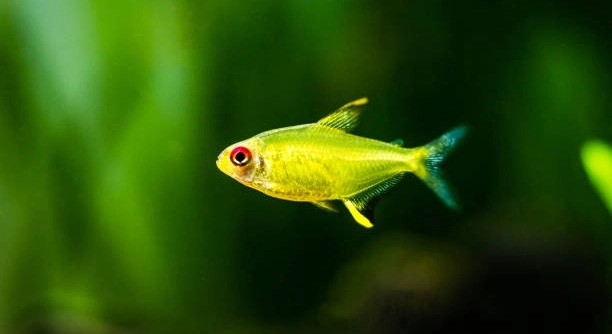
Lemon tetras are small, lively fish that brighten any aquarium with their yellow hue. Observing them can be calming, but it takes time for them to adjust to new surroundings. Their behavior slowly shows signs of comfort and stability.
Lemon tetras are considered settled when they swim confidently in groups, actively feed without hesitation, and display consistent patterns of activity throughout the day. A stable aquarium environment with proper water parameters supports this adjustment and promotes natural behavior.
Recognizing these signs early ensures your fish remain healthy and content. Observing their daily habits will help maintain a balanced and thriving aquarium environment.
Signs of Comfort in Their New Home
When lemon tetras first arrive, they often hide and move cautiously. Over time, you might notice them exploring the tank more freely. They start swimming in small groups, which is a positive sign. Bright colors become more noticeable as stress decreases. Feeding behavior changes too; they become more eager to eat during feeding times. You may see them investigating decorations and plants, showing curiosity instead of fear. A settled fish maintains steady swimming patterns and avoids frantic darting. Their fins spread naturally, and they hold position midwater rather than sticking to corners. Watching them interact, you may notice gentle chasing that is part of normal social behavior. Their body language is relaxed, with smooth movements and occasional pauses. Observing these changes daily can reassure you that your lemon tetras are adapting well. A stable tank environment, regular feeding, and proper water quality all contribute to their comfort. Over a few weeks, these behaviors become consistent, signaling they have adjusted to their surroundings.
Lemon tetras show comfort by swimming confidently, displaying vivid colors, and eating regularly, indicating adaptation to their environment.
Recognizing these behaviors allows you to respond appropriately to their needs. Adjusting decorations, maintaining clean water, and keeping consistent lighting all support a stable, stress-free habitat for long-term health. Observing interactions within the school helps gauge overall wellbeing.
Feeding Patterns and Adaptation
Lemon tetras quickly settle when feeding becomes predictable. They learn the schedule and show enthusiasm during mealtimes.
Proper feeding schedules improve their confidence and reduce stress. Introduce a variety of small flakes or live foods gradually, allowing them to adjust. Monitor which foods they prefer and how they interact with each other during feeding times. Some may be shy at first, waiting for bolder fish to approach food. As their comfort grows, all tetras actively feed, reducing competition and aggression. Feeding consistency helps reinforce their routine, making it easier to notice changes in behavior. A varied diet not only supports growth but also encourages natural swimming patterns and social interaction. Observing how they react to different foods can provide insight into their overall health and settlement. Gradually, you may notice a balance in their school, with each fish finding its place without stress or hesitation. Keeping track of water quality and feeding habits together ensures that lemon tetras remain stable and healthy while settling into the tank environment.
Observing Social Behavior
Lemon tetras are peaceful and school in small groups. Their interactions, such as gentle chasing and synchronized swimming, show comfort and social stability.
Watching them move together provides insight into their adjustment. When fish are unsettled, they often hide or separate from the group. As they settle, they swim in loose formations, sometimes changing direction together. You may notice occasional playful nips, which are normal and part of their social hierarchy. Their positioning in the tank also becomes predictable, with some exploring higher areas while others stay near plants. These behaviors indicate they feel secure and confident. Over time, observing their group dynamics becomes rewarding, as each fish settles into its role within the school, and interactions remain balanced without aggression or fear.
Consistent social patterns suggest they are comfortable with each other and their environment. Monitoring these behaviors helps maintain a harmonious tank.
Monitoring aggression and stress is important. Stress can arise from overcrowding or incompatible tankmates. Observing which fish dominate or avoid others can help you adjust tank setup. Providing hiding spots and plants reduces tension. Regularly checking water quality also prevents stress-related aggression. If aggressive behaviors persist, separating certain individuals temporarily can restore balance. Ensuring adequate space and minimizing sudden changes helps lemon tetras maintain calm social interactions, encouraging settled and healthy behavior in the long term.
Tank Environment and Stability
Water conditions strongly affect settlement. Stable temperature, pH, and clean water encourage healthy, confident behavior.
Keeping the tank environment consistent supports lemon tetras’ adjustment. Sudden changes in temperature, light, or water chemistry can trigger stress, causing them to hide or become lethargic. Regular water tests ensure that ammonia, nitrate, and nitrite levels remain safe. Proper filtration and gentle water flow help maintain clarity and oxygenation, promoting natural swimming patterns. Plants and decorations provide both hiding spots and exploration opportunities, giving fish a sense of security. Over time, they learn the tank layout and establish familiar swimming routes, which reduces anxiety.
A balanced environment, including sufficient space, hiding places, and steady conditions, allows lemon tetras to express natural behaviors. Maintaining these factors consistently ensures long-term health, calmness, and a thriving school dynamic within the aquarium. Observing how they interact with their surroundings confirms they are well-settled and comfortable in their habitat.
Recognizing Health Indicators
Healthy lemon tetras have bright colors and clear eyes. They swim actively and respond quickly to feeding times.
Fins should be intact without signs of fraying or clamping. Any unusual spots or sluggish behavior may indicate stress or illness. Observing these signs early helps maintain their well-being.
Interaction With Tank Mates
Lemon tetras are social and coexist well with other peaceful species. Their comfort level is reflected in how they interact without aggression. Proper schooling and gentle chasing show natural behavior, while hiding or isolating indicates discomfort or stress. Maintaining compatible tank mates supports calm and settled behavior.
Adjusting to Light and Environment
They become more active with consistent lighting. Sudden changes can cause hiding or nervous swimming, so keeping a predictable light schedule helps them stay comfortable and adapt smoothly to the tank environment.
How long does it take for lemon tetras to settle in?
Lemon tetras usually begin to show signs of settling within one to two weeks. During this time, they may hide or swim cautiously. Over time, they start exploring the tank more confidently, feeding actively, and joining the school consistently. The adjustment depends on tank conditions, number of fish, and stress levels. Consistent water quality, proper temperature, and gentle introduction help shorten this period.
What are the signs that lemon tetras are fully settled?
Fully settled lemon tetras swim confidently in groups, feed without hesitation, and display vibrant coloration. Their fins remain spread naturally, and they interact calmly with other fish. They no longer dart frantically or hide for long periods. Consistent swimming patterns and balanced social behavior within the school indicate they are comfortable.
How does tank setup affect settlement?
A stable tank setup is critical for lemon tetras to adjust. They need consistent temperature, clean water, and safe hiding spaces like plants or decorations. Sudden changes in light, water chemistry, or decorations can stress them, causing hiding, erratic swimming, or refusal to eat. Gentle water flow and proper filtration support a calm environment. Over time, they learn the tank layout and feel secure, allowing natural schooling and social interaction. Monitoring the environment ensures stress-free adaptation and supports long-term health.
How can feeding habits indicate comfort?
Feeding behavior is a strong indicator of comfort. Settled lemon tetras approach food quickly and eat confidently alongside the school. Shy or stressed fish may wait for bolder fish to start eating or hide completely. Offering a variety of small flakes or live foods encourages natural feeding patterns. Maintaining a regular feeding schedule helps establish routine and reduces stress. Observing which fish eat actively and which hesitate allows you to adjust feeding techniques and ensure all tetras are comfortable and healthy.
What should I do if some fish are not settling?
If certain lemon tetras remain shy or hide frequently, check water parameters, tank setup, and compatibility with other fish. Ensure there are enough hiding spots and avoid overcrowding. Gradual acclimation and minimal disturbances help them adapt. Sometimes separating particularly stressed individuals temporarily encourages recovery. Consistent observation and care over several days or weeks usually resolve these issues.
Can lighting affect their comfort?
Yes, lighting plays a significant role in their adjustment. Sudden bright light can cause hiding or frantic swimming, while consistent, moderate lighting helps them explore and establish routines. A predictable day-night cycle supports natural behavior, feeding, and schooling. Plants or decorations can provide shaded areas, giving fish options to rest and feel secure.
How important is water quality in settling?
Water quality is one of the most important factors for settlement. Lemon tetras are sensitive to ammonia, nitrite, and nitrate levels. Regular testing and partial water changes prevent stress and illness. Stable pH and temperature are also essential. Clean, oxygenated water encourages active swimming, healthy feeding, and proper social interaction. Fish in poorly maintained water often hide, lose color, or develop health problems. Maintaining a clean, stable environment ensures they feel safe and adapt quickly.
Do lemon tetras settle faster in groups?
Yes, schooling behavior helps them feel safe. Groups reduce stress by providing social interaction and a sense of security. A lone tetra often hides more and appears nervous. Introducing multiple lemon tetras together encourages normal schooling, swimming patterns, and confident feeding behavior. Observing group dynamics helps identify any fish struggling to adjust, allowing adjustments in tank layout or feeding practices to support all fish settling comfortably.
How long should I observe them each day?
Spending 10 to 15 minutes daily watching their behavior is usually sufficient. Focus on swimming patterns, feeding activity, and interactions with other fish. Consistent observation allows early detection of stress or health issues. Over time, you’ll notice improvements in confidence, schooling, and overall comfort as they settle into the tank environment.
What adjustments help a stressed lemon tetra?
For stressed fish, provide extra hiding spaces and reduce sudden movements near the tank. Avoid loud noises and keep feeding consistent. Gradually acclimate them to changes in lighting or temperature. In some cases, separating aggressive tank mates temporarily helps them feel secure. These adjustments promote faster adaptation and support long-term health and happiness.
How can I tell if they are interacting naturally?
Natural interaction includes swimming in groups, occasional gentle chasing, and exploring the tank together. Fish that avoid others, dart repeatedly, or hide constantly may be stressed. Balanced schooling, playful nudges, and synchronized swimming indicate settled and confident behavior. Regular observation helps maintain social harmony and tank stability.
Can decorations affect settlement?
Yes, decorations and plants provide security and exploration opportunities. Hiding spots reduce stress and encourage natural behavior. Open swimming areas allow schooling, while plants and rocks offer safe zones. A mix of both supports confidence, helping fish explore without fear. Overcrowded or bare tanks can prolong stress and delay settling.
Lemon tetras are small, peaceful fish that can bring life and color to any tank. Observing them settle in is rewarding because their behavior slowly shifts from cautious to confident. When they first arrive, it is normal to see them hiding, sticking to corners, or moving nervously. Over time, with proper care and attention, these behaviors change. They start swimming more freely, exploring decorations, and interacting gently with other fish. Their bright yellow color becomes more vivid, and their fins spread naturally, which are clear signs of comfort. Watching this transformation can be calming and satisfying, showing that your efforts in maintaining a stable environment are working. It takes patience to notice these changes, but consistency in water quality, feeding, and tank setup will make the process smoother.
Providing a proper tank environment is essential for lemon tetras to feel secure. Stable water parameters, consistent temperature, and clean water help reduce stress and support natural behavior. Plants, rocks, and other decorations give hiding spots and areas for exploration, which are important for their comfort. Grouping them with compatible tank mates encourages social behavior and reinforces a sense of safety within the school. Feeding routines also play a significant role. When fish eat confidently alongside the group, it signals that they are comfortable and settled. Offering a variety of small flakes, frozen, or live foods helps them adapt while maintaining health. Observing their daily interactions and swimming patterns helps you understand how well they have adjusted, and allows you to address any issues early.
Even after they appear fully settled, ongoing care is important. Lemon tetras thrive when their environment remains stable and predictable. Regular observation ensures you notice any changes in behavior or health, which can prevent problems before they become serious. Keeping a consistent light schedule, performing regular water checks, and maintaining a calm environment helps them continue to feel secure. Stress can still occur from sudden changes, aggressive tank mates, or poor water quality, so attention to detail is necessary. Overall, the key to settled lemon tetras is patience, observation, and creating a tank that allows them to express natural behaviors. With time and proper care, they become confident, active, and healthy members of the aquarium, making the experience of keeping them enjoyable and fulfilling.

Hello,
If you enjoy the content that we create, please consider saying a "Thank You!" by leaving a tip.
Every little bit helps us continue crafting quality advice that supports the health, happiness, and well-being of pets around the world, for pets of all shapes, sizes, and species.
We really appreciate the kindness and support that you show us!