
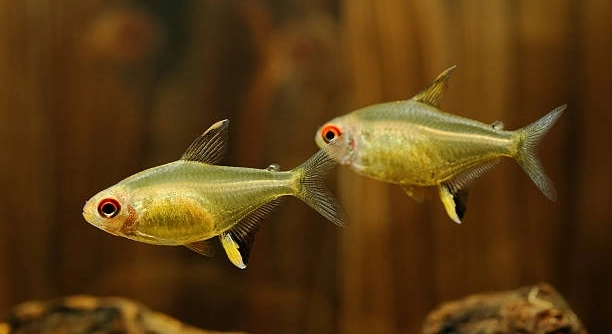
Have you ever noticed how your lemon tetra glows in the water and wondered what makes this tiny fish special? These small swimmers carry qualities that add charm to your tank and create an atmosphere.
Lemon tetras exhibit a range of biological and behavioral traits that often go unnoticed. Their color intensity reflects health status, their schooling habits promote stability, and their environmental responses highlight sensitivity, making them an important species for understanding freshwater ecosystems.
These details offer a view of their nature, providing insights that help you appreciate how they behave within your aquarium.
Their Color Signals More Than Beauty
Their color reflects more than decoration, since each shade gives you steady clues about how your lemon tetra adjusts to its environment. I watch these changes closely in my own aquarium, because they highlight comfort, stress, interest, or calm without much effort. When their yellow tone becomes brighter, the group usually feels secure, active, and supported by clean water, stable lighting, and gentle movement around the tank. If the color turns slightly dull, it can signal tension from uneven light, sudden noise, or small shifts in water balance. These observations make daily care easier, since you can see what the group needs before issues settle in. These details guide care.
Their color patterns remain one of the clearest signs of comfort, giving you a simple way to adjust lighting, feeding, and tank care to keep the group stable and calm. Small visual cues help you respond quickly, creating a balanced space your fish can thrive in each day with ease.
A clear understanding of color shifts supports smooth care, especially when you want your lemon tetras to feel settled. I rely on this detail when adjusting the tank, since it helps me react without stress or guesswork. Simple observations can reveal changes in territory, feeding behavior, or schooling strength, allowing you to create a steady rhythm for them. With time, these cues become familiar, and you start to sense what each shift represents. This awareness helps your fish stay balanced, while your care becomes calmer and more confident each day.
Schooling Shows Their Comfort Level
Lemon tetras rely on steady schooling behavior to feel grounded, and this pattern shapes how they interact and move through the tank. Watching their formation offers simple clues about comfort, tension, or curiosity, helping you maintain conditions that support a smooth and calm group dynamic in your tank daily too.
Schooling plays a major role in how lemon tetras process their surroundings, and it influences nearly every movement they make. I often notice that when the group stays tight and coordinated, the tank feels calmer, and feeding becomes smoother. A relaxed school usually points to good water quality, stable temperature, and predictable lighting. When the formation loosens, it can mean the group senses a shift, such as uneven flow, a sudden sound, or a new object near the glass. Paying attention to these changes helps you understand how your fish responds to the environment and how small factors shape their comfort. These small signs guide adjustments, giving your fish steadier surroundings without dramatic changes. Over time, you start noticing patterns you did not see before, and each movement becomes easier to interpret. This awareness helps create a space that supports healthy behavior and smooth interactions among the group.
Their Sensitivity to Water Changes Matters
Lemon tetras react quickly to shifts in water balance, so keeping conditions stable helps them stay calm and active. I pay close attention to small details like clarity and movement, since these changes can influence how confidently they swim and interact in the tank.
Their stability depends on consistent parameters, especially temperature and pH, since uneven levels can affect their color, movement, and schooling pattern. I make small adjustments when needed, focusing on gentle changes instead of sudden fixes. This approach keeps stress low and supports steady behavior. Clean filtration, regular checks, and quiet surroundings help them feel secure. Over time, these efforts become routine, and you start noticing how their responses guide the rhythm of the tank. Their sensitivity becomes easier to manage once you understand how each factor shapes their comfort and natural flow.
Maintaining balance in their habitat becomes simpler when you recognize how quickly lemon tetras respond to even mild inconsistencies. I try to adjust factors like light or flow gradually, since sharp shifts can unsettle them. Their behavior often changes before any issue becomes serious, giving you quick signals that something needs attention. With consistent care, their movement becomes smoother, their colors stay brighter, and their schooling remains organized. These steady patterns show that the environment supports their natural behavior. Paying attention to these signs strengthens your approach, helping the group remain stable and active throughout the day.
Their Feeding Style Reflects Their Mood
Lemon tetras show clear differences in feeding behavior depending on how settled they feel, and these habits can guide you in shaping a smooth routine. I often notice how their pace and positioning shift slightly when something in the tank changes, giving simple clues about what they need to stay comfortable.
Their feeding habits become more predictable when the environment stays clean and steady. I try to offer small portions instead of heavy meals, since this keeps them active without overwhelming the tank. When they feel comfortable, they move with better coordination and gather calmly near the surface. Uneven lighting or sudden noise can change this pattern, spreading them out or slowing their response. Observing these details helps you understand how their comfort affects the way they eat. With small adjustments in timing, portion size, or surroundings, you can support habits that keep them consistent and relaxed during feeding.
Their Activity Level Depends on Lighting
Lemon tetras respond strongly to lighting, and small shifts can change how confidently they move. I keep their light soft and steady, since bright or uneven light can make them dart around more than usual, affecting how calm the group feels during the day.
Balanced lighting helps them stay active without becoming tense. I try to avoid sudden changes, since even quick adjustments can disrupt their rhythm. A consistent schedule supports smoother swimming patterns and keeps the group more organized, giving them a comfortable space to move with ease.
Their Social Confidence Grows With Group Size
A larger group helps lemon tetras stay calm, since they depend on steady company to feel secure. I notice they move with more balance and confidence when kept in a full group, and their patterns stay smoother throughout the day. A small group can act more timid, especially during feeding or sudden sounds. Keeping them in a proper number supports healthier movement and creates a stronger sense of stability in the tank. Their confidence becomes more noticeable as the group size aligns with their natural behavior.
Their Breeding Behavior Needs Steady Conditions
Breeding behavior appears when lemon tetras feel safe, and stable conditions help them show these signs. I keep the environment calm and consistent, since they respond best when the tank remains balanced and free of sudden changes.
How often should I feed my lemon tetras?
I feed my lemon tetras small amounts two times a day. Overfeeding can cloud the water and stress the fish. I usually give just enough that they finish in a few minutes, and leftovers are removed promptly to keep the tank clean. Consistent feeding keeps their energy steady and behavior calm.
What is the ideal water temperature for them?
Lemon tetras thrive in water between 72°F and 78°F. I use a reliable heater to maintain this range, as sudden drops or spikes can cause stress. Stable temperature supports bright coloration, active schooling, and healthy appetite. Regular monitoring ensures they remain comfortable and behave naturally in the tank.
What type of tank environment suits them best?
A planted tank with gentle water flow works well. I add floating plants and dim lighting to mimic their natural habitat, which keeps them calm. Open swimming areas combined with shaded spots allow them to school safely while exploring. Decorations with smooth surfaces prevent injury, making the tank safe and comfortable.
How many lemon tetras should I keep together?
Keeping at least six in a group is ideal. I notice that smaller groups act shy and scatter more, while a full group moves with coordination and confidence. Schooling reduces stress and promotes natural behavior. The group size directly affects their comfort and overall activity level, so it’s important to maintain numbers.
Can lemon tetras live with other fish?
Yes, they do well with peaceful species. I avoid aggressive or large fish, as they can chase or harm tetras. Compatible tank mates include small rasboras, guppies, and corydoras. Observing interactions helps ensure all fish remain relaxed and safe, reducing stress and supporting healthy swimming patterns for everyone in the tank.
What should I do if they lose color?
Dull color often signals stress or poor water conditions. I check water quality first, including pH, ammonia, nitrite, and nitrate levels. Adequate lighting and proper diet also improve coloration. I make gradual adjustments to reduce stress rather than sudden changes. Bright color reflects comfort and good health, so monitoring daily helps maintain vibrancy.
How do I encourage breeding?
Breeding requires stable conditions and a calm environment. I provide fine-leaved plants or a spawning mop, as these give the fish secure areas to lay eggs. Slightly cooler water can trigger spawning, but changes are gradual. Regular feeding of live or frozen foods enhances health and encourages breeding behavior naturally.
What signs indicate illness?
Lethargy, faded color, clamped fins, or unusual swimming can indicate problems. I observe their daily routine closely, as early detection allows prompt care. Maintaining clean water, balanced feeding, and a stress-free environment reduces illness risk. Quick action and isolation, if needed, prevent spread to other fish and support recovery.
How often should water be changed?
Partial water changes of about 20-25% every week keep conditions stable. I avoid full changes unless necessary, as this can shock the fish. Regular cleaning maintains clarity, reduces toxins, and keeps tetras healthy. Small, consistent steps ensure the tank stays balanced and the fish remain calm and active.
What diet keeps them healthy?
A varied diet works best. I provide high-quality flakes, micro-pellets, and occasional live or frozen foods like brine shrimp or daphnia. Variety supports growth, coloration, and energy levels. Over-reliance on one food can cause deficiencies. Feeding balanced portions keeps their behavior steady and schooling consistent, which I notice every day in my tank.
How do I handle sudden changes in the tank?
Sudden shifts in light, water flow, or decorations can stress lemon tetras. I introduce changes gradually, observing their response carefully. Small adjustments prevent panic or scattering, keeping the group stable. Over time, they become more adaptable, but I always prioritize slow transitions to maintain a calm and predictable environment.
Can I keep them in a small tank?
A minimum of 10 gallons works for a small group, but I prefer larger tanks for more stable conditions. They need space to school and explore. Small tanks require careful monitoring of water quality, as changes happen quickly. More space promotes confidence, smoother schooling, and healthier daily activity.
Lemon tetras are small but fascinating fish that show a lot about their comfort and environment through simple cues. Observing them closely can teach you how their colors, movement, and schooling reflect their health and mood. I have found that consistent care, proper tank setup, and attention to water parameters are key to keeping them calm and active. Their bright yellow tones are not just decorative; they indicate security and well-being, making it easier to adjust the environment when needed. Even subtle changes in light, temperature, or water quality can influence their behavior, so staying attentive ensures they remain balanced. Over time, you start recognizing patterns in their schooling, feeding habits, and swimming pace that tell you more than words could about their comfort level. These small observations make daily care straightforward and satisfying, since you can anticipate needs before issues arise. Lemon tetras respond well to stable surroundings, and providing this consistency is often the simplest way to support their natural behavior.
Feeding routines and group size also play a major role in their daily life. I noticed that small portions spread across the day keep their energy steady without overloading the tank. Larger groups allow for safer schooling and more confident movements, reducing stress and creating a more organized tank dynamic. Environmental stability, like gentle water flow and consistent lighting, makes a noticeable difference in how they act and interact. Even minor disturbances can temporarily scatter the school or dull their coloration, so creating a calm environment is essential. Watching their reactions helps me adjust parameters gradually, whether it’s refining the feeding schedule, repositioning decorations, or fine-tuning the temperature. Their responses guide care and reveal what works best for the group. Over time, maintaining these routines becomes second nature, and the tank feels more predictable and peaceful, which benefits both the fish and the caretaker.
Breeding and health are further areas where careful observation pays off. Lemon tetras breed more readily when they feel secure, and providing fine-leaved plants or spawning mops in stable conditions encourages this natural behavior. Illness is often revealed through changes in color, fin position, or swimming patterns, and early attention prevents bigger problems. Regular water checks, partial changes, and balanced nutrition are practical ways to maintain their health. These fish thrive when their surroundings are calm, predictable, and suited to their natural habits. By focusing on gradual adjustments, consistent care, and careful observation, you can create a stable environment where lemon tetras remain active, vibrant, and healthy. Over time, the patterns and cues become easier to interpret, making daily care more intuitive and rewarding. Observing their behavior not only improves their well-being but also strengthens your ability to provide a space that meets their needs reliably.

Hello,
If you enjoy the content that we create, please consider saying a "Thank You!" by leaving a tip.
Every little bit helps us continue crafting quality advice that supports the health, happiness, and well-being of pets around the world, for pets of all shapes, sizes, and species.
We really appreciate the kindness and support that you show us!