
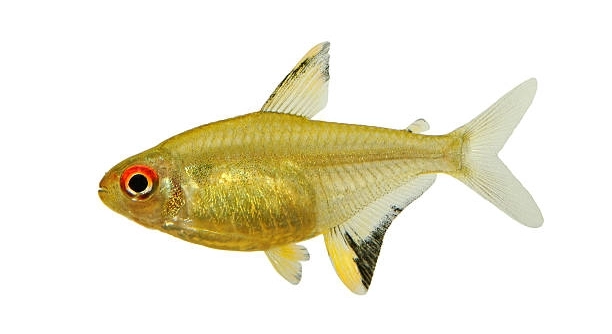
Are your lemon tetras staying completely still in their tank, leaving you unsure of what is happening? It can be concerning when these usually active fish pause for long periods, making their behavior seem unusual and puzzling.
Lemon tetras may remain motionless due to stress, water quality issues, illness, or environmental changes. Maintaining proper tank conditions, monitoring their health, and providing a stable habitat are essential to ensure their well-being and normal activity levels.
Observing these factors closely can help you understand your fish’s behavior and improve their comfort in the aquarium.
Common Reasons Lemon Tetras Stay Still
Lemon tetras often remain motionless due to environmental stressors or changes in their habitat. Poor water quality, sudden temperature fluctuations, or overcrowding can cause them to pause and conserve energy. These fish are sensitive to ammonia, nitrites, and nitrates, which can accumulate quickly in smaller tanks. A stable environment with proper filtration and regular water changes is essential. Stress from new tankmates or aggressive fish may also lead them to hide or remain still. Even minor changes, such as moving decorations or rearranging the tank, can affect their behavior. Observing their interactions and ensuring they have enough space can help prevent prolonged stillness. Additionally, inadequate lighting or inconsistent feeding schedules may make them less active. Monitoring water parameters and keeping a consistent routine allows them to feel secure. Health issues, such as infections or parasites, may also cause them to stay still, so careful observation is key.
Maintaining stable conditions and checking for stress factors is vital to keep lemon tetras active.
Providing a calm, consistent environment helps them thrive, and addressing water quality, tank size, and social interactions ensures they stay healthy and lively. Consistent feeding times and gentle tank maintenance reinforce their sense of security, reducing stress-induced stillness and promoting natural activity patterns.
Illness and Health Concerns
Fish that stay still may be experiencing illness or infections. Recognizing early signs is crucial.
Common health issues include parasites, bacterial infections, and fin rot. Lemon tetras may appear lethargic, have clamped fins, or show discoloration when sick. Maintaining clean water and balanced nutrition helps prevent these problems. Quarantining new fish before adding them to the main tank reduces disease transmission.
If illness is suspected, isolate affected fish in a separate tank to monitor them closely. Administer appropriate treatments, such as antibiotics or antiparasitic medications, following dosage instructions carefully. Keep stress low by minimizing sudden changes in water temperature or lighting. Proper nutrition strengthens their immune system and supports recovery. Regular observation helps catch early signs before they worsen, reducing the risk of serious health issues. Combining good tank hygiene with attentive care ensures lemon tetras remain active, healthy, and resilient against common diseases that may cause them to stay motionless.
Water Temperature and Tank Conditions
Lemon tetras are sensitive to sudden temperature changes. Keeping the water consistently between 72°F and 78°F helps maintain their activity. Extreme temperatures can make them sluggish or stay still for extended periods, impacting overall health.
Stable water parameters, including temperature, pH, and hardness, are critical for lemon tetras. Rapid fluctuations stress the fish, causing them to hide or remain motionless. A reliable heater and thermometer ensure the tank stays within a safe range. Proper aeration and filtration keep oxygen levels sufficient, supporting their energy and movement. Regular testing of water quality prevents harmful spikes in ammonia, nitrites, or nitrates. Observing their behavior alongside water conditions allows timely adjustments to maintain a healthy habitat.
Tank setup also affects activity. Plants, hiding spots, and moderate lighting provide comfort and security. Avoid overcrowding to reduce stress and competition for space. Consistent cleaning routines and careful handling of decorations minimize disturbances. By combining these practices, lemon tetras can remain active and healthy, showing their natural swimming behavior consistently.
Diet and Feeding Habits
A proper diet keeps lemon tetras active and healthy. Overfeeding or underfeeding can cause them to stay still. Balanced nutrition supports energy levels and overall well-being.
Lemon tetras thrive on a mix of high-quality flakes, frozen, or live foods. Feeding small portions multiple times a day prevents overeating and reduces waste that can harm water quality. Nutritional variety ensures they receive essential proteins, fats, and vitamins for growth and vitality. Uneaten food should be removed promptly to prevent contamination. Observation during feeding helps identify picky eaters or signs of illness early. Maintaining a feeding routine stabilizes their energy and encourages consistent movement throughout the tank.
Supplementing their diet with occasional live or frozen foods, such as daphnia or brine shrimp, boosts activity and mimics natural feeding patterns. Providing a mix of plant-based and protein-rich options ensures they get all necessary nutrients. Feeding at the same times daily creates a predictable routine, reducing stress and promoting normal behavior. Balanced nutrition, combined with proper tank conditions, supports overall health and keeps lemon tetras swimming actively instead of remaining still for long periods.
Stress from Tankmates
Aggressive or overly active tankmates can stress lemon tetras, causing them to stay still. Keeping compatible species together reduces fear and promotes natural swimming behavior.
Providing plenty of hiding spots and plants helps them feel secure. Observing interactions ensures they are not constantly chased or bullied by other fish.
Lighting and Day-Night Cycle
Lemon tetras respond to consistent lighting schedules. Sudden changes or excessively bright lights can make them hide or remain motionless. Gradual lighting transitions support normal activity.
Regular light cycles of 10–12 hours simulate natural conditions. Adjusting intensity with floating plants or dimmable lights can reduce stress and encourage swimming. Consistent lighting also helps regulate feeding and rest patterns, promoting overall health.
Observation and Behavior Monitoring
Regularly watching lemon tetras helps detect early signs of stress, illness, or environmental problems. Monitoring behavior ensures timely adjustments to their care.
Tracking movement, color, and interactions with tankmates provides insight into their well-being. Noting any unusual stillness or hiding allows proactive responses, maintaining a healthy and active tank environment.
FAQ
Why are my lemon tetras staying at the bottom of the tank?
Lemon tetras may stay near the bottom when they are stressed, sick, or adjusting to a new environment. Poor water quality or sudden temperature changes can also cause this behavior. Ensuring clean water, stable temperature, and hiding spots encourages them to swim freely.
Is it normal for lemon tetras to remain still for hours?
Occasional stillness is normal, especially if they are resting or hiding. However, prolonged inactivity may indicate stress, illness, or unsuitable tank conditions. Monitor water parameters, tankmates, and feeding schedules to determine if intervention is necessary.
Can water temperature affect their activity?
Yes, lemon tetras are sensitive to temperature fluctuations. Water that is too cold or too warm can make them sluggish or motionless. Keep the tank between 72°F and 78°F and use a reliable heater and thermometer for consistent conditions.
Could poor water quality cause this behavior?
Absolutely. High ammonia, nitrite, or nitrate levels can stress lemon tetras, leading them to stay still. Regular water changes, proper filtration, and monitoring water parameters help prevent this problem and keep them active.
Do lemon tetras hide because of other fish?
Yes. Aggressive or overly active tankmates can stress them. Providing enough space, hiding spots, and compatible tankmates reduces fear and encourages natural swimming behavior. Observing interactions can help prevent prolonged stillness caused by social stress.
Does diet impact their activity?
Balanced nutrition is important. Overfeeding or underfeeding can make lemon tetras sluggish. Providing a mix of high-quality flakes, frozen, or live foods ensures they get necessary nutrients and supports energy and active behavior. Remove uneaten food to prevent water contamination.
Can illness make lemon tetras stay still?
Yes. Bacterial infections, parasites, or fin rot can cause lethargy. Look for clamped fins, discoloration, or loss of appetite. Quarantining sick fish and using appropriate treatments helps prevent the spread of disease and encourages recovery.
Will lighting affect their movement?
Consistent lighting supports normal activity. Sudden bright lights or irregular day-night cycles can stress lemon tetras, making them hide or remain still. Using gradual transitions or dimmable lights along with a regular schedule keeps them comfortable and active.
How do I know if stress is the cause?
Signs of stress include hiding, clamped fins, erratic swimming, or loss of appetite. Check tank conditions, water quality, and social dynamics. Making adjustments to reduce stressors encourages normal movement and healthy behavior.
Can tank decorations influence their behavior?
Yes, too few hiding spots or excessive rearrangement can cause stillness. Providing plants, caves, or other decorations creates secure spaces, reducing stress and encouraging natural swimming patterns. Observing how they interact with their environment can guide further improvements.
How often should I monitor their behavior?
Daily observation is ideal. Noting changes in swimming patterns, color, or interactions helps detect early problems. Regular monitoring combined with proper care ensures lemon tetras remain healthy and active over time.
Is it normal for them to freeze occasionally?
Brief stillness is normal, often for rest or scanning their surroundings. Persistent or unusual freezing, however, may indicate stress, illness, or poor tank conditions, requiring attention to water quality, tankmates, and feeding habits.
Do lemon tetras prefer certain tank areas?
They often favor mid-level swimming but may move lower when stressed or exploring. Providing a mix of open space and hiding spots allows them to feel secure while maintaining natural activity.
Can sudden changes in the tank trigger stillness?
Yes, rearranging decorations, introducing new fish, or changing lighting abruptly can stress lemon tetras. Gradual adjustments and consistency in routine help them adapt without prolonged inactivity.
What steps help them become more active?
Maintain stable water conditions, feed a balanced diet, ensure compatible tankmates, and provide hiding spots. Consistent lighting and monitoring for illness also encourage movement and reduce prolonged stillness. Regular observation allows quick response to any issues affecting their behavior.
This FAQ covers common concerns and practical tips for keeping lemon tetras active and healthy. Monitoring their environment, diet, and social interactions ensures they remain lively and comfortable in the tank.
Lemon tetras are small, lively fish, but their behavior can sometimes be confusing, especially when they stay completely still. It is important to remember that brief pauses or periods of stillness are often normal. Fish, like many animals, have natural rhythms and may rest or observe their surroundings. However, extended periods of inactivity should not be ignored. There are several factors that can influence this behavior, including water quality, tank conditions, temperature, diet, stress from tankmates, and potential health issues. Paying attention to these factors and making small, consistent adjustments can have a significant impact on their overall well-being. Regular observation allows you to detect patterns and understand what is typical for your lemon tetras, which can help differentiate between normal resting behavior and signs of a problem.
Maintaining a stable and comfortable environment is essential to keep lemon tetras active and healthy. Proper water conditions, including temperature, pH, and cleanliness, are fundamental. Sudden changes in temperature or poor water quality can easily stress them, causing them to stay motionless. Ensuring a suitable tank size and providing hiding spots or plants helps them feel secure. Feeding them a balanced diet with appropriate portions supports energy levels and encourages natural swimming behavior. Social dynamics also play a role, as aggressive or overly active tankmates can cause stress and stillness. Regularly monitoring their interactions, behavior, and physical appearance helps identify early signs of stress or illness, allowing timely interventions. These practices collectively promote a safe, stable, and predictable environment where lemon tetras can thrive.
Observing your lemon tetras over time will help you understand their normal behavior and identify when something is off. Small changes in routine, water parameters, or tank setup may have noticeable effects on their activity. Taking steps to reduce stress, maintain water quality, and provide proper nutrition ensures they remain healthy and active. Even subtle adjustments, like consistent lighting schedules or rearranging decorations gradually, can make a difference in how comfortable they feel. Health monitoring, including noticing clamped fins, discoloration, or unusual swimming patterns, allows early response to potential illnesses. With patience and attention to detail, you can create an environment where lemon tetras exhibit their natural, lively behavior and enjoy a stable, stress-free habitat. A thoughtful, consistent approach to care will help them stay healthy, active, and display the vibrant energy that makes them such appealing aquarium fish.

Hello,
If you enjoy the content that we create, please consider saying a "Thank You!" by leaving a tip.
Every little bit helps us continue crafting quality advice that supports the health, happiness, and well-being of pets around the world, for pets of all shapes, sizes, and species.
We really appreciate the kindness and support that you show us!