
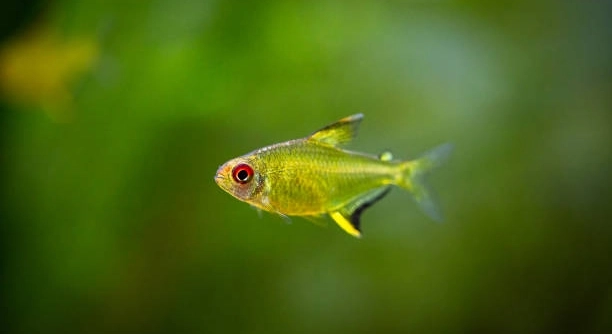
Lemon tetras are small, vibrant fish that brighten any freshwater tank. Their lively movements and shimmering colors make them captivating to watch, especially when they explore new areas or investigate unfamiliar objects in their environment.
When lemon tetras are curious, they exhibit behaviors such as hovering near objects, swimming closer to investigate, flicking their fins to test surroundings, following other fish, and responding to changes in light or movement in their tank.
Observing these actions can reveal much about their personality and comfort level in the aquarium, offering a glimpse into the subtle ways they interact with their world.
Swimming Closer to Objects
Lemon tetras often swim directly toward new objects in their tank. They move slowly at first, assessing whether the item is safe. Their fins may flick lightly as they approach, and their bodies angle carefully to inspect different sides. Watching them hover near decorations, plants, or equipment shows their natural curiosity. Even a simple addition like a small stone or a floating leaf can capture their attention for several minutes. This behavior is common in healthy tetras, signaling that they are alert and comfortable in their environment. Observing how they approach objects can also indicate their confidence level and how well they adapt to changes. Over time, they may begin to interact more confidently, touching or circling items. The key is patience—sudden changes may startle them, but gentle introductions encourage exploration. By providing safe, interesting objects, you allow them to satisfy their natural curiosity and remain active.
They also circle objects repeatedly, examining them from different angles, which helps them understand their surroundings.
Keeping varied decorations and small obstacles encourages mental stimulation and supports their active, inquisitive behavior over time.
Following Other Fish
Lemon tetras often follow their tank mates closely when exploring. This behavior allows them to feel safer while investigating unfamiliar areas. They may swim in a loose group, matching speed and direction, showing a coordinated, social curiosity that helps reduce stress.
Following behavior can also help them learn which areas are safe to explore. When a few tetras lead, others observe their interactions and movements. This mimicking is not just social but also a survival instinct, common in schooling fish. New decorations, food placement, or subtle changes in lighting often trigger this behavior. Watching the group dynamics provides insight into which fish are more confident and which are more cautious. Over time, following may become a routine pattern during feeding or when they investigate novel areas. Observing these interactions can also guide you in arranging the tank, ensuring open spaces and hiding spots are available for comfort and exploration. By paying attention, you can create an environment that nurtures both curiosity and safety, keeping your lemon tetras active and engaged for long-term health.
Inspecting New Plants
Lemon tetras often swim around new plants, pausing to examine leaves and stems. They may nibble lightly or hover nearby, showing a natural interest in changes to their environment and assessing if the addition is safe for interaction.
They use subtle movements to explore each part of a plant, often circling or peeking between leaves. Their fins may quiver as they adjust to unfamiliar textures, and they sometimes hover close to observe how the plant sways in the water. This inspection allows them to gradually become comfortable with new additions, reducing stress and promoting a sense of security in their habitat. Over time, tetras may revisit the plant multiple times, demonstrating consistent curiosity and engagement. Their behavior can guide you in placing plants safely and ensuring enough open swimming space around them, which keeps their environment stimulating yet secure.
Through repeated observation, it becomes clear which plants attract the most attention, revealing preferences in texture, size, and placement. This can help in planning tank layouts that maximize interaction and satisfaction for your fish.
Reacting to Light and Movement
Lemon tetras respond quickly to changes in light or movement in the tank. They may dart briefly or hover cautiously, showing awareness of their surroundings.
Shifts in lighting, reflections, or shadows often trigger a visible reaction. Tetras may swim closer to investigate or retreat slightly before returning to explore again. Even small movements outside the tank can catch their attention, and they often adjust their position to maintain visual contact with the source. This responsiveness is a sign of healthy senses and mental alertness.
Observing these reactions consistently can inform tank management, including lighting placement and external activity levels. Adjusting light gradually and minimizing sudden disturbances helps tetras maintain confidence while exploring. Over time, they become familiar with safe patterns of change, allowing more confident interactions. Their responses can also reveal individual temperament, as some tetras react faster or linger longer than others, providing insight into personality differences within the group. Properly managing these stimuli ensures they remain active, curious, and comfortable in the tank.
Investigating Tank Corners
Lemon tetras often explore corners of the tank slowly, moving cautiously along the glass and substrate. They hover, turn, and sometimes peer into small spaces to check for safety before continuing their swim.
This behavior helps them map their environment and understand where they can move freely. Corners can feel enclosed, so they approach carefully while remaining alert.
Following Reflections
Tetras are sometimes drawn to reflections on the glass or water surface. They may swim alongside, flicking fins and adjusting angles to observe the mirrored image closely.
Responding to Water Flow
When the water current changes, lemon tetras react immediately. They may dart, hover, or adjust their swimming patterns to maintain balance and stability. This sensitivity to flow is part of their natural curiosity and adaptability in varying conditions.
Examining Tank Equipment
Tetras often inspect filters, heaters, or air stones. They swim around devices, checking vibrations and bubbles, showing interest in functional elements of their environment.
FAQ
Why do lemon tetras swim in circles around objects?
Swimming in circles is a way for lemon tetras to fully inspect new or unfamiliar objects. By moving around from different angles, they can assess safety and learn how the object interacts with the water flow. This behavior shows they are comfortable enough to explore slowly but remain cautious, especially with sudden changes. Over time, repeated inspection helps them feel secure, and they may return to the object regularly. Observing this behavior also allows you to see which objects engage them most and adjust the tank layout to encourage natural activity.
Do lemon tetras follow each other when curious?
Yes, lemon tetras often follow their tank mates when investigating new areas. This social behavior provides a sense of safety, reducing stress while exploring. Following allows less confident fish to observe others and learn which spaces are safe. It also strengthens group cohesion and mimics schooling instincts found in nature. In larger tanks, this behavior can help prevent timid fish from hiding excessively while encouraging interaction with new decorations or objects.
Why do they inspect new plants slowly?
Inspecting plants slowly allows lemon tetras to gauge textures, movement, and potential hiding spots. They hover near leaves, nibble lightly, or swim around stems to assess safety. Gradual inspection reduces stress and builds confidence, helping them integrate plants into their environment without fear. Consistent observation can reveal plant preferences and inform tank decoration choices.
What causes sudden darting at lights or reflections?
Lemon tetras are highly responsive to light changes or reflections on the glass or water surface. Sudden flashes or shadows trigger quick swimming movements, hovering, or cautious retreats. These responses reflect natural alertness and visual sensitivity. Maintaining steady lighting and minimizing abrupt external movements can reduce stress while keeping them engaged and active.
How do they react to water flow changes?
They adjust swimming patterns immediately when currents shift, hovering, darting, or swimming against the flow. This response helps maintain balance and orientation. Varying flow also provides stimulation, encouraging curiosity and physical activity. Observing how each tetra responds can reveal individual personalities, with some reacting faster or exploring more actively than others.
Do they explore tank corners and tight spaces often?
Yes, tank corners and small spaces attract lemon tetras. They approach slowly, hover, and sometimes peer into gaps before entering or moving along. This careful exploration helps them map the tank safely and feel secure. Providing open swimming areas alongside corners ensures a comfortable environment that balances curiosity with safety.
Why do they investigate equipment like filters and heaters?
Tetras often approach devices to examine vibrations, bubbles, or movement. Inspecting filters, heaters, and air stones satisfies curiosity and helps them understand environmental changes. Repeated inspection is normal and indicates comfort in the tank, as long as interactions don’t cause injury or stress.
Can curiosity behavior indicate health?
Active curiosity generally reflects good health and mental alertness. Fish that explore new objects, follow others, or respond to light and movement are typically confident and thriving. A sudden decline in exploratory behavior may signal stress, illness, or discomfort, warranting closer observation or water parameter checks.
How can I encourage healthy curiosity?
Adding varied decorations, plants, and objects while maintaining stable water conditions encourages natural exploration. Gradually introducing changes and avoiding sudden disturbances helps fish feel secure. Observing individual behavior allows adjustments to tank layout to maximize comfort, activity, and engagement, supporting long-term health.
Do lemon tetras ever lose interest in objects or changes?
Yes, once they feel confident about an object or environment, tetras may stop inspecting it regularly. Familiarity reduces the need for repeated checks. Alternating decorations or adding new objects over time can sustain engagement and prevent boredom while maintaining a stimulating environment.
Lemon tetras are small, lively fish whose curiosity is a natural part of their behavior. Observing how they explore their surroundings can reveal a lot about their personality and comfort level in the tank. From swimming closer to objects and inspecting plants to reacting to changes in water flow or light, these behaviors are all ways tetras interact with their environment. Understanding these actions can help you create a space that supports their natural instincts, ensuring they feel safe while remaining active and engaged. Their curiosity is not just entertaining to watch; it also reflects their overall health and mental stimulation, showing that they are comfortable and confident in their home.
Providing a stimulating environment is key to supporting their curious behavior. Varied decorations, plants, and open swimming spaces allow lemon tetras to explore safely. Observing how they respond to new objects, tank mates, or changes in their surroundings can help you make adjustments that promote both physical and mental well-being. Over time, these small observations can guide decisions about tank layout, lighting, and water flow, ensuring that the fish have areas to explore while maintaining a sense of security. Encouraging curiosity through safe, gradual changes allows the tetras to engage naturally, reducing stress and fostering consistent activity throughout the day.
Curiosity also plays a role in their social behavior. Lemon tetras often follow each other or interact with reflections and objects in coordinated ways, which supports their schooling instincts and helps them feel more secure. Their interactions with plants, equipment, and new additions demonstrate a balance between caution and exploration. Paying attention to these behaviors can also provide insight into individual personalities, showing which fish are more confident and which are more cautious. By respecting their natural tendencies and creating a supportive environment, you can ensure that lemon tetras remain healthy, active, and curious, enriching both their lives and your enjoyment of the aquarium.

Hello,
If you enjoy the content that we create, please consider saying a "Thank You!" by leaving a tip.
Every little bit helps us continue crafting quality advice that supports the health, happiness, and well-being of pets around the world, for pets of all shapes, sizes, and species.
We really appreciate the kindness and support that you show us!