
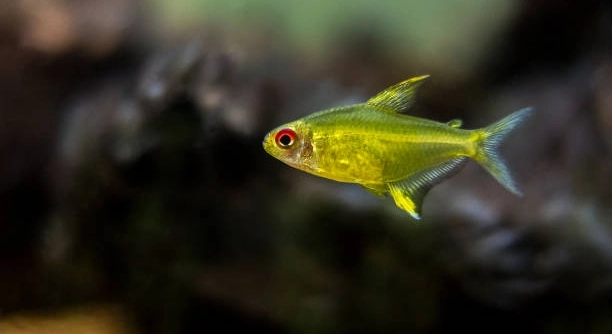
Do you enjoy keeping small aquariums but find yourself unsure about choosing the right fish for your setup? Lemon Tetras are popular for their color and activity, yet many beginners make avoidable mistakes when buying them.
The most common errors when purchasing Lemon Tetras include overcrowding, improper water conditions, neglecting diet requirements, buying unhealthy specimens, misunderstanding social behavior, and failing to acclimate them correctly. Addressing these factors ensures their health, longevity, and well-being in captivity.
Understanding these mistakes can prevent stress and health issues for your Lemon Tetras. Learning the correct approach will help you maintain a thriving, colorful aquarium.
Overcrowding the Tank
Overcrowding is a frequent mistake when buying Lemon Tetras. These small, active fish need enough space to swim freely. Placing too many in a small tank leads to stress, weaker immune systems, and increased aggression. Beginners often underestimate how much space is required, thinking a few extra fish won’t make a difference. A proper tank size, along with decorations and plants, allows Lemon Tetras to express natural behavior, reduces stress, and keeps the water cleaner for longer periods. Overcrowding can also result in poor growth and duller colors. Observing your fish in a properly sized environment will show more vibrant activity and a healthier social structure. Taking the time to plan tank capacity according to the number of fish is essential for a balanced and thriving aquarium. Proper spacing supports both the health of the fish and the overall aesthetics of the tank.
Overcrowding directly affects water quality, behavior, and the longevity of Lemon Tetras in captivity.
Providing enough room ensures your fish swim freely, interact naturally, and maintain their bright colors. Overcrowded tanks often lead to health problems.
Ignoring Water Conditions
Maintaining stable water conditions is crucial for Lemon Tetras. They require slightly acidic to neutral pH levels and consistent temperature ranges. Rapid changes or poor water quality can cause stress and disease. Many buyers overlook testing water regularly, assuming tap water is safe. Using a reliable water conditioner and performing routine tests for pH, ammonia, nitrite, and nitrate levels prevents health issues. Temperature fluctuations can weaken immunity, making fish vulnerable to infections. Introducing new fish without proper acclimation can shock them, further increasing the risk of illness. Clean water and stable parameters support their natural behavior, coloring, and energy. A well-maintained tank not only prevents disease but also encourages active schooling and feeding. Investing in quality filtration and partial water changes keeps the environment stable and reduces harmful toxin buildup. Monitoring water consistently is simpler than treating stressed or sick fish later. Regular attention creates a healthy habitat where Lemon Tetras thrive.
Proper water conditions ensure Lemon Tetras remain active, healthy, and visually vibrant.
Regular testing, controlled temperature, and careful acclimation prevent stress and illness, giving your fish a strong, lively presence in the aquarium.
Neglecting Diet Requirements
Lemon Tetras need a varied diet. Feeding only one type of food can lead to deficiencies. Including high-quality flakes, frozen, and live foods ensures proper growth and coloration.
A balanced diet is essential for Lemon Tetras’ health. Relying solely on flake food often results in poor coloration, weakened immunity, and slower growth. Incorporating frozen foods like brine shrimp or daphnia provides protein, while occasional live foods stimulate natural hunting behavior. Variety supports digestive health and energy levels, helping fish remain active and display vibrant colors. Overfeeding can also be harmful, causing water quality issues and obesity, so portion control is important. Monitoring how much they consume ensures a healthy diet and tank environment. Regularly adjusting their diet based on age and activity level maintains vitality over time.
Ignoring proper nutrition can have long-term effects on health. Fish may appear healthy initially but develop internal issues without a diverse diet. Regularly observing feeding behavior helps identify dietary needs, ensuring your Lemon Tetras stay lively and colorful.
Buying Unhealthy Specimens
Purchasing fish that show signs of illness or stress often leads to short lifespans. Look for clear eyes, intact fins, and active movement before buying.
Unhealthy Lemon Tetras are prone to disease and may carry infections that spread to other tank mates. Avoid fish with clamped fins, cloudy eyes, or unusual swimming patterns. Inspect gills for redness or parasites, and check the body for spots or lesions. Stress signs like hiding constantly or lethargy indicate underlying issues. Buying from reputable stores with proper tank maintenance increases the chances of selecting healthy specimens. Acclimating new fish slowly further reduces stress and improves survival. Observing behavior for a few minutes before purchasing can prevent bringing unhealthy fish home. Selecting vibrant, alert Lemon Tetras ensures a strong and thriving group.
A healthy start reduces future problems. Proper selection and careful observation save time, money, and effort while maintaining a balanced and lively aquarium environment.
Misunderstanding Social Behavior
Lemon Tetras are schooling fish and need company to feel secure. Keeping only one or two can lead to stress and hiding.
A small group of at least six is recommended. Schooling encourages natural swimming patterns, reduces aggression, and helps maintain mental well-being. Observing them in a proper group shows their true colors and active behavior.
Failing to Acclimate Properly
Sudden changes in water conditions can shock Lemon Tetras. Gradual acclimation is necessary to reduce stress and prevent illness. Adding fish slowly and adjusting temperature and pH over time helps them settle comfortably.
Overlooking Tank Decorations
Plants, hiding spots, and gentle decorations are vital. Bare tanks increase stress and prevent natural behaviors, while proper setup supports activity and well-being.
FAQ
How many Lemon Tetras should I keep together?
Lemon Tetras are schooling fish and should be kept in groups of at least six. Smaller groups lead to stress, hiding, and less active behavior. A larger group allows them to display natural swimming patterns, reduces aggression, and keeps them more visually vibrant in the tank.
What water parameters do Lemon Tetras need?
They thrive in slightly acidic to neutral water with a pH between 6.5 and 7.5. The temperature should be consistent, ideally between 72°F and 78°F. Sudden changes in pH or temperature can stress the fish, making them prone to illness. Using a water conditioner and testing regularly is important.
What should I feed Lemon Tetras?
A varied diet is essential. High-quality flakes provide basic nutrients, while frozen foods like brine shrimp or daphnia supply protein. Occasional live foods encourage natural hunting behavior. Overfeeding should be avoided, as leftover food can harm water quality and cause obesity. Portion control and variety are key to maintaining health.
How do I spot unhealthy Lemon Tetras when buying?
Check for clear eyes, intact fins, and active swimming. Avoid fish with clamped fins, cloudy eyes, spots, or unusual swimming patterns. Inspect gills for redness or parasites. Observing behavior for a few minutes before purchase ensures you bring home healthy, stress-free fish.
Do Lemon Tetras need decorations in the tank?
Yes, decorations like plants, rocks, and hiding spots are essential. Bare tanks increase stress and prevent natural behavior. Plants also improve water quality and provide security, allowing fish to feel safe and interact naturally. Proper decoration encourages activity and supports mental well-being.
How should I acclimate new Lemon Tetras?
Gradual acclimation is necessary to reduce stress. Float the bag in the tank to match temperature, then slowly mix tank water into the bag over an hour. This prevents sudden changes in pH, temperature, or water hardness, helping fish adjust comfortably and lowering the risk of illness.
Can Lemon Tetras live with other fish?
They are peaceful and do well with other small, non-aggressive species. Avoid larger or aggressive fish that may stress or eat them. Keeping compatible tank mates ensures a harmonious environment where Lemon Tetras can school naturally and remain healthy.
How often should I clean the tank?
Partial water changes of 20-30% weekly help maintain stable water conditions. Cleaning the substrate and removing leftover food prevent toxin buildup. Over-cleaning or changing too much water at once can shock the fish. Regular maintenance keeps Lemon Tetras healthy and reduces disease risks.
Why are my Lemon Tetras hiding or stressed?
Stress is usually caused by poor water conditions, overcrowding, or lack of companions. Ensuring proper group size, stable water parameters, and sufficient decorations reduces hiding behavior. Healthy, active fish are indicators that the tank setup meets their environmental and social needs.
What signs indicate illness in Lemon Tetras?
Signs include clamped fins, lethargy, loss of appetite, spots, or unusual swimming patterns. Early detection and treatment are important to prevent spread in the tank. Quarantining new or sick fish can protect the rest of your aquarium from disease.
How long do Lemon Tetras typically live?
With proper care, they live around five to seven years. Maintaining stable water conditions, a balanced diet, proper group size, and a clean tank ensures they remain healthy and vibrant throughout their lifespan.
Is it necessary to cycle a new tank before adding Lemon Tetras?
Yes, cycling the tank establishes beneficial bacteria to break down waste and prevent toxic ammonia or nitrite buildup. Adding fish to an uncycled tank can be fatal. Testing water and waiting until ammonia and nitrite are zero ensures a safe environment for new Lemon Tetras.
Can Lemon Tetras breed in a home aquarium?
They can, but breeding requires specific conditions, including soft, slightly acidic water and dense plants or spawning mops. Removing adults after spawning prevents them from eating eggs. Maintaining proper temperature and water quality increases the chances of successful hatching.
Do Lemon Tetras require supplemental lighting?
Moderate lighting supports plant growth and enhances the fish’s coloration. Too much light can stress them or encourage excessive algae growth. A balanced day-night cycle mimics their natural environment, keeping the fish active and healthy.
How do I prevent aggression among Lemon Tetras?
Aggression is usually a result of overcrowding, lack of companions, or incompatible tank mates. Keeping a proper school size, providing hiding spots, and ensuring peaceful companions minimizes stress and reduces fighting, allowing fish to display natural, healthy behavior.
Taking care of Lemon Tetras can be very rewarding, but it requires attention to their basic needs. These small, colorful fish are sensitive to their environment, and mistakes in care can affect their health and behavior. Many beginners underestimate the importance of proper tank setup, diet, and social structure. Providing a tank that is large enough, maintaining stable water conditions, and keeping a proper school of fish ensures that Lemon Tetras can thrive. Even small details, such as introducing new fish slowly or monitoring water quality, make a noticeable difference in their overall well-being. When these elements are managed properly, the fish display natural behavior, vibrant colors, and active schooling, which makes the aquarium both lively and visually appealing.
Diet is another crucial factor in keeping Lemon Tetras healthy. Feeding them only one type of food can lead to deficiencies and poor growth. A combination of high-quality flakes, frozen foods like brine shrimp, and occasional live foods provides necessary nutrients and stimulates natural hunting behavior. Portion control is equally important because overfeeding can degrade water quality and cause health problems. Observing how your fish respond to different foods helps identify their preferences and ensures that each fish receives adequate nutrition. Over time, a balanced and varied diet will improve their immunity, energy levels, and coloration, contributing to a longer, healthier life.
Finally, careful observation and consistent care are essential for maintaining a thriving Lemon Tetra aquarium. Watching for signs of stress, illness, or behavioral changes allows for early intervention, preventing serious problems. Regular maintenance, such as partial water changes, monitoring pH and temperature, and cleaning the tank, keeps the environment stable and safe. Choosing healthy specimens and providing proper acclimation ensures that new fish adjust without unnecessary stress. Over time, these practices build a balanced ecosystem where Lemon Tetras can flourish. By paying attention to these basic needs, anyone can enjoy a vibrant and healthy group of Lemon Tetras, creating a rewarding and visually pleasing addition to their home aquarium.

Hello,
If you enjoy the content that we create, please consider saying a "Thank You!" by leaving a tip.
Every little bit helps us continue crafting quality advice that supports the health, happiness, and well-being of pets around the world, for pets of all shapes, sizes, and species.
We really appreciate the kindness and support that you show us!