
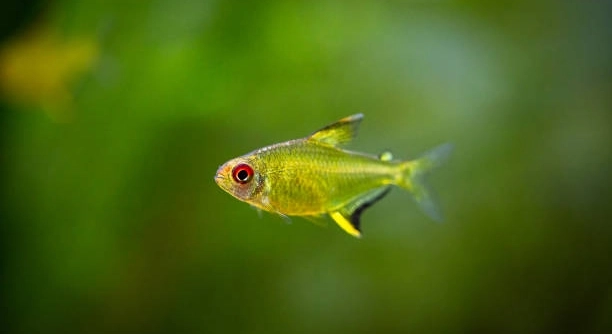
Lemon tetras are small, bright fish that bring life to any aquarium. Watching them swim can be relaxing, but sometimes they move so quickly that it catches your attention. This darting behavior can feel alarming.
Lemon tetras dart around primarily due to stress, sudden changes in water conditions, or the presence of other fish. This rapid movement is often a natural response to environmental stimuli, indicating discomfort, fear, or the need to establish territory.
Learning what triggers this behavior can help you create a calmer environment for your fish. Observing their patterns carefully can make a big difference in their well-being.
Common Causes of Darting Behavior
Lemon tetras often dart when something in their environment changes suddenly. Shifts in water temperature, pH, or hardness can make them uneasy. Loud noises near the tank or vibrations can also trigger quick movements. Sometimes, overcrowding causes them to dash around, trying to find space. Even introducing new fish can make them nervous until they adjust. Observing these triggers helps you understand why your fish act this way and allows you to respond promptly. Over time, noticing subtle behaviors like darting near corners or under decorations can provide clues about stress levels. Food changes, especially sudden switches in diet, can also lead to brief bursts of frantic swimming. Understanding these causes can reduce anxiety for both the fish and you. Lemon tetras are sensitive, and a steady, calm environment often decreases erratic movements significantly. Adjusting the tank gradually can prevent many of these issues.
Stress and water quality often combine to make tetras dart frequently. Maintaining stable conditions is key to calming them.
By paying attention to tank layout, hiding spots, and consistent water maintenance, you can help your tetras feel more secure. Adding plants or decorations creates areas where they can rest. Observing how they interact with tank mates can reveal social stress, allowing you to adjust numbers or species accordingly. Even small improvements in lighting, filtration, and feeding schedules can reduce darting. Over time, fish may become less reactive, swimming calmly and displaying natural behaviors. Taking notes on their patterns helps you predict and prevent sudden bursts of activity. Providing a balanced environment supports not only their physical health but also their emotional stability. Consistent monitoring, patience, and gentle adjustments ensure that darting behavior decreases, and your lemon tetras can thrive peacefully, making your aquarium a more harmonious space for both fish and viewer alike.
Tank Setup Tips
Placing plants and decorations thoughtfully helps lemon tetras feel safe and reduces sudden darting.
Ensure there is enough open swimming space along with hiding spots. Plants, driftwood, or small caves give them areas to retreat when stressed. Avoid overcrowding, as too many fish in a small tank heightens tension and causes constant darting. Lighting should be gentle, not harsh, to prevent startling them. Regular water testing for ammonia, nitrate, and pH keeps conditions stable, which greatly reduces stress-related movement. Adjusting tank features slowly, rather than all at once, helps fish adapt without panic. Even rearranging decorations gradually can prevent spikes in darting behavior. Simple habits, like feeding at consistent times and keeping the area around the tank calm, make a noticeable difference. With a thoughtful setup, lemon tetras swim more confidently, displaying natural schooling and resting behaviors, which makes maintaining the tank easier and more enjoyable. A calm environment encourages healthier, happier fish and a more peaceful aquarium overall.
Monitoring Water Conditions
Keeping water stable is essential for lemon tetras to swim calmly. Sudden changes in temperature, pH, or ammonia levels often trigger darting. Regular testing and small adjustments help maintain a healthy environment.
Using a reliable thermometer and test kits allows precise monitoring of tank conditions. Tetras are sensitive to even minor fluctuations, so checking weekly, or more often during changes, is important. Partial water changes, performed carefully, can correct imbalances without stressing the fish. Filtration also plays a key role in keeping water clear and free of toxins. Observing your tetras daily helps you notice subtle changes in behavior linked to water quality. Even small improvements, like adjusting the filter flow or aeration, can reduce stress. Keeping a log of temperature, pH, and nitrate levels makes it easier to spot patterns that may cause darting, ensuring a calmer, healthier tank over time.
Stable water conditions help prevent sudden stress that leads to darting. Consistent temperature, pH, and ammonia levels are key.
Social Dynamics and Tank Mates
Lemon tetras are schooling fish and rely on social interaction for security. Aggressive or overly large tank mates can trigger frantic swimming, causing stress. Choosing compatible species is essential for a peaceful environment.
Observing how tetras interact reveals whether they feel safe or threatened. Fish that are shy or easily bullied may dart repeatedly to escape perceived danger. Maintaining groups of at least six helps reduce stress, as schooling provides reassurance and decreases isolated anxiety. New additions should be introduced gradually, allowing existing fish to acclimate without chaos. Aggression can also arise from overcrowding, so tank size must match the number of inhabitants. Providing hiding spots reduces conflict and gives fish space to establish territories. When social stress is minimized, darting decreases, and fish display natural behaviors such as synchronized swimming and resting in calm areas, creating a harmonious tank environment.
Feeding Habits
Overfeeding lemon tetras can cause sudden bursts of darting as they compete for food. Small, frequent meals help reduce frantic behavior.
Uneaten food also impacts water quality, which can increase stress. Feeding measured amounts and removing leftovers keeps both fish and tank healthy.
Signs of Illness
Darting can sometimes indicate disease or parasites. Watch for unusual spots, faded colors, or clamped fins alongside erratic swimming. Early detection is crucial for effective treatment.
Reducing Stress
Keeping a calm environment with minimal disturbances helps lemon tetras stay relaxed. Gentle lighting, quiet surroundings, and consistent routines contribute to calmer swimming patterns.
Tank Maintenance
Regular cleaning and water changes are key to preventing stress. Maintaining clear, toxin-free water reduces darting caused by poor conditions.
FAQ
Why is my lemon tetra darting only at certain times of the day?
Lemon tetras often react to changes in light, noise, or activity around the tank. Morning and evening are times when fish are naturally more active. Sudden shadows or movements outside the tank can trigger darting. Consistent lighting and keeping the tank in a low-traffic area can help reduce this behavior.
Can temperature changes make my tetra dart more?
Yes. Lemon tetras are sensitive to sudden shifts in water temperature. Even a few degrees up or down can stress them, leading to rapid swimming. Using a reliable heater or thermometer and gradually adjusting temperature ensures stability and calmer fish.
Does tank size affect darting behavior?
Absolutely. Small or overcrowded tanks leave little room for movement, which increases stress. Tetras need open swimming areas combined with hiding spots. A tank of at least 20 gallons for a small school of six or more is ideal for reducing frantic swimming.
Are certain tank mates more likely to cause darting?
Yes. Aggressive or much larger fish can scare lemon tetras, causing sudden darting. Choosing peaceful, similarly sized species allows tetras to swim calmly. Introducing new fish slowly and observing interactions helps maintain harmony.
Could water quality be the reason for darting?
Water conditions are a major factor. High ammonia, nitrite, or nitrate levels, sudden pH changes, or improper hardness stress fish and cause erratic swimming. Regular testing, partial water changes, and proper filtration create a stable environment that reduces darting.
Does overfeeding or type of food affect darting?
Overfeeding can trigger competition, making tetras dart around frantically. Uneaten food also pollutes the water. Feeding small, measured amounts once or twice a day, and using high-quality flakes or micro-pellets, keeps fish healthy and behavior calm.
Is darting a sign of illness?
Sometimes. While occasional darting is normal, persistent rapid swimming paired with faded colors, clamped fins, or unusual spots may indicate disease or parasites. Observing behavior closely and isolating sick fish early allows effective treatment.
Can decorations and plants reduce darting?
Yes. Lemon tetras feel safer with places to hide. Plants, driftwood, or small caves reduce stress by giving them retreat spaces. A mix of open swimming areas and hiding spots keeps fish confident and less likely to dart constantly.
Do sudden movements outside the tank trigger darting?
Definitely. Lemon tetras are alert to activity near their tank. People walking by, pets, or vibrations can cause quick bursts of swimming. Placing the tank in a quieter area and reducing sudden disturbances helps them stay calm.
How long does it take for tetras to adjust to a new tank?
Adjustment can take a few days to a couple of weeks. During this period, darting is common as they explore and establish a sense of security. Maintaining stable water, proper tank setup, and gentle handling supports quicker acclimation.
Can light intensity affect darting?
Yes. Bright or fluctuating light can stress lemon tetras, causing rapid swimming. Using a consistent light cycle and soft illumination helps them feel secure. Gradually increasing brightness after setup prevents sudden stress responses.
Will schooling behavior reduce darting?
Keeping lemon tetras in groups of at least six improves confidence and reduces stress. Schooling provides safety and decreases panic responses. Fish separated or in very small groups often dart more as they feel exposed or insecure.
Are there signs that darting is normal versus a problem?
Normal darting is brief and happens sporadically, often in response to minor stimuli or during feeding. Problematic darting is constant, frantic, or accompanied by other stress signs such as rapid gill movement, loss of color, or hiding excessively. Observing patterns helps distinguish normal behavior from issues.
Does filtration and water flow influence darting?
Yes. Strong currents or improper filtration can make tetras uncomfortable, leading to darting. Using gentle flow settings and ensuring smooth water circulation creates a more natural environment, allowing calmer swimming and better overall health.
Can temperature swings during water changes cause darting?
Sudden water changes with cooler or warmer water can stress lemon tetras, causing rapid swimming. Always match new water to tank temperature and perform gradual changes. This prevents stress-induced darting and keeps the fish stable during maintenance.
How can I tell if darting is due to stress or excitement?
Stress-related darting is often frantic, repetitive, and paired with hiding or clamped fins. Excitement or curiosity usually results in short bursts of speed, followed by normal swimming. Paying attention to context and body language helps interpret the behavior accurately.
Do lemon tetras dart more in new tanks?
Yes. New tanks present unfamiliar surroundings and unknown water parameters. Initial darting is common as they explore, assess threats, and adjust to conditions. Maintaining stable water quality and providing hiding spots reduces anxiety and encourages smoother swimming.
Are there dietary supplements that reduce darting?
Proper nutrition supports overall health, which can reduce stress-related darting. High-quality foods rich in vitamins and carotenoids improve energy levels, coloration, and immune response, making fish less prone to erratic behavior. Supplements should be used sparingly and only when needed.
Can I prevent darting completely?
Darting can never be eliminated entirely because it’s a natural reaction. However, minimizing stress through proper tank conditions, compatible tank mates, stable water, and thoughtful feeding greatly reduces its frequency and intensity, creating a calmer and healthier aquarium environment.
Final Thoughts
Watching lemon tetras swim can be relaxing and enjoyable, but seeing them dart around quickly can feel worrying. This behavior is usually a response to something in their environment rather than a serious problem. Lemon tetras are naturally alert and sensitive fish. Sudden changes in water conditions, new tank mates, or disturbances near the tank often cause quick bursts of movement. Understanding that darting is a normal reaction in many cases helps you stay calm and focus on maintaining a stable environment. Over time, you learn to notice patterns in their swimming and can tell when it is harmless excitement or a sign of stress. By observing carefully, you can make small adjustments that improve their comfort and reduce frantic behavior without overreacting.
Maintaining stable water quality is one of the most effective ways to keep lemon tetras calm. Temperature, pH, and ammonia levels should be monitored regularly, and gradual adjustments are best if changes are needed. Providing an adequate number of tank mates is important, too. Lemon tetras are schooling fish, and keeping them in groups helps them feel secure. Overcrowding or pairing them with aggressive or much larger fish can increase darting. Adding plants, decorations, or small hiding spots gives them areas to retreat when they feel stressed, which reduces frantic swimming. Feeding small amounts of food at consistent times also keeps the fish calm and prevents competition that can trigger rapid movements. Even small, thoughtful adjustments in care and environment can make a noticeable difference in their behavior over time.
It is also important to recognize the signs of illness versus normal behavior. Persistent darting accompanied by faded colors, clamped fins, unusual spots, or changes in appetite may indicate a health problem. Early observation and action are key in addressing any issues before they become serious. Many times, simple changes in the tank setup, water conditions, or social environment are enough to help lemon tetras feel secure and reduce erratic swimming. Consistency, careful observation, and patience are the best ways to support their health and happiness. By creating a stable and safe environment, you encourage natural behavior, allowing the tetras to swim calmly, explore confidently, and interact peacefully with their tank mates, making your aquarium a more harmonious and enjoyable space overall.

Hello,
If you enjoy the content that we create, please consider saying a "Thank You!" by leaving a tip.
Every little bit helps us continue crafting quality advice that supports the health, happiness, and well-being of pets around the world, for pets of all shapes, sizes, and species.
We really appreciate the kindness and support that you show us!