
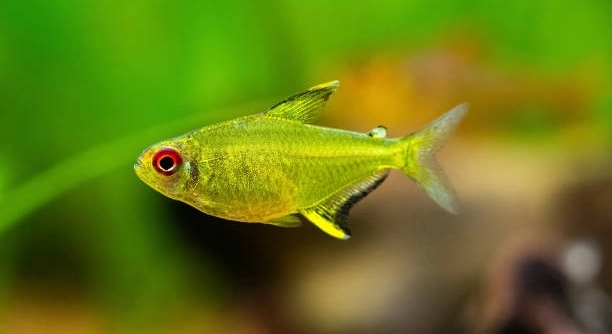
Do you love keeping a peaceful aquarium but find it tricky to introduce new fish without upsetting the balance? Lemon tetras are small and delicate, making careful introductions important for a harmonious tank environment.
Introducing lemon tetras to new fish requires gradual acclimation, careful observation, and maintaining stable water conditions. Providing hiding spots, monitoring behavior, and separating aggressive species can prevent stress and ensure all fish adapt smoothly to their shared habitat.
Learning simple methods for introductions can make your aquarium a calmer, healthier place. These approaches help both new and existing fish settle comfortably and thrive together.
Prepare the Tank Before Introducing New Fish
Before adding lemon tetras, make sure your tank is clean and well-maintained. Check the water temperature, pH, and filtration system. Remove any debris and ensure the water is clear. Adding new fish to a dirty or unstable environment can cause stress and illness. Arrange plants, decorations, and hiding spots so both existing and new fish have areas to retreat. A balanced layout helps prevent aggression and overcrowding. Make sure the water parameters match the needs of lemon tetras. Consistent conditions reduce the risk of shock when introducing new fish. Slowly adjust the tank environment if necessary, rather than making sudden changes. Observing the behavior of your current fish before adding newcomers can provide insight into how well they will accept new tankmates. Taking these steps creates a safe, stable, and calm environment, which is crucial for healthy adaptation and long-term harmony in the aquarium.
Preparing the tank beforehand prevents most stress-related issues and ensures your lemon tetras settle in without immediate problems.
By carefully arranging plants, decorations, and hiding spots, you give fish areas to retreat, which reduces aggression. Monitoring water quality daily allows for early detection of problems. Keeping the environment consistent makes the introduction process smoother. Small adjustments over time can help acclimate fish more comfortably. Regular observation helps identify signs of stress early, ensuring your tank remains healthy. Creating a calm atmosphere benefits both new and existing fish. This preparation not only supports immediate adaptation but also encourages long-term stability. When everything is set, adding lemon tetras becomes a controlled and safer process. The right tank setup reduces risks of disease and improves overall fish well-being. Consistency in temperature, pH, and cleanliness makes fish feel secure, helping them thrive in their shared space.
Quarantine New Fish
Separating new lemon tetras in a quarantine tank before adding them to your main aquarium can prevent disease spread. This allows you to observe for signs of illness without risking the health of existing fish. Keep the quarantine tank for at least two weeks, monitoring feeding habits, swimming behavior, and any visible parasites. Treat any health issues immediately before introducing the fish to the main tank. Quarantine tanks also help new fish adjust to water conditions gradually.
Using a quarantine tank significantly reduces the risk of introducing disease to your main aquarium.
Quarantine is an essential step in fish care. By isolating new lemon tetras, you protect your established tank from potential infections. It also allows you to monitor behavior closely and identify any stress responses. Gradual acclimation in a separate tank helps fish adapt to the water parameters and reduces shock. Providing clean water, stable temperature, and proper nutrition ensures the tetras are healthy before joining the main tank. During this period, you can also plan the best timing for introductions based on the behavior of both new and existing fish. A careful approach during quarantine minimizes conflict and ensures that the transition into the main aquarium is smoother. This method improves survival rates and promotes a calmer, more harmonious tank once the lemon tetras are introduced.
Introduce Fish Gradually
Start by floating the bag with new lemon tetras in your tank for 15–20 minutes. This helps them adjust to the water temperature without shock. Slowly release a small amount of tank water into the bag every 5 minutes.
Gradual introduction reduces stress and prevents sudden changes that could harm the fish. By slowly mixing tank water into the transport bag, the tetras get used to pH and hardness differences. After 30–45 minutes, they are more comfortable with the new environment. This method helps them acclimate safely, reducing the risk of illness or aggressive behavior when they are fully released into the tank. Maintaining patience during this process makes the transition smoother for both new and existing fish.
After temperature and water adjustment, carefully release the lemon tetras into the tank using a net. Avoid pouring the bag water directly into your aquarium to minimize introducing contaminants. Observe the fish closely for the first few hours to ensure they are swimming normally and not hiding excessively. Keep feeding light and minimal during the first day. Providing plants or decorations nearby can give them hiding spots, helping reduce stress. This careful introduction supports a calmer environment and allows the tetras to explore at their own pace while the established fish gradually accept them.
Monitor Behavior and Health
Watch how your lemon tetras interact with other fish in the first few days. Aggression, chasing, or hiding can indicate stress or compatibility issues. Adjust tank conditions if needed.
Observing behavior helps identify early signs of stress or illness. Lemon tetras are generally peaceful, but introducing them to territorial or aggressive fish can cause tension. Monitor swimming patterns, feeding habits, and social interactions. Ensure new fish are not being bullied or isolated. If aggression is noticed, consider adding additional hiding spots or temporarily separating aggressive species. Consistent monitoring over the first week allows for adjustments before problems escalate. Proper observation ensures all fish remain healthy and the aquarium stays balanced.
Regularly check water parameters after adding new fish. Changes in nitrate, ammonia, or pH can affect stress levels and immunity. Keep feeding small amounts and observe for signs of illness, such as clamped fins, faded colors, or rapid gill movement. Provide sufficient space so all fish have room to swim and rest. Overcrowding can increase stress and provoke fights. Using decorations strategically helps create territories and reduces tension. Maintaining a stable routine of water testing, feeding, and observation is key. This diligence ensures lemon tetras integrate smoothly and your entire tank remains a safe, calm environment for everyone.
Keep the Environment Stable
Maintain consistent water temperature and pH to reduce stress on lemon tetras. Sudden changes can cause illness and erratic behavior.
Avoid major adjustments during the first few weeks. Small, gradual changes are safer and help fish adapt without shock. Stability is essential for their health and comfort.
Provide Hiding Spots
Plants, rocks, and decorations give lemon tetras places to retreat when feeling threatened. This reduces stress and aggression. A well-decorated tank supports natural behavior and helps both new and existing fish feel secure.
Feed Appropriately
Feed small amounts multiple times a day to ensure all fish get enough food. Overfeeding can pollute the tank, while underfeeding may stress fish. A balanced diet keeps lemon tetras healthy and supports their adaptation to new tankmates.
Separate Aggressive Fish
If certain fish show persistent aggression, consider temporary separation. Aggressive behavior can harm new lemon tetras and disrupt tank harmony. Protecting vulnerable fish ensures a calmer, safer environment while allowing the community to adjust gradually.
How long should I quarantine new lemon tetras?
New lemon tetras should be quarantined for at least two weeks. This period allows you to observe for signs of illness, parasites, or stress before introducing them to your main tank. Quarantine helps prevent spreading disease to existing fish and gives new tetras time to acclimate to water conditions gradually. During this time, monitor their swimming, feeding, and physical appearance. Treat any issues promptly. Using a separate tank also reduces the risk of conflict with established fish. Proper quarantine supports healthier fish and a calmer, safer aquarium environment overall.
Can lemon tetras live with aggressive fish?
Lemon tetras are peaceful and do not handle aggression well. Housing them with aggressive or territorial fish often leads to stress, injury, or death. If your tank contains aggressive species, provide plenty of hiding spots or consider separating the tetras until they are safely integrated. Maintaining a calm environment with compatible fish is essential for their well-being. Aggression disrupts social behavior and can prevent lemon tetras from feeding properly or schooling comfortably. Careful observation and adjustments can help reduce conflict, but it is best to avoid pairing them with aggressive tankmates altogether.
How do I know if lemon tetras are stressed?
Signs of stress in lemon tetras include clamped fins, erratic swimming, hiding constantly, or loss of appetite. Faded colors and rapid gill movement can also indicate distress. Stress can result from sudden changes in water parameters, aggressive tankmates, or overcrowding. Monitoring these behaviors allows for early intervention, such as adjusting water conditions or adding hiding spots. Reducing stress is critical for preventing disease and ensuring long-term health. Regular observation and maintaining a stable environment help lemon tetras feel secure and thrive in their tank.
What is the best way to introduce lemon tetras to new fish?
Gradual introduction is the safest method. Float the transport bag in the tank for 15–20 minutes to adjust the water temperature. Slowly add small amounts of tank water into the bag to acclimate the tetras to pH and hardness differences. Release them gently with a net rather than pouring the bag water directly into the tank. Provide hiding spots and observe their behavior closely. Keeping interactions calm during the first day or two helps both new and existing fish adjust without aggression. Gradual introduction reduces stress and improves long-term tank harmony.
How often should I feed lemon tetras during the first week?
Feed small amounts two to three times a day when introducing lemon tetras. This ensures all fish receive adequate nutrition without polluting the water. Avoid overfeeding, which can increase ammonia and nitrate levels, causing stress or illness. Observe feeding behavior to confirm that all fish are eating and adjust quantities if necessary. A balanced diet supports their adaptation to the new environment and promotes healthy growth. Providing high-quality flake food, micro pellets, or occasional live food encourages natural feeding behavior and reduces competition.
Do lemon tetras need special water conditions?
Lemon tetras thrive in slightly acidic to neutral water with a pH of 5.5–7.0 and a temperature between 72–78°F (22–26°C). Stable conditions are crucial, as sudden changes can cause stress or illness. Soft to moderately hard water is ideal, and regular water testing ensures parameters remain consistent. Proper filtration and partial water changes help maintain clean water and reduce toxins. Mimicking their natural environment with plants, gentle currents, and hiding spots promotes healthy behavior and supports schooling. Maintaining appropriate water conditions is one of the most important steps for keeping lemon tetras happy and healthy.
How do I handle aggression if it occurs?
If aggression arises, identify the aggressive fish and provide additional hiding spots or barriers in the tank. Temporary separation may be necessary to protect lemon tetras. Avoid overcrowding and ensure each fish has enough space to swim and rest. Adjusting tank layout or introducing plants and decorations can reduce stress and help establish territories. Regular observation is key to preventing persistent aggression. Quick action ensures that all fish remain healthy and calm. Maintaining a peaceful community supports proper feeding, schooling, and overall aquarium balance.
Can I add multiple lemon tetras at once?
Yes, adding several lemon tetras together helps them feel secure and encourages natural schooling behavior. Introducing them in a group reduces stress and prevents any single fish from being targeted by tankmates. Ensure there is enough space, hiding spots, and stable water conditions for all new fish. Gradual acclimation and careful observation are still necessary, even when adding a group. A cohesive group integrates more smoothly into the tank and creates a calmer, more balanced environment for everyone.
What should I do if a new lemon tetra falls ill?
Isolate any sick fish immediately to prevent the spread of disease. Identify symptoms such as clamped fins, white spots, or lethargy. Treat the condition with appropriate medication while maintaining stable water parameters. Ensure the quarantine tank is clean and properly filtered. Reduce stress by keeping feeding light and providing hiding spots. Monitoring recovery closely allows for adjustments and ensures the fish return to full health. Early intervention is critical to avoid impacting the rest of the tank.
How long does it take for lemon tetras to adjust fully?
Lemon tetras usually acclimate within one to two weeks if conditions are stable and introductions are gradual. Observing their behavior, feeding, and schooling patterns helps determine when they are fully settled. Continued monitoring after the first two weeks ensures they remain healthy and comfortable in their new environment. Providing a calm tank with hiding spots, compatible fish, and consistent water conditions supports a smooth adjustment period and encourages long-term well-being.
This FAQ provides detailed guidance to help lemon tetras adapt successfully while protecting the health of all fish in your tank. Proper care, observation, and patience are key to creating a calm, thriving aquarium.
Introducing lemon tetras to a new tank can feel challenging, but with careful planning, it doesn’t have to be stressful. The key is to maintain a stable environment with consistent water parameters. Temperature, pH, and water hardness should be monitored regularly, as sudden changes can stress the fish and make them more vulnerable to illness. Cleaning the tank before adding new fish, arranging plants, decorations, and hiding spots, and checking that the filtration system is working properly all contribute to a safe, calm environment. A well-prepared tank helps new lemon tetras adapt faster and makes the transition smoother for both new and existing fish. Simple steps like testing water, adjusting parameters slowly, and observing fish behavior daily go a long way toward maintaining balance and harmony in the aquarium.
The process of acclimating lemon tetras should be gradual. Floating the transport bag in the tank to equalize temperature and slowly mixing tank water into the bag helps the fish adjust without shock. Once introduced, providing hiding spots, monitoring behavior, and feeding small amounts multiple times a day reduces stress and encourages natural schooling behavior. Quarantine is also an important step before adding fish to the main tank. Isolating new fish for at least two weeks allows you to observe signs of illness, parasites, or stress, and treat any problems before they affect other fish. A careful, methodical approach ensures that lemon tetras integrate smoothly, protecting both their health and the overall stability of the aquarium.
Watching fish behavior is crucial after introduction. Signs of stress, aggression, or hiding can indicate issues that need attention. Adding multiple lemon tetras at once can help them feel secure and encourage schooling behavior, while separating aggressive fish or adding decorations to create territories reduces tension. Regular observation, consistent feeding, and maintaining water quality help all fish feel comfortable and thrive together. Lemon tetras are peaceful, adaptable, and rewarding when given proper care. Patience and attention to their needs will create a calm, healthy aquarium where both new and established fish can coexist happily. Small, consistent efforts make a big difference in the long-term health and well-being of your tank.

Hello,
If you enjoy the content that we create, please consider saying a "Thank You!" by leaving a tip.
Every little bit helps us continue crafting quality advice that supports the health, happiness, and well-being of pets around the world, for pets of all shapes, sizes, and species.
We really appreciate the kindness and support that you show us!