
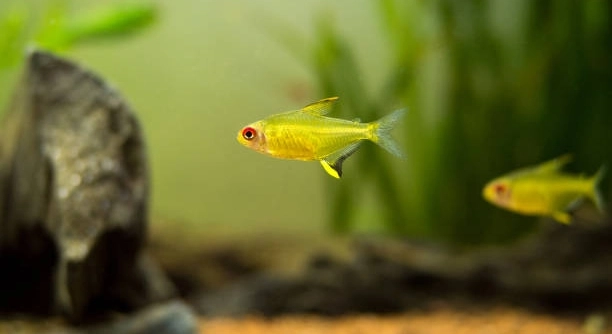
Do you ever notice your lemon tetras swimming in a predictable pattern, moving from one corner of the tank to another at certain times? Observing their behavior can be fascinating for both beginners and experienced aquarists.
Lemon tetras are capable of learning routines within their tank, responding to feeding times, light changes, and environmental cues. Repetition and consistency in their environment help reinforce these behaviors, allowing them to anticipate and adjust to predictable events.
Understanding how lemon tetras establish these patterns can improve your tank management and strengthen your connection with them over time.
How Lemon Tetras Recognize Their Environment
Lemon tetras are highly responsive to their surroundings. They notice changes in lighting, water temperature, and the placement of plants or decorations. Over time, they can learn to associate certain actions, like the sound of a filter or the approach of a hand, with feeding or other activities. These small signals create a sense of routine. By keeping a consistent schedule for feeding and maintenance, tetras can develop predictable behaviors. They may swim to a specific area when it’s time to eat or explore a favorite corner after lights are turned on. Observing their reactions can reveal patterns in their behavior, helping you anticipate their needs. The more consistent the environment, the stronger their recognition of these cues becomes. Even slight changes, such as moving a decoration or switching tank locations, can temporarily disrupt their routine but they often readjust with time.
Consistency and observation are key to helping tetras learn. Patterns become clear quickly with routine care.
Lemon tetras rely on memory and repetition to navigate their tank. They remember where hiding spots and feeding areas are located. This learning helps reduce stress because they know what to expect throughout the day. By reinforcing positive routines, such as feeding at the same time or keeping consistent lighting, tetras gain confidence. They may swim faster or group together when anticipating feeding, showing recognition of patterns. Providing stable conditions allows them to focus on these routines rather than adapting constantly to changes. Over weeks, they begin to demonstrate predictable behaviors linked to daily events. Watching these small responses can be satisfying, as it shows their ability to adapt. Their learning may also extend to recognizing owners or familiar movements near the tank. Simple actions like approaching the tank or changing decorations gradually shape their behavior, highlighting how environmental consistency encourages learning and comfort.
Training Through Daily Interaction
Feeding times are the most effective way to establish a routine with lemon tetras.
By interacting consistently during feeding, you can reinforce behavior patterns. Start by approaching the tank similarly each time and offering food in a predictable spot. Tetras will begin to associate these actions with meal times. Observing them respond by gathering in a particular area shows their learning in progress. This method can extend beyond feeding. Gentle movements or signals, repeated consistently, can help them recognize when the lights will change or when water maintenance is about to occur. Patience is essential; sudden changes can disrupt their understanding. Tracking these responses helps refine your approach. Over time, these small cues build a sense of familiarity and predictability, reducing stress and creating smoother tank routines.
Regular interaction strengthens their ability to recognize cues. Maintaining predictability in daily tasks allows tetras to adapt comfortably. Environmental cues like light, sound, and movement play a major role in shaping behavior. Feeding at the same time each day builds anticipation, while consistent placement of decorations and hiding spots reinforces spatial memory. Tetras quickly learn to respond to repeated patterns, showing signs of routine awareness. Observing their swimming paths, grouping tendencies, and response to approaching hands can provide insight into how well they’ve adapted. Over weeks, they can demonstrate remarkable consistency in behavior, indicating effective learning. Consistency helps them manage stress, as predictable events allow them to feel secure. Gradually introducing new elements or minor changes keeps them stimulated without overwhelming their learned patterns. By understanding these responses, you can optimize feeding, cleaning, and lighting schedules to suit their natural tendencies. This approach fosters a calmer tank environment and highlights their capacity to develop daily routines.
Recognizing Feeding Cues
Lemon tetras quickly notice signals associated with feeding. Sounds, shadows, or hand movements near the tank can trigger them to swim toward food. Repeating these signals consistently helps them learn the connection, creating predictable feeding behavior.
They begin associating the sight or sound of food with actual feeding. Over time, even subtle cues like the approach of a hand or the rattle of a container will prompt them to gather in anticipation. This behavior demonstrates their ability to remember daily patterns and respond accordingly. Feeding at regular times strengthens this learning. Their responses also indicate reduced stress, as they feel secure when familiar routines are followed.
Once the connection is established, lemon tetras can adjust their swimming patterns around feeding times. They often group together in the same area, anticipating food arrival. Predictable routines make them more confident and less prone to hiding. Observing this behavior shows how environmental consistency reinforces learning, and even small changes in placement or timing can affect their reactions. The key is maintaining repetition and patience, which allows their recognition and routine behaviors to develop naturally.
Establishing a Daily Tank Routine
Consistency in lighting, feeding, and maintenance is essential for lemon tetras to develop daily routines. Predictable schedules help them feel secure and reduce stress in the tank environment.
Daily repetition of simple tasks helps tetras recognize timing and spatial patterns. They remember where hiding spots are and which areas are safe for swimming. Lights turning on or off at the same time, food presented in a consistent spot, and gentle maintenance activities all reinforce their learning. These predictable patterns encourage confidence, allowing them to explore without fear. Gradual, small adjustments are easier for them to adapt to, as sudden changes can disrupt their routine.
When routines are reinforced daily, lemon tetras respond consistently to environmental cues. They may swim to favorite spots or group together when feeding approaches. Over time, this predictability reduces erratic behavior and improves tank harmony. Providing stable water conditions, consistent lighting, and predictable feeding times strengthens spatial and temporal memory. Subtle signals, like hand movement or container noise, further support learned responses. By maintaining regularity and minimizing abrupt changes, tetras feel secure, which allows natural behaviors to emerge. Monitoring their reactions helps fine-tune routines, making their environment more comfortable and structured.
Responding to Light Changes
Lemon tetras adjust quickly to changes in lighting. They swim actively when lights turn on and often retreat to hiding spots when lights go off. Consistent light schedules help them anticipate daily transitions.
Maintaining the same lighting pattern each day reinforces their routine. They learn when to be active and when to rest. This predictability reduces stress and keeps them comfortable.
Recognizing Owner Presence
Lemon tetras can learn to associate your presence with feeding or tank activity. They often swim toward the area you approach.
Observing their reactions allows you to anticipate behavior and maintain smooth routines. Gentle, consistent movements help them feel safe and secure in their environment.
Adapting to Minor Changes
They can adjust to small changes in the tank if introduced gradually. Stability is important for their learning and comfort.
FAQ
Can lemon tetras remember feeding times?
Yes, lemon tetras can learn to recognize feeding times. They respond to repeated cues such as the sound of a container or the approach of a hand. Over time, they begin swimming toward the feeding area even before food is introduced, showing anticipation. Consistent schedules reinforce this behavior.
How long does it take for them to learn a routine?
The learning period varies, but most lemon tetras start showing predictable behaviors within a few weeks. Daily repetition of feeding, lighting changes, and maintenance routines helps solidify these patterns. Patience is important, as sudden changes can temporarily disrupt their progress.
Do all lemon tetras learn at the same speed?
Not necessarily. Some tetras are quicker to respond to cues, while others take longer to adapt. Factors like age, health, and environment play a role. Consistent routines and gentle reinforcement can help all individuals eventually recognize patterns.
Can lemon tetras be trained beyond feeding?
Yes, they can learn to associate certain cues with tank changes or maintenance activities. Lights turning on, hand movements, or specific sounds can signal routines like cleaning or water testing. Gradual and consistent introduction of these cues strengthens recognition.
What happens if I change their routine frequently?
Frequent changes can confuse lemon tetras and increase stress. They rely on predictable patterns to feel secure. Minor adjustments are manageable, but abrupt or inconsistent changes may cause hiding, erratic swimming, or reduced feeding response. Gradual adaptation is more effective.
How do environmental cues affect their learning?
Environmental cues like light, decoration placement, and hiding spots help lemon tetras develop routines. They learn where to swim and when to rest. Consistency in these cues reinforces their memory and behavior, allowing them to anticipate daily events naturally.
Can lemon tetras recognize individual owners?
Yes, they can learn to distinguish familiar movements and approaches. Over time, they may swim toward a specific person during feeding or react to hand gestures. This shows their capacity to recognize patterns associated with certain individuals.
Are there signs they are stressed by routine changes?
Signs include hiding more than usual, swimming erratically, or refusing food. These behaviors indicate that their environment is inconsistent or that changes were too abrupt. Returning to predictable schedules usually reduces stress and restores normal behavior.
How can I reinforce positive behaviors?
Repetition is key. Maintain consistent feeding times, light schedules, and gentle maintenance routines. Rewarding with food during predictable patterns strengthens recognition. Avoid sudden changes to prevent confusion, allowing tetras to gradually develop a clear sense of daily routines.
Do lemon tetras forget routines if I take a break from feeding cues?
Short breaks may not erase learned behavior, but prolonged inconsistency can weaken recognition. Returning to consistent cues usually restores the routine. Their memory is reinforced by repetition, so regular interaction and predictable signals help maintain learned behaviors.
Can learning routines improve their health?
Yes, consistent routines reduce stress, which supports better immune function and overall health. Predictable feeding and tank conditions help lemon tetras maintain regular activity levels and reduce erratic behaviors caused by uncertainty.
How can I start teaching a new routine?
Introduce new cues gradually and consistently. Pair them with familiar signals, like feeding times, to build recognition. Avoid sudden environmental changes. Over several days or weeks, tetras begin associating the new cue with the expected outcome, strengthening their daily routine.
Do they respond to sound or vibration cues?
Yes, lemon tetras can learn to recognize certain sounds or vibrations, such as tapping on the tank or shaking a food container. Consistent association with feeding or maintenance allows them to anticipate what the signal means. Repetition ensures they understand the connection.
Is it better to have multiple tetras when teaching routines?
Having a small group can be helpful, as they often learn from each other’s reactions. When one fish responds to a cue, others may follow, reinforcing the behavior. Overcrowding should be avoided, as it can increase stress and interfere with learning.
Can routine learning affect their social behavior?
Yes, predictable routines can improve social interactions. Lemon tetras may synchronize swimming patterns, group together, and show calmer behavior when they anticipate daily events. A stable environment encourages cooperative activity and reduces aggressive or erratic movements.
How do I know if the routine is effective?
Signs include predictable swimming patterns, gathering near feeding areas at expected times, and calmer behavior during environmental changes. Observing these responses confirms that your tetras recognize and respond positively to consistent routines.
Are there limits to what they can learn?
While lemon tetras can recognize patterns and cues, their learning is limited to basic associations. Complex tricks or tasks are unlikely, but daily routines, feeding cues, and minor environmental signals are well within their capability.
Does age affect learning ability?
Younger tetras may learn slightly faster, but adult tetras are capable of establishing routines too. Health and environmental stability are more significant factors than age when it comes to learning and maintaining patterns.
Can changes in water conditions impact routine learning?
Yes, fluctuations in temperature, pH, or clarity can distract tetras from learned behaviors. Maintaining stable water conditions ensures that they can focus on established routines without stress caused by environmental inconsistencies.
How long do learned behaviors last?
With consistent reinforcement, lemon tetras can maintain learned behaviors for months. Breaks in routine may weaken recognition temporarily, but reestablishing cues usually restores the behavior. Regular observation and repetition keep routines intact and reliable.
Do tetras learn faster individually or in groups?
Groups can help reinforce learning because tetras often mimic the behavior of others. Individual learning is possible, but social cues make pattern recognition quicker for those in a small, stable group. Balance is key to avoid overcrowding or stress.
How important is patience in teaching routines?
Patience is crucial. Lemon tetras learn gradually and require consistent repetition. Abrupt or rushed changes can hinder learning. Taking time to introduce cues and maintain predictable patterns allows them to recognize routines reliably, supporting both behavior and well-being.
Can they adapt if I move the tank?
Yes, but adaptation takes time. A new location changes light, noise, and vibration patterns. Gradual reintroduction to feeding cues and consistent schedules helps them reestablish routines in the new environment without excessive stress.
Do all types of cues work equally well?
Visual, auditory, and movement cues can all work, but consistency is more important than the type. Using the same signal repeatedly builds recognition. Some tetras respond better to movement, while others react strongly to sound or light changes.
Is it normal for them to forget after a long absence of routine?
Yes, extended breaks in cues can weaken memory, but routines are quickly relearned when signals are reintroduced consistently. Their learning is resilient, especially when environmental stability and repetition are restored.
Can learned routines help with tank maintenance?
Absolutely. Predictable behavior allows smoother water changes, plant trimming, or decoration adjustments. Tetras that anticipate events are less stressed, making maintenance easier and safer for both fish and owner.
How do I reinforce learning if multiple owners interact with the tank?
Ensure all interactions are consistent. Each person should follow the same cues for feeding and tank activity. Mixed signals can confuse tetras, slowing learning. Coordinated routines reinforce recognition and maintain established behavior patterns.
Can routines reduce aggressive behavior?
Yes, predictability reduces stress, which often triggers aggression. Lemon tetras become calmer, swim in groups more cohesively, and show fewer signs of territorial disputes when daily routines are stable.
How do I monitor progress?
Track behaviors like gathering at feeding spots, timing responses, and reaction to light changes. Gradual improvements indicate successful learning. Noting changes helps adjust cues or schedules to maintain effective routines and minimize stress.
Are there any signs that a routine is too rigid?
Rigid schedules are generally beneficial, but extreme inflexibility may limit exploration or enrichment. Minor variations can stimulate natural behavior, as long as core cues like feeding and light remain consistent.
Do they learn better in planted tanks?
Planted tanks offer visual landmarks, which can help tetras recognize patterns. Hiding spots and decorations give reference points for routines, making navigation and behavior prediction easier.
How often should I reinforce routines?
Daily reinforcement is most effective. Regular feeding, light changes, and gentle interactions strengthen recognition. Occasional breaks are acceptable, but consistent repetition ensures behaviors are maintained reliably.
Can learning routines improve their lifespan?
Stable routines reduce stress, improve feeding efficiency, and promote overall health. Predictable conditions contribute to better immune function and longevity, making routine learning a practical benefit beyond behavior observation.
Is it necessary to track individual tetras?
Tracking individuals can help identify who adapts faster and who may need extra attention. Noticing individual responses ensures that all fish benefit from consistent routines, improving overall tank harmony.
Do lemon tetras show excitement during routines?
Yes, they may swim faster, gather in groups, or hover near food sources when anticipating regular events. These behaviors indicate recognition and positive association with predictable routines.
Can they differentiate between feeding and maintenance cues?
Yes, with repeated exposure. They learn to distinguish signals like hand movement for feeding versus water changes. Clear, consistent cues are key to teaching different routine responses effectively.
How can I minimize stress when teaching new routines?
Introduce changes gradually, maintain stable water conditions, and pair new cues with familiar signals. Avoid abrupt or frequent alterations, and observe responses carefully to ensure learning occurs without causing stress.
What is the role of repetition in learning?
Repetition strengthens memory and recognition. Daily exposure to the same cues helps tetras anticipate events and build reliable routines. Without repetition, learned behaviors weaken and responses become inconsistent.
Can they learn multiple routines at once?
Yes, but gradual introduction is more effective. Start with core routines like feeding and lighting, then add additional cues for maintenance or minor tank changes. Multiple routines can be learned if introduced carefully and consistently.
Are some cues more effective than others for individual tetras?
Yes, individual fish may respond better to visual, auditory, or movement cues. Observing reactions allows customization of signals to ensure all tetras recognize routines and adapt comfortably to their environment.
How important is consistency across days?
Consistency is crucial for reinforcing learned behaviors. Predictable timing and cues allow tetras to anticipate events and reduce stress, ensuring smooth adaptation to tank routines over time.
Do they respond differently in groups versus alone?
Groups often reinforce behavior because tetras mimic each other. Alone, responses may be slower or less predictable, but learning still occurs with consistent cues. Observing both settings helps optimize routine teaching.
Can routines affect feeding hierarchy?
Yes, predictable schedules reduce competition by allowing tetras to anticipate food. Calm, consistent routines promote equitable access, reducing aggressive behavior during feeding times.
Do they need visual contact with the cue?
Visual cues are helpful, but tetras can also respond to sound and movement. Consistency in whichever cue is used ensures recognition and proper response to the routine.
Is it normal for tetras to test routines?
Yes, they may swim differently or explore around expected cues. Testing is part of learning and helps them confirm what to expect. Consistent reinforcement ensures they maintain correct responses over time.
How do I know when a routine is fully learned?
Predictable responses, such as gathering at feeding spots, swimming toward light changes, or responding to hand gestures, indicate that routines are well-established and effectively recognized.
Can routine learning be applied to multiple tanks?
Yes, but each tank requires consistent cues and repetition. Differences in environment, decorations, or lighting may require slight adjustments to reinforce learning effectively for each group of tetras.
Do learned routines fade over time?
Without consistent reinforcement, recognition may weaken, but regular cues restore routines. Learned behaviors are resilient with steady repetition and predictable environmental signals.
How do they react to unexpected changes in routine?
They may hide, swim erratically, or delay approaching feeding areas. Gradual adaptation and return to consistent cues help them regain normal behavior and comfort in the tank.
Can routines help during breeding periods?
Predictable feeding and lighting support stability, reducing stress that could interfere with breeding. Tetras are more likely to behave normally and remain active when daily patterns are consistent.
How much variation is acceptable in routines?
Small variations like minor timing shifts or slight movement changes are manageable. Core cues for feeding, light, and tank maintenance should remain consistent to ensure tetras retain recognition.
Do they respond differently to male and female owners?
Responses are generally based on consistent cues rather than gender. Recognition depends on repeated signals and approach patterns, so any owner can maintain routines effectively.
How can I use observation to improve routines?
Watching swimming patterns, gathering behavior, and reactions to cues allows fine-tuning of schedules and signals. Adjustments based on observation help maintain effective, stress-free routines for lemon tetras.
Can lemon tetras forget routines if stressed?
Severe or prolonged stress may temporarily reduce recognition. Returning to consistent, gentle cues restores their routine learning and helps them regain normal behavior patterns.
Do they react differently to hand feeding versus automatic feeders?
Yes, direct hand feeding creates visual and movement cues, enhancing learning. Automatic feeders provide consistency but may not reinforce recognition of human-associated signals as strongly.
Is it necessary to limit the number of new routines introduced?
Yes, introducing too many changes at once can confuse tetras. Gradual, consistent cues allow them to learn multiple routines effectively without overwhelming their capacity.
Do they respond to changes in water current?
Yes, changes in flow can act as cues, but sudden shifts may stress them. Consistent flow patterns help maintain comfort and reinforce learned behaviors.
How long can lemon tetras maintain a routine without reinforcement?
Short breaks are manageable, but longer interruptions may weaken learned behavior. Regular reinforcement is important to maintain reliable responses to cues over time.
Are visual markers in the tank helpful for routines?
Yes, decorations, plants, and landmarks help tetras navigate and recognize locations associated with routines. Visual cues support memory and predictable behavior patterns.
Do they interact with other species differently during routines?
Yes, stable routines can reduce stress in mixed-species tanks. Predictable events allow lemon tetras to behave normally without increased aggression or fear when other species are present.
Can routine learning affect energy levels?
Yes, consistent routines help tetras anticipate activity and rest periods, balancing energy use. This reduces sudden bursts of activity or prolonged hiding due to uncertainty.
Is reinforcement more effective at certain times of day?
Feeding times are most effective, as tetras naturally associate these cues with food. Pairing other routines with feeding or light transitions enhances recognition and response.
Do they respond to subtle movements or gestures?
Yes, repeated subtle cues like hand movements near the tank are recognized. Consistency ensures tetras associate these gestures with predictable events.
Can routines improve overall tank harmony?
Stable routines reduce stress, synchronize swimming patterns, and decrease aggressive interactions. Predictable environmental cues contribute to a calmer, more balanced tank ecosystem.
How often should I reassess routines?
Occasional observation ensures routines remain effective. Minor adjustments may be needed if behaviors change, but core cues should remain consistent to reinforce learning.
Can they be trained to avoid certain areas?
Yes, pairing subtle cues with boundaries or deterrents can discourage swimming into restricted areas. Consistent repetition is necessary to reinforce this behavior over time.
Do they respond to multiple cues at once?
Yes, combining visual, auditory, and movement cues strengthens recognition. However, consistency and gradual introduction are key to prevent confusion.
Are routines affected by seasonal changes?
Minor seasonal changes in light or temperature may influence behavior, but consistent cues within the tank help maintain routines despite external variations.
Can lemon tetras recognize daily sequences of events?
Yes, they can anticipate feeding, light changes, and maintenance in order. Repetition and consistency help establish predictable daily sequences.
Do they show signs of excitement when routines are consistent?
Yes, predictable cues trigger anticipation behaviors, such as gathering near feeding spots, increased swimming activity, or hovering around familiar landmarks.
Can routines be used to monitor health?
Yes, changes in response to established routines can indicate illness or stress. Reduced participation in learned behaviors often signals that something is affecting their well-being.
Is it necessary to document routines?
Tracking schedules and behavioral responses helps identify patterns, ensure consistency, and make small adjustments to maintain effective routines for all tetras.
Do routines affect sleep or rest patterns?
Yes, predictable light cycles and environmental cues help tetras establish regular rest periods, supporting overall health and daily activity balance.
How do routines influence breeding behavior?
Stable routines reduce stress, encourage normal swimming and feeding behaviors, and create favorable conditions for breeding, as tetras feel secure in their environment.
Can routines help with acclimating new tetras?
Yes, maintaining consistent cues for feeding, lighting, and environment helps new arrivals learn expected patterns, reducing stress and improving adaptation to the tank.
Do learned behaviors vary with tank size?
Larger tanks may require stronger cues or more visual markers to reinforce routines, while smaller tanks make recognition easier due to proximity and fewer variables.
Are certain times better for introducing routines?
Morning or consistent feeding times work best. Pairing new cues with established events ensures faster recognition and smoother adaptation to new routines.
Do routines impact feeding efficiency?
Yes, predictable schedules allow tetras to anticipate food and feed more efficiently, reducing competition and wasted food.
How do I prevent routine boredom?
Minor variations, like changing plant positions or adding small decorations, stimulate exploration without disrupting core cues. This keeps tetras engaged while maintaining predictability.
Can learned routines be shared across tanks?
Yes, but each tank’s environment differs. Core cues like feeding, lighting, and gentle signals should remain consistent to ensure recognition in each setting.
Do tetras react differently to different foods in routines?
Yes, highly preferred foods may strengthen routine recognition, while less desirable foods may reduce responsiveness. Pairing cues with favored foods helps reinforce learning effectively.
How do I know if a routine is too complex?
Signs include confusion, hesitation, or reduced responses. Simplifying cues and introducing them gradually ensures tetras can recognize and respond consistently without stress.
Can routines reduce aggressive chasing?
Yes, predictable feeding and movement schedules help tetras coordinate swimming and reduce territorial disputes, creating a calmer tank environment.
Are routines affected by tank mates?
Yes, the presence of other species can influence behavior. Consistency in cues and schedules helps lemon tetras maintain routines despite external variables in a community tank.
Can routines improve observation for care purposes?
Yes, predictable behavior makes it easier to monitor health, feeding habits, and activity patterns. Deviations from routine often signal potential issues, aiding early intervention.
Do routines affect schooling behavior?
Stable routines encourage synchronized swimming and coordinated movements, enhancing natural schooling behavior
Lemon tetras are small, active fish that respond well to consistency in their environment. Observing their behavior over time shows how routines influence their daily life. When feeding, lighting, and maintenance happen at predictable times, these fish begin to anticipate events, swim to expected areas, and interact more confidently with their surroundings. Even minor cues, such as a hand approaching the tank or the sound of a container, can become part of their daily pattern. By maintaining regular schedules, owners can help their tetras feel secure and reduce unnecessary stress, which is important for both their well-being and overall tank harmony.
Routine learning in lemon tetras is a gradual process that depends heavily on repetition and environmental stability. They may take a few days to notice consistent feeding times, and several weeks to fully respond to multiple cues, such as light changes and owner presence. Each fish may adapt at its own pace, but consistent reinforcement encourages predictable behaviors. Visual landmarks, decorations, and hiding spots play a role in how well they navigate their tank and recognize patterns. Observing how tetras respond to repeated cues gives valuable insight into their learning process. Over time, these behaviors become reliable, showing that even small fish are capable of memory and environmental recognition, which can make daily tank care easier and more enjoyable.
Maintaining a structured routine benefits both the fish and the owner. Predictable behaviors allow for smoother feeding, cleaning, and tank maintenance, while also creating a calmer atmosphere within the tank. Lemon tetras become more active and social when they know what to expect, reducing hiding and erratic swimming. Gradual changes, paired with consistent cues, allow them to adapt to new situations without stress. By paying attention to their responses, owners can adjust schedules and interactions to support healthy behavior. Overall, establishing daily routines is not just about convenience—it strengthens the fish’s sense of security, encourages natural behaviors, and promotes long-term health, making the tank a more balanced and comfortable environment for everyone involved.

Hello,
If you enjoy the content that we create, please consider saying a "Thank You!" by leaving a tip.
Every little bit helps us continue crafting quality advice that supports the health, happiness, and well-being of pets around the world, for pets of all shapes, sizes, and species.
We really appreciate the kindness and support that you show us!