
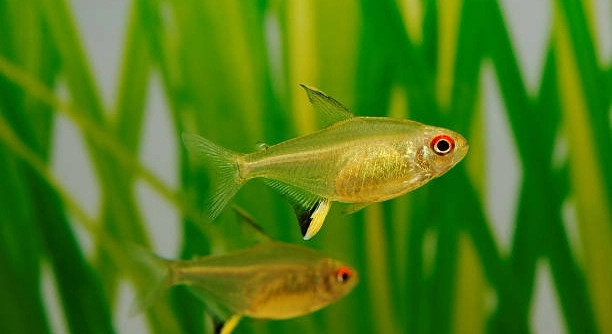
Lemon tetras are small, lively fish that often react nervously to changes in their environment. Their bright yellow color and swift movements make them charming but sometimes anxious companions in a home aquarium.
The most effective ways to calm a nervous lemon tetra include creating a stable tank environment, minimizing sudden disturbances, maintaining proper water conditions, providing adequate hiding spots, and encouraging social interaction with other peaceful fish. These strategies reduce stress and promote well-being.
Learning simple techniques can make a big difference in your fish’s comfort. Small adjustments to their habitat and daily care often have lasting, positive effects.
Create a Stable Tank Environment
Lemon tetras feel safest when their tank environment is consistent. Sudden changes in lighting, decorations, or water flow can trigger stress responses. It helps to keep the tank in a quiet area where household activity is minimal. Consistent temperature and clean water conditions are essential for their comfort. Using a timer for lights ensures a steady day-night cycle. Introducing new decorations or rearranging plants should be done slowly and in small steps. A tank with stable conditions allows lemon tetras to swim freely without fear. Observing their behavior daily helps you notice signs of stress early. Even minor fluctuations in water parameters can cause nervous movements or hiding. Maintaining stability in their environment also supports overall health and longevity. Over time, these consistent practices make lemon tetras more confident and relaxed in their surroundings.
A stable tank reduces sudden stress and helps lemon tetras maintain calm behavior over time.
Small adjustments like keeping decorations in the same spot and monitoring temperature make a noticeable difference in their comfort.
Keeping a predictable environment goes beyond just decoration. Water quality is a major factor. Testing for ammonia, nitrites, and nitrates regularly ensures the water remains safe. Filters should run smoothly without strong currents that may startle them. Gentle water changes maintain cleanliness without shocking the fish. Avoid placing the tank in areas with frequent vibrations or loud noises. Plants and hiding spaces provide security but should not block swimming areas. Observing the tetras’ behavior after changes allows you to correct issues before stress builds. Over time, these measures create a peaceful habitat. Lemon tetras begin to explore more, swim openly, and interact naturally with tank mates. The combination of stable water conditions, consistent lighting, and quiet surroundings supports both their physical and mental health. Proper care in these areas reduces nervous behavior and enhances their natural bright coloration.
Provide Hiding Spots
Hiding spots help lemon tetras feel secure and reduce stress. Dense plants, caves, or decorations give them places to retreat when nervous.
Adding plants or small ornaments can transform the tank into a safer environment for your fish.
Offering multiple hiding options encourages natural behavior. Lemon tetras like to dart into plants when startled, and small caves or rock formations provide safety. Varying the height and density of plants allows them to choose their comfort level. Decorations should have smooth edges to prevent injury. Observing which spots your fish prefer helps in arranging the tank effectively. Overcrowding the tank with hiding spaces can limit swimming, so balance is important. Hiding areas also support social hierarchy among tank mates, giving shy fish a chance to avoid aggressive interactions. Strategic placement near the back or sides of the tank helps them feel protected from movement outside the aquarium. Consistent access to secure spots reduces overall anxiety, leading to calmer, healthier lemon tetras that display natural colors and behaviors.
Do you want me to continue with the next sections in the same format?
Minimize Sudden Disturbances
Lemon tetras are easily startled by abrupt movements or loud noises near the tank. Moving slowly around the aquarium and avoiding tapping the glass helps keep them calm. Even sudden shadows can cause them to dart nervously across the tank.
Minimizing disturbances includes controlling the environment outside the tank. Closing doors quietly, reducing loud conversations nearby, and keeping pets away prevents stress. Avoid rapid changes in lighting, like turning bright lights on suddenly, as it can trigger panic swimming. When performing maintenance, work gently and avoid splashing water. Consistent routines signal safety, helping lemon tetras feel secure. Over time, calmer behavior becomes noticeable as fish explore more and interact naturally.
Even small daily habits matter. Feeding at the same time and using consistent hand movements reduces anxiety. Limiting outside activity near the tank and maintaining predictable maintenance routines supports long-term comfort.
Maintain Proper Water Conditions
Regularly checking temperature, pH, and hardness ensures lemon tetras stay healthy. Sudden shifts in water chemistry cause stress and erratic swimming. Consistent filtration helps maintain clarity and oxygen levels.
Proper water management includes weekly testing and partial water changes. Lemon tetras thrive in slightly acidic to neutral pH and stable temperatures around 75–80°F. Filters should run efficiently without creating strong currents that tire the fish. Removing uneaten food promptly prevents spikes in ammonia and nitrites. Using a water conditioner reduces chlorine and heavy metals. Consistency in water parameters allows the fish to adapt and reduces the risk of illness. Over time, well-maintained water fosters calmer, more active, and colorful lemon tetras.
Observing their behavior after each water change helps catch problems early. Gradually adjusting conditions instead of abrupt shifts reduces stress. Combining careful monitoring with proper feeding and tank hygiene creates a stable, healthy environment. Healthy water conditions not only prevent nervous behavior but also support growth, immunity, and natural coloration. Fish kept in optimal conditions show more confidence and social interaction with tank mates, swimming openly and exploring hiding spaces freely. Maintaining steady water quality becomes a simple, daily routine that benefits both the fish and the aquarium’s overall balance.
Encourage Social Interaction
Lemon tetras are schooling fish that feel safer in groups. Keeping at least six together helps reduce nervous behavior. Their natural instincts make them swim in synchrony, which increases confidence and lowers stress.
A calm group dynamic allows timid fish to follow the lead of more confident tetras. Watching each other and staying together provides reassurance and reduces sudden darting or hiding. Social interaction also stimulates natural behavior, keeping the fish active and healthy.
Avoid Overcrowding
Overcrowded tanks increase stress and competition for resources. Each lemon tetra needs space to swim freely. Limiting tank population helps maintain calm behavior.
Provide Gentle Lighting
Bright or flickering lights can startle lemon tetras. Soft, steady lighting creates a comfortable environment.
FAQ
How can I tell if my lemon tetra is stressed?
Signs of stress in lemon tetras include darting around the tank, hiding frequently, clamped fins, and loss of color. They may also stop eating or show unusual lethargy. Observing daily behavior helps catch stress early before it affects health.
What is the ideal tank size for lemon tetras?
Lemon tetras need a tank of at least 20 gallons for a small school of six or more. More space allows them to swim naturally and reduces aggression or nervous behavior. Overcrowding causes stress and may lead to illness.
How often should I change the water?
Weekly partial water changes of 20–30% help maintain water quality. Sudden or large water changes can shock the fish. Regular testing of ammonia, nitrites, and nitrates ensures the environment remains safe. Gradual changes maintain stability and calmness.
Can I mix lemon tetras with other fish?
Yes, but choose peaceful species with similar water preferences. Aggressive or much larger fish can stress lemon tetras. Schooling species like rasboras or small peaceful tetras are good companions. Observing interactions after introducing new fish prevents conflicts.
What plants or decorations work best?
Dense plants, floating greenery, and smooth-edged rocks create hiding spaces. They provide security without blocking swimming paths. Multiple spots allow shy fish to retreat when nervous. Avoid sharp decorations that could injure them.
Does feeding affect stress levels?
Yes, feeding consistent amounts at regular times reduces anxiety. Uneaten food can pollute the water, increasing stress. Offering small, frequent meals supports health and maintains a calm tank environment.
Can water temperature changes stress lemon tetras?
Sudden temperature shifts can trigger panic swimming or hiding. Keep water between 75–80°F consistently. Using a reliable heater and thermometer helps maintain a steady temperature, promoting calm behavior and overall health.
How do I introduce new fish without stressing lemon tetras?
Quarantine new fish first and add them slowly. Float the bag in the tank to equalize temperature, then gradually release the fish. Observing behavior after introduction ensures the school remains calm. Avoid adding multiple fish at once.
Is it okay to tap on the tank to get attention?
No, tapping or banging causes stress. Lemon tetras are sensitive to vibrations and sudden noises. Move slowly around the tank and avoid startling them. Calm handling fosters a secure environment for healthy behavior.
Can lighting changes affect my tetras’ nerves?
Yes, flickering or overly bright lights can scare them. Use steady, soft lighting and maintain a consistent day-night cycle. Timers help ensure predictable light patterns, reducing nervous reactions and encouraging natural activity.
How do I encourage shy lemon tetras to explore?
Provide open swimming areas alongside hiding spots. Start with a quiet tank environment and consistent feeding. Over time, shy fish gain confidence, swim more freely, and display normal social behavior. Gentle observation and minimal disturbances support this adjustment.
What role does tank maintenance play in stress reduction?
Regular cleaning and filter checks prevent water quality issues. Poor water conditions cause nervous behavior and health problems. Consistent care maintains stability, helping lemon tetras remain calm, active, and brightly colored.
Are there signs that stress is affecting health?
Yes, stressed lemon tetras may lose appetite, develop faded colors, or show unusual swimming patterns. They are more prone to disease when stressed. Early intervention, including water checks and environmental adjustments, improves outcomes.
How do I balance hiding spots with swimming space?
Provide dense plants and decorations without overcrowding the tank. Lemon tetras need open areas to swim freely while having multiple retreats for safety. This balance reduces stress and encourages natural schooling behavior.
Can tank placement in my home affect stress?
Yes, placing the tank in a quiet area with minimal foot traffic and no vibrations reduces anxiety. Avoid direct sunlight or near loud appliances. A stable environment supports calm behavior and overall well-being.
How can I tell if my fish are getting along?
Peaceful schooling behavior, open swimming, and minimal hiding indicate compatibility. Aggressive chasing, fin nipping, or constant hiding signals stress. Adjust tank mates or spaces to maintain harmony.
Is tank cover important for reducing stress?
Yes, a secure lid prevents sudden external distractions and keeps the environment calm. It also prevents fish from jumping and maintains stable humidity and temperature in the tank.
Do lemon tetras need a specific diet to stay calm?
A varied diet of high-quality flakes, frozen foods, and occasional live foods supports health. Proper nutrition prevents aggression or nervous energy. Overfeeding should be avoided, as leftover food can degrade water quality and increase stress.
How quickly can lemon tetras adapt to a calmer environment?
With stable water, proper hiding spots, gentle lighting, and peaceful tank mates, improvements are usually visible within a few days to a week. Consistent care ensures long-term calm and healthy behavior.
Can I use decorations to guide movement and reduce stress?
Yes, arranging plants and rocks to create natural paths helps fish feel secure while swimming. Open areas combined with hiding spots encourage exploration without causing anxiety. Thoughtful design supports both activity and safety in the tank.
This FAQ covers the main factors affecting lemon tetra stress and practical steps to promote calm, healthy behavior in a home aquarium.
Lemon tetras are small, lively fish that can bring a lot of color and movement to a home aquarium. Their nervous nature makes them sensitive to changes in their environment, but with careful attention, they can thrive and display natural, relaxed behavior. Maintaining stable water conditions, consistent lighting, and a quiet area for the tank are all essential factors. Even small fluctuations in temperature, pH, or water quality can make these fish anxious, so regular monitoring is key. Over time, a calm environment helps them swim confidently and interact naturally with other tank mates. Creating a space that feels safe is not difficult, but it requires patience and observation. Lemon tetras respond well to routines, and they quickly adapt when their surroundings remain predictable.
Providing hiding spots is another important aspect of keeping lemon tetras calm. Dense plants, smooth rocks, and small caves give the fish a place to retreat when they feel threatened. Shy or nervous tetras will often hide for a while when introduced to a new tank, but as they adjust, they begin to explore open areas. Balancing hiding spaces with swimming areas is important so the fish can move freely while still feeling secure. Social interaction also plays a role in reducing stress. Lemon tetras are schooling fish, so keeping them in groups of at least six helps them feel more confident. They follow each other and display natural behaviors, which reduces nervous movements and hiding. Observing their preferences for specific hiding spots or areas of the tank allows adjustments to make them more comfortable.
Daily care routines also affect their stress levels. Feeding at regular times, avoiding loud disturbances near the tank, and handling maintenance gently all contribute to a calmer environment. Overfeeding or leaving uneaten food can pollute the water and make the fish uneasy, so small, measured meals are better. Introducing new fish slowly and monitoring interactions prevents conflicts that may lead to nervous behavior. Even lighting changes should be gradual, with soft, steady light to create a predictable day-night cycle. Over time, these small, consistent practices combine to improve the fish’s overall well-being. Lemon tetras kept in stable, carefully managed tanks show brighter colors, more active swimming, and better social interaction. By paying attention to their environment and daily habits, these delicate fish can remain healthy, calm, and visually vibrant for many years.

Hello,
If you enjoy the content that we create, please consider saying a "Thank You!" by leaving a tip.
Every little bit helps us continue crafting quality advice that supports the health, happiness, and well-being of pets around the world, for pets of all shapes, sizes, and species.
We really appreciate the kindness and support that you show us!