
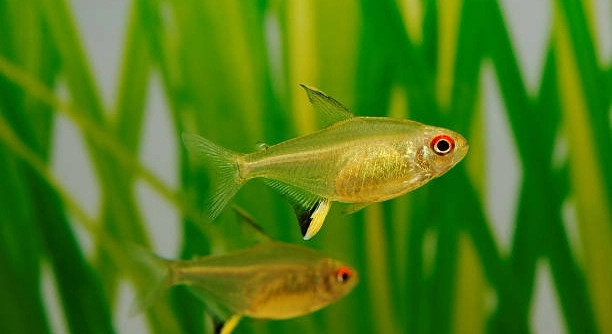
Are your arowanas swimming listlessly or showing signs of stress in their tank? Maintaining a clean environment is essential for their overall well-being and can positively influence their mood and behavior over time.
Regular cleaning habits, such as timely water changes, substrate maintenance, and filter upkeep, directly contribute to arowana mental stability. A clean tank minimizes toxins, supports optimal water parameters, and reduces stressors that negatively affect mood and activity levels.
Understanding these simple cleaning routines can transform your arowana’s environment, fostering a calmer, healthier, and more active fish. Proper maintenance is key to long-term happiness and vitality.
Consistent Water Changes
Keeping the water fresh is one of the most important things for arowana health. I make it a habit to replace 20-30% of the water weekly, removing debris and uneaten food. Fresh water keeps ammonia and nitrite levels low, which directly affects your fish’s mood. I noticed my arowana becomes more active and swims gracefully after each water change. Using a siphon helps clean the gravel without disturbing the tank too much. Temperature stability is also key; adding new water slowly prevents stress from sudden changes. I always test the water after changes to ensure pH and hardness remain within safe limits. Over time, these small, consistent steps make a significant difference in your fish’s behavior. Maintaining a regular schedule reduces stress, encourages feeding, and keeps your arowana alert. Even small adjustments in routine can have noticeable effects on their overall activity. Properly timed changes prevent long-term buildup of harmful substances that are invisible to the eye.
Regular water changes maintain clarity, reduce toxins, and support arowana’s mental and physical well-being.
Healthy water management not only stabilizes chemical levels but also creates a calming environment. Arowanas respond to consistent water conditions by exhibiting smoother swimming, brighter coloration, and more frequent interaction with their surroundings. Neglecting this can result in lethargy, loss of appetite, or unusual hiding behavior. I noticed that my fish becomes noticeably more lively when I follow a structured water change schedule, even after a few weeks. Small practices, like using a gravel vacuum and checking water parameters before and after replacement, prevent sudden fluctuations and stress. Fresh water also helps maintain oxygen levels, essential for their mood and energy. Over time, proper water maintenance becomes easier and faster, allowing your arowana to thrive in a stable environment. This habit is foundational for any tank setup and sets the stage for other cleaning practices to be effective. By committing to consistent water care, you support both long-term health and a happier, more active fish.
Filter Maintenance
A clean filter keeps the water safe and reduces stress for arowanas.
Regular inspection and cleaning prevent buildup of waste, ensuring smooth water circulation and consistent filtration. Filters remove toxins and support a stable aquatic environment. Keeping them in good condition promotes a calm, healthy fish.
Substrate Cleaning
Regularly vacuuming the substrate prevents buildup of leftover food and waste. I make it a routine to clean under decorations and around plants to keep the tank tidy and reduce stress for my arowana.
Gravel and sand can trap debris that decomposes over time, releasing harmful compounds. I use a siphon to carefully remove waste without disturbing the fish. This also prevents cloudy water and foul smells. Over time, the tank feels fresher, and the arowana appears more comfortable swimming near the bottom. Consistent substrate cleaning supports stable water parameters, which directly influences mood and activity levels.
I noticed that skipping this step for even a week makes the tank dirtier and my arowana less active. A simple, thorough cleaning routine keeps the tank looking healthy and creates an environment where the fish can explore without stress. Maintaining the substrate is as important as water changes, as it directly affects ammonia and nitrate levels. By dedicating a few minutes weekly, the tank stays balanced, and the fish remain lively and alert. This step works best alongside filter maintenance and regular water changes.
Tank Decoration Hygiene
Cleaning decorations prevents algae buildup and reduces bacteria that can irritate your fish. I scrub ornaments and artificial plants gently with warm water every few weeks.
Algae and biofilm can grow quickly on tank surfaces. Using a soft brush, I remove buildup without harsh chemicals that could harm the arowana. Clean decorations help maintain water clarity and keep the fish curious and active. This also prevents hiding spots from becoming unsanitary, which can stress your fish.
Keeping decorations clean also improves the aesthetic of the tank and encourages natural swimming behaviors. When ornaments are free of algae, the arowana moves confidently around the environment, exploring hiding spots and resting areas without hesitation. Neglecting this can lead to the fish avoiding certain areas, increasing stress and potentially impacting appetite. I make a habit of coordinating decoration cleaning with water changes and filter maintenance. This creates a seamless routine where all aspects of the tank stay healthy. Over time, clean decorations contribute to overall water stability, which is directly linked to your arowana’s mood and long-term health.
Glass Cleaning
Wiping down the tank glass removes algae and keeps the view clear. I use a soft sponge to avoid scratching and make it part of my weekly routine.
Clean glass improves light penetration, which helps plants and makes the arowana feel more secure. It also encourages natural swimming behavior.
Checking Water Parameters
Monitoring pH, ammonia, nitrite, and nitrate is essential for arowana health. I test the water weekly and adjust conditions carefully. Stable parameters reduce stress, prevent illness, and support a calm, active fish. Regular checks make it easier to catch small issues before they escalate.
Filter Media Replacement
Replacing filter media on schedule keeps water flowing efficiently and removes toxins. I follow the manufacturer’s timeline and rinse media in tank water to preserve beneficial bacteria. Clean filters support overall tank stability and arowana well-being.
How often should I change my arowana’s water?
Water changes are critical for keeping your arowana healthy and happy. I replace 20-30% of the tank water every week. This removes waste and toxins, preventing stress and supporting stable water chemistry. Doing smaller, consistent changes is better than large, irregular replacements, which can shock the fish.
What is the best method for cleaning the substrate?
I use a siphon to remove debris from gravel or sand. Moving the siphon slowly prevents disturbing the fish while extracting leftover food and waste. Cleaning under decorations and near plants is especially important, as these areas trap debris that can affect water quality and mood. Regular cleaning keeps ammonia and nitrate levels stable.
How should I maintain my filter?
Filters need routine inspection and occasional media replacement. I rinse filter media in tank water to preserve beneficial bacteria instead of using tap water. Checking for clogs and ensuring proper water flow is essential. A well-maintained filter removes toxins efficiently and reduces stress in arowanas.
Do decorations need special cleaning?
Yes. I clean ornaments and artificial plants gently using warm water and a soft brush. This removes algae and biofilm without harsh chemicals. Clean decorations improve the tank environment, encourage exploration, and prevent bacteria buildup that could irritate your arowana.
How can I prevent algae buildup?
Controlling light exposure and maintaining regular cleaning routines helps manage algae growth. I clean glass weekly and decorations biweekly. Algae can reduce oxygen levels and water clarity, making the tank less comfortable. Keeping algae in check promotes a healthier environment and a calmer fish.
How important is monitoring water parameters?
Testing pH, ammonia, nitrite, and nitrate regularly is essential. I check my tank weekly using reliable test kits. Maintaining stable parameters prevents stress and illness. Sudden changes can make arowanas lethargic or aggressive, so careful monitoring ensures the tank remains a stable and safe space.
Can arowanas sense dirty water?
Yes. Arowanas react to poor water quality by swimming less, hiding, or refusing food. I noticed my fish becomes more active and confident after a proper water change. Clean water contributes directly to mood, energy levels, and overall health, making consistent tank maintenance vital.
Is it necessary to replace filter media on a schedule?
Absolutely. Overused filter media loses efficiency in removing waste. I follow the manufacturer’s recommendations and replace media regularly while rinsing in tank water. This maintains water clarity and quality, supporting a calmer, more active arowana. Regular maintenance prevents stress caused by fluctuating water conditions.
How do I safely clean glass without harming the fish?
I use a soft sponge or magnetic cleaner, avoiding chemicals. Slow, gentle movements prevent startling the arowana. Clean glass improves light penetration and allows the fish to navigate confidently. Avoid scraping too hard, as scratched glass can harbor bacteria and reduce tank aesthetics.
What should I do if I notice water quality issues?
If ammonia, nitrite, or nitrate spikes occur, I perform partial water changes and check filter function immediately. Adjusting pH gradually and ensuring proper aeration helps stabilize the tank. Acting quickly reduces stress on the arowana and prevents long-term health problems. Monitoring trends over time allows proactive care.
How often should I inspect the tank for waste buildup?
I check the substrate and decorations during weekly water changes. Removing debris before it accumulates keeps ammonia levels low and the tank clean. This simple routine prevents problems and supports arowana mental stability. Regular observation helps catch issues early, making maintenance easier and more effective.
Can cleaning routines improve arowana mood?
Yes. Arowanas respond to clean water, clear glass, and properly maintained decorations by being more active and less stressed. I’ve noticed my fish swim confidently and interact with the environment when the tank is properly maintained. Consistency in cleaning habits directly supports their well-being.
Are there any shortcuts to maintain water quality?
While products like water conditioners can help, nothing replaces regular water changes, substrate cleaning, and filter maintenance. I rely on a consistent routine rather than shortcuts. Proper habits prevent stress, disease, and poor behavior, keeping my arowana healthier over time.
What is the impact of neglected tank cleaning on arowanas?
Neglecting cleaning can lead to elevated toxins, poor oxygenation, and algae overgrowth. I’ve seen lethargic fish and reduced appetite in tanks with inconsistent maintenance. Long-term neglect can result in illness and shortened lifespan. Regular care prevents these issues and promotes a happier, more active fish.
Can I clean the tank while keeping my arowana inside?
Yes, with care. I clean the substrate and decorations slowly and avoid sudden water temperature changes. Partial water changes and gentle filter cleaning minimize stress. Keeping the fish inside avoids unnecessary handling while still maintaining a healthy environment.
How do I maintain a balance between cleaning and fish stress?
I schedule cleaning routines at consistent times and perform gradual water changes. Using gentle tools, maintaining temperature, and avoiding chemicals reduce stress. Observing the arowana’s behavior during cleaning helps adjust practices. A calm approach ensures the tank stays clean without disturbing the fish’s comfort or mood.
Are all cleaning habits equally important?
Each habit—water changes, filter maintenance, substrate cleaning, glass wiping, and decoration hygiene—contributes to overall well-being. Neglecting one area can affect water quality and fish behavior. I combine all practices into a weekly schedule to maintain balance and ensure my arowana remains healthy and active.
How can I tell if my arowana is happy after cleaning?
Signs include smoother swimming, brighter coloration, increased appetite, and exploring the tank confidently. I notice my fish relaxes in cleaned environments and interacts with decorations. Consistent tank maintenance creates a positive environment, and arowanas respond visibly to the care provided.
What tools are best for routine cleaning?
I use a siphon for substrate, soft sponges for glass, brushes for decorations, and test kits for water parameters. Magnetic glass cleaners reduce disturbance, while gentle rinsing preserves beneficial bacteria. Using proper tools ensures efficient cleaning without harming the arowana or tank environment.
How can I make cleaning routines easier?
Establishing a consistent schedule, preparing tools in advance, and combining tasks like water changes with decoration cleaning reduces effort. I follow the same steps weekly, making the process predictable for both me and the fish. Routine helps maintain stable water conditions and supports arowana mood consistently.
How long does it take to see improvements in mood after cleaning?
Improvements can be noticeable within hours to days. I often observe my arowana swimming more actively and feeding eagerly shortly after water changes and substrate cleaning. Regular maintenance ensures these positive effects are sustained, supporting long-term health and emotional stability.
Maintaining a clean tank is one of the most important ways to support an arowana’s well-being. Consistent water changes, proper filter maintenance, and cleaning the substrate all contribute to a stable environment where the fish can thrive. I have noticed that my arowana becomes more active and confident in a tank that is well cared for, swimming smoothly and exploring decorations without hesitation. Over time, even small cleaning habits make a noticeable difference in the overall mood of the fish. Neglecting any of these steps can lead to stress, reduced appetite, or unusual behavior, showing how directly tank care affects emotional and physical health. By keeping a routine, it is possible to minimize risks and create a peaceful, healthy space for the arowana to live in.
Decorations and tank surfaces also play a role in creating a positive environment. Algae buildup on glass or ornaments can make the tank less inviting and may contribute to stress in the fish. I make it a habit to gently scrub ornaments and artificial plants while avoiding harsh chemicals that could harm the arowana. Even cleaning glass weekly ensures better light penetration, which supports both the fish and any live plants in the tank. These small steps work together with water changes and filter care to maintain clear, safe water and a visually appealing environment. Arowanas respond to this attention with calmer behavior, increased exploration, and a more consistent feeding routine. Over time, maintaining decorations and glass becomes a simple but effective part of the weekly cleaning routine, making the tank a more enjoyable place for the fish.
Monitoring water parameters is another crucial element that cannot be overlooked. Testing for pH, ammonia, nitrite, and nitrate ensures the environment remains stable and prevents conditions that could lead to illness or stress. I test my tank weekly and make gradual adjustments when necessary, avoiding sudden changes that could shock the fish. Proper water quality management, combined with routine cleaning, creates a balanced environment that supports long-term health and arowana happiness. Paying attention to these details has made a noticeable difference in my fish’s behavior, from increased energy to brighter coloration and overall contentment. These habits, while simple, form the foundation for a thriving tank and show that consistent, thoughtful care has a direct impact on arowana mood.

Hello,
If you enjoy the content that we create, please consider saying a "Thank You!" by leaving a tip.
Every little bit helps us continue crafting quality advice that supports the health, happiness, and well-being of pets around the world, for pets of all shapes, sizes, and species.
We really appreciate the kindness and support that you show us!