
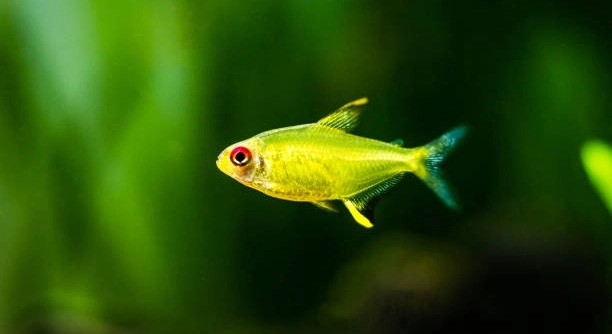
Lemon tetras are small, bright fish that bring life to any aquarium. Their vibrant color and peaceful nature make them popular among hobbyists. However, many owners face sudden, unexplained losses that can be frustrating and upsetting.
Sudden lemon tetra death often results from common mistakes such as poor water quality, incorrect temperature, overcrowding, inadequate diet, lack of acclimation, stress from tank mates, and untreated diseases. Preventing these issues ensures their health and longevity.
Recognizing these mistakes early can save your fish and create a healthier, more stable aquarium environment for them to thrive.
Poor Water Quality
Keeping lemon tetras in clean water is essential for their survival. Even small changes in pH, ammonia, or nitrite levels can stress them and lead to illness. Many tank owners underestimate how quickly water conditions can deteriorate, especially in small or crowded tanks. Regular water testing and partial water changes help maintain a stable environment. Filtration is important, but it cannot replace routine maintenance. Debris, leftover food, and fish waste all contribute to toxic buildup. Stress from poor water quality lowers their immune system, making infections more likely. Observing your tetras daily helps catch early signs of distress, such as clamped fins, lethargy, or loss of color. Maintaining a consistent cleaning schedule reduces sudden deaths and promotes long-term health. Even small adjustments in water chemistry can have a significant impact on their behavior and vitality. A properly maintained tank supports active swimming, healthy feeding habits, and overall well-being.
Water testing strips and simple filtration can make a big difference in keeping water safe.
Establishing a water routine involves monitoring pH, temperature, ammonia, nitrite, and nitrate levels consistently. Regular partial water changes of 20-30 percent weekly keep toxins low and maintain oxygen levels. Avoid sudden chemical additions that can shock your fish. Using a water conditioner to neutralize chlorine and chloramines is essential, especially in tap water. Gravel vacuuming removes uneaten food and waste that accumulate at the bottom. Aeration ensures proper oxygen distribution and supports healthy fish activity. Observing fish behavior after maintenance can show if the tank environment is optimal. Adjusting temperature gradually during water changes prevents thermal shock. Even with a filter, mechanical, chemical, and biological filtration must work together to stabilize the tank. Consistency is key—fluctuations in any parameter often lead to stress and disease. Over time, keeping a simple log of water measurements helps identify patterns that could affect fish health. By prioritizing water quality, sudden deaths become far less likely.
Overcrowding
Too many fish in a small tank increases stress and competition for resources. Lemon tetras need space to swim freely and establish small groups naturally.
Overcrowding reduces oxygen levels, accelerates waste buildup, and encourages aggressive behaviors. It is important to follow recommended stocking limits for the tank size. Fish under constant stress from cramped conditions are more susceptible to illness and sudden death.
Maintaining proper group sizes also supports social behavior. Lemon tetras feel safer in groups of six or more, allowing natural schooling patterns. Overcrowding can stunt growth, cause uneven access to food, and increase vulnerability to infections. Providing hiding spots and plants can alleviate tension, but space remains crucial. Planning tank capacity before adding fish prevents unnecessary stress. Adjusting tank size or reducing population ensures each tetra has adequate swimming area and access to resources. This simple step significantly improves overall health and reduces sudden mortality.
Incorrect Temperature
Lemon tetras need stable water temperatures between 72°F and 78°F. Sudden changes or prolonged exposure to temperatures outside this range can stress them, weakening their immune system and increasing the risk of disease.
Maintaining a consistent temperature requires a reliable heater and regular monitoring. Fluctuations, even by a few degrees, can disrupt metabolism, appetite, and activity levels. Cold water slows their immune response, while overheated water accelerates oxygen depletion, making them more vulnerable to infections. Avoid placing the tank near windows, vents, or drafty areas that cause temperature swings. Using a thermometer daily helps detect shifts early. Gradual adjustments during water changes prevent thermal shock, keeping the fish calm.
Temperature consistency also supports breeding and natural behavior. Tetras display brighter colors and more active swimming when the temperature is stable. Sudden drops can cause hiding, lethargy, or gasping at the surface. Long-term temperature stress can result in organ failure or sudden death. Even minor improvements in stability enhance vitality, feeding response, and overall resilience against common diseases.
Inadequate Diet
Feeding lemon tetras only one type of food limits their nutrition and weakens their immune system. A varied diet of flakes, micro pellets, and occasional live or frozen food is essential.
A balanced diet includes proteins, vitamins, and minerals that support growth, coloration, and disease resistance. Flakes or pellets alone may lack essential nutrients, leading to weakened defenses. Supplementing with brine shrimp, daphnia, or bloodworms provides protein and promotes natural hunting behavior. Overfeeding, however, leads to water contamination and digestive problems. Feed small portions multiple times a day to mimic natural grazing.
Observing feeding behavior helps ensure all fish receive adequate nutrition. Rotate foods weekly to prevent deficiencies and maintain interest. Some tetras may be shy or slower, requiring hand-feeding or placing food in different tank areas. Inadequate diet often shows as pale colors, reduced activity, or stunted growth. Ensuring proper nutrition directly reduces stress, supports the immune system, and minimizes sudden deaths caused by dietary deficiencies.
Stress from Tank Mates
Aggressive or much larger fish can intimidate lemon tetras, causing constant stress. Stressed fish are less active, lose color, and become prone to disease.
Choosing peaceful, small community fish reduces tension. Avoid fin-nippers or territorial species that chase or harass tetras regularly.
Lack of Acclimation
Introducing lemon tetras too quickly into a new tank shocks their system. Sudden changes in water chemistry can be fatal. Gradual acclimation allows them to adjust safely. Floating the bag, slowly adding tank water, and monitoring their behavior ensures a smoother transition.
Untreated Diseases
Signs of disease include faded colors, clamped fins, or white spots. Ignoring these symptoms often leads to rapid deterioration. Prompt treatment with appropriate medications prevents infections from spreading and reduces sudden deaths in the aquarium.
Overfeeding
Excess food decomposes quickly, polluting the tank. Uneaten flakes and pellets raise ammonia levels, creating a toxic environment for tetras.
FAQ
How can I tell if my lemon tetras are stressed?
Signs of stress include faded colors, clamped fins, hiding, or erratic swimming. They may also eat less or become lethargic. Observing behavior daily helps catch problems early and prevent sudden deaths. Maintaining stable water conditions reduces stress significantly.
What is the best way to acclimate new tetras?
Float the sealed bag in the tank for 15–20 minutes to equalize temperature. Slowly add small amounts of tank water every 5 minutes for about an hour. This gradual adjustment prevents shock from sudden changes in water chemistry.
How often should I test water parameters?
Ammonia, nitrite, nitrate, and pH should be checked weekly. Temperature should be monitored daily. Frequent testing helps maintain a stable environment and reduces the risk of disease and sudden deaths.
Can overfeeding really harm lemon tetras?
Yes. Uneaten food decomposes, raising ammonia levels and polluting the water. Feed small portions once or twice a day. Remove leftovers to keep the tank clean and fish healthy.
How many lemon tetras should be in a tank?
A group of six or more is ideal for natural schooling behavior. Avoid overcrowding, as too many fish increase stress, reduce oxygen, and accelerate waste buildup. Proper group size supports activity and social interaction.
What temperature is safest for lemon tetras?
Maintain water between 72°F and 78°F. Sudden changes or prolonged exposure outside this range can weaken their immune system and increase susceptibility to disease. Use a reliable heater and thermometer for accuracy.
What foods are recommended for lemon tetras?
Offer a mix of high-quality flakes or micro pellets, supplemented with live or frozen foods like brine shrimp, daphnia, or bloodworms. Variety ensures proper nutrition, supports growth, coloration, and immune health.
How do I prevent diseases in my aquarium?
Maintain clean water, avoid overcrowding, provide proper nutrition, and quarantine new fish before introduction. Early detection of symptoms like clamped fins, white spots, or unusual swimming behavior allows prompt treatment and reduces mortality.
Can lemon tetras live with other fish?
Yes, they do well with peaceful, small species. Avoid aggressive or fin-nipping fish. Providing hiding spots and plants helps reduce stress and supports natural schooling behavior.
How do I handle sudden deaths in my tank?
Remove deceased fish promptly to prevent contamination. Test water parameters, check for signs of disease, and review feeding and tank conditions. Correcting the environment quickly helps protect remaining tetras.
Is it necessary to use a water conditioner?
Yes. Tap water contains chlorine and chloramines that are harmful to fish. A water conditioner neutralizes these chemicals, making the water safe for lemon tetras.
How often should I perform water changes?
Weekly partial changes of 20–30 percent help maintain water quality. Consistency prevents toxin buildup, stabilizes parameters, and supports overall fish health. Regular maintenance is key to preventing sudden deaths.
What plants or decorations are safe for lemon tetras?
Live plants like java moss or floating plants provide hiding spots and reduce stress. Smooth decorations without sharp edges prevent injuries. Dense planting allows natural swimming and schooling behavior.
Can stress cause sudden death in lemon tetras?
Yes. Constant stress from poor water quality, aggressive tank mates, or overcrowding weakens the immune system and can lead to rapid mortality. Observing behavior and maintaining a stable environment is essential.
How can I monitor fish health effectively?
Daily observation is crucial. Look for changes in color, swimming patterns, appetite, and interaction with tank mates. Early detection of problems allows for timely intervention and treatment.
Are quarantine tanks necessary?
Quarantining new fish for 2–3 weeks prevents introducing diseases to your main tank. Observe behavior and treat any signs of illness before adding them to the established aquarium.
What is the most common cause of sudden death in lemon tetras?
The main factors include poor water quality, sudden temperature changes, stress from tank mates, overcrowding, and untreated disease. Maintaining a stable environment and proper care reduces risk.
How do I reduce stress in a community tank?
Provide adequate space, plants, and hiding spots. Choose compatible species, avoid aggressive fish, and maintain stable water parameters. Consistent feeding routines and regular maintenance also reduce stress.
Can poor nutrition cause sudden deaths?
Yes. A limited diet weakens the immune system and increases susceptibility to disease. Offer a balanced diet with varied protein and vitamin sources to support health and longevity.
What should I do if water tests show high ammonia?
Immediately perform a partial water change, check the filter, and reduce feeding. High ammonia is toxic and can cause rapid stress or death. Retesting after changes ensures levels return to safe ranges.
Is schooling behavior important for lemon tetras?
Yes. They feel safer and display natural behavior in groups. Isolated fish may become stressed, lose color, and show lethargy, increasing risk of illness and sudden death.
How can I tell if a disease is bacterial or parasitic?
Bacterial infections often cause redness, fin rot, or swelling. Parasites may produce white spots, flashing, or erratic swimming. Correct identification ensures effective treatment and prevents spread to healthy fish.
Can sudden water changes shock lemon tetras?
Yes. Rapid changes in temperature, pH, or hardness can cause stress and even death. Always adjust conditions gradually during water changes to protect delicate fish.
Are some tanks better than others for lemon tetras?
Long tanks with ample swimming space and hiding spots are ideal. Tall but narrow tanks limit horizontal movement, which can stress schooling fish. Proper layout supports activity, health, and social behavior.
What is the best way to introduce new foods?
Mix new foods gradually with familiar options. Observe acceptance and digestion. Slowly increasing variety ensures nutritional balance without upsetting their system or tank cleanliness.
How long can lemon tetras live with proper care?
With stable water, a balanced diet, and minimal stress, lemon tetras can live 5–8 years. Proper attention to environment and health significantly reduces sudden mortality risks.
How do I prevent overcrowding over time?
Plan tank size according to the number of fish, avoid overstocking, and monitor breeding if applicable. Removing excess fish or upgrading the tank helps maintain healthy populations and reduces stress.
Can light intensity affect lemon tetras?
Excessive light can stress fish, while very low light may reduce activity. Moderate lighting, combined with hiding places and plants, supports natural behavior and coloration.
What should I do if my tetras stop eating?
Check water quality, temperature, and tank conditions first. Offer varied foods in small amounts. Persistent refusal may indicate stress or illness, requiring observation and possible treatment.
How often should I clean the tank filter?
Rinse mechanical filter media monthly in tank water to remove debris without killing beneficial bacteria. Avoid over-cleaning chemical or biological media. Proper filtration prevents toxins from accumulating and supports health.
Can sudden deaths happen even with good care?
Occasionally, underlying disease or genetic factors may cause unexpected losses. However, most sudden deaths result from preventable issues like stress, poor water quality, or improper diet. Vigilant care minimizes risks.
Is it safe to mix lemon tetras with goldfish or cichlids?
No. Larger or aggressive species can stress or injure tetras. Stick to small, peaceful community fish to maintain a safe environment.
How do I prevent fungus or fin rot?
Maintain clean water, avoid injuries, and treat any early signs with proper medication. Balanced diet and minimal stress support natural healing and resistance to infection.
Can I use tap water without treatment?
Not safely. Tap water often contains chlorine and chloramines. A water conditioner is necessary to neutralize these chemicals before introducing fish.
How important is daily observation?
Extremely important. Subtle changes in color, behavior, or swimming patterns can indicate early problems. Daily checks allow timely action and reduce the risk of sudden deaths.
What are the signs of a healthy lemon tetra?
Bright colors, active schooling, responsive swimming, regular feeding, and smooth fins indicate good health. Healthy fish are more resilient to stress, disease, and environmental changes.
How can I ensure long-term tank stability?
Regular water changes, testing, proper feeding, compatible tank mates, and routine maintenance create a stable environment that supports the health and longevity of lemon tetras.
Final Thoughts
Caring for lemon tetras requires attention to small details that have a big impact on their health. They are delicate fish that rely on stable water conditions, proper nutrition, and a peaceful environment. Sudden deaths often result from avoidable mistakes, such as poor water quality, temperature fluctuations, overcrowding, or inadequate diet. Observing their behavior daily gives early warning signs of stress or illness. Faded colors, clamped fins, lethargy, or hiding can indicate underlying problems. Addressing these issues quickly prevents serious consequences and creates a more stable tank environment. Even small adjustments in water chemistry, feeding, or tank setup can make a significant difference in their survival. Maintaining consistent routines, such as regular water testing, partial water changes, and temperature monitoring, supports their immune system and reduces vulnerability to disease. Using reliable tools like heaters, thermometers, and filters ensures that the tank conditions remain stable over time.
Providing a balanced and varied diet is essential to the well-being of lemon tetras. High-quality flakes or micro pellets form a good base, but supplementing with live or frozen foods, such as brine shrimp, daphnia, or bloodworms, improves nutrition. Feeding small portions multiple times a day prevents overfeeding and reduces waste buildup, which can harm water quality. Observing how each fish responds to food helps ensure all tetras get enough nutrition. Some fish may be shy or slower to reach food, so distributing it evenly or hand-feeding occasionally can be helpful. Adequate nutrition strengthens their immune system, supports vibrant coloration, and promotes active swimming. Over time, a varied diet not only prevents deficiencies but also encourages natural behavior. Along with proper water care, diet plays a critical role in preventing sudden deaths.
The choice of tank mates and environment also affects the health of lemon tetras. Aggressive or much larger fish create stress, which lowers immunity and can lead to illness. Maintaining groups of six or more tetras allows natural schooling behavior, reducing fear and encouraging social interaction. Providing plants, hiding spots, and open swimming areas ensures a balanced habitat where they can thrive. Quarantining new fish before introducing them to the main tank helps prevent disease outbreaks. Regular observation, combined with these careful management practices, supports the long-term health of the fish. By focusing on water quality, temperature, nutrition, tank population, and careful selection of tank mates, sudden deaths can be minimized. Lemon tetras are resilient when their environment is stable and their needs are met consistently. Creating the right conditions and following simple maintenance routines ensures they live healthy, active, and colorful lives in your aquarium.

Hello,
If you enjoy the content that we create, please consider saying a "Thank You!" by leaving a tip.
Every little bit helps us continue crafting quality advice that supports the health, happiness, and well-being of pets around the world, for pets of all shapes, sizes, and species.
We really appreciate the kindness and support that you show us!