
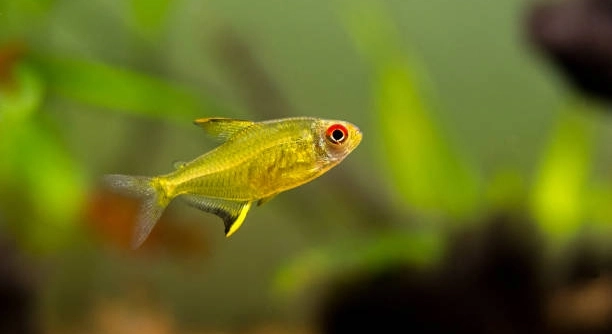
Have you ever set up a peaceful lemon tetra tank then wondered if changing things around might help your fish feel more comfortable, adding variety to their small world while keeping everything balanced for calm.
Frequent rearranging of a lemon tetra tank is not recommended because repeated disruptions can increase stress, weaken social stability, and hinder natural behaviors. Occasional adjustments may be beneficial, yet maintaining a consistent environment supports overall stable routines for the fish.
Further insight can show how small layout choices shape your lemon tetras comfort, behavior, and harmony inside their tank setup.
How Rearranging Affects Lemon Tetras
Changing the layout of a lemon tetra tank can influence how your fish behave, so it helps to understand what happens each time you shift decorations or plants. Lemon tetras rely on stable spaces to build confidence, form calm patterns, and settle into their daily rhythm. When the environment keeps changing, they may lose track of familiar hiding spots and become less secure during normal activity. You might notice quicker movements, reduced color, or scattered schooling after too many adjustments. These signs show they need a consistent layout to feel steady. A stable tank also makes it easier to maintain balanced water conditions, since decorations stay anchored and plants continue growing without interruption. By keeping alterations minimal, you support smoother behavior and stronger well-being that grows over time. It may feel enjoyable to refresh the look, yet your fish often benefit more from a predictable setting that comforts them daily.
Stable surroundings help lemon tetras maintain calm behavior and steady group movement, reducing stress that often appears after frequent changes. Keeping the layout consistent gives them a sense of structure that supports reliable routines and smoother interactions inside the tank throughout their daily activity without creating sudden disruptions around them.
Understanding how lemon tetras respond to tank changes can help you decide when updates are worth considering. Small adjustments made with care can still support their comfort, especially when plants need trimming or equipment requires repositioning. Keeping movements slow and limited can prevent unnecessary stress while allowing you to maintain a clean and well-balanced setup. Observing how your fish react after changes can guide future decisions, since different groups sometimes settle at different speeds. When you allow enough time for them to regain confidence, the tank returns to a calm state that lets your fish show natural colors and schooling.
When Tank Changes Are Helpful
Some changes become helpful when they support plant health, improve filtration, or remove unsafe items, giving your lemon tetras safer places to swim. Making these updates with a calm approach keeps your fish settled while still letting you maintain a reliable and healthy aquatic space for their continued comfort daily.
Thoughtful tank updates can be useful when handled with care, especially during times when your setup needs maintenance that keeps conditions steady for lemon tetras. If plants grow too large, trimming and reshaping them can open swimming areas without disturbing the group too much. Moving a filter intake or adjusting a heater may also be necessary, and doing so slowly helps your fish stay calm while you work. When removing decorations, lifting them gently prevents sudden shifts that could startle the school. Adding new items should follow the same gentle pace, allowing the group time to examine changes without feeling overwhelmed. It can help to plan your updates in sections instead of reworking the entire tank at once, giving your fish predictable spaces to return to while the rest of the layout changes. Consistent lighting and stable water parameters also support smooth transitions, since your fish rely on these cues to stay balanced. After any adjustments, watching their movement can show whether they feel secure again, guiding you in future decisions. By staying patient and measured, you can keep a clean and functional tank while still respecting the steady environment your lemon tetras need for ongoing comfort in their habitat.
Signs Your Lemon Tetras Feel Stressed
Lemon tetras often show stress through pale color, scattered schooling, quick darting, or reduced appetite. These signs tend to appear when their surroundings change too often, making it harder for them to settle into stable routines inside the tank each day.
Stress becomes noticeable when their usual patterns shift. You might see the school breaking apart more frequently as they try to reorient themselves in a layout that feels unfamiliar. Their colors may dull as they conserve energy while adjusting. Some may hide more than usual, while others explore too quickly, trying to find new safe spaces. These changes often mean they need the tank to stay consistent long enough to regain stability and confidence. By watching these signals, you can better understand how often adjustments are safe and when your fish need calm surroundings again. Slow and limited changes help them feel steady without overwhelming their natural behavior.
When stress continues, eating habits can shift. Some lemon tetras may nibble less, move sluggishly, or avoid food altogether after too much disruption. Since feeding routines help them feel secure, changes to the tank can interrupt this steady pattern. Giving them time to settle before feeding again often brings them back to normal. Observing how quickly they return to comfortable behavior can guide future choices. When their color strengthens and they school together again, it usually means the tank feels safe enough for them to resume their usual rhythm. Keeping the layout steady for a while allows these patterns to rebuild naturally.
Choosing the Right Moments to Adjust the Tank
Small updates are best saved for times when the tank needs maintenance that supports the health of the whole setup. Rearranging for appearance alone can unsettle your lemon tetras when done too often, so keeping a schedule focused on practical needs usually works better for their comfort.
Useful adjustments include trimming dense plants that block swimming paths, cleaning areas that gather debris, or moving equipment that isn’t functioning well in its current place. If a decoration becomes unsafe, removing it promptly helps prevent injury. These tasks can be done slowly to avoid startling the school. When you plan your changes around these essential moments, your fish stay more relaxed because the environment remains predictable most of the time. Making modifications during routine water changes can also minimize disruption, since your fish already expect some movement. By choosing these moments carefully, you support a healthy tank without creating unnecessary stress for your lemon tetras.
How Stability Supports Healthy Behavior
A steady tank layout encourages lemon tetras to keep a strong school, show brighter color, and move with gentle patterns that signal comfort. When the environment stays consistent, they settle faster and develop routines that help them feel safe throughout the day.
Stable surroundings also reduce unnecessary competition for hiding spots or feeding areas. When everything stays familiar, the group can focus on natural behaviors instead of constantly adjusting to new changes around them. This calm setting supports smoother interactions and balanced movement among the school.
Safe Ways to Refresh the Tank Without Stress
Refreshing the tank can be done gently by making small spacing adjustments instead of shifting everything at once. Moving a single decoration at a time or trimming plants lightly helps your lemon tetras adjust without losing their sense of security. Slow updates keep their routine stable while still keeping the tank clean.
When Rearranging Becomes Necessary
Rearranging becomes necessary when parts of the setup block water flow, trap debris, or create unsafe areas. Making timely changes during these moments protects your lemon tetras and keeps the tank functioning smoothly without overwhelming their daily rhythm.
FAQ
How often should I rearrange my lemon tetra tank?
Rearranging the tank should be done sparingly. Lemon tetras thrive on stability, so major changes are only necessary when equipment, plants, or decorations need adjustment. Occasional minor tweaks, like trimming plants or slightly shifting a decoration, are acceptable if done slowly. Frequent or large-scale changes can increase stress, causing your fish to hide, lose color, or display erratic swimming. Observing their behavior after any change helps determine if the adjustment was too sudden. The key is to maintain a predictable environment most of the time, supporting their comfort and natural schooling patterns.
Can rearranging affect fish health?
Yes, constant disruption can negatively affect both physical and mental health. Lemon tetras may reduce their food intake, become more susceptible to disease, or experience weakened immune responses if stressed frequently. Stress impacts their color and social behavior, making them less active and more prone to hiding. Even minor changes done abruptly can have lasting effects on fish well-being. Ensuring water parameters remain consistent during rearrangement also helps reduce potential health problems. Keeping changes minimal and gradual supports natural behavior while protecting overall health.
What signs indicate my fish are stressed after rearranging?
Pale coloration, erratic swimming, hiding for extended periods, and reduced appetite are the main stress indicators. You may also notice a school breaking apart or fish appearing restless. Stress often appears within hours of a major change. Observing these signs helps you know when to pause further adjustments. If fish start returning to normal schooling behavior and show bright colors again, it usually indicates recovery.
Is it okay to rearrange during cleaning?
Yes, minor rearrangements during routine cleaning are generally safe. Moving decorations slightly or trimming plants while performing water changes is acceptable because the fish are already experiencing some disruption. Avoid moving everything at once or changing multiple areas at the same time, which can overwhelm them. Gradual adjustments maintain their sense of stability while ensuring the tank stays clean and functional.
Should new decorations be added immediately?
Adding decorations should be done carefully and gradually. Introduce one item at a time, allowing the fish to explore it before making additional changes. Sudden additions can cause confusion or stress, especially if they block swimming paths or hiding spots. Monitoring the school’s reaction ensures the new element is accepted without disrupting daily behavior.
How can I make rearranging less stressful?
Plan changes ahead and make them slowly. Move only one item at a time and observe how the fish react before continuing. Avoid drastic changes to water flow, lighting, or hiding spaces. Performing rearrangements when fish are less active, such as during mid-morning or early afternoon, can reduce stress. Maintaining consistent water parameters also helps fish feel secure.
Does tank size affect how often I can rearrange?
Smaller tanks require more caution. In compact spaces, moving decorations or plants can quickly alter swimming routes and hiding spots, which increases stress. Larger tanks give fish more room to adapt, but changes should still be gradual. Regardless of tank size, maintaining familiar landmarks supports calm schooling and steady routines.
Can rearranging improve behavior or mood?
Minimal rearrangements can encourage exploration and prevent boredom if done carefully. Slight plant trimming or moving one decoration occasionally allows the fish to explore without feeling unsafe. Avoid frequent or radical changes, as these can reduce confidence, disrupt schooling, and increase stress. The balance between stability and enrichment is key.
What’s the best routine for maintaining a stable tank?
Establish a regular schedule for cleaning, water changes, and minor plant maintenance. Perform any necessary rearrangements gradually, and avoid frequent aesthetic updates. Monitor fish behavior daily, keeping an eye on schooling patterns, color, and appetite. Stability helps fish remain healthy and comfortable, while small adjustments for maintenance support a thriving tank environment.
How do I know when a rearrangement is necessary?
Rearrangement is necessary when decorations block swimming paths, plants grow too dense, equipment placement hinders water flow, or unsafe items appear in the tank. These adjustments prioritize fish safety and tank functionality over aesthetics. Performing changes gradually during maintenance minimizes stress and helps the school adapt more easily.
Can stress from rearranging cause long-term problems?
Yes, prolonged stress can weaken the immune system, affect growth, reduce lifespan, and lead to chronic behavioral issues. Consistently maintaining a stable environment and limiting frequent disruptions prevents these long-term problems and helps your lemon tetras stay healthy, active, and colorful.
How do I monitor fish after rearranging?
Observe schooling patterns, color, activity, and appetite. Signs of stress or discomfort should prompt a pause in further adjustments. Monitoring over the next 24–48 hours gives insight into whether the fish are adapting or need extra time to regain comfort. Tracking these patterns helps plan future changes safely.
Final Thoughts
Maintaining a lemon tetra tank requires a careful balance between keeping the environment clean and stable while allowing small adjustments when necessary. Lemon tetras are naturally social and sensitive fish that thrive in predictable surroundings. Frequent or sudden rearrangements can disrupt their routine, causing stress and affecting their behavior, color, and appetite. Stability allows them to develop confidence in their surroundings, maintain proper schooling patterns, and interact calmly with each other. Even small changes can feel significant to them, so it is better to approach any adjustments with patience and attention to their reactions. Observing how your fish respond to a shift in the tank layout is essential to understanding their comfort level and making informed decisions for future updates.
Minor updates are sometimes necessary, such as trimming plants, moving decorations that interfere with swimming, or repositioning equipment to maintain proper water flow. These changes can be done with minimal stress if approached carefully and gradually. Moving only one item at a time, performing adjustments during routine water changes, and keeping the timing consistent helps your lemon tetras adapt without feeling unsettled. Even small shifts can be disruptive if done all at once, so spacing changes out over time is important. Maintaining a clean, well-organized tank with attention to the needs of the fish ensures their long-term well-being. The goal is to create an environment that is functional, safe, and calming while supporting natural behavior. When the tank stays predictable, lemon tetras can thrive, showing bright colors, active schooling, and consistent feeding patterns that indicate a healthy and stable habitat.
Monitoring the response of your lemon tetras after any change is crucial. Signs such as hiding, scattered schooling, reduced appetite, or pale coloration indicate stress, signaling that the environment may be too disrupted. Allowing them time to adjust before making additional changes ensures they can regain confidence and maintain normal routines. While aesthetic updates may be tempting, prioritizing the fish’s comfort over visual appearance is important for their health. By keeping rearrangements minimal and purposeful, you create a tank that supports both the physical and mental well-being of your lemon tetras. Over time, this approach promotes a calm, vibrant, and balanced aquarium where the fish can thrive, interact naturally, and maintain steady, predictable behaviors that make caring for them more rewarding and less stressful.

Hello,
If you enjoy the content that we create, please consider saying a "Thank You!" by leaving a tip.
Every little bit helps us continue crafting quality advice that supports the health, happiness, and well-being of pets around the world, for pets of all shapes, sizes, and species.
We really appreciate the kindness and support that you show us!