
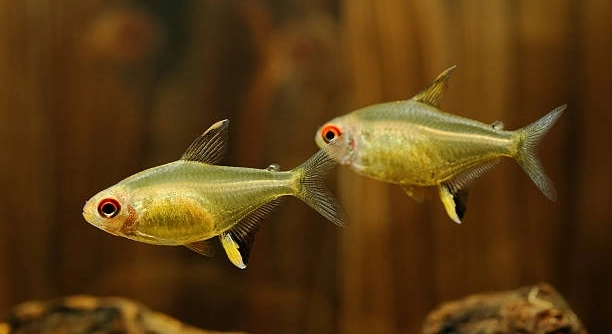
Have you ever tried caring for lemon tetra and noticed how their behavior shifts with different currents in the tank as you manage their environment and daily routine throughout the day while keeping everything balanced?
Lemon tetra show increased sensitivity to rapid water flow as excessive current can disrupt their swimming stability, stress their delicate physiology, and hinder natural schooling patterns. Maintaining a moderate consistent flow supports optimal behavior, reduces strain, and ensures healthier adaptation.
These details highlight how flow conditions shape their comfort and movement, encouraging a look at what helps them thrive better.
It seems like I can’t do more advanced data analysis right now. Please try again later.
Tank Setup for Optimal Flow
Keeping water movement gentle ensures lemon tetra can swim naturally without stress. Using adjustable filters or strategically placed decorations helps distribute flow evenly, preventing strong currents that tire them out or push them into corners.
Placing the filter outlet near the tank side reduces direct flow in open swimming areas. Driftwood, plants, and rocks can guide water gently, allowing natural circulation without overwhelming the fish. Observing their schooling behavior shows whether the current is too strong, and minor adjustments can improve comfort. Consistent water speed encourages calmer swimming, healthier color, and steady activity. Over time, this setup creates a balanced environment where lemon tetra can thrive without constant stress or erratic movements.
Monitoring water flow also helps maintain proper oxygen distribution. Gentle currents improve filtration efficiency, reduce stagnant zones, and prevent waste buildup. When flow patterns match their swimming style, lemon tetra exhibit better energy levels and interact more naturally with the tank environment. Adjusting decorations or filter output as they grow keeps conditions stable, ensuring long-term comfort. Understanding their reactions makes it easier to create a predictable habitat, supporting both their health and lively behavior.
Signs of Stress from Strong Currents
Rapid currents can cause noticeable stress in lemon tetra, affecting behavior, color, and appetite. Watching for signs early helps prevent long-term health issues.
Fish may cling to plants or corners, swim erratically, or show faded coloration when overwhelmed by strong water flow. Appetite can decrease, and schooling may break down as individuals struggle to maintain position. By observing these behaviors, adjustments to flow or tank layout can be made to restore calm. Minor tweaks often have a significant impact, improving overall wellbeing and ensuring they regain natural movement patterns. Consistency in environment reduces repeated stress and supports resilience.
Reducing stress involves both flow management and tank design. Creating quiet zones with plants or floating decorations allows fish to rest without constant resistance. Adjusting filter output or redirecting currents balances movement, giving lemon tetra areas to swim freely and recover. Over time, careful observation and changes help fish regain energy, vibrant color, and normal social interaction. Maintaining this balance ensures healthier fish and a more predictable, harmonious aquarium environment.
Adjusting Flow with Equipment
Filters with adjustable outputs make it easier to control water movement. Redirecting flow or reducing speed prevents strong currents that tire lemon tetra and disrupt their schooling.
Air pumps can also help regulate gentle circulation. Using diffusers or split outlets spreads water evenly, avoiding direct fast streams that stress the fish.
Observing Behavioral Responses
Lemon tetra react visibly to flow changes. Rapid currents can cause erratic swimming, hiding, or crowding in calmer areas. Watching how they respond helps identify areas in the tank that need adjustment. Proper observation ensures their environment remains comfortable and promotes natural, relaxed movement patterns.
Plant Placement and Flow Control
Plants act as natural barriers that soften water movement. Strategically placing tall or dense plants near strong currents gives fish areas to rest and swim safely.
Flow and Oxygen Levels
Moderate water movement helps maintain oxygenation without causing exhaustion. Balanced flow supports healthy gill function and keeps the tank environment stable for all aquatic life.
FAQ
How do I know if the water flow is too strong for my lemon tetra?
Signs of strong current include fish constantly swimming against the flow, clinging to plants or tank corners, or showing faded colors. They may also lose interest in food or have broken schooling behavior. Observing these behaviors early allows small adjustments to improve their comfort.
Can lemon tetra adapt to faster currents over time?
They can tolerate slightly stronger flows if introduced gradually, but their small size and delicate bodies make them less suited for high-speed currents. Sudden changes can lead to stress, so slow, incremental increases in flow are safer than large adjustments at once.
What equipment helps manage flow effectively?
Filters with adjustable outputs, air pumps with diffusers, and strategic decoration placement can all help. Redirecting flow and using obstacles like plants or driftwood prevents fast currents from overwhelming the fish, while still maintaining water circulation and oxygenation.
Do tank size and shape affect flow sensitivity?
Yes. Smaller or narrow tanks can amplify current speed, making even moderate flows feel strong. Larger, longer tanks allow currents to disperse, letting lemon tetra swim comfortably. Observing how fish behave in different areas of the tank helps fine-tune placement and equipment.
How do decorations influence water flow?
Plants, rocks, and driftwood can redirect currents and create calmer zones. Dense plant clusters near strong flow areas give fish a place to rest. Open areas allow natural swimming, so balancing decorations is key to maintaining both movement and comfort.
Is schooling behavior affected by water speed?
Strong currents can disrupt natural schooling, causing scattered or stressed groups. Moderate, consistent flow allows fish to maintain coordinated swimming, which reduces stress and promotes a sense of security. Observing patterns in swimming helps gauge the right flow strength.
How often should I check water flow?
Daily observation is best, especially after equipment adjustments or cleaning. Watching their reactions to changes ensures early detection of stress. Flow conditions should be stable but monitored to prevent sudden shifts that could affect their well-being.
Can water flow affect breeding behavior?
Yes. Lemon tetra prefer calmer areas for spawning. High currents can prevent eggs from settling and fry from surviving. Creating zones with minimal movement encourages natural breeding behavior and improves survival rates for young fish.
What role does oxygenation play with flow?
Moderate currents increase oxygen distribution without exhausting fish. Slow, even flow supports gill function and overall tank health. Excessive turbulence may reduce oxygen efficiency in specific areas, causing fish to avoid certain parts of the tank.
How do I correct strong current after noticing stress?
First, reduce filter output or redirect flow with decorations. Add plants or floating items to create calmer zones. Observe their response over a few days. Minor changes often restore normal swimming, coloring, and appetite, and help the fish regain comfort without drastic equipment changes.
Can flow adjustments improve overall fish health?
Yes. Balanced flow reduces stress, promotes natural activity, maintains proper oxygen levels, and prevents fatigue. A stable environment also supports immune function and encourages natural behaviors, making lemon tetra more active, colorful, and lively in their habitat.
What mistakes should I avoid when adjusting water flow?
Avoid sudden changes, overcompensation with decorations, or placing filters too close to open swimming areas. Gradual adjustments, observing behavior, and maintaining consistent conditions prevent additional stress and help fish adapt comfortably to their environment.
How does flow interact with water temperature and quality?
Flow affects circulation, which distributes heat and nutrients evenly. Uneven currents can create cooler or warmer spots, impacting fish comfort. Proper flow also helps maintain cleanliness, moving debris toward the filter and preventing stagnant zones that may affect water quality.
Can other fish influence flow sensitivity for lemon tetra?
Yes. Larger, more active fish may generate additional currents or compete in open areas, increasing stress for small tetra. Observing interactions and adjusting tank layout ensures lemon tetra have calm zones to swim freely without constant pressure from other fish.
How long does it take for lemon tetra to adjust to new flow conditions?
Adjustment depends on flow intensity and individual fish. Mild changes may take a day or two, while stronger modifications could take a week. Monitoring behavior daily helps determine if further tweaks are needed for comfort and normal activity.
Lemon tetra are delicate fish that respond strongly to their environment, and water flow is a key factor in their comfort. Maintaining a moderate and steady current allows them to swim naturally and stay healthy. Sudden or strong currents can easily stress them, causing changes in behavior, appetite, and color. Observing how they move and interact in the tank gives a clear picture of whether the flow is appropriate. Small adjustments to equipment, decorations, or filter placement can make a big difference in keeping the flow comfortable for them. Consistency is essential because lemon tetra rely on predictable conditions to feel secure, which reduces stress and supports their overall well-being.
Proper tank setup is also closely linked to water flow. Using plants, driftwood, and rocks not only provides hiding spots but also softens strong currents, giving fish areas to rest and swim without strain. Filters with adjustable outputs and air pumps with diffusers help maintain gentle circulation while keeping the tank oxygenated. Placing these devices strategically allows water to move evenly, avoiding spots where the current is too strong or stagnant. By balancing open swimming areas with calmer zones created by plants or decorations, lemon tetra can maintain normal schooling behavior and feel safe. Observing their reactions to these adjustments helps ensure the tank remains a stable and healthy environment, which promotes natural behavior and vibrant coloring over time.
Managing water flow for lemon tetra is not complicated, but it requires attention and patience. Regular observation, small tweaks, and careful placement of equipment and decorations all contribute to their comfort. Gentle currents improve oxygen distribution, support normal swimming, and reduce fatigue, while strong currents can lead to stress or behavioral changes. By understanding their reactions and making adjustments gradually, you can create a balanced tank environment that supports their health, energy, and overall quality of life. A well-managed tank encourages lemon tetra to thrive, swim confidently, and display their natural beauty. Paying attention to flow conditions is a simple but effective way to keep them comfortable and healthy every day.

Hello,
If you enjoy the content that we create, please consider saying a "Thank You!" by leaving a tip.
Every little bit helps us continue crafting quality advice that supports the health, happiness, and well-being of pets around the world, for pets of all shapes, sizes, and species.
We really appreciate the kindness and support that you show us!