
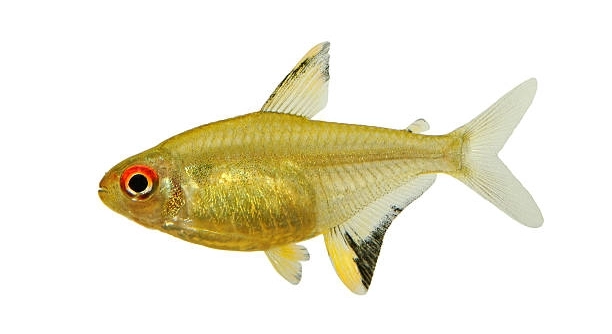
Lemon tetras are small, bright fish that bring life to any freshwater aquarium. Their vibrant yellow bodies and peaceful nature make them a delightful addition for both beginner and experienced fish keepers alike.
Lemon tetras display unique behaviors that are engaging to observe. They often swim in coordinated schools, interact socially with other fish, and respond to changes in their environment. These observations provide insight into their natural instincts and overall well-being.
Watching lemon tetras can be surprisingly entertaining, as their playful movements and interactions reveal charming aspects of their personality.
Observing Schooling Behavior
Lemon tetras are naturally social and thrive in groups. When kept in a school, they swim in harmony, creating fluid patterns that are fascinating to watch. Their synchronized movements are a sign of security and comfort, as they rely on each other for guidance and reassurance. In smaller groups, they may appear timid or scattered, which can indicate stress or discomfort. Providing at least six to eight lemon tetras in a tank encourages natural behavior and enhances their overall well-being. Observing their interactions helps you understand how they communicate and maintain social bonds. You may notice subtle changes in speed, direction, or position when they feel threatened or excited. Lighting, tank layout, and presence of plants can also influence how freely they swim together. By giving them a spacious and safe environment, their schooling behavior becomes more pronounced and enjoyable to watch daily.
Watching lemon tetras in a coordinated school adds visual interest and makes the tank feel lively and dynamic.
Consistency in schooling indicates a healthy, well-adjusted group. When each fish maintains position relative to others, it shows balance and stability within the aquarium.
Feeding Habits
Lemon tetras have small appetites and thrive on a varied diet of flakes, micro pellets, and live or frozen foods.
Regular feeding at consistent times ensures they remain active and healthy. Overfeeding can lead to water quality issues, so moderation is important. Observing their feeding behavior gives clues to their health.
These fish are fast eaters and tend to dart quickly when food is introduced. They display individual personalities during feeding, with some taking the lead while others follow cautiously. Offering a mix of food types encourages natural foraging behavior and provides balanced nutrition. Live or frozen foods such as daphnia, brine shrimp, and bloodworms can be given occasionally to supplement their diet. Rotating food types prevents boredom and helps maintain vibrant colors. A varied diet also supports proper growth and reproductive health. Watching them feed can be entertaining, as their small size and energetic movements create a lively scene in the tank. Paying attention to how each fish approaches food ensures you catch any health concerns early. Proper feeding fosters stronger schooling behavior and contributes to the overall harmony of the aquarium.
Color Changes
Lemon tetras may shift in color depending on mood, health, or environment. Bright yellow signals contentment, while paler shades can indicate stress, illness, or poor water quality.
Observing subtle changes in their coloration can help monitor overall well-being. Stress from overcrowding, sudden water changes, or incompatible tank mates often causes their yellow hue to fade. Healthy fish will maintain vibrant colors even in low light conditions, while dull tones may signal nutritional deficiencies. Regular water testing, a stable environment, and a balanced diet contribute to keeping their colors vivid. Color shifts can also occur during breeding periods or when establishing social hierarchies, making it important to watch for patterns over time.
Lighting and tank decor influence how their colors appear. Proper lighting highlights their natural brightness, while dark or cluttered setups can make colors seem muted. Plants, substrate, and reflective surfaces can enhance or dull their appearance. Observing color variations alongside behavior gives a clearer picture of their overall health and comfort level.
Interaction With Tank Mates
Lemon tetras are generally peaceful and coexist well with other small, non-aggressive fish.
Introducing compatible species ensures harmony and reduces territorial conflicts. Aggressive or much larger fish can stress lemon tetras, disrupting schooling and feeding behavior.
Their social behavior extends beyond their own species, as they often respond to movements and presence of other fish. They may follow or mirror gentle species, creating a lively and engaging tank environment. Conflicts are usually minimal if tank size and hiding spaces are adequate. Observing interactions can indicate stress levels, with darting, hiding, or sudden color changes signaling discomfort. Pairing them with similar-sized tetras, rasboras, or small catfish enhances the social dynamic. Proper monitoring of tank mates ensures a balanced environment and promotes consistent schooling behavior. Planning tank layout with plants, caves, and open swimming areas allows lemon tetras to explore safely, reducing stress and encouraging natural interactions.
Hiding Spots
Lemon tetras use plants and decorations as hiding spots to feel safe. Dense foliage or caves offer security during rest or sudden disturbances.
Providing multiple hiding areas reduces stress and encourages natural behavior. They often retreat quietly when feeling threatened or adjusting to new tank conditions.
Breeding Behavior
During breeding, lemon tetras display subtle courtship rituals. Males often chase females lightly while showing brighter colors. Spawning usually occurs in the early morning among fine-leaved plants or spawning mops. Eggs are scattered and adults should be separated afterward to prevent predation. Observing these behaviors helps identify readiness for reproduction and ensures proper care of fry.
Activity Levels
Lemon tetras are active swimmers, frequently exploring all tank levels. Their constant movement is a sign of good health and engagement with their environment.
FAQ
How many lemon tetras should be kept together?
Lemon tetras are schooling fish and feel safest in groups. A minimum of six is recommended, though eight to ten creates a more natural and visually appealing school. Smaller numbers may appear timid or stressed, and their behavior can become erratic. Larger schools promote active swimming and social interaction.
What water conditions do lemon tetras prefer?
They thrive in slightly acidic to neutral water, with a pH around 6.0 to 7.0. Temperature should be maintained between 72°F and 80°F. Stable water conditions are crucial, as sudden fluctuations can cause stress and color fading. Regular testing and maintenance ensure long-term health.
What should lemon tetras eat?
A varied diet is best, including high-quality flakes, micro pellets, and occasional live or frozen foods like daphnia, brine shrimp, or bloodworms. Rotating foods helps maintain vibrant colors, supports growth, and encourages natural foraging behavior. Avoid overfeeding to prevent water quality issues.
Can lemon tetras live with other fish?
Yes, they are peaceful and compatible with other small, non-aggressive species. Ideal tank mates include rasboras, small tetras, and certain catfish. Avoid larger, aggressive fish that may stress them or disrupt schooling behavior. Observing interactions helps maintain harmony in the tank.
How do I tell if a lemon tetra is stressed or sick?
Signs include dull colors, clamped fins, reduced activity, or erratic swimming. Loss of appetite and hiding more than usual are also indicators. Immediate water testing, checking for aggressive tank mates, and reviewing feeding habits can help address potential issues early.
Do lemon tetras breed in home aquariums?
Yes, they can. Breeding behavior includes males showing brighter colors and lightly chasing females. Eggs are usually scattered among fine-leaved plants or spawning mops. Adults may eat eggs, so separation after spawning is recommended. Proper care ensures healthy fry and successful reproduction.
How often should I clean the tank for lemon tetras?
Regular maintenance is essential. Partial water changes of 20–25% weekly help maintain water quality. Remove uneaten food and debris promptly. A clean, stable environment reduces stress and promotes vibrant colors and active swimming.
Can lemon tetras live in small tanks?
They can survive in smaller setups but thrive in tanks of at least 20 gallons. More space allows natural schooling, reduces stress, and improves water quality stability. Crowded conditions can lead to aggression, poor health, and color fading.
What decorations or plants are best for lemon tetras?
They appreciate live plants, floating vegetation, and small caves. These provide hiding spots, create a secure environment, and encourage natural behavior. Open swimming areas combined with dense foliage support schooling patterns and reduce stress levels.
Do lemon tetras need special lighting?
Standard aquarium lighting is sufficient, but proper placement enhances their yellow coloration. Avoid overly bright or direct light, which may cause stress. Lighting should mimic natural day-night cycles to maintain healthy behavior and feeding patterns.
How long do lemon tetras live?
With proper care, lemon tetras live about 3 to 5 years. Stable water conditions, a balanced diet, regular tank maintenance, and a stress-free environment contribute to longevity. Observing their behavior and color can indicate overall health throughout their lifespan.
Are lemon tetras sensitive to water changes?
Yes, they are sensitive to sudden fluctuations. Gradual water changes are recommended to avoid stress. Testing water parameters and ensuring gradual adjustments in temperature, pH, or hardness helps maintain their comfort and well-being.
Can I keep only one lemon tetra?
No, they are social fish and require a school to feel secure. A single tetra may become stressed, hide frequently, or exhibit unusual behavior. Keeping them in groups ensures proper social interaction and more vibrant, active fish.
How do lemon tetras interact with each other?
They exhibit schooling behavior, swim in coordinated patterns, and establish mild hierarchies. Interaction includes following leaders, chasing during play, and maintaining spacing within the group. Observing these patterns provides insight into their mood and health.
What is the best way to introduce new lemon tetras to an existing tank?
Acclimate new fish gradually using a drip or floating bag method. This reduces stress from sudden water parameter changes. Introduce small groups to prevent disruption of the existing school and allow them to establish a comfortable social dynamic.
Do lemon tetras require a heater?
A heater is recommended to maintain a stable temperature between 72°F and 80°F. Fluctuating temperatures can cause stress, weaken the immune system, and reduce activity. A reliable heater ensures consistent conditions for health and coloration.
How can I encourage natural behavior in lemon tetras?
Provide open swimming space, plants, hiding spots, and a varied diet. Consistent lighting and a calm environment reduce stress. Observing and adjusting tank conditions based on their activity helps maintain natural schooling and feeding behaviors.
Can lemon tetras live with shrimp or snails?
Yes, they generally ignore peaceful invertebrates. Shrimp and small snails coexist well and may help with algae control. Avoid large or aggressive invertebrates that could harass or injure the tetras. Monitoring interactions ensures safety for all tank inhabitants.
Do lemon tetras need strong filtration?
Moderate filtration is ideal. They prefer gentle water flow to prevent stress, while keeping the water clean and oxygenated. Filters with adjustable flow allow customization for schooling behavior and ensure a healthy, stable environment for daily activity.
How do I prevent diseases in lemon tetras?
Maintain clean water, provide a balanced diet, avoid overcrowding, and quarantine new fish. Regular observation for color changes, behavior shifts, or signs of illness helps catch problems early. Prompt intervention and stable conditions reduce the risk of disease spread.
Lemon tetras are small, vibrant fish that bring life to any freshwater aquarium. Their bright yellow color and active swimming make them appealing to keepers of all experience levels. Observing their natural behaviors, from schooling to feeding, can be both relaxing and educational. Providing the right environment is key to maintaining their health and happiness. A well-planned tank with adequate space, hiding spots, and live plants supports their instincts and helps reduce stress. These fish thrive in groups, and seeing them move in unison can be a rewarding experience for anyone maintaining an aquarium. The simplest actions, such as monitoring water quality, feeding a varied diet, and arranging the tank to include both open swimming areas and places to hide, make a significant difference in their well-being.
Maintaining lemon tetras requires attention to detail, but the effort is manageable and worthwhile. Their peaceful nature allows them to coexist with other small, non-aggressive fish, adding diversity to the tank without causing conflict. Keeping them in appropriately sized schools encourages social interaction and natural schooling behavior. Water parameters, including temperature, pH, and cleanliness, are critical, as sudden changes can stress the fish and affect coloration. Watching for signs of stress or illness, such as dulling colors, hiding, or reduced appetite, helps address problems early. A consistent feeding routine with high-quality flakes, micro pellets, and occasional live or frozen food ensures balanced nutrition. The combination of good husbandry, proper diet, and attention to social dynamics creates a thriving and visually appealing aquarium.
Overall, lemon tetras are rewarding fish that offer both aesthetic appeal and engaging behavior. Their schooling patterns, playful interactions, and subtle color changes provide continuous interest. Creating a stable and well-maintained tank supports these behaviors and promotes long-term health. While they are small and relatively easy to care for, observing and responding to their needs is important. Providing adequate hiding spots, proper lighting, and compatible tank mates enhances comfort and reduces stress. Regular tank maintenance, including partial water changes and monitoring of water quality, ensures a safe and healthy environment. By understanding their behaviors and preferences, keepers can enjoy a lively, harmonious aquarium where lemon tetras display their full range of natural behaviors and bright coloration, offering both enjoyment and a sense of accomplishment.

Hello,
If you enjoy the content that we create, please consider saying a "Thank You!" by leaving a tip.
Every little bit helps us continue crafting quality advice that supports the health, happiness, and well-being of pets around the world, for pets of all shapes, sizes, and species.
We really appreciate the kindness and support that you show us!