
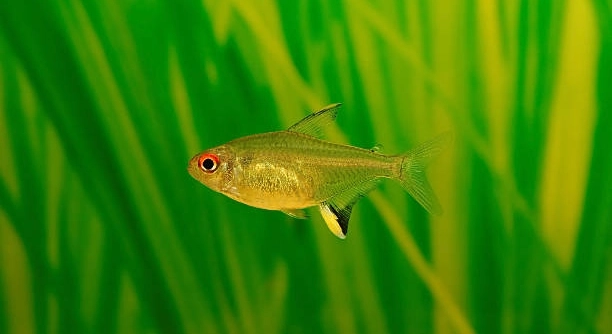
Are your Lemon Tetras looking a little dull despite your care and attention? Many fish owners notice that vibrant colors can fade over time, even with regular feeding and clean water conditions. Maintaining brightness takes consistent effort.
One of the most effective ways to enhance Lemon Tetra color is through a carefully balanced diet rich in natural pigments. Foods containing carotenoids, such as high-quality flakes, frozen brine shrimp, and daphnia, can improve yellow hues and overall vibrancy in these fish.
Keeping your fish healthy and colorful requires more than just feeding them daily. Learning simple feeding strategies can make a noticeable difference in their appearance.
Choosing the Right Foods
Lemon Tetras need a diet that supports their natural color. High-quality flake foods made specifically for tropical fish provide essential vitamins and minerals. Including frozen or live foods such as brine shrimp, daphnia, and bloodworms can enhance their yellow pigmentation over time. I always mix flakes with a small portion of frozen foods a few times a week to maintain variety. Vegetables like blanched spinach or zucchini can also contribute nutrients that support their health. Consistent feeding at the same times each day helps prevent stress, which can dull colors. Overfeeding should be avoided, as uneaten food can pollute the water and harm their vibrancy. Maintaining a balance between protein-rich foods and plant-based options ensures that Lemon Tetras remain active, healthy, and colorful. Paying attention to their behavior during feeding can also indicate if they are receiving enough nutrition or if adjustments are needed. Proper food choices are a simple yet effective way to keep them bright.
High-quality flakes enriched with carotenoids are the easiest way to maintain Lemon Tetra color.
Providing variety and the right nutrients keeps them healthy, active, and more visually striking, making a noticeable difference in their appearance.
Feeding Frequency and Portion Control
Feeding small portions twice a day prevents overfeeding and supports consistent color development.
Lemon Tetras have small stomachs, and giving too much food at once can cause waste buildup in the tank, leading to poor water quality. A controlled feeding routine ensures that each fish receives enough nutrition without harming the aquarium environment. I usually give a pinch of flakes in the morning and a small serving of frozen food in the evening. Observing how quickly the fish eat helps adjust portion sizes. Healthy fish are more likely to display their natural bright yellow hues. Over time, consistent feeding habits improve both their color and vitality.
Portion control is critical for maintaining water quality. Excess food decomposes quickly, producing ammonia that can stress fish and dull their colors. Keeping feedings measured and regular ensures optimal growth, reduces disease risk, and enhances overall color intensity. Observing your Lemon Tetras’ reactions during feeding allows you to fine-tune the amount and type of food. Overfeeding, even with high-quality food, can mask the benefits of a nutrient-rich diet. By sticking to a structured feeding schedule and offering only what they can consume within a few minutes, the tank environment remains clean, supporting bright, healthy fish. This approach is simple but highly effective in maintaining the vibrant appearance that makes Lemon Tetras so appealing.
Incorporating Color-Enhancing Foods
Adding natural color-enhancing foods like spirulina, krill, and carotenoid-rich flakes improves Lemon Tetra vibrancy. I always rotate these with standard flakes to maintain both nutrition and bright yellow hues consistently.
Natural pigments in foods play a major role in Lemon Tetra coloration. Spirulina, krill, and carotenoid-rich flakes are all proven to enhance yellow and orange tones. I usually mix a small amount of these foods with regular flakes several times per week. Feeding live or frozen options like brine shrimp alongside pigment-rich foods also boosts brightness. Over time, consistent inclusion of these items creates noticeable improvements in color intensity without overloading their digestive systems. It is important to avoid relying solely on one type of food, as variety ensures balanced nutrition and supports overall health.
I have found that alternating between live, frozen, and pigment-rich foods keeps my Lemon Tetras active and brightly colored. Observing how quickly they respond during feeding also helps determine the right mix for their needs.
Maintaining Water Quality
Consistently clean water is essential for vibrant Lemon Tetra color, as poor conditions quickly dull their appearance. Regular water changes help maintain clarity and stability.
Good water quality reduces stress and supports immune function, directly impacting coloration. I do partial water changes weekly, removing about 20–25% of the tank water while siphoning debris from the substrate. Monitoring ammonia, nitrite, and nitrate levels ensures the environment stays safe. A clean filter and stable temperature prevent fluctuations that can lead to color fading. Stress from dirty water or toxins weakens fish, making them more susceptible to disease and reducing pigment expression.
Using a consistent maintenance schedule keeps the tank healthy. Clear water and stable parameters allow Lemon Tetras to display their natural bright colors. I also test water weekly to catch issues early, and using gentle filtration prevents strong currents that might stress them. Proper maintenance is not just about aesthetics—it improves overall health, encourages active swimming, and enhances their vivid yellow shades. Keeping the tank environment balanced makes color-enhancing foods more effective, ensuring that every fish shows its best appearance.
Avoid Overfeeding
Overfeeding reduces water quality and can dull Lemon Tetra colors. Small, controlled portions keep fish healthy and vibrant.
I feed my Lemon Tetras just enough for them to finish in a few minutes. This prevents leftover food from decaying and affecting tank conditions, keeping both water and fish bright.
Using Live and Frozen Foods
Live and frozen foods provide natural nutrients that enhance color. Brine shrimp, daphnia, and bloodworms supply essential proteins and carotenoids that flakes alone cannot offer. Feeding these foods several times per week supports active behavior and brighter yellow hues.
Monitoring Fish Health
Healthy fish display brighter colors naturally. Regularly checking for signs of illness helps maintain their vibrancy.
Regular observation allows early detection of stress or disease, preventing long-term color fading and ensuring your Lemon Tetras remain lively and visually striking.
FAQ
How often should I feed my Lemon Tetras?
Feeding twice a day in small portions is ideal. I usually give a pinch of flakes in the morning and a small serving of frozen or live food in the evening. This keeps them active without overloading the tank or risking water quality issues. Small, consistent feedings also help maintain their bright yellow color.
What types of food enhance their color the most?
Natural color-enhancing foods like spirulina, krill, brine shrimp, and carotenoid-rich flakes are most effective. I rotate these with regular flakes to provide variety and essential nutrients. Combining live, frozen, and dry foods ensures balanced nutrition while boosting vibrancy over time.
Can overfeeding affect their color?
Yes. Excess food can pollute the water, causing stress and dulling colors. I measure portions carefully, feeding only what they can finish in a few minutes. Maintaining a clean tank environment helps Lemon Tetras show their brightest hues naturally.
How important is water quality for color?
Water quality is critical. Clear, stable water reduces stress and supports immune health, which directly affects pigmentation. I perform partial water changes weekly and test ammonia, nitrite, and nitrate levels regularly. Proper filtration and gentle water flow also prevent stress that could reduce vibrancy.
Do live and frozen foods make a big difference compared to flakes?
Yes. Live and frozen foods provide natural proteins and pigments that flakes alone cannot. I feed brine shrimp, daphnia, or bloodworms several times a week, and this variety helps them display more intense yellow coloration. Fish respond actively to these foods, showing improved energy and brightness.
How can I tell if my Lemon Tetras are healthy?
Healthy fish swim actively, eat regularly, and display bright colors. I watch for signs like clamped fins, pale patches, or lethargy. Quick action at the first sign of stress or illness preserves their health and prevents color fading.
Can vegetables help improve their color?
Yes, occasionally. Blanched spinach or zucchini adds vitamins and minerals that support overall health. While they won’t directly produce brighter yellow, these plant-based foods strengthen the immune system, indirectly helping maintain vibrant pigmentation. I usually offer small amounts once or twice a week.
Does the size of the tank matter for color intensity?
Tank size affects stress levels. Overcrowded tanks can cause fading. I maintain proper stocking levels and provide plants or hiding spots. A well-planned environment reduces stress and allows Lemon Tetras to fully display their natural brightness.
How long does it take to see improvements in color?
With consistent feeding, good water quality, and proper care, noticeable improvements can appear within a few weeks. I noticed my own fish showing brighter yellow shades after about three weeks of regular pigment-rich food and clean water maintenance.
Is it necessary to use supplements for color enhancement?
Supplements can help if natural foods are insufficient, but high-quality flakes with carotenoids usually provide enough nutrients. I occasionally add a liquid vitamin or pigment supplement, but only as a backup, focusing mostly on varied, nutrient-rich foods and a stable tank environment.
Can stress affect coloration even with proper feeding?
Absolutely. Stress from aggressive tank mates, sudden water changes, or poor water quality can dull colors. I keep my Lemon Tetras with peaceful species, maintain stable temperatures, and ensure calm surroundings. Reducing stress is as important as diet for vibrant appearance.
Are there signs that my fish are not getting enough pigment-rich foods?
Paler than usual bodies or dull fins indicate insufficient pigments. I increase the frequency of carotenoid-rich foods like krill or brine shrimp when I notice fading. Balanced feeding with natural pigments ensures long-term color intensity and healthier fish.
How can I combine different feeding methods effectively?
I mix flakes, frozen foods, and occasional live options in a weekly routine. For example, flakes daily, frozen twice a week, and live once or twice. This combination maximizes nutrition, pigment intake, and overall activity, helping Lemon Tetras remain bright and healthy.
Is it necessary to adjust feeding in different seasons?
Slight adjustments can help. Fish metabolism can slow in cooler months, so I slightly reduce portion sizes while maintaining quality foods. During warmer months, small increases may be needed. I always observe behavior and appetite to guide any changes.
Can water plants affect their color?
Yes. Live plants improve water quality and provide natural hiding spots, reducing stress and supporting healthy coloration. I include floating and rooted plants in my tank to create a stable environment where Lemon Tetras feel secure, helping them retain vibrant yellow hues.
What is the role of lighting in color intensity?
Proper lighting highlights natural pigmentation. I use moderate LED lights for several hours a day to mimic natural conditions. Too much light can cause stress, and too little can dull colors. Balanced lighting enhances brightness without disturbing the fish.
How do I know if my tank setup is optimal for color?
Stable water parameters, low stress, and active, brightly colored fish indicate a suitable setup. I regularly test water, observe fish behavior, and maintain consistent routines. Adjustments to feeding, plants, or filtration are made if colors appear dull or fish seem inactive.
Should I isolate sick fish to preserve the color of healthy ones?
Yes. Isolating sick fish prevents disease spread and reduces stress on the main tank. Healthy fish maintain bright colors when they are not exposed to illness, ensuring the vibrancy of the group remains consistent.
Can age affect color intensity?
Older Lemon Tetras may naturally show slightly less vibrant coloration. I maintain high-quality diets and stable conditions, which can minimize age-related fading and help older fish retain as much brightness as possible.
How important is observing feeding behavior?
Very important. Quick, enthusiastic eating usually signals health and nutrient absorption. I watch my Lemon Tetras during meals to ensure each fish gets enough food, adjusting portions and types if any appear weaker or less responsive.
Can color fade suddenly?
Sudden fading usually indicates stress, illness, or water quality issues. I check parameters, adjust feeding, and isolate any sick fish immediately. Addressing the cause quickly helps restore color and prevents long-term health problems.
Do tank decorations affect coloration?
Yes. Sharp or reflective decorations can stress fish. I use smooth, natural-looking ornaments and plants to create calm spaces, supporting health and consistent bright coloration in Lemon Tetras.
What is the best overall strategy for maintaining bright Lemon Tetra color?
Consistent, high-quality feeding with pigment-rich foods, clean and stable water conditions, low-stress tank mates, regular observation, and appropriate lighting work together. I focus on balance in diet, environment, and care routines to keep my Lemon Tetras healthy and brightly colored year-round.
Lemon Tetras are small fish, but their bright yellow color can make a big difference in any aquarium. Maintaining that vibrancy requires attention to their diet, water quality, and general care. Over time, I have learned that consistent feeding with high-quality foods is one of the simplest ways to support their color. Mixing flakes with live or frozen foods like brine shrimp, daphnia, or bloodworms provides essential proteins and natural pigments that help maintain bright yellow hues. Adding foods rich in carotenoids, such as spirulina or krill, further enhances their coloration. I have found that rotating different types of food prevents boredom and ensures that they get a balanced diet. Small, frequent feedings are better than large portions, as overfeeding can lead to water pollution and duller colors. Watching their behavior during feeding also helps adjust the amount and type of food each fish needs, keeping them active and healthy.
Water quality plays an equally important role in keeping Lemon Tetras bright. Clean, stable water reduces stress and supports their immune system, which directly affects coloration. I perform weekly partial water changes to remove debris and maintain clarity, while testing ammonia, nitrite, and nitrate levels regularly to ensure the tank is safe. Filtration should be efficient but gentle, as strong currents can stress the fish and cause their colors to fade. Plants and decorations also help by providing hiding spaces and reducing stress, which allows the Tetras to display their natural brightness more consistently. Maintaining a stable temperature is important too, as sudden fluctuations can affect their metabolism and overall appearance. Stress is often the main reason for color fading, so keeping the tank peaceful and predictable helps prevent sudden changes in vibrancy.
Even with the best care, some factors are beyond control, like age or genetics, which can naturally affect color intensity. Still, focusing on diet, water quality, and a low-stress environment maximizes the chances for Lemon Tetras to show their best colors. I have noticed that over time, small, consistent efforts in feeding, tank maintenance, and observation make a noticeable difference in their appearance. Healthy, well-fed fish are more active, swim confidently, and display bright yellow tones that make the aquarium visually appealing. The key is consistency—regular routines, variety in food, and careful monitoring help preserve their natural vibrancy. While there is no instant solution, these strategies ensure that Lemon Tetras remain colorful and healthy, providing a lively and attractive addition to any aquarium.

Hello,
If you enjoy the content that we create, please consider saying a "Thank You!" by leaving a tip.
Every little bit helps us continue crafting quality advice that supports the health, happiness, and well-being of pets around the world, for pets of all shapes, sizes, and species.
We really appreciate the kindness and support that you show us!