
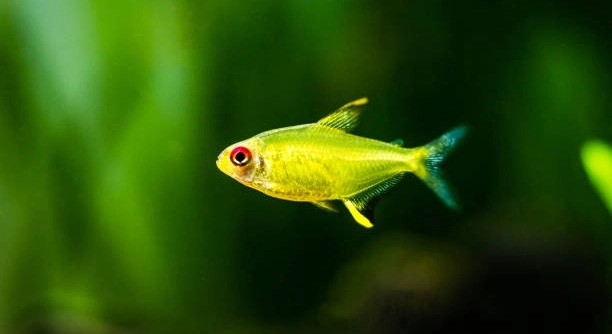
Keeping Lemon Tetras healthy requires more than just filling a tank with water and food. Many fish owners struggle with maintaining a stable environment, proper diet, and clean living space for these delicate freshwater fish.
Long-term health in Lemon Tetras depends on consistent water quality, balanced nutrition, proper tank size, regular monitoring, and social stability. Implementing these practices ensures longevity, reduces stress-related illnesses, and promotes natural behavior in the aquarium environment.
Following these guidelines will help you create a thriving home for your Lemon Tetras, supporting their vibrant colors and active lifestyle for years.
Provide a Stable Tank Environment
A stable tank environment is essential for Lemon Tetras to stay healthy. Sudden changes in water temperature, pH, or hardness can stress the fish, making them more vulnerable to disease. Keeping the tank between 72 and 78°F and maintaining a pH around 6.5 to 7.0 creates conditions close to their natural habitat. Regular water testing helps you catch fluctuations early. Avoid overcrowding, as too many fish increase waste and stress. Decorations, plants, and hiding spots also help fish feel secure. Light cycles should be consistent, around 10 to 12 hours of light daily, which helps regulate their behavior. Filtration should match the tank size and be cleaned regularly to maintain efficiency without disturbing the beneficial bacteria. Small daily checks and weekly maintenance create a predictable and safe environment for these delicate fish.
Stable water conditions prevent stress-related illnesses and support their natural activity levels, keeping the school lively and vibrant.
Maintaining a stable tank requires daily attention but becomes easier with routine. Feeding the right amount, observing fish behavior, and performing partial water changes are small steps that pay off. Lemon Tetras respond well to consistency, and over time, you’ll notice stronger coloration and healthier swimming patterns. Keeping the tank balanced avoids sudden die-offs and helps each fish thrive. Plants not only beautify the tank but also absorb nitrates, further stabilizing water conditions. Combining regular testing, gentle filtration maintenance, and a predictable light cycle creates a calm and healthy environment. Even small adjustments, like moving decorations slowly or changing water temperature gradually, reduce stress. The payoff is a thriving school of active, bright Lemon Tetras that display natural social behavior, making the aquarium more enjoyable to watch and easier to care for overall.
Feed a Balanced Diet
A varied diet supports strong growth and bright colors in Lemon Tetras. High-quality flake or pellet food should be supplemented with frozen or live foods like daphnia or brine shrimp.
Balanced feeding keeps fish healthy, prevents malnutrition, and enhances immune system strength.
Overfeeding or sticking to a single food source can lead to digestive issues or nutrient deficiencies. Lemon Tetras need proteins for energy and small amounts of plant matter for proper digestion. Offering a variety of foods several times a day in small portions encourages natural foraging and reduces stress. Rotating between flakes, micro-pellets, and occasional live food mimics their natural diet. Watching how quickly the fish eat can help adjust portion sizes and avoid leftover food that decays and harms water quality. Supplementing with vitamins through specialized foods can boost immunity, especially during seasonal changes or after illness. Keeping a balanced diet along with proper tank care ensures longer lifespan and vibrant coloration, making the fish active and visually appealing. Careful observation of feeding habits can also alert you to early signs of illness, allowing timely intervention before problems escalate.
Maintain Proper Water Quality
Regular water changes are key to keeping Lemon Tetras healthy. Replacing 20–25% of the water weekly removes toxins and maintains stable water parameters.
Testing for ammonia, nitrites, and nitrates helps catch problems early. Overfeeding increases waste, so removing uneaten food prevents spikes in harmful compounds. Filters should be cleaned gently to avoid killing beneficial bacteria that process waste. Using a dechlorinator ensures tap water is safe, and keeping water temperature stable reduces stress. Tracking water changes on a schedule helps maintain consistency, and observing fish for unusual behavior can indicate water issues before they become severe.
Partial water changes are more effective than large, infrequent ones. Large changes can shock the fish and disrupt the biological balance. Keeping a water test kit nearby allows for quick monitoring. Adding plants helps absorb excess nutrients, reducing nitrate buildup. Clean substrate prevents leftover food and debris from accumulating. Proper aeration ensures oxygen levels stay high, supporting overall health. Maintaining water quality protects against common diseases and keeps the fish active, colorful, and resilient in their environment.
Consistent water quality minimizes stress, which is critical for preventing illness. Even small fluctuations can trigger susceptibility to infections. Monitoring pH, temperature, and hardness alongside regular water changes keeps the environment stable. Using a gentle filter prevents strong currents that may tire the fish, while adding live plants further balances the ecosystem. Healthy water supports natural behavior, strengthens immunity, and maintains vibrant coloration.
Provide Proper Tank Companions
Lemon Tetras are schooling fish and thrive with appropriate companions. Keeping at least six together reduces stress and encourages natural behavior.
Avoid aggressive or much larger fish that may bully or eat them. Suitable companions include small peaceful tetras, rasboras, or corydoras catfish.
Introducing new fish slowly helps prevent disease spread and reduces aggression. Quarantining newcomers for a few weeks ensures they are healthy before joining the main tank. Observing interactions helps identify signs of bullying or stress. Maintaining a calm group with compatible species supports social behavior and reduces anxiety. A well-chosen community tank also enhances visual appeal and allows Lemon Tetras to display schooling patterns naturally. Keeping the group stable avoids disruptions and encourages long-term health, making the aquarium more vibrant and active for all its inhabitants.
Monitor Fish Behavior
Paying attention to how Lemon Tetras swim and interact can reveal early signs of stress or illness. Lethargy, hiding, or unusual swimming patterns often indicate water issues or disease.
Regular observation helps you respond quickly. Noticing small changes in color, appetite, or activity can prevent serious health problems before they escalate.
Maintain Consistent Temperature
Fluctuations in water temperature can stress Lemon Tetras and weaken their immune system. Keeping the tank between 72 and 78°F provides a stable environment for growth and activity. Using a reliable heater with a thermometer ensures consistency, while avoiding direct sunlight prevents overheating.
Clean and Maintain the Tank
Regular cleaning prevents waste buildup and keeps the tank safe. Removing uneaten food, vacuuming the substrate, and gently cleaning the filter maintains healthy water conditions for Lemon Tetras. Consistency in cleaning reduces stress and minimizes disease risks.
Provide Hiding Spots
Lemon Tetras feel more secure with plants, rocks, or decorations to hide among. Hiding spots reduce stress, encourage natural behavior, and help fish feel safe in the tank environment.
FAQ
How many Lemon Tetras should I keep together?
Lemon Tetras are schooling fish and do best in groups of at least six. Smaller numbers can cause stress, shyness, and hiding behavior. A larger group encourages natural swimming patterns and social interaction. Keeping them together also helps them feel secure and reduces aggressive tendencies from other fish.
What is the ideal tank size for Lemon Tetras?
A minimum tank size of 20 gallons is recommended for a small school. Larger tanks are better for more fish, providing enough space for swimming and reducing stress. Long tanks are preferred over tall tanks, as Tetras swim mostly horizontally. Proper space allows them to display natural schooling behavior.
What should I feed Lemon Tetras?
Lemon Tetras need a varied diet to thrive. High-quality flake or micro-pellet food should be supplemented with live or frozen foods like brine shrimp, daphnia, or bloodworms. Small amounts of vegetable matter can also help digestion. Feeding multiple small portions daily prevents overfeeding and reduces water pollution.
How often should I change the water?
Partial water changes of 20–25% per week are ideal. Frequent smaller changes are better than occasional large ones, which can shock the fish. Regular water changes maintain stable pH, remove waste, and reduce nitrate levels. Always use dechlorinated water at a similar temperature to the tank.
How can I tell if my Lemon Tetra is sick?
Signs of illness include lethargy, loss of appetite, clamped fins, faded color, rapid gill movement, or erratic swimming. Early detection allows treatment before the problem worsens. Monitoring behavior daily and keeping water conditions stable helps prevent many common diseases.
Can Lemon Tetras live with other fish?
Yes, they do well with small, peaceful species like other tetras, rasboras, and Corydoras catfish. Avoid aggressive or larger fish that might bully or eat them. Properly introducing new tank mates slowly and quarantining them first helps prevent disease and stress.
Do Lemon Tetras need live plants?
Live plants are not strictly necessary but greatly improve water quality and reduce stress. Plants provide hiding spots, absorb excess nutrients, and create a natural environment. They also encourage natural foraging behavior, which can enhance fish health and coloration.
How do I maintain stable water parameters?
Use a reliable heater to keep temperature steady between 72–78°F and monitor pH around 6.5–7.0. Regular testing for ammonia, nitrites, and nitrates ensures water safety. Avoid sudden changes in temperature or water chemistry, as these stress fish and make them more prone to disease.
What kind of filtration is best for Lemon Tetras?
A gentle filter suitable for the tank size is ideal. Strong currents can tire the fish, while under-filtering can lead to waste buildup. Regular maintenance without disturbing beneficial bacteria is crucial. Sponge filters or adjustable flow filters work well for small community tanks.
Can Lemon Tetras breed in home aquariums?
Breeding is possible but requires specific conditions: soft, slightly acidic water, dim lighting, and plenty of fine-leaved plants or spawning mops. The female lays eggs on plants, and the male fertilizes them. Eggs should be protected or moved to a separate tank to prevent adult fish from eating them.
How do I prevent stress in Lemon Tetras?
Stress is minimized by keeping a stable environment, proper group size, consistent feeding, and hiding spots. Avoid overcrowding, sudden changes in water conditions, and aggressive tank mates. Regular observation of behavior helps spot stress early, allowing quick corrective action.
Are Lemon Tetras prone to any specific diseases?
They are sensitive to poor water quality and temperature fluctuations, which can lead to fin rot, ich, and fungal infections. Maintaining clean, stable water and a balanced diet prevents most issues. Quarantining new fish helps avoid introducing disease to the tank.
How long do Lemon Tetras live?
With proper care, Lemon Tetras can live 3–5 years. Consistent water quality, a balanced diet, stable social groups, and low-stress conditions contribute to longevity. Regular monitoring and preventive care improve their chances of a full, healthy life in captivity.
Is lighting important for Lemon Tetras?
Yes, consistent light cycles of about 10–12 hours a day help regulate behavior and activity. Avoid direct sunlight, which can cause temperature spikes and algae growth. A predictable light schedule reduces stress and encourages natural swimming patterns.
Can I use tap water for my tank?
Tap water is fine if properly treated. Always use a dechlorinator to remove chlorine or chloramines, and ensure temperature and pH are stable. Testing water before adding it to the tank prevents harmful chemicals from affecting the fish.
What decorations are best for Lemon Tetras?
Provide plants, rocks, and driftwood to create hiding spots and break up open space. Smooth decorations prevent injury, and tall plants or dense areas allow fish to feel safe. Avoid overcrowding the tank, as too many decorations reduce swimming space and increase stress.
How do I handle aggressive behavior in a community tank?
Separate aggressive species or individuals if bullying occurs. Ensure Lemon Tetras have hiding spots and a proper school size. Observing interactions and rearranging decorations can reduce territorial disputes, helping maintain a peaceful environment for all fish.
How do I acclimate new Lemon Tetras?
Float the bag in the tank for 15–20 minutes to match temperature, then slowly mix small amounts of tank water into the bag. After 30–45 minutes, release the fish gently. Gradual acclimation reduces stress and prevents shock from sudden changes in water conditions.
Is it necessary to feed live food?
Live food is optional but beneficial. It provides natural nutrients, encourages foraging, and stimulates activity. Frozen alternatives like brine shrimp or daphnia are also effective. Rotating between dry, frozen, and live foods keeps diet balanced and supports overall health.
What should I do if a fish dies?
Remove the fish immediately and check water parameters for imbalances. Inspect other fish for illness or injury. Clean the tank if necessary and observe the group for signs of stress or disease to prevent further loss.
Caring for Lemon Tetras can feel simple at first, but their long-term health depends on consistent attention to a few important factors. Water quality is the foundation of a healthy tank. Regular partial water changes, careful monitoring of temperature, pH, and hardness, and gentle filtration all contribute to a stable environment. Even small changes in water chemistry can stress the fish, making them more vulnerable to disease. Observing the fish daily helps catch problems early, whether it is unusual swimming, hiding, or changes in appetite. These small habits make a big difference over time, helping Lemon Tetras thrive instead of just survive.
Feeding plays a central role in keeping Lemon Tetras active and colorful. A balanced diet that combines high-quality flakes or pellets with occasional live or frozen foods meets their nutritional needs and encourages natural behavior. Overfeeding can harm water quality and cause digestive issues, so it’s better to offer several small portions each day rather than one large meal. Introducing some plant matter, either through foods or live plants in the tank, can aid digestion and create a more natural environment. Watching how the fish respond to feeding also gives insight into their health. When they eagerly swim to food and maintain their bright coloration, it is a sign the tank and diet are supporting them well.
Social environment is equally important. Lemon Tetras are schooling fish, and keeping them in proper-sized groups reduces stress and allows them to display natural behaviors. Choosing compatible tank mates and providing hiding spots ensures a calm, secure setting for the fish. Overcrowding, aggressive species, or insufficient space can cause stress, which weakens the immune system and increases disease risk. Creating a predictable, stable environment with proper diet, water quality, and companions makes it easier for these fish to live longer, healthier lives. Over time, the combination of consistent care and careful observation results in a lively, colorful school that moves naturally through the tank. Small, daily efforts in maintenance and feeding add up to years of vibrant activity and enjoyment in your aquarium.

Hello,
If you enjoy the content that we create, please consider saying a "Thank You!" by leaving a tip.
Every little bit helps us continue crafting quality advice that supports the health, happiness, and well-being of pets around the world, for pets of all shapes, sizes, and species.
We really appreciate the kindness and support that you show us!