
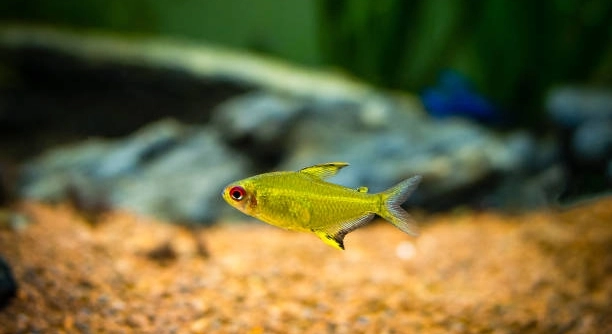
Keeping a lemon tetra tank clean is important for the fish’s health, but sometimes simple cleaning habits can stress them out. Even small changes in water or tank maintenance can affect their comfort and wellbeing. Regular care requires awareness.
Certain cleaning habits, such as sudden water changes, harsh scrubbing, strong chemical use, and constant rearranging of decorations, can disturb lemon tetras. Maintaining a stable environment with gentle care minimizes stress and supports their natural behavior and health.
Learning which habits to adjust can improve your fish’s life. The following tips highlight everyday practices that make a meaningful difference in their comfort.
Sudden Water Changes
When I first started keeping lemon tetras, I didn’t realize how sensitive they are to big shifts in water conditions. Rapid water changes can shock their system, affecting their swimming patterns and appetite. Even if the water is clean, replacing too much at once changes temperature, pH, and mineral balance quickly. They thrive in stable environments, so small, gradual changes are better. Over time, I noticed my tetras became more active and less stressed when I switched to changing only 10-20% of the tank water weekly. Using a water conditioner also helps reduce chlorine or other chemicals that could harm them. Observing their behavior after each change is important; it tells you if they are comfortable or stressed. A slow approach might feel like extra work, but it keeps your fish calmer and healthier. Consistency and patience are key in keeping lemon tetras happy over the long term.
Gradual water changes prevent sudden stress and maintain a stable aquatic environment, supporting the overall health and natural behavior of lemon tetras.
Adjusting water gradually makes a noticeable difference. The fish become more confident in swimming, eating, and exploring their tank, and fewer health issues occur. Regular monitoring ensures their water stays balanced, creating a peaceful habitat.
Harsh Cleaning Tools
Using rough brushes or abrasive scrubbing pads can damage both the tank and the natural surfaces your tetras rely on. Even mild scratches or residue from cleaning tools can introduce bacteria or chemicals into the water, disturbing the fish. When I switched to soft sponges and gentle wiping, the tank stayed cleaner longer, and the fish were calmer. Avoid metal tools and strong scouring agents—they aren’t necessary for routine maintenance and can leave dangerous residues. A siphon for gravel and soft cloths for decorations are usually enough to keep the tank clean without stressing the tetras. Cleaning slowly and carefully also gives you a chance to observe your fish closely. This helps notice any early signs of illness or stress. By treating the tank with gentle care, you maintain both a safe environment and a stress-free routine for the fish.
Gentle cleaning prevents damage and reduces stress for lemon tetras. Using soft tools protects the tank surfaces and helps maintain a healthy environment for them.
Proper cleaning tools matter more than frequency. Using soft sponges, gentle cloths, and safe siphons ensures the tank remains hygienic without causing harm. Abrasive tools may scratch surfaces, allowing algae and bacteria to accumulate in hard-to-reach spots, which could actually worsen tank conditions. Soft cleaning methods protect plants and decorations while keeping fish calm. I learned to clean slowly, working on small sections at a time, which made the tetras less likely to hide or panic. Over time, the tank stays clearer, and fish health improves without additional effort. Choosing the right tools also reduces chemical residue risk, meaning water quality remains more stable. Small adjustments in cleaning methods create long-term benefits for both the fish and the aquarium itself, ensuring lemon tetras enjoy a peaceful, well-maintained home.
Frequent Tank Rearrangement
Constantly moving decorations or plants can confuse lemon tetras. They rely on familiar hiding spots and territories to feel secure. Sudden changes make them swim nervously and hide more often. Keeping a consistent layout helps them stay calm and reduces stress in their environment.
When I began rearranging the tank too often, my tetras became skittish and less active. They would dart around quickly or cluster together near the corners. After I stopped frequent changes, their behavior normalized. Lemon tetras benefit from stability, as their small size makes them more sensitive to sudden disruptions. Even minor shifts in decorations or plants can impact how they feel about their space. Maintaining a predictable environment is key. This allows them to explore and feed without fear. Over time, I noticed they spent more time swimming in open areas instead of hiding constantly. Consistency gives them confidence and supports their natural social behavior.
I found it helpful to plan tank rearrangements carefully, doing only small adjustments at a time. Gradual changes let the tetras adapt while still keeping the tank interesting. They appreciate familiar landmarks, which helps them feel safe and reduces panic. This also makes cleaning easier because the fish remain in expected areas rather than scattering. Small, infrequent updates provide visual interest without causing stress, letting the tank remain both engaging and stable. Consistent spaces encourage natural swimming patterns and allow fish to maintain healthy routines, including feeding and interacting with other tetras.
Overuse of Strong Chemicals
Using strong cleaning chemicals can be harmful to lemon tetras. Even small residues can irritate their gills, eyes, and skin. I switched to fish-safe cleaners, and their health improved immediately. Avoid anything harsh in or around the tank.
Initially, I thought stronger chemicals would keep algae and bacteria under control, but my tetras became restless and showed signs of stress. Switching to mild, aquarium-safe products made a noticeable difference. Their swimming behavior returned to normal, and they interacted more naturally with each other. Lemon tetras are sensitive to toxins, so preventing exposure is essential. Even rinsing thoroughly doesn’t always remove chemical traces. Using safe cleaning solutions ensures a stable environment, reducing the risk of illness and sudden behavioral changes. Regular observation after cleaning helps confirm the water remains safe for fish. Small, cautious approaches to tank hygiene protect both the fish and the ecosystem inside the aquarium.
Fish-safe cleaning practices support long-term health. I now focus on natural methods, such as vinegar solutions for decorations or gentle wiping, combined with routine water monitoring. Avoiding harsh chemicals prevents irritation and allows the tetras to maintain consistent swimming and feeding patterns. Over time, this approach reduces sudden stress reactions, improves immunity, and encourages natural behavior. Even algae control can be done with safe tools instead of chemicals, maintaining tank aesthetics without compromising fish health. Observing their reactions after each cleaning ensures safety and helps refine my routine for ongoing care. The fish remain active, vibrant, and less prone to disease, making the tank a healthier environment overall.
Overfeeding During Cleaning
Leaving extra food in the tank while cleaning can stress lemon tetras. Uneaten food decays quickly, causing water quality issues and increasing bacteria. It’s best to remove any leftover pellets or flakes before starting maintenance.
I learned to feed only what they can eat in a few minutes. Excess food during cleaning makes the water cloudy and triggers frantic swimming. Lemon tetras prefer calm conditions, so keeping the tank clean and free of extra food helps maintain their natural behavior.
Ignoring Water Temperature
Water temperature affects lemon tetras’ metabolism and mood. Sudden drops or spikes during cleaning can shock them. I always check the water before and after maintenance to keep it stable. Maintaining a consistent temperature ensures they remain healthy and active.
Loud Noises Near the Tank
High noise levels can frighten lemon tetras. Vacuuming or banging equipment near the tank makes them dart or hide. I keep cleaning quiet to help them stay relaxed and comfortable during maintenance.
How often should I change the water in my lemon tetra tank?
I learned that small, regular water changes work best. Changing 10-20% of the water weekly keeps the tank stable without stressing the fish. Large, sudden water changes can shock their system and cause hiding or erratic swimming. Using a siphon for partial changes also removes debris without disturbing the tank too much. Over time, I noticed that small adjustments created a calmer environment and reduced water-related issues. Monitoring water quality regularly, including pH and temperature, helps maintain consistency, which is essential for lemon tetras’ health.
What cleaning tools are safe for lemon tetra tanks?
Soft sponges, cloths, and aquarium-safe brushes work well. I avoid metal scrubbers or abrasive pads because they can scratch glass or decorations. Even small scratches can harbor bacteria or algae, making the tank harder to keep clean. Using gentle tools prevents unnecessary stress for the fish and protects plants, decorations, and substrate. A siphon is great for gravel, and a soft brush helps clean hard-to-reach spots without using chemicals. Gradual cleaning with these tools allows observation of the fish and helps catch any early health concerns.
Can rearranging decorations affect lemon tetras?
Yes, moving plants or rocks frequently can disturb them. Lemon tetras rely on familiar hiding spots to feel secure. I noticed my tetras hiding more when I rearranged decorations too often. Keeping the layout consistent reduces stress and encourages natural swimming and social behavior. Small adjustments are fine, but doing large changes all at once can confuse them and create anxiety. I learned to plan any modifications carefully and introduce them gradually. Even slight changes can be enough to keep the tank visually interesting without causing fear or hiding behavior.
Are strong cleaning chemicals harmful to lemon tetras?
Yes, harsh chemicals can irritate their gills, eyes, and skin. I used to think stronger cleaners were helpful, but the fish became restless and stressed. Switching to mild, aquarium-safe products made a noticeable difference. Even rinsing thoroughly doesn’t always remove residues. Using safe cleaners protects fish health and prevents unexpected behavioral issues. Natural cleaning solutions, like diluted vinegar for decorations, work well without introducing toxins. Maintaining a chemical-free environment keeps the tank safe, reduces stress, and promotes longer-term health for lemon tetras.
How should I feed my lemon tetras during cleaning?
It’s important not to overfeed before maintenance. Leftover food decays quickly, affecting water quality and stressing the fish. I feed only what they can eat in a few minutes and remove uneaten food before cleaning. This prevents frantic swimming, water cloudiness, and bacterial growth. Proper feeding routines combined with careful cleaning make the tank safer and calmer. Lemon tetras prefer predictable conditions, so keeping food amounts controlled supports their natural behavior and reduces stress during maintenance.
Does water temperature matter during cleaning?
Yes, lemon tetras are sensitive to sudden temperature changes. I always check the water before and after maintenance to ensure stability. Even small drops or spikes can shock them, leading to hiding, rapid swimming, or weakened immunity. Maintaining consistent temperature is crucial for their metabolism, activity, and overall health. Gradual water changes and using a thermometer help maintain proper conditions. Over time, I noticed that keeping temperature stable made my tetras more active and confident, reducing stress-related behaviors in the tank.
How do loud noises affect lemon tetras?
Sudden or high noise levels can frighten them. I noticed that vacuuming or banging equipment near the tank caused darting and hiding. Keeping cleaning quiet and slow helps them stay relaxed. Even small vibrations or tapping can create stress. Providing a calm environment during maintenance ensures lemon tetras remain active, feed normally, and feel secure. Observing their reactions to sound can guide future cleaning practices. Reducing unnecessary noise makes the tank less stressful and improves their overall well-being.
What is the best way to observe stress in lemon tetras?
Changes in swimming patterns, hiding frequently, or loss of appetite are signs of stress. I watch them closely after cleaning to ensure they return to normal behavior. Subtle signs, like clamped fins or staying near the bottom, indicate discomfort. Consistent observation helps identify which cleaning habits might be disturbing them. Gradual adjustments to tank maintenance, feeding, and layout can reduce these stress signals. Recognizing stress early prevents health issues and ensures the fish remain comfortable and active in their environment.
How can I balance cleanliness and stability?
Maintaining a clean tank while keeping a stable environment requires small, regular actions. Partial water changes, gentle cleaning tools, minimal decoration movement, and controlled feeding all contribute to a healthy tank. I found that doing less all at once keeps my tetras calm. Stability is just as important as hygiene; one without the other increases stress. Planning maintenance carefully and observing fish behavior ensures a balance that supports health, activity, and natural behaviors. Over time, a routine that combines cleanliness and stability reduces illness risk and keeps lemon tetras thriving.
Keeping lemon tetras healthy requires attention to both their environment and everyday habits. These small fish are surprisingly sensitive to changes in water, decorations, and even cleaning routines. I learned early on that even actions that seem harmless, like rearranging a plant or overfeeding during maintenance, can create stress for them. A stable, calm tank helps them swim confidently, feed normally, and display natural social behaviors. When I started paying closer attention to these details, I noticed a big difference in their activity and overall well-being. Their colors appeared brighter, and they spent more time exploring the tank instead of hiding. Consistency in care really matters, and small, thoughtful adjustments go a long way toward keeping lemon tetras comfortable and healthy.
Water quality is one of the most important aspects of tank care. Frequent large water changes, overuse of chemicals, or ignoring temperature fluctuations can all negatively affect the fish. I found that partial water changes, performed gently and regularly, were much more effective than occasional big cleanings. Using soft tools and fish-safe cleaning methods also keeps the tank safe for delicate fins and gills. Over time, maintaining proper water conditions helps prevent stress-related illnesses and promotes a long, active life for the fish. Even simple habits, like observing their behavior after cleaning or checking the thermometer, provide useful insight into how they are responding to their environment. Paying attention to these factors ensures the tank remains a safe, consistent space where lemon tetras can thrive.
Finally, it is important to balance cleanliness with stability. Lemon tetras need both a clean tank and a predictable environment to feel secure. I noticed that the fish became calmer when I reduced sudden changes, avoided harsh chemicals, and limited noise during maintenance. Gradual adjustments in decorations, slow feeding routines, and gentle cleaning techniques all contributed to a more relaxed and natural atmosphere. Over time, these practices reduce stress, prevent health problems, and allow the fish to behave more naturally. Observing them regularly also helps fine-tune care routines and catch any issues early. By combining consistent maintenance with gentle handling, lemon tetras can remain active, colorful, and healthy in a tank that feels safe and comfortable.

Hello,
If you enjoy the content that we create, please consider saying a "Thank You!" by leaving a tip.
Every little bit helps us continue crafting quality advice that supports the health, happiness, and well-being of pets around the world, for pets of all shapes, sizes, and species.
We really appreciate the kindness and support that you show us!