
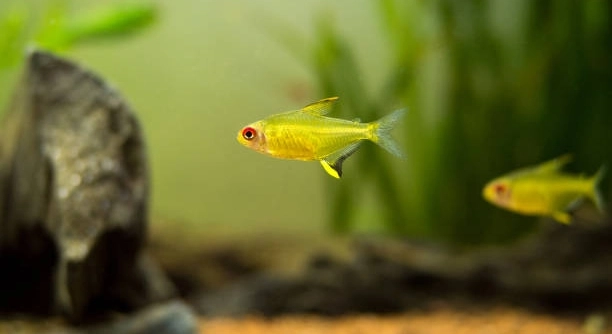
Have you ever noticed how sensitive some fish seem to be in their tanks? Lemon tetras, with their bright yellow bodies and active swimming, often react to changes in their environment. Observing them closely can be fascinating.
Lemon tetras have shown the ability to detect subtle environmental changes that may occur before natural disasters. Their heightened sensitivity to vibrations, water pressure, and chemical shifts allows them to respond before larger disturbances become noticeable.
Understanding how these tiny fish react can help you appreciate their behavior and the potential ways they interact with the world around them.
How Lemon Tetras Detect Changes
Lemon tetras are small, lively fish that react quickly to environmental changes. Their bodies are highly sensitive to vibrations in water, which helps them notice shifts before humans can. Many fish owners observe their tetras darting nervously or hiding when storms approach. These reactions are linked to changes in barometric pressure and water movement. Tetras also respond to chemical changes in the water, which can signal disturbances nearby. In aquariums, subtle cues like a shift in water temperature or a small tremor can trigger noticeable behavior. Scientists believe these responses are evolutionary traits that helped wild tetras survive sudden natural events. Watching them can give insight into their instincts and how finely tuned their senses are. The ability to detect early signs of danger may be one reason lemon tetras have thrived in various freshwater habitats. They communicate stress through rapid swimming or tight group formations, signaling potential threats.
Their sensitivity allows them to act quickly, making them more alert than many other small fish species.
These reactions are consistent across many observations. When a storm approaches, lemon tetras increase their swimming speed, gather near shelter, or cluster in corners. Changes in water pressure trigger their lateral lines, a sensory organ that detects vibrations and movements. Chemical shifts, even small ones caused by rainfall or nearby water disturbances, can also prompt these behaviors. In aquariums, careful observation can reveal these responses before any visible damage occurs. Understanding these behaviors helps predict environmental changes and improves fish care, especially in regions prone to natural events. It is fascinating to see how such tiny fish can provide clues about their surroundings. Monitoring their actions allows owners and researchers to gain insight into their health and the potential impact of environmental stressors, making lemon tetras a small but informative species to study.
Practical Observations
Watching lemon tetras closely can reveal early signs of stress or environmental change. Their reactions are subtle yet consistent indicators of shifting conditions.
By keeping track of behavior, you can notice patterns that correspond to storms or other disturbances. Lemon tetras may swim faster, huddle together, or stay near the bottom of the tank when they sense something is off. These small signals are valuable, especially in home aquariums where environmental changes might be less obvious. Paying attention to water temperature, vibrations, and even changes in tank lighting can help explain sudden behavioral shifts. Some aquarists have recorded correlations between tetra activity and approaching weather events, suggesting a natural sensitivity that is both impressive and practical. Observing these fish over time allows for better care and can even provide subtle warnings of natural disturbances, showing how attentive observation enhances understanding of their behavior and overall well-being.
Signs to Watch For
Lemon tetras often show subtle signs before environmental changes occur. Increased darting, clumping together, or hiding near plants are common behaviors. These reactions are usually linked to changes in water pressure, vibrations, or chemical shifts that alert them to disturbances.
Observing these behaviors consistently can provide valuable insights. When water trembles slightly or pressure changes, tetras may swim faster or form tighter groups. Their gill movements might become quicker, and they may seek shelter near rocks or tank corners. These actions are natural survival instincts that help them respond to potential threats. Keeping a log of these behaviors can help correlate their activity with environmental events, improving understanding of their sensitivity and offering practical benefits for aquarium care.
In addition, sudden changes in water temperature or light intensity can trigger similar reactions. Lemon tetras often react before humans notice, highlighting their acute senses. Consistent observation allows owners to distinguish between normal activity and stress-related behavior, making care more precise. Tracking their responses over time can also help anticipate problems and provide timely adjustments, ensuring their well-being and stability in the tank environment.
Environmental Factors That Affect Behavior
Water quality, temperature, and light all strongly influence lemon tetra behavior. Small shifts in any factor can make them act nervously or hide. These fish are highly responsive to changes that humans may barely notice.
Stable water conditions reduce stress, while fluctuations often lead to more frantic swimming or clustering. Temperature swings affect metabolism, influencing movement and feeding patterns. Poor water quality, like high ammonia or nitrate levels, triggers avoidance behaviors. Lighting changes can cause sudden shifts in activity, mimicking the signals of natural disturbances. Observing their routine helps identify what triggers stress and what keeps them calm. Understanding these factors makes it easier to provide a safe, predictable environment, ensuring lemon tetras remain healthy, active, and responsive without unnecessary anxiety.
Early Warning Responses
Lemon tetras react quickly to subtle environmental cues. Rapid swimming, clustering, or hiding often occurs before noticeable disturbances. Their sensitivity to vibrations and water shifts makes these responses consistent and reliable indicators of changes in their surroundings.
These behaviors are more pronounced during storms or when water pressure fluctuates. Even minor tremors in the environment can trigger noticeable reactions, showing how finely tuned their senses are.
Lateral Line Sensory System
The lateral line system in lemon tetras allows them to detect movement and vibrations in the water. This sensory organ runs along their sides and helps them sense nearby disturbances, including changes caused by approaching natural events or human activity. Their reactions are a direct result of this highly specialized system.
Stress Signals
Clumping together, darting quickly, and hiding are stress signals in lemon tetras. Recognizing these signs helps track environmental changes and maintain their well-being.
FAQ
How do lemon tetras sense natural disasters before they happen?
Lemon tetras detect small changes in their environment through their lateral line system, which senses vibrations and water movement. They also respond to shifts in water pressure, chemical changes, and temperature fluctuations. These abilities allow them to react quickly, often before humans notice any signs of disturbance.
What behaviors indicate that a lemon tetra senses a storm or tremor?
Common behaviors include rapid swimming, clustering together, darting from one side of the tank to another, and hiding among plants or decorations. These reactions are survival instincts triggered by subtle environmental cues. Increased gill movement and heightened alertness are also noticeable signs.
Can lemon tetras react to minor environmental changes in aquariums?
Yes, even small changes in temperature, water quality, or lighting can trigger responses. Tetras may become more active or seek shelter, showing their sensitivity to conditions that might seem insignificant to humans. Consistent observation helps distinguish normal behavior from stress-related reactions.
How can I tell if my lemon tetras are stressed or just being playful?
Stress behaviors are usually consistent and triggered by changes in the environment. Sudden hiding, clumping, frantic swimming, or staying at the tank’s bottom for extended periods are signs of stress. Playful behavior is intermittent, relaxed, and not tied to environmental changes.
Do all lemon tetras show these early warning behaviors?
Most do, though intensity may vary by individual fish or group dynamics. Younger tetras might react differently than older ones. Observing patterns over time helps identify which fish are more sensitive to environmental changes.
How can observing lemon tetras help with disaster preparedness?
While not a substitute for scientific instruments, careful observation of their behavior can provide subtle clues about environmental shifts, such as storms, tremors, or rapid pressure changes. Recording patterns over time can help correlate their activity with real-world events.
Are there other fish that sense natural disasters like lemon tetras?
Yes, many freshwater and saltwater species exhibit similar sensitivity. Fish like danios, goldfish, and some cichlids respond to vibrations, pressure shifts, and chemical changes. Lemon tetras are notable for their consistent and observable reactions in aquariums.
Can environmental changes harm lemon tetras if they sense them too often?
Repeated stress from fluctuating water conditions or frequent disturbances can impact their health, weakening immunity or reducing lifespan. Maintaining stable water quality, temperature, and lighting minimizes stress and helps them respond naturally without negative effects.
What can I do to make my aquarium safer for lemon tetras?
Keep water parameters stable, avoid sudden temperature or lighting changes, and minimize strong vibrations near the tank. Providing plants and hiding spaces allows them to feel secure and express natural behaviors without excessive stress.
Is it safe to rely on lemon tetras as a natural warning system?
They can provide subtle early signs of environmental changes, but they should not replace proper monitoring tools. Observing their behavior adds insight, but using barometers, alarms, and official alerts ensures safety during natural events.
How long do lemon tetras typically react before a disaster occurs?
Reactions vary depending on the event and fish sensitivity. Some may respond minutes before tremors or storms, while others react earlier or later. Patterns become clearer with regular observation and attention to changes in their behavior.
Can multiple lemon tetras amplify early warning signs?
Yes, groups tend to respond more noticeably. Clustering and collective darting amplify visible signs, making it easier to detect subtle environmental shifts. Watching the entire school rather than individual fish provides clearer cues about changes.
Do lemon tetras need special care to maintain their sensitivity?
Healthy fish are more responsive. Stable water conditions, proper nutrition, and minimal stress preserve their natural instincts. Overcrowding, poor water quality, or illness can dull their sensitivity and reduce observable early warning behaviors.
What environmental factors should I monitor alongside my tetras’ behavior?
Track water temperature, pH, hardness, ammonia levels, and lighting conditions. External vibrations, nearby construction, or storms can also influence behavior. Correlating these factors with observed reactions helps distinguish natural responses from stress.
How can I record and interpret lemon tetra behavior effectively?
Keep a simple log noting date, time, behavior, and any environmental changes. Video recording can help spot subtle reactions. Over time, patterns may emerge that correlate with real-world disturbances, allowing for a better understanding of their sensitivity.
Can lemon tetras sense earthquakes?
Some studies suggest that fish can detect early tremors or seismic waves before humans feel them. Lemon tetras’ lateral line and pressure sensitivity may allow them to react to these vibrations, though predicting earthquakes remains unpredictable and should not replace scientific monitoring.
Do other pets show similar sensitivity?
Other aquatic species and some land animals respond to environmental changes, but lemon tetras’ reactions are particularly noticeable and easy to track in aquariums. Their visibility and schooling behavior make them practical for observing subtle early warning signs.
How consistent are lemon tetras’ responses across different tanks?
Responses can vary depending on tank size, setup, and group dynamics. Larger tanks may dilute signals, while well-planted or crowded tanks may amplify hiding behaviors. Consistency improves with stable care and attentive observation of their routine behaviors.
Can lemon tetras help scientists study natural disasters?
They can provide observational data for research, especially regarding behavioral responses to environmental changes. While not a replacement for instruments, their reactions offer insights into how small animals sense disturbances and react instinctively.
What should I do if I notice unusual behavior in my tetras?
Check water quality, temperature, and possible environmental disturbances first. Ensure they are healthy and not stressed by tank conditions. If patterns persist, document behavior and investigate potential external factors, which could range from storms to minor tremors.
Can lemon tetras’ behavior be trained or influenced?
Their reactions are instinctive and tied to survival. While consistent feeding routines and gentle handling help reduce stress, their sensitivity to environmental changes is natural and cannot be trained or suppressed without affecting health.
How long does it take to learn their warning signs?
With careful observation, patterns can become clear in weeks to months. Keeping consistent logs and noting environmental changes alongside behaviors allows for accurate recognition of early warning signs over time.
Do stress and disease affect their sensitivity?
Yes, unhealthy fish may respond less clearly or show irregular reactions. Maintaining clean water, proper diet, and minimizing stress ensures their natural instincts remain sharp, allowing their behavior to remain a reliable indicator of environmental changes.
Are lemon tetras more sensitive than other tetras?
They are among the more responsive tetra species, but sensitivity varies by individual and species. Compared to similar small freshwater fish, lemon tetras’ bright coloration and active schooling make their reactions easier to observe.
How do I know if a reaction is a natural disaster or a minor disturbance?
Observing patterns over time helps distinguish between minor environmental shifts, like vibrations from nearby activity, and larger changes linked to storms or tremors. Combining behavior tracking with external monitoring gives a clearer picture of potential natural events.
Can aquarium size affect their reactions?
Yes, smaller tanks make movements and clustering more visible, while larger tanks may diffuse signals. Tank setup, hiding spots, and decoration placement also influence how pronounced behaviors appear during environmental changes.
Do lemon tetras react differently in groups versus alone?
Groups amplify behaviors, making early warning signals more noticeable. A single fish may show subtle signs, but the collective response of a school provides clearer cues about changes in the environment.
Can I use lemon tetras’ behavior for daily aquarium management?
Observing their reactions helps identify water quality issues, temperature fluctuations, or stress factors. Paying attention to changes can improve routine care, ensuring a stable, healthy environment for them while giving insight into minor disturbances that may not be immediately visible.
Are their reactions predictable?
Reactions follow instinctual patterns but timing may vary. While general responses are consistent, exact timing and intensity depend on fish sensitivity, tank conditions, and the type of environmental change. Careful observation over time improves predictability.
Do lemon tetras interact with other species when sensing disturbances?
In mixed tanks, sensitive behaviors may influence other species. Some fish may mimic or react to tetras’ movements, while others remain unaffected. Schooling behaviors and environmental alertness can create observable ripple effects throughout the tank.
Can their behavior be used to test water quality or stability?
Yes, unusual or erratic behaviors often indicate stress caused by poor water conditions. Monitoring their reactions alongside water testing helps identify issues quickly, making lemon tetras a practical gauge for tank stability and overall health.
Do external noises or vibrations affect them similarly to natural disasters?
Yes, loud sounds, nearby construction, or heavy footsteps can trigger rapid swimming or hiding, similar to responses to storms or tremors. Recognizing these cues helps distinguish between minor disturbances and more serious environmental changes.
How do I maintain their natural sensitivity over time?
Provide stable water conditions, avoid overfeeding, maintain a clean tank, and minimize sudden environmental changes. Healthy fish with proper care retain sharper instincts, allowing for more reliable observation of their responses to disturbances.
Can lemon tetras’ behavior be shared with other fish owners for practical insights?
Yes, sharing observations helps others understand behavioral patterns and improves aquarium care practices. Comparing experiences with environmental triggers allows owners to learn from collective data while observing their own tetras’ natural instincts.
Are reactions immediate or gradual?
Most reactions are immediate, triggered by sudden changes in pressure, vibration, or chemical composition. Some behaviors, like increased alertness or subtle clustering, may develop gradually as conditions shift. Observing both quick and slow responses provides a complete picture of their sensitivity.
Do all lemon tetras respond the same way to the same stimuli?
Not always. Individual temperament, age, health, and prior experiences influence reactions. Observing patterns within the group helps identify common responses while noting exceptions among individuals.
Lemon tetras are fascinating fish, not just because of their bright yellow color, but also because of how sensitive they are to their surroundings. Watching them closely can show subtle changes in the environment that humans might miss. Their behaviors, like darting quickly, clumping together, or hiding, often happen before noticeable changes in water or weather occur. This sensitivity is part of their natural instincts, helping them survive in the wild. Even in an aquarium, these instincts remain strong. By observing their reactions, we can learn more about how small creatures interact with their environment and respond to shifts around them. Their reactions are consistent enough that patterns can be noticed over time, which makes them both interesting and informative to keep.
The behaviors of lemon tetras can also help improve how we care for them. Sudden swimming, clustering, or hiding can be a response to changes in temperature, water quality, or lighting. By paying attention to these signals, it becomes easier to spot potential issues in the tank before they cause serious stress or health problems. Providing stable conditions, proper nutrition, and spaces to hide allows lemon tetras to maintain their natural instincts without unnecessary worry. Observation is key. Keeping track of their behavior alongside environmental changes helps identify patterns and allows for adjustments in care. Over time, fish owners can become more confident in recognizing what is normal behavior and what may signal a problem. This careful attention benefits both the fish and the overall tank environment, creating a healthier and more balanced space.
Understanding lemon tetras’ sensitivity also gives insight into the broader ways animals interact with their environment. Small creatures like these fish are more attuned to changes in pressure, vibrations, and water composition than humans. Their behavior shows how nature equips even tiny fish with tools to survive unexpected events. Watching these reactions can also highlight the importance of stability in their living space, reinforcing that small changes in care routines or surroundings can have a big effect. While they should not replace scientific tools for predicting natural disasters, observing lemon tetras offers a unique perspective on the natural world. It reminds us that animals communicate in ways we do not always notice, and paying attention to them can provide useful information about the environment. Lemon tetras are not just beautiful to look at; they are small, perceptive creatures whose instincts provide valuable lessons about attention, care, and the subtle signs of change around us.

Hello,
If you enjoy the content that we create, please consider saying a "Thank You!" by leaving a tip.
Every little bit helps us continue crafting quality advice that supports the health, happiness, and well-being of pets around the world, for pets of all shapes, sizes, and species.
We really appreciate the kindness and support that you show us!