
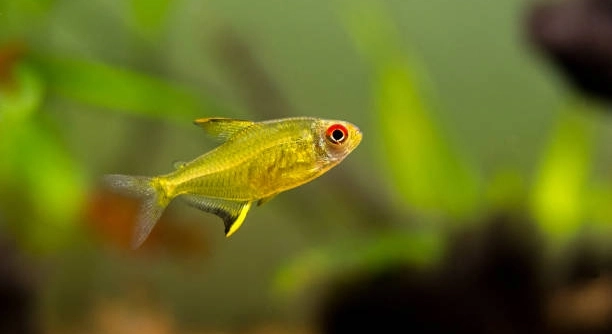
Breeding lemon tetras can be a rewarding experience for aquarists looking to expand their home aquarium. These small, vibrant fish bring life to any tank, and understanding their needs is key to encouraging successful reproduction.
The most effective methods to promote lemon tetra breeding involve maintaining optimal water conditions, providing a nutrient-rich diet, and simulating natural environmental cues. Consistency in temperature, pH levels, and lighting encourages spawning behavior and increases the likelihood of healthy fry development.
Implementing these strategies ensures your lemon tetras have the best chance to reproduce successfully and thrive in a carefully managed aquarium environment.
Setting Up the Breeding Tank
To encourage lemon tetras to breed, start with a dedicated breeding tank. A 10-gallon tank is sufficient for a small group. Keep the water soft and slightly acidic, with a pH around 5.5 to 6.5. Maintain a stable temperature between 78 and 80°F. Add fine-leaved plants or spawning mops for the fish to lay eggs. Avoid strong filtration, as gentle water movement is enough. Dim lighting replicates their natural environment and reduces stress. Perform regular water changes to maintain cleanliness without causing sudden fluctuations. Separating males and females for a few weeks before introducing them can increase readiness to spawn. Observing their behavior will help identify readiness; males often display more vibrant colors and show chasing patterns. Keeping the tank quiet and consistent will allow the fish to focus on breeding instead of reacting to disturbances. Avoid overcrowding to reduce stress and promote healthier eggs.
Using these setups ensures the fish feel secure and encourages natural breeding behavior.
Careful attention to water quality, plant cover, and tank size can significantly improve the chances of successful spawning.
Feeding for Spawning Success
High-quality live or frozen foods improve fertility and readiness to breed. Offer daphnia, brine shrimp, or micro worms to increase energy and overall health. Feed small portions multiple times a day rather than a single large feeding. This keeps the fish active and promotes natural spawning behaviors. Avoid overfeeding to prevent water quality issues, which can stress the fish and reduce breeding chances. Including a varied diet ensures both males and females are healthy and in optimal condition for egg production.
Providing a consistent, nutrient-rich diet directly supports egg quality and fry survival.
Feeding plays a crucial role in lemon tetra breeding. Regular, high-quality meals stimulate spawning and improve the vitality of both adults and fry. By offering live or frozen foods, you increase activity levels, strengthen coloration, and enhance reproductive success. Maintaining variety helps avoid nutritional deficiencies. Observing fish during feeding can also reveal readiness to breed, as active chasing and competition often appear in well-fed, healthy fish. Combining proper feeding with tank preparation creates an environment where lemon tetras are more likely to reproduce naturally and produce strong, viable fry for the aquarium.
Encouraging Pair Bonding
Pairing lemon tetras properly increases spawning chances. Observe males and females for natural compatibility, selecting those that show healthy activity and vibrant coloration. Keep only one male with two to three females to reduce stress.
Providing space in the breeding tank allows fish to display natural courtship behavior. Males will chase and nudge females, signaling readiness to spawn. Avoid overcrowding, as too many fish can lead to aggression and stress, which inhibits breeding. Monitor interactions and separate any overly aggressive individuals. Creating a calm environment with adequate hiding spaces ensures that courtship proceeds naturally, and females feel secure enough to release eggs without fear.
Monitoring daily behavior is key. Active chasing, color changes, and synchronized swimming are reliable indicators of compatibility. Once these patterns appear, spawning is likely to follow, ensuring higher survival rates for the eggs and fry.
Controlling Water Conditions
Consistent water parameters are essential for breeding success. Maintain soft, slightly acidic water with stable temperature and minimal fluctuations.
Sudden changes in temperature, pH, or hardness can prevent spawning. Regular testing and gentle water changes maintain stability. Use a thermometer and pH meter to track conditions accurately. Avoid chlorinated tap water by using dechlorinated or conditioned water. Simulating natural rainfall by slightly lowering water temperature once a week can trigger spawning behavior. Filtration should be gentle, ensuring the water remains clear without creating strong currents that could disturb eggs or fry. Maintaining these parameters reduces stress, promotes healthy development, and increases the likelihood of successful egg hatching.
Water consistency directly impacts both breeding behavior and fry survival. Stress from poor conditions can lead to egg rejection or reduced fertility, making careful monitoring a priority. Proper setup and routine checks ensure lemon tetras remain healthy, active, and ready to reproduce within the controlled environment. Balancing temperature, pH, and water hardness creates conditions close to their natural habitat, fostering natural spawning and improving overall reproductive outcomes.
Providing Spawning Sites
Lemon tetras need fine-leaved plants or spawning mops to lay eggs. Dense coverage protects eggs from being eaten and gives females confidence to spawn.
Position plants evenly and avoid overcrowding. Ensure eggs can fall safely without strong currents disturbing them.
Light and Temperature Management
Maintain a stable temperature between 78 and 80°F. Dim lighting reduces stress and mimics natural conditions, encouraging spawning. A gentle, consistent light cycle of about 10–12 hours per day supports regular behavior. Avoid sudden changes, as they can inhibit breeding and affect egg development.
Separating Adults After Spawning
Remove adults once eggs are laid to prevent predation. This ensures higher survival rates for fry.
Providing protection for eggs immediately after spawning increases hatch success and allows fry to grow safely.
How long does it take for lemon tetra eggs to hatch?
Lemon tetra eggs usually hatch within 24 to 36 hours if conditions are optimal. Maintaining a stable temperature and clean water is crucial during this period. Any sudden changes in pH, temperature, or water hardness can delay hatching or reduce survival rates.
How can I tell if my lemon tetra eggs are fertilized?
Fertilized eggs are typically clear or slightly golden in color. Unfertilized eggs often appear opaque, white, or cloudy and may develop fungus quickly. Removing infertile eggs promptly helps prevent fungal spread and increases the chances of healthy fry.
When should I start feeding the fry?
Fry become ready for feeding about three days after hatching. Initially, they require microscopic foods such as infusoria or specialized liquid fry food. As they grow, you can gradually introduce freshly hatched brine shrimp or finely crushed flake food to support development.
How many fry can I expect from a single spawning?
A typical lemon tetra spawning can produce anywhere from 50 to 150 eggs. However, survival rates vary depending on water quality, predation, and how quickly you remove the adults. Providing safe conditions significantly improves fry survival.
Do lemon tetras breed year-round?
With proper tank conditions, lemon tetras can spawn throughout the year. Stable water parameters, consistent feeding, and a calm environment support continuous breeding, though natural breeding peaks may still occur. Maintaining these conditions ensures healthier adults and higher egg viability.
Is it necessary to separate males and females before breeding?
Separating males and females for a few weeks can increase readiness to spawn. This period allows females to mature and males to build energy reserves, which often results in a more synchronized and successful spawning event.
What type of water is best for breeding lemon tetras?
Soft, slightly acidic water with a pH between 5.5 and 6.5 is ideal. Temperature should remain stable between 78 and 80°F. Using conditioned or dechlorinated water prevents harmful chemicals from affecting eggs or fry. Consistency in these parameters encourages natural spawning behavior.
How do I prevent adults from eating the eggs?
Removing adults immediately after spawning is the most effective method. Using fine-leaved plants or spawning mops provides initial protection, but separating adults ensures higher egg and fry survival rates without the risk of predation.
Can I use tap water for the breeding tank?
Tap water can be used only if properly dechlorinated and adjusted to the correct pH and hardness. Chlorine or chloramine in untreated water can kill eggs or fry. Testing and conditioning water before adding it to the tank is essential.
How often should I check the breeding tank?
Daily monitoring is sufficient. Check temperature, pH, and overall water clarity. Observe fish behavior to confirm courtship or spawning activity. Avoid excessive disturbance, as stress can reduce breeding success. Minimal interference keeps adults calm and increases the likelihood of successful egg development.
What signs indicate the fry are healthy?
Healthy fry are active, swim freely, and have a consistent color. They should feed eagerly once introduced to suitable food. Lethargy, discoloration, or unusual swimming patterns may indicate water quality issues or disease, which should be addressed immediately.
How long until the fry are free-swimming?
Fry become free-swimming about five to seven days after hatching, depending on temperature and food availability. At this stage, they can navigate the tank independently and start feeding more actively on fine foods.
Can I keep multiple fry batches together?
It is possible but not ideal. Larger or faster-growing fry may outcompete smaller ones, leading to uneven development or starvation. Separating batches ensures equal access to food and reduces stress or aggression among fry.
What is the best way to clean a breeding tank?
Perform gentle water changes using conditioned water, avoiding strong currents that could disturb eggs or fry. Remove debris carefully with a small siphon and avoid touching the eggs. Consistent, gentle maintenance preserves water quality and promotes healthy growth.
How long does it take for fry to reach adult size?
Lemon tetra fry generally take 3 to 4 months to reach maturity. Growth rate depends on feeding quality, water conditions, and tank environment. Proper care during early stages ensures strong, healthy adults ready for future breeding.
This FAQ provides practical, step-by-step guidance to ensure lemon tetras breed successfully, from egg fertilization to fry development, emphasizing stable conditions and careful observation throughout the process.
Breeding lemon tetras can be a rewarding experience when approached with patience and attention to detail. Creating a suitable environment in the breeding tank is essential, as these fish respond well to consistent water conditions and the right type of cover. Soft, slightly acidic water with stable temperature encourages natural spawning behavior and helps eggs develop properly. Fine-leaved plants or spawning mops provide safety and structure, allowing females to feel secure when laying eggs. Observing the fish for signs of readiness, such as active chasing or vibrant coloration in males, helps determine the right timing for breeding. Minimizing disturbances in the tank also contributes to the fish’s comfort and increases the likelihood of successful spawning. A calm, stable environment allows both adults and fry to thrive, which is crucial for achieving consistent results in lemon tetra breeding.
Feeding plays a significant role in breeding success. A diet rich in live or frozen foods like daphnia, brine shrimp, and micro worms ensures the fish have enough energy for reproduction. Regular feeding in small portions encourages activity and strengthens reproductive health. It also improves the vitality of the fry once hatched. Keeping the diet varied prevents nutritional deficiencies and supports overall health, which is directly linked to egg quality and survival rates. Removing adults from the breeding tank after spawning protects the eggs from predation and increases hatch success. Maintaining water quality through gentle filtration and routine checks reduces stress on both adults and fry, promoting healthier growth. Attention to these details not only supports breeding success but also fosters a strong, thriving community of lemon tetras in the home aquarium.
Monitoring fry after hatching is equally important. Initially, they require microscopic food sources, transitioning to finely crushed flake food or brine shrimp as they grow. Proper care during these early stages ensures that the fry develop properly and reach maturity without complications. Regular observation helps identify any signs of illness or poor growth, allowing timely adjustments to water conditions or feeding routines. Providing a balanced and consistent environment allows the fry to grow steadily into healthy adult fish ready for future breeding. Overall, careful planning, consistent maintenance, and attentive care are the key factors in successfully breeding lemon tetras. By focusing on these steps, it is possible to create a stable and nurturing environment where both adults and fry can thrive. This structured approach ensures that breeding efforts are productive and sustainable, resulting in a vibrant, healthy aquarium population over time.

Hello,
If you enjoy the content that we create, please consider saying a "Thank You!" by leaving a tip.
Every little bit helps us continue crafting quality advice that supports the health, happiness, and well-being of pets around the world, for pets of all shapes, sizes, and species.
We really appreciate the kindness and support that you show us!