
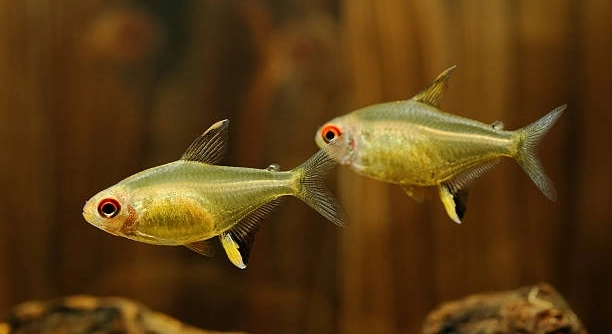
Lemon tetras are small, lively fish that brighten any home aquarium. Their feeding habits can be tricky to predict, making it important to observe and understand the routines they naturally prefer for a healthy life.
Lemon tetras generally show a preference for multiple small feedings throughout the day, focusing on varied food types including flakes, frozen, and live options. Regularly spaced feeding promotes stable digestion, healthy growth, and natural social behavior in these fish.
Knowing how they prefer to eat can make caring for them easier. Observing their habits ensures they remain active, vibrant, and healthy in your aquarium.
Morning Feedings
In the early hours, lemon tetras seem more active and responsive to food. Offering a small portion of flakes or micro pellets in the morning aligns with their natural rhythm. Observing how they swim toward the food can help you gauge the right amount. Overfeeding can cause water quality issues, so a light portion is usually enough. They often eat in bursts, pausing between bites, which indicates a healthy appetite. Morning feedings also help set a consistent routine, which can reduce stress and improve overall behavior. Keeping this feeding period predictable allows the tetras to anticipate food, making the aquarium environment more stable. Some tetras may linger near the surface during this time, showing that they are ready for a snack. A short feeding session of five to ten minutes is sufficient, ensuring that all fish get a fair chance to eat. It also reduces leftover food that can cloud the water.
Feeding lemon tetras in the morning supports their natural activity and ensures they start the day energized.
A structured morning routine can also help identify changes in appetite early. If a fish consistently ignores food, it may indicate stress or illness. Observing their behavior while feeding helps you adjust portions for each individual. Combining flakes with occasional frozen or live food ensures they receive necessary nutrients. This variety keeps them interested and promotes healthy growth. Maintaining this habit over weeks encourages predictability in behavior, making tank management simpler. Clean water, stable temperature, and careful portion control enhance the benefits of morning feedings, keeping the school active and vibrant throughout the day.
Midday Snacks
Lemon tetras benefit from a small, midday snack to maintain steady energy levels and activity.
Offering a tiny portion of live or frozen food around noon mimics natural feeding patterns. This light snack keeps the fish active and reduces competition at the main feeding times. It can also provide enrichment, as they search and chase food, stimulating natural behavior. Observing their response can help determine which type of snack they prefer and whether adjustments are needed. Small, frequent feedings prevent overeating and reduce the risk of water contamination from uneaten food.
Midday snacks are an excellent way to supplement the main feedings while maintaining water quality.
Providing midday feedings ensures lemon tetras remain energetic throughout the day. These snacks support digestion, reduce hunger-driven aggression, and allow you to monitor each fish closely. Using a mix of finely chopped frozen foods or brine shrimp provides essential proteins and vitamins without overwhelming the aquarium environment. Small portions prevent waste accumulation, keeping the water cleaner and healthier. Watching the school interact during these short feedings can also reveal hierarchy and social behavior. Regular midday feedings can become an important part of overall care, reinforcing predictable routines and supporting both physical and mental well-being. Careful planning of these snacks ensures that the fish receive balanced nutrition while remaining lively and stress-free in a confined space. Adjustments in timing or type of food can be made based on observation, providing a tailored feeding schedule that aligns with natural habits.
Evenly Spaced Feedings
Lemon tetras do best with evenly spaced feedings throughout the day. Small, frequent meals prevent hunger spikes and reduce competition, keeping the school calm and active.
Feeding three to four times a day in measured portions helps maintain stable digestion and energy levels. Each session should be brief, allowing all fish to access food without crowding. Overfeeding in one session can cause uneaten food to pollute the tank, stressing the fish. By distributing meals evenly, you encourage natural grazing behavior, allowing tetras to nibble without overwhelming their digestive system. This also helps you monitor individual fish, noting any changes in appetite or behavior. Observing patterns over time can guide adjustments to portion size and frequency. Evenly spaced feedings create predictability in the aquarium, reducing stress and improving overall health.
Consistency in meal timing is crucial. Lemon tetras respond well to predictable routines, and it supports their natural swimming and feeding habits. Over time, this method strengthens their digestive efficiency and promotes balanced growth. Evenly spaced feedings also reduce aggressive interactions around food and encourage calmer social dynamics within the school. Monitoring how they respond allows you to fine-tune portions while maintaining water quality. Feeding small amounts at regular intervals ensures all tetras get nutrition without leaving leftovers that could harm the tank.
Live Food Options
Lemon tetras enjoy live food such as brine shrimp, daphnia, or micro worms, which provide essential nutrients and stimulate natural hunting behavior.
Introducing live food two to three times a week enhances their diet with protein and variety. Live food encourages active swimming and precise feeding, helping fish maintain agility. It also helps younger or smaller tetras access food more easily, as live prey moves naturally through the water column. Proper preparation and occasional supplementation with frozen or flake food ensure nutritional balance. Observing their response allows you to rotate different live options, preventing monotony and promoting interest in meals. Feeding live food also strengthens immune function and supports coloration over time.
Regular inclusion of live food improves overall health, vitality, and appearance. Combining live options with flakes or frozen food ensures a balanced diet while keeping lemon tetras stimulated. It also allows observation of feeding behavior and early detection of potential health issues. Overfeeding live food should be avoided to maintain water clarity and reduce the risk of waste buildup. By rotating live options, you provide variety and enrichment, supporting mental and physical well-being. A balanced approach ensures active, healthy fish and a visually appealing aquarium.
Flake Food Basics
Flake food is a staple for lemon tetras and provides essential nutrients. Using high-quality flakes ensures they get vitamins, minerals, and proteins needed for daily energy and growth.
Small portions spread over the surface prevent waste and maintain water clarity. Flakes should be offered in amounts the fish can finish within a few minutes, encouraging consistent feeding habits without polluting the tank.
Frozen Food Benefits
Frozen foods like bloodworms, brine shrimp, and daphnia add variety and extra nutrition to the diet. They are convenient, easy to portion, and help maintain color and vitality. Thawing properly before feeding prevents digestive issues and supports better health in lemon tetras.
Feeding at Night
Some lemon tetras accept small feedings in the evening. This can help maintain consistent energy levels and reduce stress during nighttime hours.
How often should I feed my lemon tetras?
Lemon tetras do best with small, frequent feedings rather than one large meal. Feeding them two to four times a day keeps their energy steady and supports healthy digestion. Spacing meals evenly helps reduce aggression around food and prevents leftover waste from polluting the tank. Observing their behavior during feeding times will help you adjust the portions to suit the size and number of fish in your aquarium. Evenly spaced, moderate portions encourage natural grazing and maintain predictable routines that the fish respond well to.
What type of food is best for lemon tetras?
A balanced diet works best, including flakes, frozen foods, and live options. Flake food provides daily nutrition, while frozen foods like brine shrimp or bloodworms add protein and variety. Live food encourages natural hunting behaviors and keeps them active. Combining these options ensures that the fish get essential nutrients for growth, color, and vitality. Occasionally rotating food types helps prevent boredom and keeps their appetite consistent. Monitoring how they respond to different foods allows you to tailor the diet for both health and enjoyment.
Can I overfeed lemon tetras?
Overfeeding is a common problem and can lead to water quality issues and obesity. Leftover food decomposes quickly, producing harmful chemicals that stress the fish. Offering small portions that can be eaten in a few minutes is key. If some food remains after feeding, reduce the next portion. Observing how quickly they consume meals helps prevent overfeeding and maintains a clean, healthy aquarium. Consistent, measured feedings encourage balanced growth and keep the tetras active.
Is live food necessary for lemon tetras?
Live food is not strictly necessary but highly beneficial. It provides essential proteins, vitamins, and minerals while stimulating natural hunting instincts. Feeding live options two to three times a week helps maintain color, vigor, and overall health. For convenience, frozen food can sometimes substitute live food if prepared properly. Offering a combination of flakes, frozen, and live foods provides a well-rounded diet that supports both physical and behavioral health.
Should I feed lemon tetras at night?
Evening feedings can be helpful for some aquariums, especially if tetras are active in low light. A tiny portion before lights go out ensures they maintain energy levels overnight. Night feedings should be small to prevent leftover waste and maintain water quality. Observing how the fish respond will indicate whether this is beneficial for your specific tank setup. It can also help in keeping feeding routines predictable and consistent.
How do I prevent picky eating habits?
Picky eating can be avoided by offering variety and consistency. Rotating between flakes, frozen, and live foods keeps tetras interested. Avoid sudden changes in diet, which may stress them. Monitoring the group allows you to ensure all fish eat adequately. Gradually introducing new foods while maintaining familiar options encourages acceptance. Providing meals at regular times strengthens routine and minimizes selective feeding behaviors.
What portion sizes are ideal for lemon tetras?
A portion should be what the school can consume in about two to three minutes. For small groups, this is usually a pinch of flakes or a few pieces of frozen food. Adjust the amount based on the number of fish, their size, and activity levels. Small, measured feedings prevent waste, reduce water contamination, and support steady growth. Observing consumption habits over time helps refine portion control.
Can feeding routines affect behavior?
Yes, feeding routines directly influence activity and social interactions. Predictable feeding reduces aggression and competition, while irregular schedules can stress the fish. Small, frequent meals keep them active and encourage natural swimming patterns. Changes in routine or portion size can lead to noticeable shifts in group behavior, so consistency is key for both health and harmony in the tank.
How do I balance nutrition with water quality?
Balancing nutrition and water quality involves controlling portion sizes and feeding frequency. Overfeeding can introduce excess nutrients that harm the tank environment. Using a mix of flakes, frozen, and live foods in small, frequent portions minimizes leftover waste. Regular monitoring of water conditions ensures that the feeding routine supports health without compromising cleanliness. Proper storage and preparation of food also reduce contamination risks.
Caring for lemon tetras involves more than just filling the tank with water and food. Their feeding routines play a major role in keeping them healthy, active, and colorful. Small, frequent meals help maintain steady energy levels and support proper digestion. Overfeeding can harm both the fish and the aquarium environment, so controlling portions is important. By observing how your tetras respond to food, you can adjust the amount and frequency to meet their specific needs. Using a mix of flakes, frozen foods, and live options ensures a balanced diet, giving them essential nutrients for growth and overall well-being. Flake food provides a reliable base, while frozen and live options add variety and stimulate natural hunting behavior. Offering live food a few times a week enhances their diet and keeps them interested in meals, which is especially important for younger or smaller fish that might struggle to compete for flakes.
Maintaining a consistent feeding schedule can also improve the social behavior of your tetras. Lemon tetras are schooling fish, and predictable routines reduce competition and stress within the group. Evenly spaced feedings allow all fish to access food without crowding, while occasional midday snacks or small evening portions can help maintain steady energy levels. Watching the tetras during these times can reveal their preferences and highlight any potential issues, such as a fish that consistently refuses food. Adjusting the feeding routine based on these observations supports both the physical and behavioral health of the school. In addition to diet, keeping the tank clean and maintaining stable water conditions ensures that feeding is safe and effective. Uneaten food should be removed quickly to prevent water contamination, which could lead to illness or stress. By combining proper feeding techniques with regular maintenance, your lemon tetras are more likely to thrive.
Feeding routines are an essential part of aquarium care, but they are only one piece of the puzzle. Observing your fish, responding to their needs, and providing a balanced diet all work together to create a healthy environment. Using small, frequent meals and a variety of foods encourages natural behavior, supports growth, and keeps the fish active and vibrant. Paying attention to their reactions, adjusting portions, and rotating different types of food ensures they receive complete nutrition without harming the tank. Over time, a thoughtful feeding routine not only supports the health of your tetras but also makes caring for them easier and more predictable. Regular observation and careful planning create a routine that the fish can rely on, reducing stress and encouraging long-term wellness. When feeding is done thoughtfully and consistently, your lemon tetras will remain lively, colorful, and thriving members of your aquarium.

Hello,
If you enjoy the content that we create, please consider saying a "Thank You!" by leaving a tip.
Every little bit helps us continue crafting quality advice that supports the health, happiness, and well-being of pets around the world, for pets of all shapes, sizes, and species.
We really appreciate the kindness and support that you show us!