
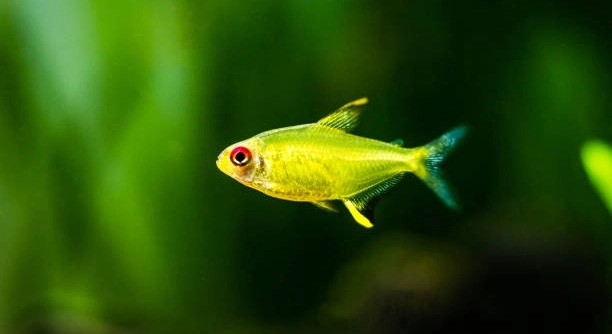
Lemon tetras are small, bright fish that often brighten up a community tank with their activity. Sometimes, they start avoiding certain areas of the tank, which can confuse even experienced fish keepers and owners.
Sudden avoidance of a tank area by lemon tetras is typically caused by changes in water conditions, the presence of stressors, or environmental imbalances. Poor water quality, temperature fluctuations, or aggressive tank mates often trigger this behavior.
Recognizing the subtle signs in your tank can help maintain a peaceful and healthy environment for your lemon tetras to thrive.
Changes in Water Conditions
Lemon tetras are very sensitive to water conditions, and even small changes can affect their behavior. Sudden shifts in temperature, pH levels, or hardness can make them uncomfortable. If the water becomes cloudy, or if leftover food and waste build up, fish may avoid certain areas. Regular testing and partial water changes help maintain stability. Observing your tetras’ behavior after water adjustments can reveal patterns. For example, if they avoid one corner after a new decoration or filter is added, it may signal water flow or temperature differences. Maintaining a consistent routine in feeding and cleaning reduces stress. Some tetras may hide more if the lighting is too bright or if there is a strong current. Even small fluctuations in chemistry can trigger sudden avoidance. Keeping the tank balanced and monitoring water parameters ensures the tetras feel safe and active.
Stress from water changes often causes avoidance behavior, making monitoring essential for their well-being.
Regular observation of water parameters, combined with gentle adjustments, helps prevent sudden avoidance. Testing pH, temperature, and ammonia levels, and performing scheduled water changes, keeps conditions stable. Over time, tetras learn which areas are safe and remain active, creating a healthier environment and reducing stress-induced hiding.
Tank Layout and Environment
Overcrowding or lack of hiding spots can influence tetras’ comfort.
The arrangement of plants, decorations, and hiding places impacts where lemon tetras swim and spend time. A tank that is too open may make them feel exposed, while a cluttered corner with strong currents may be intimidating. Adding floating plants, small caves, or gentle filtration zones encourages natural exploration and reduces stress. Observing where they spend most of their time can indicate which areas feel secure or unsafe. Moving decorations or introducing new elements gradually can help them adjust without sudden panic. Additionally, the substrate type and lighting levels influence their activity. Soft lighting with shaded areas usually promotes confidence, while sudden changes in layout may trigger avoidance. Ensuring a balance of open swimming areas and sheltered spots allows tetras to choose their comfort zone. Over time, they become more predictable in their movements, making it easier to manage the tank environment.
Aggressive Tank Mates
Aggressive or overly active fish can push lemon tetras away from certain areas. Even minor chasing or nipping can make them avoid open spaces, corners, or areas near the surface.
Lemon tetras are peaceful schooling fish that rely on safety in numbers. If housed with aggressive species like larger cichlids or fin-nipping fish, they may hide or cluster in safer zones. Even normally calm fish can display territorial behavior near feeding times, decorations, or breeding areas. Stress from these interactions can reduce their activity and appetite. Observing the tank carefully allows you to spot which fish are causing tension and adjust accordingly. Sometimes rearranging the tank or adding extra hiding spots can reduce conflict. In extreme cases, separating aggressive individuals ensures a calmer environment. Over time, tetras regain confidence and resume normal swimming patterns.
Introducing small, non-aggressive species gradually can help lemon tetras feel secure. Providing visual barriers and shaded areas encourages natural schooling behavior and reduces stress.
Illness or Physical Stress
Physical stress or illness often makes tetras avoid certain areas of the tank.
Lemon tetras may hide or isolate themselves when dealing with health issues such as ich, fin rot, or internal parasites. Stress from sudden water changes, improper diet, or overcrowding can weaken their immune system, making them more vulnerable to disease. Infected fish often stay near the bottom, behind decorations, or in shaded areas to conserve energy and avoid interaction. Early signs include faded colors, rapid gill movement, or clamped fins. Prompt attention to water quality, diet, and tank maintenance can help prevent illness from spreading. Observing their behavior closely is key to identifying subtle health concerns before they worsen.
Maintaining a consistent feeding schedule, balanced diet, and clean tank reduces stress-related illnesses and keeps lemon tetras active and comfortable.
Lighting and Visibility
Too much light or sudden changes can make lemon tetras uncomfortable. Bright areas may feel exposed, causing them to avoid certain corners or swim near plants and shaded zones.
Dim or uneven lighting encourages them to explore more freely. Overhead lights that flicker or are left on too long can increase stress, prompting avoidance behavior.
Noise and Vibrations
Lemon tetras are sensitive to vibrations from pumps, heaters, or external sources like footsteps or loud music. Continuous disturbance can make them avoid affected areas, seeking calmer zones within the tank where movement is minimal and they feel more secure.
Water Flow
Strong currents can overwhelm lemon tetras, pushing them away from certain parts of the tank. They prefer gentle, consistent flow that allows them to swim naturally and maintain schooling behavior without being forced into corners.
Feeding Patterns
Irregular feeding or overcrowded feeding areas may cause tetras to avoid some tank zones. Consistent feeding routines and evenly distributed food help them feel safe while eating.
Why are my lemon tetras avoiding one corner of the tank?
Lemon tetras may avoid a specific corner due to water quality issues, strong currents, or lighting differences. Stagnant water, uneven filtration, or bright overhead lights can make them feel exposed. Rearranging decorations or adding plants can create safer zones and encourage exploration.
Could tank mates be causing this behavior?
Yes, aggressive or overly active fish can push lemon tetras away from certain areas. Even minor chasing or fin-nipping can make tetras hide. Introducing peaceful species and providing hiding spots can reduce stress, helping the tetras feel secure and return to previously avoided zones.
Is poor water quality a factor?
Sudden changes in pH, temperature, or ammonia levels can make lemon tetras uncomfortable. Cloudy water, leftover food, and waste buildup often trigger avoidance. Testing water regularly and performing partial water changes keeps conditions stable, allowing tetras to resume normal swimming behavior.
Do lemon tetras avoid areas when sick or stressed?
Yes, illness or stress often causes isolation. Symptoms such as clamped fins, faded colors, or rapid gill movement indicate physical stress or disease. They may stay near the bottom or behind decorations. Promptly addressing water quality, diet, and overall tank maintenance helps prevent illness from spreading.
Can lighting affect where tetras swim?
Bright or flickering lights can make tetras uncomfortable. They often prefer shaded areas or zones with plants to hide. Dim, consistent lighting encourages natural behavior, while sudden changes may cause avoidance. Adjusting lighting gradually helps them adapt without stress.
Do feeding habits influence tank avoidance?
Irregular feeding schedules or overcrowded feeding areas can make tetras avoid some zones. Providing food consistently and distributing it across the tank encourages even swimming patterns and reduces competition, helping the fish feel secure during feeding times.
How do strong currents affect lemon tetras?
Strong water flow can overwhelm these small fish. They may avoid areas with high currents, preferring gentle, consistent flow. Adjusting the filter or creating calmer zones with plants allows natural schooling behavior without forcing them into corners.
Can external noise or vibrations impact behavior?
Yes, vibrations from pumps, heaters, or external sources like footsteps and loud sounds can stress lemon tetras. They often seek calmer areas where movement is minimal. Ensuring equipment is stable and minimizing sudden disturbances reduces avoidance behavior and keeps them active.
How long will it take for tetras to return to avoided areas?
Recovery depends on the source of stress. With stable water, gentle currents, hiding spots, and peaceful tank mates, tetras may gradually explore previously avoided zones over days to weeks. Monitoring their behavior closely ensures adjustments are effective and the tank environment remains comfortable.
Are there ways to prevent avoidance behavior in the future?
Maintaining stable water conditions, balanced lighting, gentle currents, peaceful tank mates, and a consistent feeding schedule reduces avoidance. Regular observation allows early detection of stress or illness. Thoughtful tank layout with plants and decorations provides natural hiding spots, helping lemon tetras remain confident and active throughout the tank.
This FAQ provides practical steps to understand and manage why lemon tetras avoid certain areas, emphasizing consistent care and observation to maintain a calm, healthy environment.
Lemon tetras are small, lively fish that bring color and movement to a tank, but their behavior can sometimes be puzzling. One common issue is when they suddenly avoid certain areas, leaving owners concerned. This behavior is usually a response to changes in their environment or physical stress. They are sensitive to water conditions, including temperature, pH, and cleanliness. Even minor fluctuations can make them feel unsafe, prompting them to hide or swim in a limited part of the tank. By paying attention to their movement and maintaining stable water conditions, you can reduce stress and help them feel more comfortable. Observing them regularly allows you to notice subtle changes in behavior that may indicate a problem before it becomes serious.
Tank layout and tank mates also play a major role in lemon tetras’ comfort. They are peaceful fish and can be stressed by aggressive or overly active tank mates. Providing hiding spots, shaded areas, and gentle currents encourages natural behavior and reduces the likelihood of them avoiding parts of the tank. Plants, rocks, and decorations can create safe zones, while overcrowding or overly open spaces can increase stress. Regularly checking the tank environment, adjusting decor gradually, and introducing compatible species helps maintain a peaceful atmosphere. Small adjustments, like moving a plant or softening the light, can make a big difference in where tetras feel safe.
Finally, illness and stress can lead to avoidance behavior, so it’s important to monitor both their health and environment. Signs of illness, such as faded colors, clamped fins, or unusual hiding, often accompany avoidance. Addressing water quality, maintaining a consistent feeding routine, and ensuring gentle tank conditions help prevent these issues. Lemon tetras respond well to stable, predictable environments where they feel secure. Over time, with attention to water, tank layout, and companions, they regain confidence and explore their entire space again. Consistent care and observation are key to keeping lemon tetras healthy, active, and comfortable in their home.

Hello,
If you enjoy the content that we create, please consider saying a "Thank You!" by leaving a tip.
Every little bit helps us continue crafting quality advice that supports the health, happiness, and well-being of pets around the world, for pets of all shapes, sizes, and species.
We really appreciate the kindness and support that you show us!