
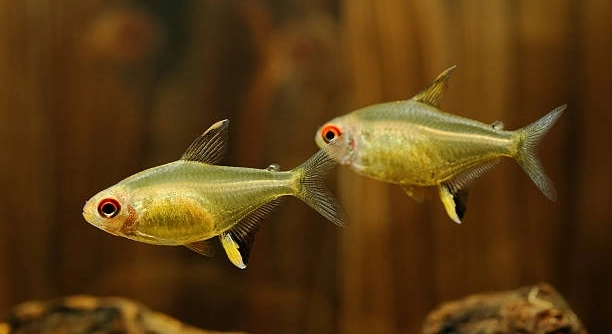
Lemon tetras are small, lively fish that brighten any aquarium with their yellow hues. Observing them often reveals a unique pattern of hovering and swaying in the water, capturing the attention of both new and experienced fish keepers.
Lemon tetras hover and sway primarily as a response to water currents, environmental conditions, and social interactions. This behavior helps them maintain balance, navigate their surroundings efficiently, and communicate with other members of their school.
Understanding why lemon tetras move this way can improve aquarium care. Observing their behavior offers insight into their needs and promotes a healthier, more comfortable environment.
Understanding Hovering and Swaying Behavior
Lemon tetras often hover and sway as part of their natural behavior. This movement allows them to maintain balance in the water, especially in areas with varying currents. Hovering keeps them in a stable position, preventing unnecessary energy use while they observe their environment. Swaying, on the other hand, is often a social signal within their school, helping individuals coordinate movements and establish subtle hierarchies. These behaviors also assist in detecting food sources, predators, or changes in water conditions. Younger tetras may exhibit more noticeable swaying as they learn to navigate and interact with other fish. Water temperature and quality can influence the intensity of this motion, with slightly cooler or warmer water prompting more cautious movements. Providing plants or decorations can give them a sense of security, encouraging smoother, calmer hovering. Observing these actions closely can help fish keepers better understand the health and mood of their lemon tetras in a simple and practical way.
Maintaining consistent water conditions reduces stress, which helps tetras hover steadily and interact naturally within their group.
By adjusting tank layout and monitoring environmental factors, it is possible to support healthier movement. Adding gentle currents and appropriate lighting enhances natural behavior. Careful attention to diet ensures they have the energy needed for regular hovering and swaying. Overcrowded tanks can disrupt these patterns, causing erratic or nervous movements. Introducing hiding spots or plant cover can make fish feel more secure, reducing stress-related twitching. Observing these movements also helps identify potential health concerns, such as fin damage or swim bladder issues, early on. Regular maintenance, such as water changes and monitoring chemical levels, supports overall well-being, allowing lemon tetras to maintain fluid and coordinated motion. Social dynamics play a role, as fish swimming in groups tend to synchronize their movements, creating a calm and cohesive environment. Watching these subtle cues helps caretakers make informed adjustments to tank setup. Maintaining balance in the aquarium, including space, lighting, and companion species, ensures that lemon tetras hover and sway naturally, reflecting their comfort and vitality.
Environmental Influence on Movement
Tank conditions strongly affect lemon tetra behavior. Proper water temperature and clarity allow them to move calmly, while turbulence or poor quality can cause erratic swaying.
Environmental factors like lighting, plant cover, and tank companions significantly influence how lemon tetras hover. Sudden changes in temperature or pH levels can lead to stress, making them swim more frantically or cluster tightly. Tanks with open spaces allow smoother gliding, whereas cluttered setups may restrict movement, causing them to dart quickly. Introducing gentle currents mimics natural habitats, encouraging natural swaying patterns. Regular observation is crucial, as consistent movement indicates comfort, while irregular behavior may signal environmental stress or illness. The presence of other small schooling fish can reinforce synchronized hovering, promoting calm interactions. Adjusting tank conditions gradually helps tetras adapt without triggering panic or unusual motion. Feeding routines also contribute, as predictable feeding reduces nervous activity. Plants and hiding spots provide security, allowing them to hover with confidence. By paying attention to these factors, caretakers can create a supportive environment that encourages healthy, stable behavior patterns, reflecting both physical well-being and psychological comfort for the fish.
Social Behavior and Schooling
Lemon tetras rely on schooling to feel secure. Hovering and swaying help them stay in sync with the group, reducing stress and ensuring safety. Individual fish adjust movements based on the group’s rhythm, creating a coordinated pattern that benefits the entire school.
Schooling behavior plays a critical role in the health and confidence of lemon tetras. When swimming together, they use subtle body motions like swaying and hovering to communicate position, alert others of potential threats, and maintain a cohesive group structure. A single fish out of sync may experience stress or become more vulnerable to sudden changes in the environment. Caretakers often notice that tetras in smaller groups may hover more cautiously, while those in larger schools move with smooth, fluid patterns. Observing these interactions provides insight into social dynamics, helping identify stressed or isolated individuals. Providing at least six tetras together encourages natural schooling behavior and consistent hovering.
Individual temperament also influences schooling. Some tetras are naturally more active, leading to slightly different hovering or swaying intensity. Dominant fish may take the lead, while less assertive members follow, creating subtle hierarchy. Over time, the school develops an equilibrium where movement is synchronized but flexible. Environmental changes, such as lighting, tank decoration, or new tank mates, can temporarily disrupt this harmony. By maintaining stable conditions and observing social interactions, caretakers can support smooth, natural behavior. Ensuring enough space for schooling prevents overcrowding, reducing stress and erratic motion. This attention to social dynamics ultimately promotes healthier, calmer lemon tetras with predictable movement patterns that reflect well-being.
Health Indicators in Movement
Changes in hovering or swaying often signal health issues. Irregular movement can indicate stress, illness, or discomfort in lemon tetras.
Consistent observation of swimming patterns is essential for detecting potential problems early. Lemon tetras that hover too long in one spot, sway unevenly, or struggle to maintain balance may be experiencing swim bladder issues, water quality stress, or nutritional deficiencies. Fin damage, internal parasites, or infections can also alter normal movement. Maintaining proper temperature, filtration, and nutrition supports predictable, fluid behavior. Tracking subtle changes allows caretakers to address concerns before they escalate, promoting longevity and overall vitality in the aquarium.
Behavioral monitoring should extend to interactions within the school. Fish that isolate themselves or fail to synchronize with others may need immediate attention. Combining visual observation with routine water testing helps pinpoint environmental or health-related causes. Proper diet, regular cleaning, and stable tank conditions reduce the likelihood of erratic movement caused by stress. When multiple fish show abnormal hovering or swaying, it often indicates an underlying tank-wide issue rather than an individual problem. Maintaining awareness of these cues ensures early intervention and supports both individual and group health, preserving natural movement and comfort for all lemon tetras.
Tank Setup and Space
Lemon tetras need enough space to hover and sway naturally. Overcrowded tanks can cause stress, leading to erratic movements and reduced social interaction. Proper layout allows them to glide smoothly and maintain comfort in their environment.
Providing plants and decorations offers hiding spots and resting areas. These elements create visual boundaries and help fish feel secure while moving, encouraging natural, calm behavior.
Feeding and Energy Levels
A balanced diet affects movement patterns. Well-fed lemon tetras hover confidently and swim with steady swaying, while underfed fish may appear lethargic or uncoordinated.
Water Quality Impact
Clean water is essential for consistent movement. Poor conditions can disrupt hovering and swaying, causing stress or illness.
FAQ
Why do lemon tetras hover in one spot for long periods?
Hovering in one spot is a natural behavior for lemon tetras. It allows them to conserve energy while observing their surroundings. This position also helps them maintain balance in varying currents and stay alert for food or changes in their environment.
Is swaying a sign of stress or illness?
Not always. Gentle swaying is normal and helps fish communicate within the school. However, sudden, erratic swaying or trembling can indicate stress, poor water quality, or potential health issues. Regular observation can help determine if the movement is typical or cause for concern.
How many lemon tetras should be kept together?
A minimum of six is recommended. Lemon tetras are schooling fish, and moving in groups reduces stress while encouraging natural hovering and swaying. Smaller numbers can lead to nervous or erratic movements, affecting their overall behavior and comfort.
Can tank decorations affect hovering behavior?
Yes. Plants, rocks, and other decorations create visual boundaries and hiding spots. This allows lemon tetras to feel secure while moving, encouraging calm hovering and natural swaying. Open spaces also provide room for smooth swimming patterns.
Do water temperature changes affect movement?
Absolutely. Lemon tetras are sensitive to temperature fluctuations. Slightly cooler or warmer water can make them more cautious or energetic. Keeping a stable temperature range suitable for their species promotes predictable and relaxed hovering and swaying.
How does diet influence their movement?
A balanced diet provides the energy needed for controlled hovering and coordinated swaying. Poor nutrition can lead to lethargy or erratic swimming, while a varied diet supports active and healthy movement patterns. Feeding small portions regularly helps maintain consistent energy levels.
What role does schooling play in swaying?
Schooling ensures coordinated movement. Each fish adjusts to the group, creating a synchronized swaying pattern. This behavior improves safety, reduces stress, and allows them to react collectively to environmental changes or potential threats.
Can overcrowding disrupt hovering behavior?
Yes. Overcrowded tanks increase stress and restrict movement, often causing erratic or nervous swimming. Providing enough space allows lemon tetras to hover steadily and interact naturally within their school.
Are there signs of illness in movement patterns?
Yes. Fish that hover excessively in one spot, sway unevenly, or struggle to maintain balance may have swim bladder problems, infections, or stress from poor water conditions. Observing these behaviors early helps prevent more serious issues.
Do lighting conditions affect swaying and hovering?
Lighting impacts fish comfort. Bright or harsh lights may make lemon tetras nervous, causing rapid movements. Moderate lighting that mimics their natural habitat supports calm hovering and smooth swaying.
How can water quality issues be detected through movement?
Erratic swimming, unusual hovering, or sudden hiding often signals poor water quality. Testing for ammonia, nitrite, and pH levels alongside visual observation ensures timely intervention to maintain healthy movement patterns.
Do tank mates influence hovering and swaying?
Yes. Peaceful, similarly sized fish encourage coordinated schooling and reduce stress, while aggressive or overly active tank mates can disrupt hovering, leading to frantic or defensive movements. Proper compatibility is essential for smooth, natural behavior.
Is it normal for some fish to hover more than others?
Yes. Individual temperament and hierarchy within the school affect movement. Some tetras are naturally more cautious, hovering longer or swaying differently. This variation is part of normal social dynamics and should not be cause for concern if the group remains balanced.
Can gentle currents improve natural behavior?
Moderate water flow mimics natural habitats and encourages healthy hovering and swaying. Gentle currents provide resistance that allows tetras to exercise muscles, maintain balance, and display natural movements without stress.
How do seasonal changes affect movement patterns?
Seasonal variations in room temperature or daylight can influence energy levels and swimming behavior. Maintaining stable tank conditions minimizes stress and keeps hovering and swaying consistent throughout the year.
What should be done if abnormal movement is observed?
Immediate action includes checking water quality, reviewing diet, and observing tank mates. Isolated abnormal behavior may indicate illness, while widespread issues suggest environmental stress. Prompt intervention prevents escalation and maintains overall health and movement stability.
How long does it take for tetras to adjust to a new tank?
Adjustment usually takes several days to a week. During this period, they may hover cautiously or sway unevenly. Providing hiding spots, stable water conditions, and minimal disturbances helps them acclimate faster and resume normal movement patterns.
Can observation of hovering and swaying indicate overall well-being?
Yes. Smooth, coordinated movements suggest comfort, proper health, and low stress levels. Any significant deviations often point to environmental or health concerns. Regular monitoring is a simple yet effective way to ensure lemon tetras thrive in the aquarium.
Does the size of the tank affect hovering patterns?
Tank size directly influences movement. Smaller tanks restrict space, causing nervous or erratic swaying. Larger tanks with adequate swimming room allow natural hovering, stable schooling, and fluid interactions between all individuals.
Are there long-term effects if unusual movement is ignored?
Ignoring abnormal hovering or swaying can lead to chronic stress, illness, or weakened immune response. Early detection through observation allows intervention, preserving health, promoting natural behavior, and ensuring a comfortable and stable environment for lemon tetras.
This FAQ addresses the main factors influencing lemon tetra hovering and swaying, providing clear guidance for maintaining healthy and balanced aquarium behavior.
Final Thoughts
Observing lemon tetras hover and sway provides insight into their natural behavior and overall well-being. These movements are not random; they serve multiple purposes, including balance, communication, and energy conservation. When fish hover calmly in one spot, they are able to rest while remaining aware of their surroundings. Gentle swaying is a form of subtle communication within the school, helping them maintain coordination and respond quickly to environmental changes. This behavior also signals comfort and confidence in their habitat. Understanding these patterns allows caretakers to recognize what is normal versus what may indicate stress or health concerns. Regular observation of movement provides a simple and effective way to monitor the condition of both individual fish and the group as a whole. By paying attention to how lemon tetras move, it is possible to make small adjustments to their environment that can have a significant impact on their health and comfort.
Maintaining a stable and suitable environment is essential to encourage natural hovering and swaying. Water quality, temperature, and tank size all play critical roles in shaping movement patterns. Stable water parameters prevent erratic swimming and allow fish to glide smoothly without unnecessary effort. Adequate space is important for schooling behavior, which helps tetras coordinate movements and reduces stress. Tank decorations, plants, and hiding spots offer visual boundaries that support calm movement and give fish a sense of security. Nutrition also contributes to their activity levels. A balanced diet provides the energy required for regular hovering and swaying, while irregular feeding or poor-quality food can lead to lethargy or erratic motion. By addressing these key aspects, caretakers can foster a comfortable environment that supports healthy and predictable behavior.
Regular monitoring and understanding of behavior can prevent minor issues from becoming serious problems. Changes in hovering or swaying often indicate stress, illness, or environmental imbalance. Early detection allows timely adjustments, such as improving water quality, modifying tank layout, or adjusting feeding routines. Observing social interactions within the school is equally important. Fish that are isolated, fail to synchronize with others, or display unusual movement may require immediate attention. Maintaining an awareness of these cues ensures that lemon tetras remain healthy, active, and comfortable. Over time, consistent care and observation help create a balanced environment where natural behaviors can thrive. Supporting these small, everyday aspects of aquarium management ensures lemon tetras exhibit calm, coordinated hovering and swaying, reflecting both their physical and psychological well-being. By focusing on these details, caretakers can enjoy the full vibrancy of their aquarium while keeping the fish healthy and stress-free.

Hello,
If you enjoy the content that we create, please consider saying a "Thank You!" by leaving a tip.
Every little bit helps us continue crafting quality advice that supports the health, happiness, and well-being of pets around the world, for pets of all shapes, sizes, and species.
We really appreciate the kindness and support that you show us!