
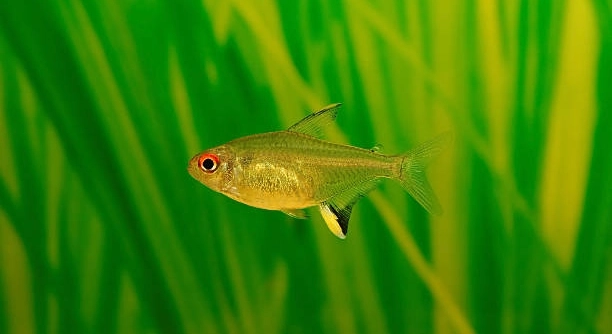
Capturing the vibrant colors of Lemon Tetras can be challenging, especially when they dart around quickly in their tank. Many hobbyists feel frustrated when their photos turn out blurry or poorly lit despite careful preparation.
Properly photographing Lemon Tetras requires controlling light, minimizing reflections, and using a steady camera setup. Adjusting camera settings for fast movement and maintaining a calm environment helps produce sharp, clear images without stressing the fish or compromising their natural behavior.
These practical tips will help you improve your aquarium photography and enjoy capturing your Lemon Tetras with ease and confidence.
Prepare Your Tank and Lighting
A calm, clean tank is essential before attempting any photography. Lemon Tetras are sensitive to sudden movements and changes in their environment, so maintaining a steady setup will help them stay relaxed. Start by cleaning the glass carefully, removing any algae or debris that could obscure the view. Check the water clarity and temperature to ensure it is consistent with their comfort zone. Lighting plays a major role in bringing out their yellow hues. Soft, diffused light reduces reflections and prevents harsh shadows, which can stress the fish. Consider positioning a lamp outside the tank or using natural light from a nearby window, ensuring it does not cause sudden glare. Avoid direct overhead lighting, which can create unwanted reflections and alter their colors. Small adjustments in light angle can dramatically improve photo quality. Maintaining a quiet environment during the session also reduces erratic swimming, allowing for clearer shots.
Good tank preparation minimizes stress for the fish and makes capturing natural behavior much easier.
With a stable environment and proper lighting, your Lemon Tetras will show their natural colors and movements, creating more visually appealing photographs. Paying attention to these details ensures sharper images and reduces the need for repeated attempts that could disturb the fish. Combining clean water, soft lighting, and minimal reflection allows you to highlight their vibrant yellow and delicate fins. Additionally, having a calm setup improves focus and reduces blurriness caused by sudden movements. Over time, this approach makes photographing them predictable and more enjoyable. Adjusting background colors, using simple decorations, and avoiding overcrowding also contribute to better compositions, allowing each fish to stand out.
Use a Fast Shutter Speed
A fast shutter speed helps freeze the quick movements of Lemon Tetras, preventing motion blur.
Setting your camera to a high shutter speed ensures clear, sharp images, even when the fish swim rapidly. Adjust the ISO to maintain brightness without adding too much noise. Proper focus on the fish is critical, so consider using continuous autofocus. Experimenting with different angles while keeping the camera stable improves your chances of capturing a natural pose. Using a tripod or stabilizer further enhances clarity, especially in lower light conditions. Overhead or side angles can emphasize their shape and color patterns. A high frame rate setting allows multiple shots in quick succession, increasing the likelihood of a perfect capture.
Freezing motion with a fast shutter speed makes every photograph crisp and vibrant.
When photographing active fish like Lemon Tetras, a fast shutter speed is indispensable. Their quick, darting movements can easily result in blurred images if the camera is not set correctly. Choosing the right combination of shutter speed, aperture, and ISO balances exposure and detail. Continuous autofocus ensures the fish remain sharp even when they swim unpredictably. Incorporating a tripod stabilizes the camera, allowing for consistent framing and minimizing hand shake, especially in lower light conditions. Burst mode captures several frames in rapid succession, giving multiple options to select the best shot. Attention to these details allows the fish’s color, fins, and body shape to stand out clearly in every photograph, creating a polished and professional result without stressing the fish.
Minimize Reflections and Glare
Reflections on the glass can ruin a clean shot. Using a dark backdrop and angling the camera reduces unwanted glare and improves image clarity.
Positioning the camera slightly off-center from direct light sources helps avoid reflections bouncing back into the lens. A simple black or neutral background behind the tank prevents distractions and highlights the fish’s bright yellow coloring. Cleaning the glass carefully before shooting ensures that smudges or water spots do not interfere with clarity. Even small light adjustments can make a significant difference in the sharpness and contrast of your photos, making the Tetras stand out naturally.
Controlling reflections also improves focus on the fish. Adjusting the tank angle relative to light sources reduces glare. Using a polarizing filter can help limit reflections, while avoiding overhead lights that cause hotspots. Maintaining patience while waiting for the fish to swim into clear, well-lit areas ensures better framing. Combining these techniques enhances photo quality and makes post-processing easier, allowing the natural colors and delicate fins of Lemon Tetras to shine.
Use Manual Focus for Precision
Manual focus gives precise control over which part of the fish appears sharp. This is especially useful when multiple fish swim closely together.
By adjusting focus manually, you can target specific fish or details, such as fins and eyes. Continuous autofocus may struggle in crowded tanks, resulting in blurry areas. Manual focus also allows better depth-of-field management, letting the background remain softly blurred while the fish remain clear. Practicing small focus adjustments reduces mistakes and ensures the exact point of interest is crisp. This method gives creative control over composition, highlighting the most attractive features of each fish without relying on automatic camera assumptions.
Manual focus is essential when capturing fast-moving fish in a busy tank. By carefully controlling the focal point, you prevent the camera from focusing on surrounding objects, decorations, or other fish unintentionally. This approach ensures that the desired subject remains sharp, and its colors and fin details are highlighted. Combining manual focus with a stable camera setup and proper lighting results in more precise, aesthetically pleasing shots. Over time, this technique reduces frustration and increases successful captures while keeping the fish undisturbed in their natural environment.
Keep the Tank Calm
A calm tank reduces sudden movements that stress Lemon Tetras. Avoid tapping on the glass or making loud noises near the aquarium.
Minimizing disturbances helps the fish swim naturally, making it easier to capture clear photos. Soft background noise and gentle lighting maintain their comfort throughout the session.
Choose the Right Lens
A macro or zoom lens allows close-up shots without needing to get too close to the tank. This prevents disturbing the fish. Using a lens with a fast aperture also improves light capture and highlights fine details like scales and fins.
A zoom lens gives flexibility to frame individual fish or small groups while keeping the camera at a comfortable distance. Macro lenses capture intricate patterns, enhancing the vibrant colors of Lemon Tetras. Pairing this with proper lighting and steady support ensures sharp, detailed photographs. Choosing the right lens reduces stress for the fish and improves overall photo quality.
Capture Natural Behavior
Observing the fish before shooting allows you to anticipate movement and capture genuine interactions or swimming patterns.
FAQ
How can I prevent my Lemon Tetras from getting stressed during a photoshoot?
Keeping the tank calm and quiet is essential. Avoid sudden movements, tapping on the glass, or introducing new objects right before shooting. Soft lighting and minimal handling of the camera help maintain a stress-free environment. Observing the fish for a few minutes before taking photos ensures they are comfortable and swimming naturally.
What camera settings work best for photographing Lemon Tetras?
A fast shutter speed is key to freezing their quick movements. Adjust the ISO to balance brightness without adding excessive noise. Using a small aperture helps achieve a larger depth of field, keeping more of the fish in focus. Continuous or manual focus allows you to track their movement accurately, especially in a busy tank.
Should I use flash when photographing them?
Flash is generally not recommended as it can startle the fish. Natural or diffused lighting is better for maintaining calm behavior and preserving true colors. Position lights at angles to minimize glare on the glass, and avoid harsh overhead lighting that can create unwanted reflections.
How do I manage reflections and glare from the tank glass?
Using a dark or neutral background reduces distractions and reflections. Angling the camera slightly off-center from light sources helps avoid glare. Cleaning the glass carefully before shooting ensures no smudges or spots interfere. A polarizing filter can also limit reflections while keeping the fish sharp and vibrant.
Is it better to shoot individually or in groups?
Both approaches work, but shooting individually allows more control over focus and composition. Groups can create dynamic images but may be harder to keep all fish in sharp focus. Adjust camera settings accordingly, and be patient to capture clear shots of multiple fish swimming together.
What lens should I use for Lemon Tetra photography?
A macro lens or a zoom lens works best. Macro lenses capture fine details like scales and fins, while zoom lenses let you photograph from a comfortable distance without disturbing the fish. Fast aperture lenses help in low light and enhance clarity.
How do I keep the background simple yet appealing?
Using a plain black, dark blue, or neutral-colored background makes the bright yellow of Lemon Tetras stand out. Avoid cluttered tank decorations close to the camera. Subtle plants or minimal decor can add depth without drawing attention away from the fish.
Can I capture their natural behavior in photos?
Yes, but patience is important. Observing their swimming patterns before shooting helps anticipate where they will move. Calm water and soft lighting encourage relaxed behavior. Multiple shots in burst mode increase chances of capturing natural poses, interactions, and fin displays.
How do I deal with low light in my tank?
Use external soft lighting or adjust camera settings for low-light performance. Higher ISO and wider apertures can help, but avoid grainy images by balancing exposure. Maintaining steady support, like a tripod, prevents blur in dim conditions.
How often should I photograph my Lemon Tetras?
Occasional sessions are best to avoid repeated stress. Frequent photography can disturb their routine. Short sessions with calm setups ensure the fish remain healthy and show natural colors. Rotating times and angles keeps your shots varied without overexposing them to stress.
What is the easiest way to get sharp photos of fast-moving fish?
A combination of fast shutter speed, manual or continuous focus, and a stable camera setup ensures sharp images. Burst mode increases the chance of capturing the perfect moment. Preparing the tank and minimizing disturbances also improves success rates.
Can I photograph multiple tanks at once?
It’s better to focus on one tank at a time. Each tank may have different lighting and water clarity, which affects photo quality. Setting up individually ensures consistent control over reflections, light, and composition.
How can I make editing easier after shooting?
Clean shots reduce post-processing time. Proper lighting, minimal reflections, and sharp focus allow simple color adjustments and cropping. Avoid heavy editing to preserve natural colors. Shooting in RAW format helps retain details and flexibility during editing.
Do Lemon Tetras respond to camera movement?
Yes, sudden movement can startle them. Keeping the camera steady with a tripod or holding it slowly helps prevent abrupt reactions. Smooth, deliberate movements allow the fish to continue swimming naturally, increasing the likelihood of a successful photo.
How do I highlight their yellow coloring effectively?
Soft, diffused light and neutral backgrounds make their yellow tones pop. Avoid harsh, direct light that can wash out colors. Positioning the fish against dark or simple backgrounds enhances contrast and emphasizes their natural brightness.
Are there any times of day better for photographing them?
Morning or afternoon light tends to be softer if using natural light. Consistent lighting during the day helps maintain the tank’s environment and makes color reproduction more reliable. Avoid shooting under fluctuating light that can create shadows or reflections.
How long should each photography session last?
Keep sessions short, around 15-30 minutes, to prevent stress. Longer sessions increase the risk of agitation. Preparing the tank and lighting beforehand reduces the need for extended shooting, letting you capture quality images efficiently.
What accessories can improve my photos?
Tripods, polarizing filters, and soft diffusers are useful tools. Tripods stabilize the camera, filters reduce reflections, and diffusers create even lighting. Small, simple backgrounds and minimal decorations keep focus on the fish. These accessories reduce stress for both the photographer and the fish.
Is post-processing necessary for every shot?
Not always. If lighting, focus, and composition are done correctly, minimal editing may be needed. Simple adjustments like contrast, saturation, or cropping often suffice. Over-editing can make the fish appear unnatural, so maintaining their true colors is key.
How do I ensure consistent results across multiple photos?
Consistent camera settings, lighting, and tank preparation are crucial. Using the same background, angles, and lens helps produce uniform images. Patience and careful observation of fish behavior maintain quality across sessions. Repeating successful setups minimizes errors and ensures reliable results.
Final Thoughts
Photographing Lemon Tetras can seem challenging at first, but with careful preparation, the process becomes much more manageable. Maintaining a calm and clean tank is the foundation of every successful session. Clear water, a simple background, and soft lighting reduce distractions and allow the fish’s natural colors to shine. Small adjustments in light direction, camera angle, or tank arrangement can make a noticeable difference in the clarity and vibrancy of your photos. Consistency in these basic steps is more important than complex setups, as it helps the fish remain comfortable and swim naturally. When the fish feel secure, their movements appear more relaxed, resulting in sharper and more expressive images that truly reflect their personality and color patterns.
Camera settings play a significant role in achieving sharp and professional-looking photos. A fast shutter speed helps capture their quick movements, while adjusting ISO and aperture ensures proper exposure and depth of field. Using manual focus or continuous autofocus allows you to track the fish accurately, especially when multiple Lemon Tetras are swimming together. A tripod or other stabilization tool helps prevent blurriness, particularly in lower light conditions. Even small improvements, like positioning the camera slightly off-center to reduce reflections, can have a major impact on final results. By mastering these techniques, you not only improve your photographs but also reduce stress for the fish, creating a better experience for both photographer and subject.
Patience is key throughout the process. Lemon Tetras are active and sensitive to sudden changes, so taking the time to observe their natural behavior before shooting often leads to better outcomes. Short, calm sessions prevent unnecessary stress and help capture authentic moments, whether it is a single fish or a small group swimming together. Accessories such as soft diffusers, polarizing filters, and macro or zoom lenses further enhance photo quality while keeping the fish undisturbed. Paying attention to detail and making small, careful adjustments allows you to produce consistent, high-quality images over time. Following these steps ensures that photographing Lemon Tetras becomes an enjoyable and rewarding activity, highlighting their vibrant appearance without compromising their well-being.

Hello,
If you enjoy the content that we create, please consider saying a "Thank You!" by leaving a tip.
Every little bit helps us continue crafting quality advice that supports the health, happiness, and well-being of pets around the world, for pets of all shapes, sizes, and species.
We really appreciate the kindness and support that you show us!