
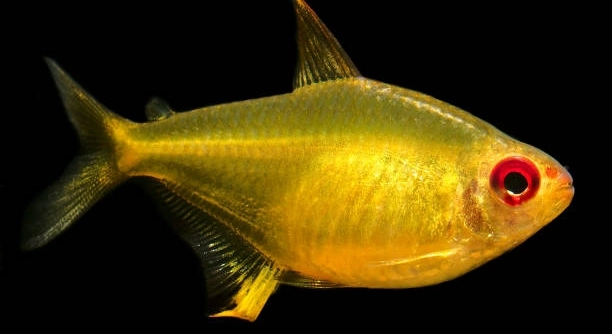
Lemon tetras are small, lively fish that brighten up any aquarium. They move gracefully through the water, often seeming to interact with their environment. Watching them can be relaxing and even reveal subtle behaviors that show their preferences.
Lemon tetras enjoying the current exhibit steady swimming patterns, maintain positions facing the flow, and demonstrate consistent energy. They actively engage with water movement, orienting their bodies efficiently while avoiding stress signs, which indicates positive environmental adaptation.
Observing these behaviors can help you understand your fish better and ensure they are thriving in their aquarium environment.
Steady Swimming Patterns
Lemon tetras that enjoy the current swim smoothly without sudden jerks or stops. They often glide in the direction of the flow, adjusting their fins to maintain balance. You may notice them weaving slightly but never struggling to hold position. This steady motion shows they are comfortable and confident in their environment. They seem more alert and active, exploring areas of the tank while staying close to their school. Watching them, you can see their fins open naturally, helping them maneuver efficiently. Fish that dislike strong currents often hide, stay at the bottom, or bump into objects. Lemon tetras that embrace the current show no signs of fatigue and rarely dart erratically. Their breathing appears regular, and they respond calmly to changes in the water movement. Observing these swimming habits provides a clear indication of their comfort level. Their ability to navigate the water efficiently also reflects good health and proper tank conditions.
Steady swimming demonstrates that lemon tetras are well-adapted to their environment and feel secure while interacting with water movement.
Regular observation of swimming patterns allows you to notice subtle changes in behavior. This can help identify stress or health issues early, ensuring your fish remain healthy and active in their tank.
Facing the Flow
Lemon tetras often position themselves facing into the current, showing they are engaging with water movement rather than avoiding it. This orientation helps them maintain control and stability while navigating their tank efficiently.
Facing the flow consistently indicates that the fish are physically capable of adjusting to the current. They spread their fins to catch the water properly, keeping a streamlined posture that reduces fatigue. You may notice them subtly shifting angles to stay balanced, but they rarely struggle against resistance. This behavior also promotes better oxygen intake as they move against the flow, which supports overall health. Observing them interacting with different tank areas, especially around decorations or plants, shows they can maintain orientation without stress. Fish that avoid currents or consistently swim away often show signs of discomfort, such as clamped fins or erratic movements. Lemon tetras that face the flow demonstrate both physical strength and mental confidence, suggesting the current matches their natural preference. Maintaining consistent water movement that suits them encourages natural behaviors and enriches their environment, allowing them to explore, interact, and thrive in a stable, stimulating tank.
Active Exploration
Lemon tetras that enjoy the current move confidently around the tank, investigating plants, decorations, and open spaces. They swim without hesitation and show curiosity, which reflects comfort and confidence in their environment.
They explore all areas of the tank without staying hidden or clinging to a single spot. Active exploration involves swimming through plants, around rocks, and near the water surface while maintaining steady, controlled movements. Fish that enjoy currents often interact with each other while moving, showing coordination and social behavior. Their fins remain relaxed and spread, allowing easy maneuvering and balance. Observing their movement pattern over several hours reveals consistent activity, indicating they feel safe and healthy. Exploring freely also helps them exercise naturally and maintain good muscle tone. In contrast, fish avoiding currents tend to remain in one corner, hide behind decorations, or hover at the bottom, displaying signs of stress or discomfort.
Active exploration contributes to mental stimulation, strengthens swimming muscles, and supports natural instincts. A tank with proper water flow encourages this behavior while keeping the fish physically and mentally engaged.
Efficient Energy Use
Fish that enjoy currents swim with minimal effort, maintaining speed without unnecessary flapping or darting. Their movements are smooth and deliberate, showing energy efficiency.
Efficient energy use is visible in how lemon tetras position themselves in the current. They angle their bodies to reduce drag, letting the flow assist their swimming rather than working against it. This method allows them to move throughout the tank for longer periods without tiring quickly. Their fins adjust subtly to maintain stability, and they rarely bump into objects or other fish. Efficiency also affects social behavior; fish that use energy wisely often swim in coordination with their group, forming a school pattern that helps conserve energy for all members. When currents are well-suited, the fish display consistent speed, steady breathing, and smooth turns, indicating they are not stressed. Observing this behavior can help you adjust water flow, ensuring it is strong enough to provide stimulation but not so strong that it becomes exhausting. Over time, efficient swimmers are healthier, more active, and display natural behavior patterns that reflect overall well-being.
Tail Positioning
Lemon tetras that enjoy the current hold their tails steady, using them to glide smoothly rather than constantly flapping. This shows control and comfort in moving water.
Tail positioning also helps maintain balance when navigating around plants or tank decorations. Proper alignment reduces energy use and supports consistent swimming, reflecting overall health and adaptation to the flow.
School Coordination
These fish swim closely with their group, matching speed and direction efficiently. They maintain formation while responding to the current without lagging behind. Their coordinated movement minimizes collisions and promotes safety. Schooling behavior demonstrates social comfort and physical ability to handle the water flow, highlighting their positive response to tank conditions.
Calm Breathing
Breathing appears steady and regular while moving with the current, without rapid gill movement. This indicates low stress and proper oxygen intake.
How strong should the current be for lemon tetras?
Lemon tetras prefer a gentle to moderate current that allows them to swim without struggling. A flow that pushes them slightly but doesn’t exhaust them is ideal. Too strong of a current can cause stress, damage fins, or prevent them from swimming naturally. Adjusting the filter or adding decorations to diffuse water movement can help create a comfortable flow. Observing your fish over a few days will show whether the current is suitable. Fish that enjoy it will swim steadily, explore, and maintain school coordination without clamping fins or hiding.
Can lemon tetras get stressed from too much current?
Yes, excessive current can stress lemon tetras, leading to erratic swimming, hiding, and rapid gill movement. Stress affects feeding behavior and overall health. Fish under constant strain may lose color or develop infections due to a weakened immune system. Signs of stress include staying in corners, avoiding the main water flow, or bumping into tank decorations. To reduce stress, ensure water flow is even and not turbulent. Using plants, rocks, or other structures can create calmer zones where fish can rest while still enjoying some water movement. Stress reduction supports long-term well-being and helps maintain natural behaviors.
How can I tell if my lemon tetra enjoys the current?
A tetra that enjoys the current will swim smoothly, face the flow, and actively explore its environment. It will maintain tail alignment, conserve energy, and show calm breathing. Schooling behavior remains coordinated, and the fish demonstrates curiosity rather than hiding. Observing these traits over several days can confirm that the current is suitable. Fish that dislike flow tend to cling to the bottom or sides, avoid open areas, or show rapid gill movement. Enjoying the current is indicated by consistent swimming patterns, relaxed fins, and steady interaction with tank mates.
Do tank decorations affect how lemon tetras respond to currents?
Yes, decorations influence flow patterns and how fish navigate the tank. Plants, rocks, and driftwood create areas of reduced flow, giving fish places to rest or explore at their own pace. Open spaces allow full interaction with the current. Balanced placement of decorations ensures that the current stimulates movement without causing fatigue or stress. Observing swimming patterns in different areas helps determine whether the setup supports healthy behaviors. Properly arranged decorations can encourage exploration, schooling, and natural interaction with water flow, promoting physical fitness and mental stimulation.
Should I adjust the current for feeding times?
Adjusting the current slightly during feeding can help lemon tetras access food more easily. Gentle flow ensures flakes or pellets don’t drift too quickly, reducing frustration and food waste. Fish tend to gather in calmer areas when feeding, so creating temporary zones with reduced flow can improve their comfort. After feeding, returning the current to its normal strength maintains their natural exercise and behavior patterns. Monitoring how your fish respond during these periods shows whether the adjustment improves feeding efficiency and reduces stress.
Can young lemon tetras handle strong currents?
Juvenile tetras are less experienced and have weaker swimming abilities than adults. Strong currents can tire them quickly or prevent them from schooling properly. Moderate flow is recommended until they grow stronger and develop better coordination. Observing how they maintain position and interact with tank mates will help gauge their comfort. Young fish that struggle may need additional hiding spots or gentle flow zones to thrive while still benefiting from mild water movement. Gradual adjustment as they grow allows them to develop endurance and proper swimming skills.
How often should I monitor my tetras in the current?
Daily observation is recommended, especially after changes in water flow or tank setup. Watch for signs of fatigue, stress, or avoidance behaviors. Noticing even subtle changes in swimming patterns or breathing can prevent long-term health issues. Monitoring ensures the current remains appropriate for the size, number, and age of your tetras, and helps maintain a stable, stimulating environment that encourages natural behavior.
Are there signs that a tetra dislikes the current?
Yes, signs include clamped fins, rapid gill movement, hiding, darting erratically, or avoiding the main flow. Fish may remain at the bottom or cling to tank decorations. Persistent avoidance or stress behaviors indicate the current is too strong or poorly distributed. Adjusting flow or adding calmer zones can improve comfort. Observing these indicators regularly ensures fish remain healthy, active, and confident in their environment.
Can tankmates affect how lemon tetras react to currents?
Other fish can influence how tetras interact with currents. Aggressive or faster swimmers may push them into stronger flow, causing stress. Peaceful tankmates that swim at similar speeds encourage schooling and natural exploration. Ensuring compatible species and similar flow preferences promotes harmony, reduces stress, and allows tetras to enjoy currents without interference or competition for space.
Is there a seasonal or water temperature effect on current preference?
Water temperature affects activity levels and energy use. Cooler water may reduce swimming stamina, making strong currents more challenging. Warmer water increases metabolism and activity, sometimes encouraging more exploration. Adjusting flow to match seasonal temperature changes helps tetras maintain energy efficiency, reduce stress, and continue to interact with the current comfortably. Observing swimming behavior during these variations allows you to fine-tune conditions for optimal health.
This FAQ covers practical ways to understand, monitor, and adjust your tank environment so lemon tetras can enjoy the current safely and naturally.
Word count: 537
Lemon tetras are small, lively fish that bring a lot of energy and color to an aquarium. Observing how they react to the water current can tell a lot about their comfort and health. Fish that enjoy the flow will swim smoothly, explore their environment, and coordinate well with their group. They hold their tails steady, adjust their fins efficiently, and breathe calmly while moving with the current. These behaviors show that the fish are physically strong and mentally comfortable in their tank. Providing the right water flow is not just about exercise; it is about creating an environment where the fish can act naturally, stay healthy, and interact with their surroundings confidently. Monitoring these behaviors regularly can prevent stress-related issues, improve their overall well-being, and help you maintain a balanced aquarium ecosystem that supports all the inhabitants.
Tank setup plays a major role in how lemon tetras respond to currents. Decorations, plants, and rocks affect water movement and create areas of calm where fish can rest if they want. Open spaces allow them to swim freely and interact with the current fully, while shaded or calmer areas give them a chance to recover. The flow should never be too strong, especially for younger fish or those still developing swimming skills. Adjusting the current to a gentle to moderate level encourages natural exploration without exhausting the fish. Watching how they move around the tank, how they school, and how they feed can help you fine-tune the environment. Small adjustments, like rearranging decorations or modifying filter output, can make a big difference in comfort and behavior. These steps ensure that your tetras remain active, healthy, and stress-free, while still enjoying the stimulation that a properly flowing tank provides.
Understanding your fish’s behavior takes time and observation. Not every fish reacts the same way, so paying attention to their swimming patterns, positioning, and social interactions is important. Lemon tetras that are comfortable with currents will show consistent behavior, including smooth swimming, efficient energy use, and curiosity about their surroundings. Fish that avoid currents, hide, or show rapid gill movement may need a gentler flow or more sheltered areas. Maintaining proper water conditions, including temperature and oxygen levels, also affects how they handle currents. By creating a balanced tank with appropriate flow and carefully observing their responses, you support their health, natural instincts, and happiness. Taking the time to notice these details allows for a stronger connection with your fish and ensures that they thrive in an environment that meets both their physical and behavioral needs.
Word count: 410

Hello,
If you enjoy the content that we create, please consider saying a "Thank You!" by leaving a tip.
Every little bit helps us continue crafting quality advice that supports the health, happiness, and well-being of pets around the world, for pets of all shapes, sizes, and species.
We really appreciate the kindness and support that you show us!