
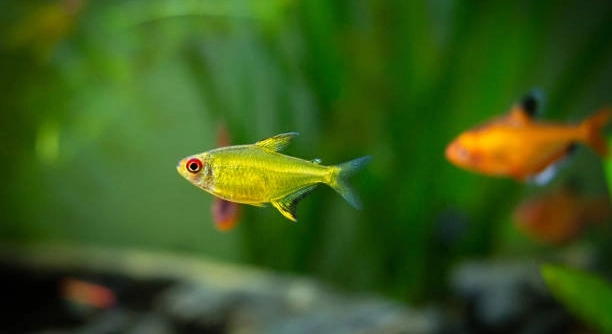
Lemon tetras are bright, cheerful fish that bring life to any aquarium. Many hobbyists enjoy keeping them, but their delicate nature means they can struggle with sudden changes in their environment. Temperature stability is especially important.
Lemon tetras are sensitive to abrupt temperature swings, which can stress their immune system, reduce activity, and increase susceptibility to disease. Consistent water temperature helps maintain their health, growth, and overall well-being in captivity.
Understanding how temperature affects your fish will help you create a safer, more comfortable environment. Maintaining proper conditions ensures they thrive and remain active in your aquarium.
Sudden Cold Drops
A sudden drop in water temperature can shock lemon tetras quickly. Even a few degrees can affect their metabolism and swimming patterns. When water cools too fast, fish may become lethargic, stop eating, or hide at the bottom of the tank. Over time, repeated exposure to cold swings weakens their immune system, making them more vulnerable to infections. It is important to monitor the aquarium heater regularly and avoid placing the tank near air conditioners or drafty windows. Introducing new water without matching the tank’s temperature can also cause stress, so always temper replacement water before adding it. Small, gradual changes in temperature are safer and help fish adjust naturally. Maintaining a stable environment encourages normal behavior and supports overall health. Regular observation allows early detection of any temperature-related stress, so you can act before issues become serious.
Consistent temperature prevents sudden metabolic stress, keeping lemon tetras active and reducing the risk of illness in your aquarium.
Maintaining a thermometer and checking it daily ensures the water stays within the ideal 75–80°F range. Using a reliable heater with built-in thermostat helps prevent fluctuations. If adding new water, match its temperature closely. Avoid placing the tank near drafty areas, windows, or vents. Observing your fish daily allows you to spot early signs of cold stress, such as sluggish swimming or clamped fins. Over time, small swings can weaken their immune system, leading to disease. A stable temperature keeps lemon tetras feeding well and swimming energetically. Preventing sudden cold drops is easier than treating stress-related illness, and it ensures your aquarium remains a safe, comfortable habitat. Proper care also supports breeding and long-term health for these delicate fish.
Sudden Heat Spikes
Excessively warm water can stress lemon tetras, affecting their respiration and energy levels.
High temperatures reduce oxygen levels, causing rapid gill movement and unusual swimming patterns. Fish may become restless or hide more often.
Water above 82°F can be dangerous, increasing the risk of infections. Heat spikes can happen due to faulty heaters, direct sunlight, or warm tap water. Overheated water accelerates metabolism, which can exhaust fish quickly, leading to reduced immunity. Consistently monitoring water temperature and using a fan or cooling system when necessary helps maintain a safe environment. Gradual temperature adjustments are essential when changing water or adding new fish. Observing behavior during warmer days ensures that stress signs are noticed early, allowing timely corrective action. Proper aeration can improve oxygen levels, helping fish tolerate minor temperature increases safely. Keeping the tank shaded and avoiding electronic equipment near the aquarium also prevents sudden warming. By controlling heat, lemon tetras remain active, feed normally, and stay healthy. Long-term stability supports growth and natural behavior, making your tank safer and more enjoyable.
Rapid Nighttime Drops
Lemon tetras are sensitive to temperature swings at night. Rapid cooling can stress them, causing lethargy and loss of appetite.
Nighttime temperature drops often occur when room temperatures fall significantly while heaters are off or insufficient. Fish may struggle to maintain normal body function. Maintaining a consistent nighttime temperature prevents stress. A small heater or insulated tank cover can reduce sudden changes. Gradual cooling, rather than abrupt drops, supports normal behavior and helps fish remain healthy. Observing their activity during evening hours allows early detection of stress. Even small swings repeated over nights can weaken immunity. Careful monitoring ensures lemon tetras stay active and eat properly. Nighttime stability supports overall growth and long-term well-being.
Adding a thermometer and checking it before sleeping can prevent surprises. Heaters with thermostats are especially helpful. Ensuring proper room insulation or using covers minimizes temperature swings. Slowly adding water with matching temperature avoids sudden drops. Regular observation of fish behavior at night indicates whether adjustments are needed. By controlling nighttime cooling, lemon tetras remain energetic, healthy, and ready for daily feeding routines. Proper nighttime temperature management reduces disease risk and supports a balanced, stable aquarium environment.
Heater Malfunctions
Heater malfunctions can create dangerous temperature swings in aquariums, directly affecting lemon tetras.
Faulty heaters may cause water to overheat or cool unexpectedly. This sudden change puts fish under extreme stress, weakening immune systems and disrupting normal activity. Frequent checks and maintenance of heaters ensure consistent operation and help prevent severe temperature fluctuations. Using a backup heater or thermometer alerts you to potential failures. Maintaining stable water conditions allows lemon tetras to thrive and reduces the risk of sudden illness.
Regular inspection of heaters is crucial for fish safety. Test heaters weekly and ensure thermostats function properly. Malfunctions can go unnoticed, leading to long-term stress. Combining heaters with reliable thermometers and checking readings daily provides an extra layer of security. Some aquarists install dual heaters for redundancy, reducing risk. Proper placement of heaters avoids uneven heat distribution, preventing localized hot or cold spots. By monitoring equipment closely and acting quickly, you protect fish from dangerous swings. This creates a safe environment, encouraging normal swimming, feeding, and long-term health for lemon tetras.
Direct Sunlight Exposure
Direct sunlight can quickly raise aquarium temperature, stressing lemon tetras and affecting their swimming.
Sunlight hitting the tank can create uneven heating, with some areas much warmer than others. Using blinds or repositioning the aquarium helps maintain stable water conditions.
Inconsistent Water Changes
Frequent water changes with water at different temperatures disrupt stability. Sudden differences can shock fish and reduce feeding activity. Consistently using water that matches the tank’s temperature prevents stress. Gradual water replacement ensures lemon tetras adjust naturally, maintaining health and normal behavior. Monitoring temperature before each change protects delicate fish from sudden swings.
Malfunctioning Thermometers
A faulty thermometer can give misleading readings, hiding dangerous temperature swings. Regular checks and calibration are essential to protect lemon tetras from unnoticed stress.
How can I tell if my lemon tetras are stressed from temperature swings?
Stress in lemon tetras is often visible through changes in behavior. They may become lethargic, hide more than usual, or stop eating. Rapid swimming or clamped fins can also indicate stress. Monitoring daily activity and observing feeding habits helps identify early signs of temperature-related issues.
What is the ideal temperature range for lemon tetras?
Lemon tetras thrive in water between 75 and 80°F (24–27°C). Maintaining this range ensures their metabolism stays stable, supports normal swimming patterns, and reduces vulnerability to disease. Consistent monitoring with a thermometer is essential to prevent harmful fluctuations.
How quickly can temperature swings harm lemon tetras?
Even small swings of a few degrees can affect lemon tetras if they happen suddenly. Rapid changes disrupt metabolic processes and stress the immune system. Frequent minor swings may cumulatively weaken the fish, making them more prone to illness.
Are sudden drops worse than sudden increases in temperature?
Both sudden drops and spikes are harmful, but drops often slow metabolism, causing lethargy and reduced feeding. Spikes increase activity but reduce oxygen levels, leading to exhaustion. Both require careful management to keep water stable and fish healthy.
What precautions can prevent temperature swings in my aquarium?
Use a reliable heater with a built-in thermostat to maintain consistent warmth. Position the tank away from drafts, windows, and heating vents. Gradually temper replacement water before adding it, and monitor changes with a thermometer. Regular checks prevent stress and ensure stability.
How can I safely acclimate lemon tetras to a new tank?
Introduce fish slowly using the drip or float method. Match water temperature between the bag and aquarium. Gradually add tank water over 30–60 minutes to prevent sudden shocks. This helps fish adjust without stress and reduces the risk of temperature-related illness.
What should I do if my heater fails?
If a heater fails, use a temporary heater or move the tank to a warmer room. Check water temperature with a reliable thermometer and restore normal conditions gradually. Prompt action prevents prolonged stress and supports fish survival.
Can temperature swings affect breeding?
Yes, unstable temperatures can interrupt breeding behavior, reduce fertility, and stress fry. Maintaining stable water conditions encourages natural spawning and healthy development of young fish. Temperature consistency is critical during the breeding period.
How often should I check water temperature?
Daily checks are recommended, especially if heaters or room conditions fluctuate. Regular monitoring ensures rapid detection of problems and prevents prolonged exposure to harmful temperatures. Using a visible thermometer makes daily checks quick and simple.
Are there any long-term effects of repeated temperature swings?
Repeated exposure weakens immune systems, slows growth, and can shorten lifespan. Fish may develop chronic stress, leading to frequent illness or abnormal behavior. Preventing temperature swings is essential for long-term health and a thriving aquarium environment.
Can lemon tetras recover from stress caused by temperature changes?
Yes, with proper care. Restore stable water conditions, ensure proper feeding, and minimize disturbances. Recovery can take days to weeks depending on severity. Monitoring behavior and maintaining a consistent environment improves health and prevents recurrence.
Is it necessary to use an aquarium chiller in warm climates?
In regions where room temperature regularly exceeds 82°F (28°C), a chiller helps maintain safe conditions. Combined with aeration, it prevents oxygen depletion and heat stress, keeping lemon tetras active and healthy in hot environments.
What tools help maintain stable water temperature?
Reliable heaters, thermometers, insulated tank covers, and occasionally chillers all help control temperature. Using multiple tools together provides redundancy, reduces the risk of sudden swings, and ensures a safe, stable environment for lemon tetras.
How do I prevent localized hot or cold spots in the tank?
Position heaters and filters to circulate water evenly. Avoid placing heaters in corners or areas blocked by decorations. Consistent circulation distributes heat and prevents zones that are too warm or too cold, reducing stress for fish.
What role does aeration play in temperature stress?
Aeration helps maintain oxygen levels, which can drop in warmer water. Properly aerated water reduces stress during minor heat spikes and supports normal respiration. It also promotes circulation, helping keep temperature more uniform throughout the tank.
How important is gradual water change temperature matching?
Matching the temperature of replacement water with the tank is crucial. Sudden differences can shock lemon tetras. Slowly adding tempered water allows them to adjust safely, maintaining normal activity and reducing stress.
Are there natural indicators fish give for temperature problems?
Yes, lemon tetras may hide, cluster near the surface, or show rapid gill movement. Monitoring these behaviors is a practical way to detect stress before long-term damage occurs. Adjusting temperature promptly addresses these signs.
How do room temperature changes affect aquariums?
Fluctuating room temperature can cause water to heat or cool quickly, especially at night or during seasonal changes. Using insulated covers or stable room placement minimizes these effects and keeps lemon tetras comfortable.
Can other aquarium inhabitants influence temperature stability?
Yes, equipment used for other fish or plants may affect circulation or heat distribution. Ensure heaters and filters are adequate for all inhabitants, and check for uneven heating caused by decorations or dense planting.
How can I educate myself on optimal lemon tetra care?
Consult aquarium care guides, reliable online resources, and community forums. Understanding species-specific needs, including temperature sensitivity, helps prevent stress and supports long-term health. Keeping records of water conditions and fish behavior is also useful for learning patterns and troubleshooting issues.
Final Thoughts
Maintaining stable temperature conditions for lemon tetras is one of the most important steps in keeping them healthy. These fish rely on consistent water warmth to support their metabolism, immune system, and daily behavior. When the temperature shifts too quickly or too often, they can show signs of stress such as hiding, reduced feeding, clamped fins, or unusual swimming patterns. By paying close attention to their environment and understanding how delicate they are in terms of thermal changes, you can prevent many problems before they start. A reliable heater, a clear thermometer, and steady room conditions work together to create a stable environment. Even small actions like checking the tank at the same time each day or avoiding placement near windows can make a meaningful difference for their overall comfort.
Creating a balanced habitat helps lemon tetras settle into predictable routines, which keeps them calmer and more active. Temperature swings can interrupt feeding patterns, weaken immunity, and slow growth, especially when these swings occur repeatedly. Being aware of the most common causes, such as direct sunlight, faulty heaters, or mismatched water during changes, allows you to react quickly and prevent long-term harm. Observation is a powerful tool. When you watch your fish daily, you learn their rhythm, and any shift in behavior becomes easier to notice. Even small temperature changes add up over time, but consistent care prevents these issues. The effort you put into managing their habitat supports a thriving and steady aquarium where fish feel secure, eat properly, and swim without signs of stress.
Providing stable conditions is not just about avoiding harm. It also allows lemon tetras to show their natural colors, interact with one another in calm ways, and engage in healthy activity throughout the day. A stable tank supports breeding efforts, growth, and long-term resilience. It also creates a more enjoyable experience for you because the fish respond positively to a regulated environment. Temperature consistency lays the foundation for all other aspects of their care, from feeding to behavior and overall vitality. When you prioritize the needs of your lemon tetras and keep their water temperature steady, you build a peaceful and predictable environment that benefits both the fish and the person caring for them. With a little attention each day and simple tools that help maintain balance, your lemon tetras will remain bright, active, and comfortable in their home.

Hello,
If you enjoy the content that we create, please consider saying a "Thank You!" by leaving a tip.
Every little bit helps us continue crafting quality advice that supports the health, happiness, and well-being of pets around the world, for pets of all shapes, sizes, and species.
We really appreciate the kindness and support that you show us!