
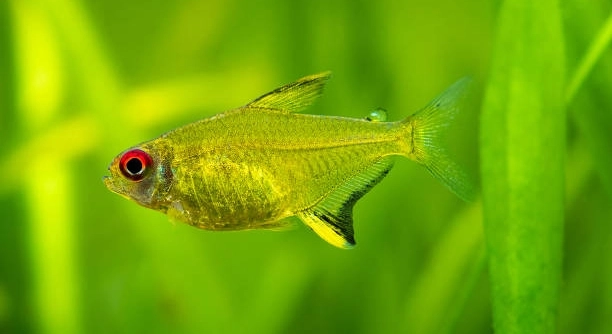
Many aquarists find themselves wondering why their lemon tetra behave differently around certain tankmates, creating moments of curiosity during routine aquarium care and shaping how they observe interactions within their peaceful community setup each day.
Lemon tetra often ignore specific tankmates due to compatibility factors, differing activity levels and subtle social hierarchies within the aquarium environment, leading them to focus on companions whose behavior aligns more closely with their own calm nature and schooling patterns.
These small behavioral choices reveal details about their social world, guiding you toward a clearer understanding of their community dynamics.
Understanding Social Behavior
Lemon tetra often display selective behavior that can seem confusing when you first notice how they interact with certain fish while avoiding others. Their choices usually come from small differences in movement, color intensity, and swimming style, which shape how safe or comfortable they feel. These fish rely heavily on group signals, so anything that disrupts their rhythm makes them focus more on their own kind. When another species moves too fast or behaves unpredictably, lemon tetra turn their attention inward, staying close to familiar patterns. This behavior is not aggressive, just a quiet way of keeping stability in a shared space. As you observe them, you may notice that their reactions become more consistent over time, showing how they adjust slowly while keeping their natural preferences intact. Their calm temperament makes these patterns easier to understand once you spend more time watching how they settle into their usual routines.
This selective behavior helps lemon tetra maintain a sense of order, allowing them to manage stress and remain steady in a mixed aquarium. Their focus on predictable movement keeps them grounded, giving them a peaceful rhythm that supports stable interactions without unnecessary tension among the different species in the tank.
Understanding these subtle choices can help you create a more comfortable setup that respects the natural behavior of lemon tetra. By watching how they respond to movement and spacing, you gain clearer insight into what makes them feel secure. Offering gentle lighting, steady filtration, and well arranged plants can reduce stress and support healthy interaction patterns. When the aquarium environment remains predictable and calm, lemon tetra show smoother social behavior, allowing them to thrive beside compatible tankmates. Their quiet preferences may seem minor, but they shape the balance in the tank and guide you toward better long term care overall.
Improving Tank Harmony
Some tank combinations work better than others because lemon tetra respond strongly to consistency. When tankmates behave calmly and move at a steady pace, the group feels more at ease, allowing interactions to remain balanced and predictable without putting unnecessary pressure on the schooling behavior they rely on each day.
Creating a more compatible aquarium starts with choosing species that match the calm nature of lemon tetra. Fish with moderate swimming patterns, gentle behavior, and non intrusive habits help maintain stability, giving the tetra space to follow their natural rhythm. Overly active or territorial species can disrupt this balance, leading the tetra to withdraw or focus only on their own school. To support peaceful interaction, begin by offering plenty of open swimming space and clusters of plants that provide security without restricting movement. Stable water parameters, soft lighting, and consistent feeding routines further reduce tension, helping every species settle into a predictable pattern. When selecting tankmates, consider fish known for even temperaments and steady movement, which complement the tetra rather than overwhelm them. As the environment becomes calmer, you will notice smoother schooling behavior and fewer signs of avoidance. These adjustments may seem simple, but they create meaningful changes that improve the quality of life for every fish in the tank. By focusing on compatibility and predictable behavior, you help lemon tetra build comfortable habits that encourage healthier interactions over time. These steady conditions make daily care easier and support long lasting stability across the entire aquarium community for all.
Recognizing Compatibility Signs
Compatibility becomes clearer when you observe how lemon tetra position themselves around other fish, react to movement, and adjust their spacing. Small shifts reveal comfort levels, helping you understand when the environment supports balanced interactions and when certain tankmates create subtle tension that influences how the tetra choose to behave.
Lemon tetra communicate their comfort through steady schooling patterns, relaxed fin movement, and smooth reactions to nearby species. When these signals remain consistent, it shows the environment supports their natural behavior. If they tighten their formation, retreat to shaded areas, or track only their own group, it often means another species is moving too quickly or disrupting their rhythm. Observing these reactions helps you understand which fish blend well with the tetra and which ones create pressure. By watching these details regularly, you can adjust the setup in ways that encourage calmer interactions and reduce unnecessary stress within the tank.
Some tankmates bring out smoother behavior in lemon tetra by matching their pace and avoiding sudden movement. Fish that remain calm allow the tetra to maintain open space, steady grouping, and predictable positions. When movement becomes chaotic, the tetra respond by withdrawing or narrowing their formation. Watching how they shift their spacing makes it easier to notice when certain species disrupt the balance. If a fish constantly zips across the tank or shows territorial habits, the tetra will likely ignore it and focus on their own school. Recognizing these patterns helps you refine compatibility and maintain harmony each day consistently.
Managing Activity Levels
Activity levels shape how lemon tetra respond to tankmates, especially when movement becomes too fast or unpredictable. When other fish stay calm, the tetra maintain their gentle rhythm and keep schooling steadily. Rapid bursts or constant chasing break this pattern and lead them to withdraw, creating subtle distance that protects their comfort. This response helps them maintain stability while reducing stress, allowing their schooling pattern to stay even when other species shift around the tank.
Balancing activity levels in a community aquarium requires close attention to how quickly different species move and how these movements influence lemon tetra behavior. When fast swimmers dominate the tank, the tetra may narrow their grouping, retreat to quieter sections, or ignore the active fish entirely. Slower and calmer species promote steadier patterns, giving the tetra more room to school comfortably. To encourage compatibility, consider selecting fish known for gentle pacing and consistent paths. Provide open swimming zones, stable lighting, and plenty of plants that create soft boundaries without crowding the space. These features strengthen the tetra’s confidence and allow them to maintain relaxed spacing. Adjusting filtration flow can also help because strong currents may push the tetra into tighter formations, keeping their behavior steady.
Creating Safe Zones
Safe zones give lemon tetra places to retreat when tankmates behave unpredictably. Plants, driftwood, and shaded corners help them reset their spacing and regain comfort. These calmer areas support steady movement and prevent the tetra from feeling pressured by faster or overly active fish nearby.
Adding soft boundaries helps the tetra manage stress without isolating themselves. Gentle cover allows them to observe other species from a comfortable distance. When they have reliable hiding spots, their schooling behavior stays smooth and their reactions remain steady, creating a balanced environment that supports healthier long term interactions.
Reducing Stress Triggers
Reducing stress begins with identifying what disrupts the natural rhythm of lemon tetra. Loud filtration, sharp lighting, and sudden movement from tankmates can push them into tighter formations. Calmer settings help them stay relaxed and maintain predictable spacing. Adjusting lighting to softer levels and reducing unnecessary disturbance supports their gentle temperament. Stable water conditions also play a major role. Even small fluctuations can influence how they react to other fish. A steady routine encourages balanced interactions and prevents the tetra from withdrawing or ignoring surrounding species. When the environment remains consistent, their behavior becomes smoother and easier to understand. These small adjustments help them settle comfortably without constant interruption.
Observing Daily Patterns
Daily patterns reveal how lemon tetra handle shared space and help you notice early signs of tension. Paying attention to their grouping, reactions, and movement makes it easier to understand when the environment supports calm interactions and when certain tankmates influence their behavior.
FAQ
Why do lemon tetra ignore certain tankmates?
Lemon tetra tend to ignore fish that behave differently from their natural schooling rhythm. Fast-moving or territorial species can disrupt their patterns, causing them to focus on their own group instead. This behavior is a way to maintain comfort and reduce stress in a shared space. Observing their schooling and spacing can help determine which species align with their calm nature.
Can water conditions affect how lemon tetra interact with other fish?
Yes. Lemon tetra are sensitive to changes in water parameters such as temperature, pH, and hardness. Even minor fluctuations can make them feel uneasy, prompting them to avoid other fish. Stable water conditions support predictable behavior, helping them maintain normal social interactions and smooth schooling patterns.
Does tank size influence their behavior?
A cramped tank can heighten stress and reduce their ability to interact comfortably. Lemon tetra need enough swimming space to form proper schooling groups. Adequate open areas and places to hide allow them to manage interactions without feeling threatened by other fish. Larger tanks with well-placed plants help maintain calm, predictable behavior.
How important is the number of tankmates?
Lemon tetra are schooling fish, so having at least six in a group helps them feel secure. Small groups can make them shy or overly cautious, causing them to ignore other species more often. Larger schools maintain confidence, allowing them to focus on social balance rather than constant vigilance.
Do aggressive species affect lemon tetra differently than passive ones?
Aggressive species trigger avoidance behavior in lemon tetra. They often retreat, tighten schooling formations, or ignore the aggressive fish entirely. Passive species that swim calmly and predictably are less likely to cause tension, helping tetra maintain smooth interactions and steady patterns throughout the day.
Can the layout of the tank change how they respond to others?
Yes. Plants, driftwood, and decorations provide cover and break lines of sight. These elements let lemon tetra observe other fish without constant pressure. Safe zones allow them to relax and return to schooling naturally, reducing avoidance behavior and promoting consistent interactions with compatible tankmates.
Will lighting and filtration influence their behavior?
Strong lighting or turbulent filtration can stress lemon tetra. Bright lights may make them feel exposed, while strong currents can push them into tighter formations. Softer lighting and gentle water flow create a calmer environment, helping them maintain natural movement and interact comfortably with other species.
Do lemon tetra ever change their behavior as they age?
Yes. Younger tetra may be more cautious and avoid other species frequently, while older, experienced tetra often display more consistent schooling and selective interaction. Age and familiarity with the tank influence how they respond to movement and the behavior of other fish.
Are there signs that a tetra is stressed or uncomfortable?
Signs include hiding excessively, narrowing their school, or ignoring both tankmates and surroundings. Over time, stressed tetra may lose color or appetite. Observing these behaviors early allows you to adjust tank conditions, water parameters, or tankmate selection to restore calm and improve interactions.
How can I encourage better interaction between lemon tetra and other species?
Choose tankmates with calm, predictable behavior and moderate swimming patterns. Provide sufficient swimming space, safe zones, and stable water conditions. Minimizing sudden disturbances and maintaining consistent routines helps the tetra feel secure, encouraging smoother schooling and better engagement with compatible species without forcing interaction.
Can diet impact how they socialize?
A consistent, nutritious diet keeps lemon tetra healthy and more confident in their social behavior. Well-fed tetra are less likely to display stress-related avoidance. Providing high-quality flakes, small live or frozen foods, and occasional supplements helps maintain energy levels, supporting steady schooling and interaction with other peaceful tankmates.
Is it normal for some tetra to ignore certain individuals while interacting with others?
Yes. Even within a school, tetra may show preference for certain individuals whose swimming style and behavior match their own. This selective attention is natural and helps maintain order within the group, ensuring calmer schooling and reducing stress in mixed-species tanks.
How long does it take for lemon tetra to adjust to new tankmates?
Adjustment varies depending on the temperament of both tetra and new tankmates. Usually, a few days to a week allows them to establish comfort and understand movement patterns. Providing gentle, predictable conditions helps them integrate smoothly without conflict or unnecessary avoidance.
Do seasonal or environmental changes affect their social behavior?
Yes. Sudden temperature swings, changes in daylight duration, or disturbances in water chemistry can make tetra more cautious or withdrawn. Maintaining consistent conditions reduces stress and helps them interact predictably with other species, keeping their schooling stable regardless of minor environmental shifts.
Can overcrowding cause them to ignore tankmates?
Overcrowding increases stress and limits swimming space, causing tetra to focus on their own school for safety. Adequate space, along with proper filtration and tank layout, prevents avoidance behavior and promotes smoother interaction with compatible species, helping tetra maintain natural social patterns without disruption.
Final Thoughts
Lemon tetra are gentle, social fish that thrive in calm, predictable environments. Their tendency to ignore certain tankmates is a natural behavior rather than a sign of illness or aggression. These small fish rely heavily on schooling patterns to feel secure, and anything that disrupts their rhythm, such as fast-moving or territorial species, will lead them to focus inward on their own group. Understanding this behavior requires patience and observation, as subtle changes in movement, spacing, and positioning often signal how comfortable they feel. By paying attention to these small details, you can adjust the tank environment and tankmate selection to support healthier interactions and minimize unnecessary stress, creating a more balanced and peaceful community tank for everyone.
Maintaining stable water conditions is crucial for the well-being of lemon tetra. Fluctuations in temperature, pH, or hardness can affect their comfort, causing them to become more cautious or withdraw from other species. Providing adequate swimming space, gentle filtration, and well-placed plants helps them feel safe and encourages natural schooling behavior. Safe zones give the tetra a place to retreat when they feel uneasy, allowing them to observe other fish without direct interaction. Lighting should also be soft and consistent, reducing stress and preventing sudden shifts that could disrupt their calm routine. When these environmental factors are carefully managed, lemon tetra are more likely to interact steadily with compatible tankmates, leading to a smoother, more predictable dynamic within the aquarium.
Choosing compatible species is equally important. Lemon tetra respond best to fish with moderate activity, calm behavior, and predictable movement. Overly active or aggressive species can cause the tetra to tighten their schools, withdraw, or ignore their tankmates entirely. By selecting fish that complement the tetra’s natural rhythm, you can foster a stable, peaceful environment where every species coexists comfortably. Monitoring daily behavior helps identify stress signs early, allowing adjustments before problems escalate. Feeding a consistent, nutritious diet also supports energy levels and reduces stress, encouraging more relaxed and balanced interactions. With thoughtful planning, observation, and steady care, lemon tetra can thrive in a harmonious community, displaying their natural schooling behavior while interacting comfortably with compatible companions.

Hello,
If you enjoy the content that we create, please consider saying a "Thank You!" by leaving a tip.
Every little bit helps us continue crafting quality advice that supports the health, happiness, and well-being of pets around the world, for pets of all shapes, sizes, and species.
We really appreciate the kindness and support that you show us!