
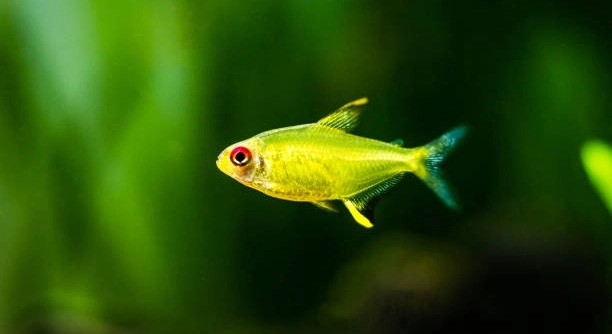
Lemon tetras are small, lively fish that brighten any aquarium. Watching them swim in schools is calming, and their behavior often raises questions about how they interact with their environment. Feeding routines can reveal surprising patterns in their daily lives.
Research indicates that lemon tetras are capable of remembering feeding locations. These fish can associate specific areas of the tank with food availability, demonstrating spatial memory that aids in efficient foraging and contributes to their overall survival and well-being.
Observing how lemon tetras respond to repeated feeding spots can provide insight into their natural behaviors and cognitive abilities within a home aquarium. This knowledge helps create a more engaging and supportive environment for them.
How Lemon Tetras Learn Feeding Spots
Lemon tetras use simple cues to remember where food appears. They rely on visual markers, such as decorations or plants, to identify familiar areas. Over time, they associate certain corners of the tank with feeding events, which reduces stress and improves their foraging efficiency. This memory helps them move quickly to those spots when food is present. The fish gradually form a routine, often returning to the same location at predictable times. Observing them during feeding can show patterns in how they swim and interact with tankmates. They may linger near the feeding area before food is added, demonstrating anticipation. This behavior suggests that lemon tetras are not only reacting instinctively but also applying learned knowledge from previous experiences. Using consistent feeding locations can encourage healthy activity and reduce aggression over food. It also allows aquarists to monitor their health, as changes in behavior may indicate stress or illness.
Fish can remember specific locations better if the environment stays consistent. This consistency supports stable learning.
Feeding behavior is more than instinct for lemon tetras. By observing how they approach familiar areas, it becomes clear that their memory plays a key role in daily routines. They recognize certain visual landmarks and associate them with food delivery. This spatial memory allows them to minimize wasted energy and navigate the tank efficiently. Over repeated feeding sessions, their response becomes faster and more precise. Providing predictable feeding spots supports natural behavior, reduces stress, and encourages a sense of security. Understanding these patterns can help aquarists create an environment that caters to their cognitive abilities. Lemon tetras can also adjust when minor changes occur, but they thrive best when key features remain stable. Careful observation reveals subtle signs of learning and adaptation, demonstrating their capacity to remember and respond to their environment.
Tips for Encouraging Memory in Lemon Tetras
Consistency in feeding locations improves their memory and reduces confusion during meals.
Providing stable landmarks and repeating feeding routines reinforces spatial awareness. Use plants, rocks, or decorations to guide them. Avoid frequent rearrangements, as sudden changes can disrupt their memory and make them hesitant to approach food. Small rewards in the same areas help reinforce learned behaviors, allowing the tetras to confidently locate feeding spots. Over time, this practice strengthens their ability to anticipate and react to food placement naturally, supporting a calmer and more predictable tank environment.
Observing lemon tetras during feeding sessions gives insight into how they remember and interact with their space. They often return to familiar spots before food is added, showing anticipation. Using visual cues consistently allows them to form reliable patterns, improving their feeding efficiency. By spacing food delivery evenly and keeping the environment stable, aquarists can support their learning and memory. Over weeks, these fish demonstrate clear recognition of favored areas and show reduced stress when locating meals. Adjusting feeding schedules slightly can test their memory while maintaining comfort. Encouraging this natural learning process makes tank management easier and allows tetras to display their full behavioral potential.
Observing Feeding Behavior
Lemon tetras often swim near familiar feeding spots before food is added. They recognize patterns and can anticipate meals, showing clear memory of previous feeding routines. Watching them helps understand how consistent locations improve their behavior and reduce stress during feeding times.
Repeated observation reveals that lemon tetras rely heavily on visual cues and consistent timing to locate food. They quickly learn which areas of the tank are associated with feeding, returning to these spots even when food is not immediately present. Their memory allows them to move efficiently, conserving energy while avoiding unnecessary exploration. This behavior demonstrates a level of learning and adaptation often overlooked in small aquarium fish. Consistent feeding schedules strengthen these patterns and support their natural instincts.
Feeding behavior also shows how lemon tetras interact with tankmates. They often establish temporary hierarchies around favored feeding areas, subtly signaling which spots are preferred. Over time, they adjust swimming patterns to reduce conflicts, demonstrating memory not just of location but of social interactions. This balance allows multiple fish to thrive without competition leading to stress. Observing these behaviors over several weeks can reveal both individual preferences and collective patterns in how tetras navigate their environment during feeding.
Environmental Factors Impacting Memory
Lighting, tank layout, and decorations all influence how lemon tetras remember feeding locations. Consistency helps them recognize familiar spots, while changes can cause hesitation or confusion.
Stable environments make it easier for lemon tetras to form strong spatial memories. Visual landmarks such as plants, rocks, or unique decorations act as reference points, helping them associate specific areas with food delivery. Sudden alterations, like moving decorations or changing the tank layout, can disrupt these established patterns, causing the fish to explore more before finding food. Temperature and water quality also play roles; stress from suboptimal conditions can impair learning and memory, making consistent care essential. By maintaining predictable environmental cues, aquarists can support the cognitive abilities of lemon tetras and encourage calm, efficient feeding behavior.
Signs of Strong Memory
Lemon tetras often return to familiar feeding spots quickly, showing recognition of past food locations. They may hover near these areas before food appears, indicating anticipation and learned behavior.
Consistency in their swimming patterns also reflects memory. They remember the safest paths to reach food, avoiding obstacles and tankmates, which shows spatial awareness and cognitive ability.
Training Feeding Habits
Regular feeding times and consistent locations help lemon tetras develop predictable habits. They quickly learn where and when food is added, improving their response and reducing stress. Over weeks, this routine strengthens memory and allows fish to navigate efficiently, reinforcing natural behaviors while making care easier for aquarists.
Social Interaction and Memory
Lemon tetras often watch tankmates to locate food. Observing peers helps them remember feeding spots and improves overall foraging efficiency in a group.
FAQ
Can lemon tetras really remember where food is placed?
Yes, lemon tetras can remember feeding locations. They use visual cues like plants, rocks, or tank decorations to identify spots where food is consistently offered. Over time, they associate these areas with meals and can anticipate feeding times, demonstrating a clear spatial memory.
How long does it take for them to learn feeding locations?
Learning speed varies, but many lemon tetras begin recognizing familiar feeding areas within a few days to a week of consistent feeding routines. Repetition is key, and keeping feeding times and locations consistent helps them form stronger memories faster.
Do all lemon tetras in the tank learn at the same rate?
Not necessarily. Some fish are more observant or bolder than others, so learning speeds differ among individuals. Younger fish may take longer to adjust, while dominant or more active tetras often lead the group in discovering and remembering food spots.
Can changing tank decorations affect their memory?
Yes, sudden changes in tank layout can confuse lemon tetras. Moving plants, rocks, or hiding spots may temporarily disrupt their ability to locate food. Gradual adjustments allow them to adapt more easily without stress, preserving their learned feeding behavior.
Does tank size affect their ability to remember feeding locations?
Larger tanks may require more exploration and increase the time needed for tetras to recognize feeding areas. However, even in spacious tanks, consistent visual landmarks and repeated feeding patterns support memory formation and efficient navigation.
How does group behavior influence memory?
Lemon tetras observe one another during feeding. Fish that notice peers going to specific locations quickly learn the same spots. Group feeding encourages faster learning as individuals mimic successful behaviors and reduce wasted energy searching for food.
Can stress impact their ability to remember feeding spots?
Yes, stress negatively affects memory. Poor water quality, aggressive tankmates, or sudden environmental changes can reduce their ability to recognize familiar areas. Maintaining stable conditions and a calm environment supports both cognitive function and overall health.
Is there a way to encourage better memory in lemon tetras?
Consistency is the most effective method. Feed at the same time and location daily, maintain stable decorations, and provide visual landmarks. Gentle observation during feeding can reinforce learning, allowing tetras to confidently navigate to their food without unnecessary hesitation.
Do lemon tetras forget feeding locations if not used?
If feeding routines are irregular or locations are changed frequently, tetras may forget previously learned spots. Memory is reinforced through repetition, so irregular patterns weaken their association and reduce efficiency in locating food.
Can remembering feeding spots affect other behaviors?
Yes, memory of food locations influences swimming patterns, social interactions, and territorial behavior. Fish may establish preferred paths to feeding areas, subtly signaling to tankmates. This learned behavior supports natural instincts, reduces stress, and creates a more balanced aquarium environment.
Are visual cues more important than scent cues for lemon tetras?
Visual cues play a larger role for lemon tetras. They rely on landmarks to remember where food is located. While scent may help, their memory of shapes, colors, and placement is more consistent and crucial for recognizing familiar feeding spots.
How do lemon tetras show they remember a feeding location?
They often hover or linger near a familiar spot before food is added. Quick, direct swimming to the expected location and reduced exploratory behavior are clear indicators that they have learned and remembered the feeding area.
Can they adapt if the feeding spot changes occasionally?
Yes, lemon tetras can adapt, but frequent changes make learning slower. Gradual adjustments allow them to re-learn locations without stress, while maintaining some consistency ensures their memory remains reliable and feeding efficiency stays high.
Does age affect their memory?
Older lemon tetras tend to have more established routines and can remember feeding locations reliably. Younger fish may need more repetition and observation to develop the same level of spatial awareness, though they typically catch on with consistent feeding practices.
Can memory improve overall tank harmony?
Yes, when lemon tetras remember feeding spots, they compete less and interact more calmly with tankmates. Predictable patterns reduce stress and create smoother group dynamics, allowing all fish to feed efficiently without unnecessary conflict.
Is there any risk of over-reliance on memory?
Relying solely on memory for food location is not risky if the tank environment remains stable. However, sudden changes or poor conditions can cause confusion or stress. Maintaining consistency ensures memory supports healthy behavior rather than causing frustration.
Do lemon tetras show anticipation when remembering feeding spots?
Yes, they often gather near familiar areas before food is added, demonstrating anticipation. This behavior shows they recognize timing and location patterns, combining both memory and learned routines to prepare for feeding efficiently.
Can feeding in multiple spots affect their memory?
Feeding in too many locations can dilute memory formation. Lemon tetras perform best with one or two consistent spots, which strengthens recognition, reduces stress, and encourages efficient foraging behavior without confusion.
How does memory impact their natural behavior in the tank?
Memory allows lemon tetras to navigate efficiently, reduce wasted energy, and interact socially in predictable ways. Recognizing feeding locations supports their instinctive schooling behavior, helps avoid conflict, and contributes to overall well-being within the aquarium environment.
Do tank decorations need to be permanent for memory to form?
Decorations do not need to be permanent, but stability over weeks strengthens memory. Frequent rearrangement can confuse fish, while semi-permanent landmarks support recognition and reduce hesitation when locating food consistently.
Lemon tetras are small, active fish that bring life to any aquarium. Observing them over time shows how much they rely on memory to navigate their environment. Their ability to remember feeding spots is a clear example of how these fish interact with their surroundings in a thoughtful way. Consistent feeding locations, visual landmarks, and a stable environment all help them form habits that make daily feeding more predictable. This behavior is not just instinctive; it demonstrates that even small fish can learn and adapt to their tank environment. Over time, a well-maintained tank with consistent routines allows lemon tetras to show their natural behaviors fully, from swimming in schools to returning to familiar spots during feeding.
Memory in lemon tetras also impacts how they interact with one another. Fish that remember where food is delivered often develop routines that reduce conflict and make group dynamics calmer. When feeding spots are consistent, multiple fish can approach the area without competition or confusion. Their spatial awareness extends beyond just locating food. They learn the safest paths around the tank, recognize hiding spots, and remember areas where they feel comfortable. This awareness shows that feeding behavior and memory are closely linked to overall well-being. Providing a stable environment and consistent routines not only supports memory but also reduces stress and encourages healthier activity in the tank. Observing these patterns can give insight into how cognitive skills work in fish and how simple care practices can enhance their quality of life.
Supporting memory in lemon tetras is a straightforward process for aquarists. Keeping feeding times regular, using visual cues like plants or rocks, and minimizing sudden changes to the tank layout helps reinforce learned behavior. Over time, fish respond quickly to feeding routines, showing anticipation and confidence in moving to familiar areas. Their memory allows them to conserve energy, interact calmly with tankmates, and maintain a balanced environment. Even small adjustments, like gradually introducing new decorations or changing the location of a few plants, can be incorporated without disrupting established memory if done slowly. Overall, understanding that lemon tetras can remember feeding locations highlights the importance of consistent care, observation, and attention to their environment. Providing these supports ensures that they thrive, remain active, and display natural behaviors, making the aquarium a more engaging and healthy space for both fish and aquarists alike.

Hello,
If you enjoy the content that we create, please consider saying a "Thank You!" by leaving a tip.
Every little bit helps us continue crafting quality advice that supports the health, happiness, and well-being of pets around the world, for pets of all shapes, sizes, and species.
We really appreciate the kindness and support that you show us!