
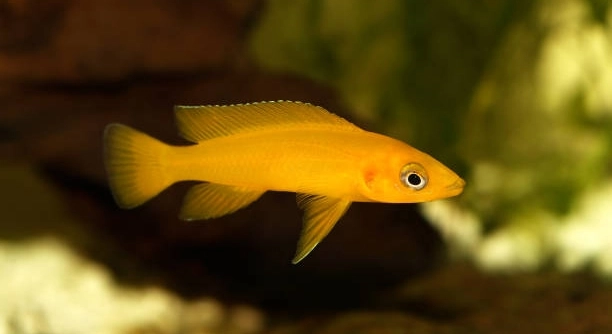
Do you ever notice your lemon tetras swimming in slightly different ways or reacting uniquely to their surroundings? These small fish seem simple, but many owners find themselves observing subtle differences in behavior. Their little quirks can be surprising.
Lemon tetras can display distinct personalities, with variations in activity, social interaction, and response to stimuli. Individual differences are influenced by genetics, environment, and social dynamics within the tank, highlighting the complexity of their behavioral patterns.
Observing these small differences can change how you care for your fish and deepen your appreciation for their behaviors. Each lemon tetra may show its own unique way of interacting with the tank.
Recognizing Individual Traits in Lemon Tetras
When I first watched my lemon tetras, I noticed some swam confidently near the front of the tank while others stayed back, seeming more cautious. Some would dart quickly at food, while others lingered, taking their time. Over weeks, these small differences became easier to spot. Personality traits can appear in how active a fish is, how it reacts to other tank mates, or even the ways it explores decorations and plants. Some tetras seemed curious about every corner, while others preferred familiar spaces. These behaviors may change slightly depending on water temperature, tank size, or the presence of new fish, but the core tendencies remain. Observing them closely allows you to anticipate how each fish may behave during feeding or changes in the tank. Taking note of these differences makes caring for a group of tetras more interesting and engaging.
Individual traits can emerge quickly, even in young lemon tetras, showing clear differences in behavior among tank members.
Recognizing these behaviors helps ensure a healthier environment. By understanding which fish are shy, aggressive, or social, you can adjust tank setups, provide hiding spaces, or alter feeding routines to suit individual needs. Over time, this attention improves overall tank harmony, reducing stress and enhancing each tetra’s well-being.
Factors Influencing Behavior
Water quality plays a major role in shaping how lemon tetras behave. Poor conditions can make normally active fish sluggish or withdrawn, masking natural personality traits.
Temperature, light levels, and tank size all contribute to behavioral differences. Lemon tetras are sensitive to changes in their environment, and even small fluctuations can alter swimming patterns, social interactions, and feeding habits. Genetics also influence temperament; some individuals are naturally bolder or more reserved. Social dynamics are important, too. Fish in groups develop hierarchies, and certain personalities emerge as leaders or followers. Observing these patterns over time provides insight into each fish’s preferences and tendencies. Proper care, consistent water conditions, and attentive observation allow these personalities to flourish, giving each tetra the chance to express its unique behaviors. Understanding these factors enhances the quality of life for the fish and makes the aquarium experience more enjoyable.
Social Interactions Among Lemon Tetras
Lemon tetras show clear social preferences, often swimming close to certain tank mates while avoiding others. Some fish take on leadership roles, guiding movement, while others are more passive and stay on the outskirts of the group.
These fish develop social hierarchies quickly. In my tank, I noticed one tetra consistently leading during feeding, while another kept to the back, rarely approaching. Some fish seemed to pair up, moving together through plants, while others remained solitary. Social roles are influenced by size, confidence, and individual temperament. Observing these patterns can help you understand which tetras are dominant, shy, or cooperative. Adjusting tank layout, adding plants, or providing hiding spots can support more timid fish, reducing stress and preventing conflicts. Over time, these interactions create a dynamic balance, allowing each fish to thrive in its own way.
Social dynamics also affect how lemon tetras respond to new additions. Introducing a new fish can temporarily disrupt established patterns. Some fish may become territorial or defensive, while others remain unaffected. Recognizing these tendencies helps maintain harmony and supports the natural expression of personality traits within the group.
Feeding Behavior and Personality
Feeding reveals clear personality differences. Some lemon tetras dart forward eagerly, while others wait or nibble cautiously from the edges of the tank.
In my experience, these differences are consistent. Bold fish dominate the front during mealtimes, securing more food quickly, while shy individuals stay back, feeding slowly or waiting for space to open. These behaviors are linked to temperament, confidence, and previous experiences. Feeding routines also show adaptability; tetras may change their approach if the tank layout shifts or if other fish display more dominant behavior. Watching closely allows you to recognize which fish need extra attention, such as slower feeders or those hesitant to compete. Adjusting feeding techniques, like spreading food or using multiple spots, ensures all fish receive proper nutrition and reduces stress. This approach encourages healthy growth and maintains the natural expression of personality traits.
Environmental Influence on Behavior
Tank setup strongly affects how lemon tetras behave. Open spaces encourage swimming and exploration, while dense plants provide hiding spots for more cautious fish.
Lighting and water flow also shape activity levels. Brighter lights may make some tetras more alert, whereas gentle currents promote natural schooling and reduce stress.
Personality Changes Over Time
Lemon tetras’ personalities can shift as they age. Younger fish are often more timid, gradually becoming bolder as they grow comfortable with their surroundings. Stress, tank changes, or new companions can temporarily alter behavior, but long-term patterns usually emerge. Observing these changes helps adjust care to support their well-being.
Observing Subtle Signals
Tail flicks, small pauses, or unique swimming loops often indicate mood or alertness. Noticing these tiny behaviors gives insight into individual temperament.
FAQ
Can lemon tetras really have unique personalities?
Yes, lemon tetras can show distinct personality traits. Some fish are naturally more active, while others are shy or cautious. Over time, these differences become clearer, influencing how they interact with tank mates, explore the environment, and respond to feeding.
How can I tell if my tetra is shy or bold?
Shy tetras often stay near plants or decorations, avoiding the front of the tank. Bold fish swim confidently in open areas, approach food quickly, and sometimes lead movement within the group. Observing their behavior consistently over days or weeks gives a reliable picture.
Do personality differences affect feeding habits?
Absolutely. Bold tetras tend to rush to food and eat first, while shy or passive fish may wait or nibble cautiously. Feeding in multiple locations or spreading food helps ensure all fish get proper nutrition without stress or competition.
Can personalities change over time?
Yes, personalities can shift slightly with age, environmental changes, or social dynamics. Young fish may start timid and gradually become bolder. Stressful conditions, new tank mates, or changes in lighting and water flow can temporarily alter behavior, but core tendencies usually remain.
Do genetics play a role in behavior?
Genetics influence natural temperament. Some tetras are predisposed to be more active or cautious. However, environment, social interactions, and tank setup also shape behavior, making each fish a combination of inherited traits and learned responses.
How do social dynamics influence personalities?
Lemon tetras form loose hierarchies in groups. Dominant fish may take the lead during swimming or feeding, while others follow or remain on the sidelines. Pairing, group size, and individual confidence all affect how personalities are expressed within the tank.
Can stress affect a tetra’s personality?
Stress can temporarily change behavior. Fish may hide more, swim less, or avoid food if conditions are poor, such as unstable water parameters, overcrowding, or aggressive tank mates. Improving the environment often restores their usual personality traits.
Is it possible to encourage a shy tetra to be more active?
Yes, but it requires patience. Providing hiding spaces, gentle water flow, and gradual exposure to new areas or tank mates helps build confidence. Avoid sudden changes, and let the fish adjust at its own pace. Over time, shy fish often become more interactive.
Do personalities affect schooling behavior?
Yes, individual traits influence group movement. Bold fish may lead during swimming, while cautious fish follow or lag behind. A balanced group with a mix of personalities often results in more natural schooling patterns, with each fish finding its comfort zone in the group.
How important is observation in understanding tetra personalities?
Observation is crucial. Watching daily behavior, feeding habits, and social interactions allows you to identify each fish’s tendencies. Noting small differences helps you adjust tank conditions and care routines, ensuring a healthy, low-stress environment that supports natural behaviors.
Can two tetras have completely opposite personalities?
Yes, it’s common. In my experience, one tetra may dominate and explore openly, while another prefers hiding and cautious movement. These differences create a dynamic aquarium environment, making it easier to understand and cater to each fish’s needs individually.
Are personality traits consistent across different tanks?
Traits are mostly consistent but can be influenced by tank size, companions, and environment. A fish confident in one tank may be more reserved in another due to new surroundings or different social dynamics. Observing behavior in context helps assess true personality.
Does water quality impact behavior significantly?
Yes. Poor water quality can make even normally active fish lethargic or withdrawn. Stable, clean water conditions encourage natural behavior and allow personalities to emerge more clearly. Regular monitoring and maintenance are essential for consistent expression of traits.
Can personality differences affect breeding behavior?
Yes. Bold or dominant tetras may be more likely to court or stake out spawning areas, while shy fish may avoid interaction. Providing proper tank conditions, hiding spots, and compatible companions ensures all fish have opportunities to express natural reproductive behaviors.
How long does it take to notice personality differences?
Differences can appear within days but are usually more noticeable over weeks. Consistent observation during feeding, swimming, and social interaction allows subtle traits to become apparent, revealing the individual character of each fish.
Do personality differences affect overall tank harmony?
Yes. Understanding personalities helps prevent stress and conflict. By observing dominant or shy fish and adjusting tank setup, feeding routines, and social grouping, you can maintain a peaceful, balanced environment where each tetra thrives.
Can personality traits be passed to offspring?
Some traits are influenced by genetics, so offspring may inherit tendencies like boldness or caution. However, environment, social interactions, and early experiences also play a major role in shaping behavior, making each fish unique despite inherited traits.
How do I document or track personalities?
Keeping a simple log of behaviors during feeding, exploration, and social interaction helps. Note patterns like which fish leads, which hides, and how they respond to changes. Over time, this record clarifies individual personalities and guides care decisions.
Are personality differences more noticeable in larger groups?
Yes, larger groups make it easier to see contrasts in behavior. With more fish, dominant, shy, and social roles become clearer. In small groups, differences still exist but may be less obvious due to limited interaction and fewer comparative behaviors.
Can I influence a fish’s personality intentionally?
You can encourage confidence or reduce stress, but core traits remain. Adjusting tank layout, providing hiding spots, consistent feeding, and gentle introduction of new companions helps fish express natural behaviors safely, allowing personalities to shine without forcing change.
Does personality affect activity levels at night?
Yes. Some tetras are more active and explore after lights dim, while others rest or hide. Observing nighttime behavior can reveal traits not visible during the day, providing a fuller understanding of each fish’s temperament and comfort level.
Is it normal for a tetra to behave differently with different tank mates?
Yes. A fish may be bold with some companions and shy with others. Compatibility, size, and confidence levels influence interactions. Watching these dynamics helps adjust groupings and tank setup to support natural behavior for all fish.
How do I know if a personality trait is a problem?
Most differences are natural, but excessive aggression, extreme shyness, or persistent hiding may indicate stress, illness, or poor conditions. Monitoring water quality, tank setup, and social dynamics helps identify and address issues before they affect well-being.
Can environmental enrichment enhance personality expression?
Yes. Adding plants, rocks, and decorations encourages exploration and natural behaviors. Hiding spots help shy fish gain confidence, while open spaces allow bold fish to lead. Enrichment supports healthy social interaction and allows each tetra to display its personality fully.
Do personalities affect how fish interact with humans?
Some lemon tetras approach the front of the tank during feeding or show curiosity, while others remain distant. These responses reflect individual temperament and confidence, giving insight into how each fish perceives its environment and human interaction.
Are personality differences permanent?
Core tendencies tend to be stable, though temporary changes can occur due to stress, environmental changes, or health issues. With proper care, individual traits remain consistent, allowing you to understand and anticipate each fish’s behavior reliably.
How much space do bold versus shy tetras need?
Both types benefit from enough swimming space, but shy fish need hiding spots to feel secure. Bold fish use open areas to explore. A well-planned tank balances these needs, reducing stress and allowing each fish to behave naturally.
Can observation improve care?
Yes. Paying attention to behavior, social interactions, and feeding habits helps identify needs, prevent stress, and ensure proper nutrition. Observation is key to supporting each tetra’s health and allowing their personalities to flourish naturally.
How do I handle conflicts caused by personality differences?
Minor conflicts are normal. Providing plants, decorations, and multiple feeding spots reduces competition. Monitoring interactions ensures dominant or aggressive behaviors do not harm shy fish, maintaining a balanced and peaceful environment for all.
Are personality traits noticeable in all types of tetras?
Yes, while lemon tetras are a clear example, most tetra species show individual differences. Bold, shy, social, and passive tendencies can be observed, with behaviors influenced by genetics, environment, and social dynamics.
How can I encourage social interaction without stress?
Provide plenty of space and hiding spots. Introduce new fish slowly, and observe group dynamics. Avoid overcrowding and sudden changes. This approach allows each tetra to interact naturally while feeling secure, supporting healthy personalities.
Can personalities affect overall health?
Yes. Fish that are stressed, timid, or unable to access food may develop health issues. Recognizing personalities and adjusting care ensures all tetras stay healthy, active, and able to express natural behaviors.
Is tracking behavior over time necessary?
Tracking helps identify trends, monitor health, and understand social roles. Consistent observation allows better care, reduces stress, and ensures each fish’s personality is respected and supported within the tank.
Do personalities influence stress levels in groups?
Yes. Aggressive or dominant fish can stress shy or passive tank mates. Recognizing these dynamics and providing hiding spaces, sufficient food, and proper tank layout reduces stress and promotes harmony.
Can enrichment stimulate shy tetras?
Yes. Plants, decorations, and hiding spots encourage exploration. Shy tetras gain confidence at their own pace, gradually expressing more active or social behaviors without pressure.
Does tank size affect personality expression?
Larger tanks allow more natural behavior, giving shy fish space to hide and bold fish room to explore. Limited space can suppress natural tendencies, increasing stress or aggression. Proper tank size is essential for personality expression.
Are personality differences permanent or situational?
Core traits are generally permanent, but situational factors like stress, social changes, or environmental shifts can temporarily alter behavior. Observing patterns over time clarifies which traits are stable and which are temporary adaptations.
How do I support both bold and shy tetras in the same tank?
Provide hiding spaces for shy fish, open swimming areas for bold fish, and multiple feeding spots. Observing interactions and adjusting layout ensures all fish feel safe and can express their natural behavior.
Can I use behavior to predict health issues?
Yes. Sudden changes, such as increased hiding, lethargy, or loss of appetite, can indicate illness or stress. Tracking normal behavior helps detect problems early and allows prompt action to maintain health.
How important is consistency in tank care?
Consistency in feeding, water quality, and environment supports stable behavior and allows personality traits to shine. Inconsistent care can stress fish and temporarily mask their natural tendencies.
Do tetras remember past experiences?
They can show learned responses. Fish may avoid areas where they previously experienced stress or aggression, demonstrating memory and influencing how personality traits are expressed in the tank.
Are personality differences more obvious with certain types of decorations?
Yes. Dense plants encourage cautious fish to hide, while open areas allow bold fish to explore. Providing variety lets all personalities emerge naturally and supports balanced social interaction.
Can personality differences predict compatibility with other fish?
Observing tendencies helps assess compatibility. Bold tetras may overwhelm timid species, while shy fish may be stressed by aggressive companions. Matching personalities carefully promotes harmony and reduces conflicts.
Do lemon tetras show personality differences in both small and large tanks?
Yes, but large tanks make differences more noticeable due to space for varied behaviors. Small tanks may limit natural expression, causing shy fish to hide more and bold fish to dominate more.
Can personalities influence breeding success?
Yes. Bold or dominant fish are more likely to court and spawn, while shy individuals may avoid interaction. Proper tank setup, hiding spots, and compatible mates help support natural breeding behavior for all personalities.
Are personality traits useful for selecting new tetras?
Yes. Choosing fish with compatible temperaments helps maintain group harmony and ensures a balanced social environment where each tetra can express natural behavior.
Do personalities affect how tetras react to changes in the tank?
Yes. Bold fish may explore new decorations or areas immediately, while shy fish take time to adjust. Recognizing these differences helps minimize stress during changes.
Can observing personalities improve overall care routines?
Yes. Understanding behavior, social roles, and feeding tendencies allows tailored care, reduces stress, and ensures all fish thrive while expressing their individual personalities.
Are personality differences noticeable in feeding, swimming, and resting?
Yes. Bold fish are active during all routines, while shy fish may be cautious, hide, or move slowly. Observing these behaviors reveals a full picture of each fish’s temperament.
Do personality differences affect interaction with humans?
Some tetras approach the front of the tank eagerly during feeding, while others stay back. This reflects confidence and comfort levels, giving insight into how each fish perceives its environment and human presence.
Can tracking personalities help prevent aggression?
Yes. Knowing which fish are dominant or shy helps arrange tank space, feeding spots, and companions to reduce conflicts, supporting a peaceful environment.
Do personalities influence how tetras school?
Yes. Bold fish often lead, while shy fish follow or stay on the edges. Mixed personalities create natural schooling patterns, reflecting individual tendencies within the group.
Are some personality traits more common than others?
Traits like boldness or shyness are common, but exact proportions vary. Observing a group over time helps identify patterns and understand the balance of personalities within a tank.
Does observing personalities make fishkeeping more rewarding?
Yes. Recognizing unique traits strengthens care, improves tank harmony, and makes interactions more engaging. Observing and understanding each fish adds depth to the experience of keeping lemon tetras.
Can environmental enrichment highlight hidden traits?
Yes. Providing plants, hiding spots, and varied terrain encourages exploration and confidence, allowing shy or passive fish to show behaviors that might otherwise go unnoticed.
Is it normal for personality differences to surprise you?
Yes. Even with similar species, individual tetras can display unexpected behaviors. Observing them carefully reveals quirks and preferences that make each fish unique and interesting.
Can personality observations guide tank maintenance decisions?
Yes. Knowing which fish are shy or dominant helps plan hiding spaces, feeding locations, and decorations, creating a safer and more comfortable environment for all personalities.
Do personalities affect nighttime behavior?
Yes. Some tetras remain active after lights dim, exploring or swimming, while others rest or hide. Observing nighttime activity provides additional insight into temperament and comfort.
Can personality differences influence response to illness?
Yes. Shy fish may hide more, while bold fish may continue exploring. Recognizing these changes against normal behavior helps detect illness early and supports prompt care.
Is it common for two tetras to behave completely differently in the same environment?
Yes. One fish may lead confidently, while another prefers hiding. These differences create diversity in behavior and show the range of personality traits among lemon tetras.
How does group size affect personality expression?
Larger groups make dominant, shy, and social roles more obvious. Smaller groups still show differences but may limit opportunities for natural interactions and hierarchy formation.
Can personality tracking help when introducing new fish?
Yes. Understanding each tetra’s temperament allows careful introductions, reducing stress and preventing aggression. Gradual acclimation and observation support positive interactions between new and existing fish.
Do personalities impact long-term health and well-being?
Yes. Recognizing traits and adjusting care reduces stress, supports proper feeding, and encourages natural behaviors, contributing to overall health and longevity for each fish.
Can personality differences guide tank decoration choices?
Yes. Shy fish benefit from hiding spots, bold fish from open swimming areas. A balanced setup ensures all fish feel secure and can express natural behaviors comfortably.
Is it helpful to note personality traits for breeding planning?
Yes. Observing boldness, shyness, and social roles informs compatible pairings, helping ensure successful breeding and reducing stress during reproductive behaviors.
Do lemon tetras ever change personalities dramatically?
Significant changes are usually linked to stress, illness, or environmental changes. Core tendencies remain, though temporary shifts may occur in response to new situations or challenges.
Can personality tracking improve feeding routines?
Yes. Understanding which fish are dominant or shy helps distribute food fairly, preventing competition, stress, and ensuring all fish receive adequate nutrition.
Are personality differences evident during tank cleanings?
Yes. Bold fish may explore openly, while shy fish hide. Observing reactions helps gauge comfort levels and adjust cleaning methods to minimize stress.
Do personalities affect compatibility with other species?
Yes. Bold tetras may intimidate timid species, while shy fish may be stressed by aggressive companions. Matching temperaments supports harmony and reduces conflict.
Can observing personalities reduce unexpected stress in the tank?
Yes. Knowing which fish are dominant, shy, or social allows proactive adjustments to tank layout, feeding, and introductions, minimizing stress and promoting natural behavior.
Are personality differences more noticeable in some tanks than others?
Yes. Larger tanks and varied layouts highlight contrasts in behavior. Smaller or uniform tanks may limit expression, making traits less obvious but still present.
Can observing personalities make fishkeeping more engaging?
Yes. Recognizing quirks, preferences, and social roles adds depth to the experience, making daily observation more rewarding and insightful for each fish’s care.
Do personalities influence activity levels during the day?
Yes. Bold fish explore and swim actively, while shy fish may remain near hiding spots. Daytime behavior reflects confidence, comfort, and social dynamics within the tank.
Can personality tracking help prevent stress during tank changes?
Yes. Awareness of each fish’s tendencies allows careful introduction of decorations, new tank mates, or water adjustments, reducing stress and supporting natural behavior.
Is it normal for personality traits to become more apparent over time?
Yes. Consistent observation reveals patterns that may not be immediately visible, highlighting leadership, shyness, or curiosity as fish adapt to their environment and social group.
Do personalities influence how tetras respond to feeding tools like nets or pipettes?
Yes. Bold fish may approach without hesitation, while shy fish may retreat. Understanding these tendencies helps reduce stress during care and feeding procedures.
Can observing personalities improve overall tank management?
Yes. Tracking behavior, social roles, and feeding habits guides layout, feeding, and care decisions, ensuring a balanced, low-stress environment that supports natural expression for all tetras.
Do lemon tetras display unique behaviors even in identical conditions?
Yes. Even with the same water, decorations, and tank mates, individual fish show distinct tendencies, highlighting that personality is shaped by both nature and environment.
How does observing personalities benefit long-term fish care?
It helps anticipate needs, prevent conflict, ensure proper nutrition, and support natural behaviors. Understanding traits enhances overall health, comfort, and the richness of daily observation for each tetra.
Are personality differences noticeable immediately after introducing a new fish?
Some differences appear quickly, such as hiding or bold exploration, but full patterns emerge over days or weeks as social hierarchies stabilize and fish become comfortable.
**Do personalities
Observing lemon tetras over time makes it clear that each fish can have its own personality. Some are naturally bold, swimming confidently in open spaces and leading during group movement. Others are shy, preferring to stay near plants or decorations and approaching food more cautiously. These differences are not random; they often reflect a combination of genetics, social dynamics, and environmental conditions. Watching how each tetra interacts with its surroundings and tank mates allows you to see patterns in behavior, which can be both interesting and helpful. For example, understanding which fish are dominant or more passive can guide feeding routines, placement of hiding spots, and even the introduction of new fish. Over time, these small observations make caring for a tank of lemon tetras more engaging and satisfying.
Personality differences also affect social interactions within the tank. Lemon tetras form loose hierarchies, and observing these relationships can reveal which fish lead, which follow, and which prefer to stay on the edges. Social roles can shift depending on age, size, or changes in the tank environment, but core behaviors usually remain consistent. Noticing these subtleties helps reduce stress within the group. By providing appropriate hiding spaces, sufficient swimming areas, and multiple feeding spots, all fish can express their natural behaviors without conflict. Even subtle gestures, like a brief pause in swimming, a flick of the tail, or a careful approach to food, can indicate a tetra’s comfort level or mood. Paying attention to these signals strengthens your understanding of each fish’s unique traits and improves overall tank harmony.
Finally, recognizing and supporting individual personalities enhances both the health and enjoyment of the aquarium. Fish that feel secure and are able to express their natural behaviors tend to be healthier and more active. Observing how each fish behaves during feeding, swimming, and social interaction allows for small adjustments in care that can make a big difference. Simple changes, such as spreading food across different areas of the tank, adjusting the layout to provide more or fewer hiding spots, or monitoring water conditions closely, support a more balanced environment. Over time, these practices not only promote the well-being of each lemon tetra but also make watching them more rewarding. The personality differences you notice, whether bold, shy, social, or cautious, create a dynamic and interesting tank. By paying attention, adjusting care, and providing a stable environment, each tetra can thrive and display its unique character fully.

Hello,
If you enjoy the content that we create, please consider saying a "Thank You!" by leaving a tip.
Every little bit helps us continue crafting quality advice that supports the health, happiness, and well-being of pets around the world, for pets of all shapes, sizes, and species.
We really appreciate the kindness and support that you show us!