
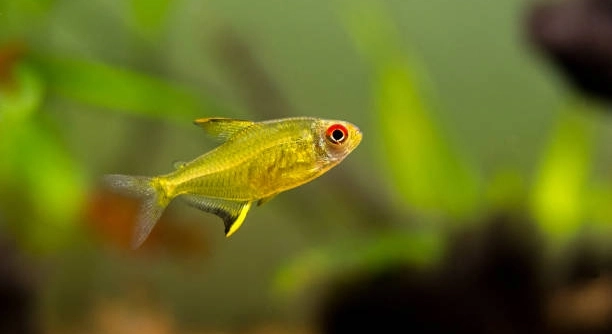
Do you ever notice your lemon tetras swimming quickly or hovering near the tank glass, reacting to every little movement around them? These small, colorful fish are naturally sensitive, and their environment can greatly affect their behavior.
Lemon tetras exhibit constant stress and heightened alertness when exposed to continuous movement in their surroundings. Prolonged visual stimulation can lead to erratic swimming, reduced feeding, weakened immunity, and long-term behavioral changes, potentially impacting their overall health and well-being.
Understanding how constant movement influences lemon tetras will help you create a calmer, safer environment for your aquarium, promoting healthier behavior and ensuring their long-term vitality.
Why Lemon Tetras React to Movement
Lemon tetras are small, active fish that rely heavily on their senses to interpret their environment. When they detect movement outside the tank, their natural instinct is to respond immediately. Sudden shadows, reflections, or people moving nearby can trigger short bursts of swimming or hiding. Over time, constant exposure to external motion can increase their stress levels, causing erratic behavior or reluctance to explore the tank. Providing a stable environment with minimal sudden changes helps them feel secure. Consistent feeding schedules, proper tank decorations, and gentle lighting can reduce overstimulation. Observing their reactions carefully allows you to adjust the surroundings so they are not overwhelmed. While it may seem harmless, ongoing agitation can affect their appetite and social interactions with other fish. Ensuring they have areas to retreat and swim calmly supports healthier physical and mental states, promoting longevity in captivity. Their sensitivity highlights the importance of thoughtful tank placement and careful attention to daily activity around the aquarium.
Lemon tetras react most strongly to frequent disturbances, which can impact their feeding and social behavior.
Careful observation and minor adjustments in tank placement or decoration can make a significant difference. Offering hiding spots and calm water areas encourages them to swim freely and reduces stress. Avoid placing the tank in high-traffic areas or near windows with fluctuating light, as these factors can create constant visual stimulation. By maintaining a consistent and low-activity environment, you support the fish’s natural behavior patterns. Over time, calmer surroundings allow lemon tetras to interact more normally with their tank mates, improving overall vitality and comfort.
Signs of Stress in Lemon Tetras
Stress in lemon tetras often appears through subtle changes in behavior.
Common indicators include hiding more often, swimming rapidly without direction, or showing a loss of color. Stress can also lead to less frequent feeding and weaker immune response, making them more susceptible to illness. Environmental factors such as water quality, temperature fluctuations, and continuous movement in or around the tank amplify these stress signs. Watching your fish daily can help detect issues before they worsen. Adjusting lighting, reducing vibrations, and limiting external movement provides a calmer atmosphere. Over time, these measures allow the tetras to regain normal activity patterns and stronger interactions with other fish. Noticing these signs early ensures intervention before long-term health problems arise, supporting a stable and comfortable habitat for them.
In addition to behavior changes, physical symptoms like clamped fins, pale coloration, or rapid gill movement indicate prolonged stress. Tank mates may also display altered behavior, further emphasizing the importance of a stable environment. Minimizing sudden disturbances and maintaining consistent water conditions are key to preventing stress-related illnesses. Providing plants, decorations, and areas of cover allows lemon tetras to feel secure, helping them recover from agitation caused by external movement. Careful observation and adjustments support both immediate comfort and long-term health. Regular monitoring ensures that any environmental issues are addressed quickly, keeping the fish active, colorful, and thriving in their tank. Consistent care and patience are essential to maintaining a stress-free habitat for these sensitive fish, promoting natural behaviors and overall well-being.
How to Reduce Stress from Constant Movement
Limiting external disturbances is key to keeping lemon tetras calm. Placing the tank away from busy areas, reducing reflections, and using gentle lighting can help minimize their stress and allow natural behavior to return.
Providing visual barriers and consistent water conditions supports calmer swimming patterns. Decorations like plants, rocks, and hiding spots give them safe areas to retreat when they feel threatened. Even small changes, such as closing blinds or moving the tank to a quieter corner, make a noticeable difference. Consistent feeding times also reinforce a sense of routine, helping reduce anxiety caused by unpredictable movement. Observing their behavior after adjustments ensures the environment meets their needs and promotes overall health.
In addition to physical adjustments, monitoring water quality and temperature is essential. Lemon tetras are sensitive to fluctuations, which can compound stress from constant movement. Regular water changes and proper filtration maintain stability. Using gentle equipment that does not create excessive vibrations reduces agitation. Over time, these combined measures improve activity levels, social interactions, and overall well-being.
Behavioral Changes Due to Overstimulation
Overstimulation from continuous movement often results in erratic swimming and reduced social interactions among lemon tetras.
These fish may become withdrawn, hiding behind decorations or near the tank bottom. Stress can lead to irregular feeding, paler coloration, and weakened immunity. When multiple tetras are affected, aggressive or avoidance behaviors may appear, disrupting the tank’s harmony. Environmental consistency and careful observation are necessary to restore balance.
Gradual adjustments to the environment help tetras regain normal behavior. Reducing visual disturbances, providing cover, and maintaining a stable routine allows them to feel secure. Observation of group dynamics ensures that no individual is being stressed by others. Over time, calmer surroundings encourage regular feeding, brighter coloration, and improved swimming patterns. Maintaining water quality and temperature stability prevents additional stressors, while careful tank placement minimizes external triggers. This combined approach promotes both physical health and behavioral stability, ensuring a harmonious and thriving aquarium for lemon tetras.
Effects on Feeding Habits
Constant movement can make lemon tetras hesitant to eat. They may hide or swim erratically during feeding times, leading to reduced food intake and slower growth.
Over time, disrupted feeding habits can affect their energy levels and overall health. Maintaining a calm environment encourages regular eating and proper nutrition.
Long-Term Health Implications
Prolonged exposure to constant movement can increase stress hormones in lemon tetras, weakening their immune system. This can make them more prone to disease, reduce lifespan, and cause chronic behavioral changes. Consistent care, calm surroundings, and regular observation are essential to prevent lasting health issues.
Monitoring Your Tank
Regular observation is crucial. Watching their behavior closely helps identify signs of stress early, allowing timely adjustments to the environment.
FAQ
Why do lemon tetras react so strongly to movement?
Lemon tetras are naturally cautious fish. Their eyes are highly sensitive to motion, which helps them detect potential threats. Sudden movements outside the tank trigger their instinct to swim quickly or hide. Continuous disturbances keep them in a heightened state of alert, which can lead to stress and affect feeding and social behavior.
Can constant movement outside the tank harm their health?
Yes, prolonged exposure to visual stimuli can negatively impact their health. Stress hormones may increase, weakening the immune system. Over time, this can result in reduced appetite, slower growth, and increased susceptibility to diseases. Chronic stress also changes normal behavior patterns, making them less active and less interactive with other tetras.
How can I make my lemon tetras feel safer?
Positioning the tank in a quiet area with minimal foot traffic helps reduce stress. Adding decorations like plants, rocks, and hiding spots provides secure areas for them to retreat. Gentle lighting and limiting reflections or shadows further minimize visual disturbances. A calm environment encourages natural swimming patterns and normal social interactions.
Do lemon tetras get used to constant movement?
They may adapt slightly over time, but adaptation does not eliminate stress completely. Continuous movement can still cause subtle health and behavioral issues. Providing a stable environment, predictable feeding times, and areas to hide allows them to feel safer and reduces negative impacts.
Is tank placement important for their behavior?
Yes, placement is critical. Tanks near windows, doors, or high-traffic areas increase exposure to external stimuli. Moving the tank to a quieter location helps regulate their activity levels and promotes calmer behavior. Stable placement reduces erratic swimming and encourages proper feeding and social interactions.
Can reflections and light cause stress too?
Absolutely. Reflections from glass or sudden changes in lighting can confuse or alarm lemon tetras. This can cause repeated bursts of swimming or hiding. Using backdrops, adjusting lighting, or positioning the tank to avoid direct sunlight can help minimize stress caused by reflections.
How do I know if my tetras are stressed?
Signs of stress include hiding, erratic swimming, loss of color, clamped fins, and decreased appetite. Observing these behaviors early allows you to make adjustments before long-term health issues occur. Social interactions with other fish may also change, showing avoidance or aggression.
What role does water quality play in stress?
Stable water conditions are essential. Fluctuations in temperature, pH, or cleanliness compound stress from external movement. Regular water changes, proper filtration, and monitoring key parameters help maintain a healthy environment. Healthy water supports normal behavior and reduces stress-related illnesses.
Are there behavioral changes I should expect after adjustments?
Yes. With reduced disturbances, lemon tetras usually resume regular swimming patterns, show more interest in food, and interact normally with tank mates. Coloration may improve, and erratic swimming decreases. Consistency in care allows them to regain stability in behavior and overall well-being.
How often should I observe my tank?
Daily observation is recommended. Monitoring behavior, feeding habits, and interactions allows you to detect stress early. Noticing subtle changes in movement or hiding patterns helps ensure adjustments are timely and effective. Consistent attention supports a calm, healthy environment for your lemon tetras.
Can tank mates influence stress levels?
Yes, aggressive or overly active tank mates can increase stress. Lemon tetras prefer peaceful, compatible species. Observing interactions and separating incompatible fish when necessary helps maintain a harmonious environment and reduces the effects of constant movement stress.
Is hiding space really necessary?
Absolutely. Plants, caves, and decorations offer security, allowing tetras to retreat when alarmed. Even if the external environment seems calm, hiding spots reduce stress and encourage natural behavior. A well-decorated tank supports their mental and physical health.
Do lemon tetras ever fully relax in captivity?
They can become much calmer with the right environment. Stable water conditions, minimal disturbances, hiding areas, and consistent routines all contribute to relaxation. While they remain alert by nature, these measures allow them to live healthier, more normal lives without constant anxiety.
How long does it take for them to recover from stress?
Recovery depends on the duration and severity of stress. Minor stress may resolve in days once conditions improve, while prolonged exposure can take weeks for behavior and coloration to normalize. Patience and consistent care are essential for full recovery.
What are the most effective ways to prevent stress?
Place the tank in a quiet area, maintain stable water conditions, provide hiding spots, use gentle lighting, and minimize reflections. Observing their behavior and maintaining consistent feeding routines further supports calmness and health. Prevention is more effective than trying to correct chronic stress after it occurs.
Can I use decorations to control their movement?
Yes. Strategically placed plants and rocks can break lines of sight, reducing perceived threats and limiting erratic swimming. Decorations also create natural swim paths and safe zones, encouraging more controlled and relaxed movement within the tank.
Is diet affected by constant movement?
Yes, stress can reduce appetite. Lemon tetras may avoid food or eat less when constantly alarmed. Maintaining a calm environment encourages regular feeding, while providing high-quality, nutritious food ensures they receive the energy needed to thrive despite occasional disturbances.
Should I adjust the number of fish in the tank?
Overcrowding increases movement and stress. Keeping an appropriate number of tetras in proportion to tank size prevents chaotic swimming and supports social harmony. Monitoring behavior helps determine if adjustments in population or tank size are needed to reduce stress.
How can I balance a lively tank without causing stress?
Include calm, compatible species, provide hiding spots, and maintain water quality. Avoid placing the tank in busy areas or near reflective surfaces. Gradual introductions of new fish prevent sudden spikes in activity, helping maintain a stable, stress-free environment.
Can stress affect breeding in lemon tetras?
Yes. High stress levels reduce reproductive activity and may prevent spawning. Calm, stable conditions with minimal disturbances increase the likelihood of healthy mating behaviors and successful breeding in captivity.
What should I do if stress signs persist?
Evaluate tank conditions, placement, water quality, and tank mates. Make gradual improvements and continue observing behavior. Persistent stress may indicate underlying health issues or environmental problems that need correction. Early intervention improves recovery chances and supports long-term health.
Are there any tools to monitor their well-being?
Behavioral observation remains the most effective tool. Video monitoring, routine notes on feeding and swimming patterns, and regular water testing help track their health. Monitoring over time allows you to detect trends and make proactive adjustments to reduce stress.
Can external noise affect lemon tetras?
Yes, loud or sudden sounds can trigger movement and stress responses. Keeping the tank in a quieter environment and avoiding constant banging or vibration reduces anxiety and supports natural behavior.
Does tank size impact stress from movement?
Larger tanks allow more space to swim and retreat, reducing the impact of external movement. Smaller tanks may intensify stress, as fish have fewer options to escape or avoid disturbances. Choosing an appropriately sized tank is essential for minimizing stress.
How important is routine for stress reduction?
Routine feeding, water maintenance, and tank cleaning help lemon tetras feel secure. Predictable schedules reduce anxiety caused by environmental changes and external movement. Consistency supports natural behaviors and promotes long-term health.
Can lighting schedules help reduce stress?
Yes, maintaining a consistent light-dark cycle helps regulate their internal rhythm. Sudden changes in lighting can startle them, while gradual transitions and proper duration encourage calm swimming and reduce stress.
What role do plants play in stress management?
Plants provide both visual cover and hiding spaces. They break lines of sight, diffuse light, and create a more natural environment. Lemon tetras feel safer, swim more freely, and exhibit healthier behavior when plants are included strategically.
Are there long-term behavioral effects of chronic stress?
Chronic stress can lead to persistent hiding, erratic swimming, aggression, or lethargy. Even if physical health appears stable, prolonged behavioral changes may reduce social interaction, feeding efficiency, and overall quality of life. Addressing stress early is crucial for long-term well-being.
How do I know if my environment changes are working?
Observe improvements in swimming patterns, feeding, coloration, and social interactions. A reduction in erratic behavior or hiding indicates that stress levels are decreasing. Gradual, consistent changes produce noticeable results over time.
Can temperature fluctuations make movement stress worse?
Yes, unstable temperatures add to stress caused by constant movement. Lemon tetras thrive in stable, moderate temperatures. Using heaters or chillers to maintain consistent conditions reduces combined stressors and supports healthier behavior.
Are there signs that stress has permanently affected a tetra?
Long-term effects may include reduced coloration, weakened immunity, and persistent avoidance behavior. Even with improvements in the environment, some tetras may never fully return to previous activity levels, emphasizing the importance of early intervention.
Does tank lighting type matter?
Yes, bright or flickering lights can amplify stress from movement. Soft, steady lighting reduces reflections and sudden changes, helping lemon tetras feel more secure. Combining proper lighting with hiding spots creates a calmer environment.
Can water flow influence stress levels?
Excessive water movement can add to agitation. Gentle filtration that maintains cleanliness without creating strong currents is ideal. Controlled water flow prevents additional stress and supports calmer swimming behavior.
What is the best way to introduce new fish without causing stress?
Quarantine new fish first, then introduce them gradually. Use visual barriers and observe interactions closely. Slow acclimation minimizes sudden increases in activity and prevents unnecessary stress for existing lemon tetras.
How does tank decoration arrangement affect stress?
Strategically placing plants, rocks, and hiding spaces breaks sightlines and reduces perceived threats. A thoughtful arrangement allows tetras to navigate safely, swim naturally, and avoid constant alarm from external movement.
Can seasonal changes affect their reaction to movement?
Yes, fluctuations in daylight, temperature, and household activity during different seasons can increase sensitivity. Maintaining consistent lighting, temperature, and minimal disturbances helps mitigate seasonal stress impacts.
Should I adjust feeding if my tetras are stressed?
Yes, stress can reduce appetite. Offering smaller, more frequent meals encourages regular eating. High-quality food supports energy and immune function, helping fish cope better with occasional environmental disturbances.
Can I use visual barriers outside the tank?
Yes, placing screens, curtains, or opaque backdrops reduces exposure to motion and reflections. Limiting visual triggers helps maintain a calmer environment and supports healthier behavior.
Do lemon tetras prefer group or solitary living?
They are schooling fish and feel safer in groups of at least six. Social interaction reduces individual stress and encourages natural swimming and feeding behaviors. Proper group size also mitigates the impact of external movement.
Are there any supplements that help stressed fish?
Some aquarists use natural supplements to support immune function and reduce stress. While these can help, environmental management remains the most effective way to prevent stress and promote healthy behavior.
How can I make daily tank maintenance less stressful?
Perform water changes and cleaning gently and consistently. Avoid sudden movements or loud noises near the tank. Using tools carefully and maintaining a calm routine minimizes agitation for lemon tetras.
What should I do if multiple fish show stress signs?
Assess environmental factors, including placement, tank mates, water quality, and lighting. Adjust surroundings gradually and provide hiding spaces. Monitoring interactions ensures the entire group can recover and reduces the chance of chronic stress spreading through the tank.
Is monitoring behavior enough to gauge their well-being?
Yes, careful observation of swimming patterns, feeding habits, and social interactions provides reliable insights into stress levels. Regular attention allows early intervention and ensures a stable, comfortable environment.
Can I prevent stress completely?
While lemon tetras will always be alert by nature, minimizing disturbances, maintaining stable water conditions, providing hiding spots, and observing behavior consistently can prevent most stress-related issues. Careful management leads to healthier, calmer fish.
Final Thoughts
Lemon tetras are naturally sensitive fish that respond strongly to their environment. Constant movement outside the tank, reflections, or sudden changes can trigger stress and alter their behavior. These reactions are part of their instinct, helping them detect potential threats in the wild. In captivity, however, frequent disturbances may have unintended consequences. Over time, continuous visual stimulation can lead to erratic swimming, increased hiding, and reduced interaction with other fish. Their feeding habits can also be affected, as stress makes them less willing to eat. Even small changes in placement, lighting, or tank activity can make a noticeable difference in their comfort levels. Understanding how external movement affects them is essential to providing a stable and healthy environment.
Providing a calm and consistent environment is key to minimizing stress. Tank placement should avoid busy areas, sudden reflections, and direct sunlight that can cause glare. Including plants, rocks, and hiding spots gives lemon tetras areas to retreat when they feel threatened. These additions not only provide security but also allow natural swimming patterns to emerge. Gentle lighting and steady water flow further reduce unnecessary agitation. Regular maintenance, such as water changes and monitoring water quality, supports their overall health. Feeding on a predictable schedule reinforces routine and reduces anxiety. Observing behavior daily allows adjustments to be made before problems escalate, supporting both physical and mental well-being. With careful attention, lemon tetras can regain a sense of safety and swim more freely, which enhances their quality of life in the tank.
Stress from constant movement can have long-term effects if left unaddressed. Chronic stress weakens the immune system, making fish more susceptible to illness, and may also lead to permanent behavioral changes. Overcrowding, aggressive tank mates, and poor water conditions can amplify these effects. Preventing stress involves not only controlling external movement but also maintaining stable conditions and providing enough space for each fish. Thoughtful planning of decorations and hiding spaces encourages natural behavior and reduces anxiety. Even with the occasional disturbance, lemon tetras can thrive when given a stable and consistent environment. Careful observation, routine maintenance, and adjustments based on their behavior are all part of creating a healthy and supportive aquarium. By minimizing external stressors and fostering a calm atmosphere, lemon tetras are more likely to exhibit normal behavior, maintain good health, and enjoy a more balanced, comfortable life in their home.

Hello,
If you enjoy the content that we create, please consider saying a "Thank You!" by leaving a tip.
Every little bit helps us continue crafting quality advice that supports the health, happiness, and well-being of pets around the world, for pets of all shapes, sizes, and species.
We really appreciate the kindness and support that you show us!