
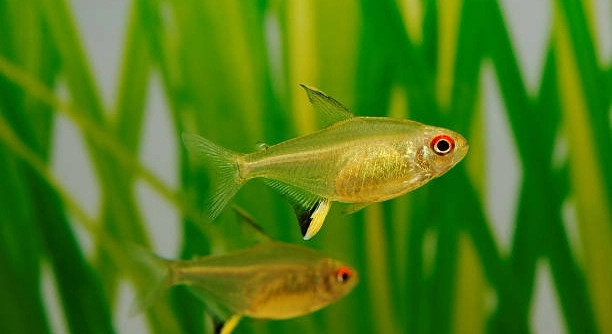
Do you ever notice your lemon tetras swimming nervously or hiding more than usual in the aquarium? Their behavior can shift with even minor changes in their environment, diet, or social dynamics, affecting their overall health and activity.
Small adjustments in water temperature, lighting, tank layout, diet, and social grouping can significantly influence lemon tetra behavior. Consistent water parameters, proper nutrition, and thoughtfully arranged environments contribute to calmer, more active, and healthier fish.
Understanding these subtle influences will help you create a more harmonious tank environment. Each minor change can make a noticeable difference in their daily behavior.
Adjust Water Temperature Gradually
Maintaining a stable water temperature is essential for lemon tetras. Sudden changes can stress them, causing erratic swimming or hiding. The ideal temperature range is 75–80°F. Using a reliable heater and thermometer helps monitor fluctuations, ensuring a consistent environment. If you need to adjust the temperature, do so slowly—no more than 1–2°F per day. Rapid shifts can weaken their immune system, leaving them prone to illness. Consistency matters more than achieving a perfect number immediately, as tetras are sensitive to rapid changes in their habitat.
Even a small daily adjustment can help tetras acclimate without stress, promoting steady swimming patterns and active feeding behavior.
Slowly adjusting temperature helps fish adapt to environmental changes naturally. A calm tank encourages social interaction, proper feeding habits, and reduces sudden stress responses. Over time, this creates a healthier and more predictable aquarium dynamic, allowing lemon tetras to thrive and display their natural behaviors with minimal disruption.
Optimize Tank Lighting
Proper lighting affects both activity and coloration. Lemon tetras are most comfortable under dim to moderate light. Too bright lighting may make them hide, while insufficient light can dull colors and reduce activity. Placing plants or decorations strategically provides shaded areas, allowing them to feel secure. A consistent day-night cycle of 10–12 hours supports natural behavior patterns and encourages regular swimming and feeding schedules. Using a timer ensures the tank maintains a routine without manual adjustments, minimizing stress caused by inconsistent lighting.
Balanced lighting enhances coloration and encourages active swimming, contributing to overall health.
Lighting interacts with their environment, influencing both behavior and appearance. Tetras rely on visual cues for social interaction and feeding. Gradual light transitions in the morning and evening simulate natural conditions, reducing sudden stress. Plants and structures break up bright areas, providing safe hiding spots. Consistency in lighting strengthens their internal rhythms, making them more predictable and confident. Over time, proper lighting supports breeding behavior, active schooling, and natural exploration. It also highlights their vivid yellow coloration, making the aquarium visually appealing while ensuring the fish remain calm and healthy.
Maintain Proper Tank Size
A larger tank reduces stress and allows lemon tetras to swim freely. Crowded conditions can lead to aggression or hiding, while adequate space encourages schooling behavior and exploration, keeping them active and healthy.
Providing at least a 20-gallon tank helps tetras establish natural social hierarchies. Adequate swimming space supports schooling, reducing stress and promoting interaction. Overcrowding limits movement, increases competition for food, and may cause territorial disputes. Proper tank size allows you to include plants and decorations that create hiding spots without restricting swimming areas, which is crucial for their well-being. Maintaining good filtration alongside appropriate tank size ensures water quality remains high, preventing the buildup of toxins that can affect behavior.
The right tank size supports long-term health and consistent activity. Lemon tetras in spacious environments show natural patterns, including synchronized swimming and exploration. Plants and decorations in a suitably sized tank enhance security and comfort. The combination of space, structure, and water quality reduces stress, strengthens immunity, and encourages natural feeding behaviors. Fish exhibit calmer interactions and stronger coloration when their environment accommodates both social and physical needs, ensuring they thrive in a balanced, harmonious aquarium.
Adjust Diet and Feeding Schedule
Consistent feeding with high-quality food improves energy levels and reduces aggression. Overfeeding or irregular schedules can upset digestion and behavior, making fish less active.
Feeding small amounts 2–3 times daily maintains energy without polluting the water. Mixing flakes, pellets, and occasional live or frozen foods ensures balanced nutrition. Variety in diet supports growth, coloration, and immune function. Skipping meals or overfeeding can lead to lethargy or overeating, which stresses the digestive system. Observing their feeding behavior helps detect early signs of illness or dietary issues. Regular, controlled feeding contributes to calmer interactions among fish and reduces competition at feeding times.
A proper diet directly impacts behavior, energy, and coloration. Lemon tetras show increased activity and social cohesion when nutritional needs are met. Feeding routines influence daily rhythms, schooling patterns, and overall health. Including live or frozen food enhances natural hunting behaviors, while varied nutrition strengthens the immune system. Maintaining a consistent schedule avoids spikes in activity or stress, allowing the fish to remain calm and engaged. Over time, a balanced diet promotes vibrant colors, healthy growth, and stable behavior, supporting the overall well-being of the aquarium community.
Create Hiding Spots
Providing plants and decorations gives lemon tetras safe spaces. Hiding spots reduce stress and allow them to rest without being exposed to constant movement in the tank.
Natural or artificial plants, driftwood, and small caves encourage exploration. These areas help timid fish feel secure and reduce aggressive interactions.
Keep Consistent Water Parameters
Maintaining pH, hardness, and cleanliness stabilizes behavior. Sudden changes in water chemistry can cause hiding, erratic swimming, or loss of appetite. Regular testing and partial water changes help sustain a stable environment, supporting overall health and predictable activity levels.
Maintain a Peaceful Community
Choosing compatible tank mates reduces stress. Aggressive or overly active fish can intimidate lemon tetras, causing constant hiding and disrupting schooling behavior.
FAQ
How many lemon tetras should I keep together?
Lemon tetras are schooling fish and feel most comfortable in groups of at least six. Smaller groups may become stressed or hide frequently. A larger school encourages natural swimming patterns, social interaction, and reduces the likelihood of aggression, making the tank more active and lively.
What is the ideal water temperature for lemon tetras?
The optimal temperature range is 75–80°F. Sudden changes can stress them, causing erratic behavior or hiding. Using a reliable heater and thermometer ensures stability. Gradual adjustments help tetras acclimate without weakening their immune system or disrupting natural activity patterns.
How often should I feed lemon tetras?
Feeding small portions 2–3 times per day is best. Overfeeding pollutes the tank and can cause lethargy or digestive issues. A balanced diet of high-quality flakes, pellets, and occasional live or frozen foods provides proper nutrition, coloration, and energy. Observing their feeding behavior helps detect early signs of illness.
What tank size is appropriate for lemon tetras?
A minimum of 20 gallons is recommended for a small school. Adequate space allows swimming, reduces stress, and supports schooling behavior. Larger tanks offer room for decorations and plants, creating hiding spots while maintaining proper water quality, which is essential for healthy, calm behavior.
Do lemon tetras need plants in their tank?
Yes, plants provide safe hiding spots and areas for exploration. Both live and artificial plants work well. Hiding spots reduce stress, encourage natural behavior, and offer a sense of security. Arranging decorations thoughtfully also allows open swimming space, maintaining calm interactions among fish.
Can lemon tetras live with other fish?
They thrive with peaceful community fish of similar size. Aggressive or overly active species can intimidate them, causing hiding and disrupting schooling. Proper tank mate selection promotes stable behavior, reduces stress, and encourages social interaction, keeping the aquarium balanced and harmonious.
How important is water quality for behavior?
Very important. Maintaining consistent pH, hardness, and cleanliness prevents stress and illness. Regular water testing and partial water changes ensure a stable environment. Clean, balanced water supports activity, feeding, and schooling, reducing erratic movements and hiding tendencies.
What lighting conditions do lemon tetras prefer?
Dim to moderate lighting is ideal. Bright light may cause hiding, while insufficient light can dull colors and reduce activity. Using timers and gradual transitions mimics natural conditions. Plants and decorations help break up bright areas, providing shaded spots for security.
Do lemon tetras need a specific diet?
They require a varied diet for health and coloration. Flakes, pellets, and occasional live or frozen foods offer balanced nutrition. Consistent feeding schedules and portion control prevent overfeeding, reduce competition, and maintain active behavior, supporting natural swimming and social interaction.
How can I reduce stress in lemon tetras?
Stable water parameters, proper tank size, hiding spots, consistent feeding, and peaceful tank mates all reduce stress. Avoid sudden changes in temperature or lighting. Calm environments encourage schooling, exploration, and natural behavior while promoting overall health and longevity.
Is it necessary to monitor their behavior daily?
Yes, daily observation helps detect illness or stress early. Changes in swimming patterns, hiding, or feeding may indicate water issues, improper diet, or aggressive tank mates. Monitoring allows timely adjustments to maintain a healthy, balanced aquarium environment.
How often should I clean the tank?
Partial water changes of 20–25% weekly maintain water quality. Cleaning filters, gravel, and decorations prevents toxin buildup without stressing the fish. Regular maintenance supports calm behavior, active swimming, and proper feeding routines, ensuring lemon tetras remain healthy and vibrant.
Do lemon tetras breed easily in captivity?
They can breed under stable conditions with proper water parameters, temperature, and diet. Providing plants or spawning mops encourages egg-laying. Breeding behavior may alter activity temporarily, but maintaining calm, consistent conditions supports successful reproduction and healthy fry development.
How do I know if my lemon tetras are stressed?
Signs include hiding, erratic swimming, loss of appetite, or faded coloration. Stress can result from poor water quality, aggressive tank mates, sudden environmental changes, or inadequate hiding spaces. Promptly addressing these factors restores natural behavior and promotes long-term health.
Can lighting affect schooling behavior?
Yes, consistent lighting supports daily rhythms and schooling patterns. Dim or moderate lighting encourages normal activity, while overly bright or inconsistent lighting may cause hiding or irregular swimming. Gradual light transitions and shaded areas create comfort, reducing stress and supporting natural interactions.
What decorations are best for lemon tetras?
Small caves, driftwood, and dense plant areas provide hiding and exploration spots. Decorations should not overcrowd swimming areas. Thoughtful placement allows secure spaces while keeping open areas for schooling, maintaining natural behavior and reducing stress in the aquarium environment.
Do lemon tetras need a specific pH range?
Yes, they prefer slightly acidic to neutral water, around 6.5–7.5 pH. Maintaining stability prevents stress and erratic behavior. Sudden shifts in pH can lead to hiding, lethargy, or loss of appetite, so monitoring and gradual adjustments are important for long-term health.
How can I encourage active swimming?
Adequate space, a proper school size, hiding spots, balanced lighting, and a varied diet encourage movement. Stable water parameters and peaceful tank mates reduce stress, allowing lemon tetras to display natural behavior patterns, swim confidently, and interact socially within the aquarium.
Is temperature consistency more important than exact numbers?
Yes, stability matters more than hitting a precise temperature. Small, gradual changes allow adaptation without stressing the immune system. Consistent temperatures support normal activity, feeding, and schooling, ensuring long-term health and natural behavior in lemon tetras.
What are early signs of illness in lemon tetras?
Faded colors, abnormal swimming, clamped fins, or loss of appetite can indicate illness. Stress from poor water quality, diet, or tank mates often precedes these signs. Early detection and prompt intervention help restore health and prevent further behavioral changes.
Can I keep lemon tetras with live plants?
Yes, live plants improve water quality, provide hiding spots, and enhance security. They encourage exploration and natural behaviors while supporting calm interactions. Choosing hardy plants ensures they withstand nibbling and occasional disturbance from active swimming patterns.
How important is routine for lemon tetras?
A consistent feeding schedule, lighting, and water maintenance reduce stress and support predictable behavior. Lemon tetras respond well to routine, which promotes schooling, exploration, and healthy activity patterns, making the aquarium more balanced and enjoyable to maintain.
Do decorations affect social behavior?
Yes, they provide security and reduce aggression by breaking up open spaces. Properly arranged decorations allow hiding without restricting swimming areas, promoting natural interactions, calm schooling, and reduced stress among lemon tetras.
How do I introduce new fish to the tank?
Quarantine new fish first to prevent disease spread. Introduce them gradually, observing behavior closely. Lemon tetras may show temporary stress, but proper acclimation and peaceful tank mates help maintain stability, allowing smooth integration without disrupting social hierarchies.
What is the best way to observe schooling behavior?
Provide open swimming space and minimal disturbances. Observe during feeding or active periods when water parameters and lighting are stable. A calm environment encourages natural coordination, synchronized movement, and social interaction, revealing typical schooling patterns.
Do water hardness levels affect behavior?
Yes, lemon tetras prefer soft to moderately hard water. Extreme hardness can cause stress, hiding, or erratic swimming. Regular testing and adjustments maintain stable conditions, supporting healthy behavior, coloration, and long-term well-being.
Can lemon tetras adapt to new tank setups?
They can, if changes are gradual. Sudden modifications in layout, lighting, or water parameters may cause hiding or stress. Introducing alterations slowly allows them to explore safely, maintain activity, and display natural social behavior.
What are signs of a happy lemon tetra?
Active swimming, schooling, regular feeding, bright coloration, and occasional exploration indicate comfort. Calm interactions with tank mates, minimal hiding, and consistent behavior show they are thriving in a stable, well-maintained environment.
How can I improve water quality without stressing fish?
Perform partial water changes weekly, maintain clean filters, and avoid sudden chemical adjustments. Gradual corrections stabilize pH, hardness, and clarity, supporting natural behavior, feeding, and schooling while reducing stress in lemon tetras.
Are lemon tetras sensitive to noise or vibrations?
Yes, they respond to sudden vibrations or loud noises by hiding or freezing. Placing the tank in a quiet, low-traffic area helps maintain calm behavior, allowing natural swimming patterns and reducing stress-induced activity changes.
How do I prevent overfeeding?
Feed only what they can consume in 2–3 minutes per session. Small, controlled portions maintain water quality, prevent lethargy, and support healthy digestion. Observing feeding behavior ensures all fish receive adequate nutrition without excess waste buildup.
Can I use artificial plants instead of live plants?
Yes, artificial plants provide similar hiding and exploration spaces without maintenance. They create security and reduce stress, but they do not contribute to water quality. Placement should allow swimming space and natural schooling behavior to continue unhindered.
What is the best way to monitor tank conditions?
Use reliable thermometers, pH and hardness test kits, and visual inspection. Regular checks for clarity, temperature, and chemical balance help maintain stable conditions. Early detection of deviations prevents stress and behavioral changes in lemon tetras.
How do I handle aggressive tank mates?
Separate aggressive species or choose calmer companions. Aggression disrupts schooling, causes hiding, and stresses lemon tetras. Ensuring compatible fish and adequate space maintains social harmony and predictable, healthy behavior patterns.
Are lemon tetras affected by seasonal changes?
Yes, shifts in ambient temperature or light can influence behavior. Gradual adjustments in lighting and heating maintain stability, allowing them to retain activity, feeding, and schooling patterns without stress.
Can water flow impact behavior?
Moderate flow encourages swimming and exploration. Strong currents may cause fatigue or hiding, while stagnant water reduces activity. Adjusting flow to mimic natural conditions supports normal behavior, social interaction, and overall health.
How often should I observe for signs of illness or stress?
Daily observation is recommended. Changes in activity, hiding, swimming patterns, or appetite indicate stress or health issues. Early detection allows timely adjustments in water, diet, or tank conditions, preventing long-term behavioral or health problems.
Do lemon tetras need a specific substrate?
They do best with smooth gravel or sand. Sharp substrates can cause injury or stress. Substrate also supports plant growth and creates a natural environment for exploration, hiding, and comfort within the aquarium.
Can sudden changes in the tank affect breeding?
Yes, rapid modifications in temperature, lighting, or decorations may halt breeding or stress adults. Gradual, stable adjustments maintain reproductive behavior while supporting the health of both adults and fry.
Is it normal for lemon tetras to hide sometimes?
Yes, occasional hiding is natural. It provides rest, security, and stress relief. Excessive hiding indicates environmental issues, such as poor water quality, aggressive tank mates, or insufficient hiding spaces. Proper care reduces frequent hiding and promotes activity.
Do lemon tetras require a specific filtration system?
Moderate filtration maintaining clean water without strong currents is ideal. Overly strong filters can stress fish, while inadequate filtration reduces water quality. A balanced system supports swimming, feeding, and schooling behavior while minimizing stress.
Can changing decorations too often stress lemon tetras?
Yes, frequent rearrangement can cause hiding, disorientation, and stress. Gradual changes allow adaptation, preserving schooling behavior, exploration, and calm interactions. Stability in layout supports confidence and natural activity.
How important is acclimation for new fish?
Proper acclimation prevents shock from water differences. Gradual introduction of temperature, pH, and hardness helps new lemon tetras adjust, minimizing hiding, erratic swimming, or stress-related behavior changes.
Do lemon tetras react to humans outside the tank?
They notice movement but usually are not overly stressed unless sudden or repeated disturbances occur. Calm observation supports interaction without triggering hiding or frantic swimming.
Can temperature drops at night affect behavior?
Yes, sudden night-time drops can cause stress and reduced activity. Using a stable heater or insulating the tank maintains consistent conditions, supporting normal schooling and feeding behaviors.
Are lemon tetras compatible with shrimp or snails?
Generally, yes. Peaceful invertebrates coexist without causing stress. They add variety to the tank without disrupting schooling or social behavior, provided the tank is large enough and food is sufficient.
Do lemon tetras need supplemental vitamins?
A varied diet usually meets their needs. Occasional supplementation can enhance coloration and immunity, supporting active swimming and schooling. Over-supplementation is unnecessary and can affect water quality.
Can lighting schedules affect breeding?
Yes, consistent day-night cycles support reproductive behavior. Gradual transitions simulate natural conditions, reducing stress and encouraging spawning activity.
How do I know if my tank is too bright?
Fish hiding frequently or darting nervously indicates excess light. Providing shaded areas or dimming the lighting restores comfort and normal activity.
Can lemon tetras adapt to tap water?
Yes, with proper conditioning. Removing chlorine, adjusting pH, and stabilizing hardness allow adaptation without stress. Gradual introduction prevents erratic behavior or hiding.
Is it normal for tetras to explore new areas cautiously?
Yes, careful exploration indicates awareness and comfort. Rapid movement or hiding signals stress, usually from environmental changes or aggressive tank mates.
Do lemon tetras need a cover on the tank?
A lid prevents jumping and reduces external disturbances. Covers maintain consistent temperature, reduce evaporation, and help create a stable, secure environment, supporting calm and predictable behavior.
Can tank vibrations affect feeding behavior?
Yes, vibrations may make fish hesitant to eat. Minimizing disturbances during feeding ensures consistent nutrition, reduces stress, and maintains natural activity levels.
How long do lemon tetras live in captivity?
Typically 5–8 years with proper care. Stable water parameters, balanced diet, suitable tank mates, and adequate space support longevity, vibrant coloration, and consistent behavior throughout their life span.
Are there seasonal adjustments for feeding?
Generally, no major changes are needed. Consistent feeding and portion control maintain health and behavior year-round. Gradual temperature or light shifts may slightly affect activity levels, but nutrition remains stable.
Do lemon tetras need quarantine for new plants?
Yes, to prevent introducing pests or pathogens. Rinsing and observing new plants before adding them maintains water quality, reduces stress, and supports stable behavior for existing fish.
Can strong currents in the filter affect schooling?
Yes, excessive flow can separate the school or tire fish. Moderate currents encourage natural swimming without disrupting cohesion. Placement of plants or decorations can break flow for calmer areas.
How do I prevent fin damage in a community tank?
Choose peaceful tank mates and avoid sharp decorations. Regular observation ensures fins remain healthy. Proper diet, water quality, and minimal stress reduce the likelihood of fin wear or injury.
Do lemon tetras require frequent water testing?
Yes, regular testing ensures stable parameters, reducing stress, hiding, and erratic swimming. Monitoring pH, hardness, ammonia, and nitrate levels supports health, coloration, and natural behavior patterns.
Can I keep lemon tetras in a planted tank?
Yes, planted tanks provide hiding spots, improve water quality, and encourage natural behavior. Dense plants offer security without restricting swimming space, supporting schooling, exploration, and calm interactions.
How can I tell if the tank is overcrowded?
Signs include aggressive interactions, frequent hiding, and irregular feeding. Adequate space, proper school size, and appropriate tank mates prevent stress and maintain predictable behavior.
Do lemon tetras need supplemental lighting at night?
No, a natural dark period supports rest and normal behavior. Excess night-time light may disrupt activity cycles and increase stress.
Are lemon tetras sensitive to chemical additives?
Yes, sudden additions can stress fish. Always follow recommended dosages, introduce gradually, and monitor behavior to ensure safety and stability.
Can I use tap water conditioners?
Yes, they remove chlorine and chloramines, making water safe. Proper conditioning prevents stress, supports stable behavior, and maintains overall health.
Do lemon tetras interact with their reflection?
They may notice reflections, sometimes investigating briefly. Excessive attention may indicate stress or poor lighting, while normal reactions show curiosity without behavioral disruption.
Can lemon tetras tolerate occasional water parameter fluctuations?
Small, gradual changes are manageable, but sudden shifts cause hiding, erratic swimming, or loss of appetite. Maintaining stability is key to consistent behavior.
Is tank placement important?
Yes, quiet areas with minimal traffic reduce stress. Avoid direct sunlight or vibration-prone locations to maintain calm, predictable behavior and stable water conditions.
Do lemon tetras need a sand or gravel substrate?
Smooth gravel or sand prevents injury, supports plants, and provides a natural environment for exploration. Proper substrate contributes to comfort, calm behavior, and overall health.
Can I keep lemon tetras in a nano tank?
Smaller tanks increase stress and reduce schooling behavior. A minimum 20-gallon tank is recommended to allow swimming, hiding, and social interaction without overcrowding.
How do I encourage interaction among tetras?
Stable conditions, proper school size, hiding spots, and balanced feeding promote social behavior. Calm environments and consistent routines strengthen schooling and reduce stress-induced isolation.
Do lemon tetras require routine medical checks?
Visual monitoring for signs of illness or stress is usually sufficient. Prompt action when problems arise ensures healthy behavior, coloration, and longevity without routine veterinary visits unless needed.
How can I prevent disease spread?
Quarantine new fish and plants, maintain clean water, and observe behavior. Early detection and isolation reduce risk, ensuring a stable and healthy aquarium environment.
Is a dark substrate better than a light one?
Dark substrates enhance coloration and reduce stress by providing visual security. It creates a natural environment that encourages calm behavior and exploration without overcrowding.
Do lemon tetras need a water flow adjustment at night?
Yes, reducing flow helps them rest and maintain normal behavior. Strong currents during rest periods can cause fatigue or stress, affecting daily activity patterns.
Can I use driftwood for decoration?
Yes, it provides hiding spaces, breaks water flow, and contributes to a natural environment. Properly prepared driftwood prevents contamination while supporting secure and calm behavior.
Do lemon tetras react to human shadows or movements?
They may briefly hide or freeze, but regular calm interaction helps them acclimate. Avoid sudden disturbances to maintain predictable schooling and feeding behavior.
Is it necessary to measure nitrate and ammonia levels?
Yes, high levels stress fish, causing hiding, erratic swimming, or health issues. Regular testing ensures stable water quality and predictable behavior.
Can lemon tetras thrive without live plants?
Maintaining a healthy, active aquarium for lemon tetras relies on understanding the small factors that influence their behavior. Consistency in water temperature, lighting, diet, and tank conditions is more important than occasional changes or sudden adjustments. Lemon tetras are sensitive to their environment, and even minor fluctuations can cause hiding, erratic swimming, or decreased appetite. Providing stable conditions allows them to feel secure and behave naturally. Proper monitoring of pH, hardness, and water quality ensures that they remain healthy and reduces the risk of stress-related illness. Even small daily actions, such as checking the thermometer or observing their swimming patterns, can make a meaningful difference in their overall well-being.
Tank size and layout also play a significant role in shaping behavior. Lemon tetras are schooling fish and require sufficient space to swim and interact. Crowded tanks or inadequate swimming areas can lead to aggression, hiding, or lethargy. Including plants, driftwood, and decorations provides hiding spots while maintaining open spaces for free movement. These elements help create a secure and stimulating environment. Choosing peaceful tank mates further reduces stress and supports natural social behavior. In combination, these environmental considerations allow lemon tetras to display their typical activity patterns, explore their surroundings confidently, and interact with other fish in a calm and balanced manner.
Diet and feeding routines are equally important for maintaining stable behavior. Providing a varied diet of flakes, pellets, and occasional live or frozen foods ensures proper nutrition, supports vibrant coloration, and enhances energy levels. Consistent feeding schedules prevent overfeeding and competition, which can cause stress or aggression. Observing their behavior during feeding can also reveal early signs of health issues, allowing timely adjustments. Gradual changes in water parameters, lighting, or tank layout help tetras acclimate without sudden stress. Paying attention to these details and maintaining a steady routine encourages natural schooling, swimming, and exploration. Overall, careful attention to environmental conditions, diet, and daily observation promotes a harmonious and healthy aquarium, where lemon tetras can thrive and display their natural behaviors consistently.

Hello,
If you enjoy the content that we create, please consider saying a "Thank You!" by leaving a tip.
Every little bit helps us continue crafting quality advice that supports the health, happiness, and well-being of pets around the world, for pets of all shapes, sizes, and species.
We really appreciate the kindness and support that you show us!