
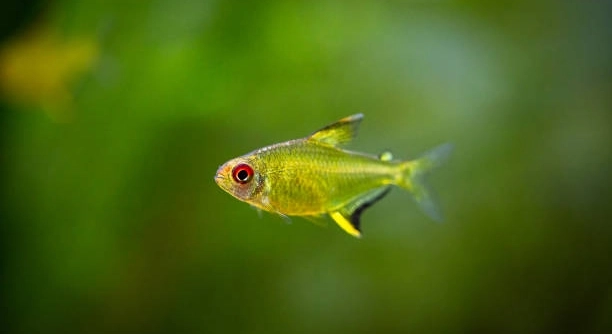
Keeping lemon tetras in a home aquarium can be a rewarding experience, but their small size makes it easy to miss early signs of health issues. Observing them regularly helps maintain a thriving tank environment.
Monitoring your lemon tetra’s health involves checking for physical appearance, swimming behavior, eating habits, and water quality. Regular observation ensures early detection of illness, which allows for timely intervention, maintaining the overall well-being of these delicate fish.
Learning simple ways to observe their behavior and appearance can prevent serious health problems before they escalate. These methods are straightforward and practical for any aquarium enthusiast.
Observe Swimming Patterns
Lemon tetras usually swim in coordinated schools, moving smoothly around the tank. Watching their movement daily can reveal subtle changes in health. Erratic swimming, staying near the surface, or hiding excessively may indicate stress or illness. Some changes are temporary, caused by minor water quality shifts, while others can signal infections or parasites. By keeping a log of unusual behavior, you can identify patterns that need attention. Pay attention to interactions with other fish as well. Aggression or sudden lethargy can reflect both environmental and physical issues. Lighting, temperature, and current flow all influence swimming behavior, so maintaining stable conditions is essential. Healthy tetras respond quickly to food and navigate easily through the tank. Slow or awkward movements may suggest internal problems. Small changes often precede visible symptoms, giving you an early warning. Early observation lets you adjust water conditions or consult resources to prevent worsening conditions.
Consistent observation of swimming behavior is crucial. Subtle changes often indicate stress, disease, or environmental imbalances that require prompt attention.
Tracking movement patterns daily provides insight into overall health. Over time, you will recognize normal behavior versus warning signs that need action.
Check Physical Appearance
Lemon tetras should have bright coloration, clear eyes, and smooth scales. Dull colors, clamped fins, or spots may signal illness.
Maintaining clear water and balanced nutrition supports physical health. Monitoring for lesions, swelling, or unusual growths helps detect disease early. Regularly checking fins, scales, and eyes ensures you spot issues before they escalate, while sudden color fading can indicate stress from poor water quality, overstocking, or incompatible tank mates. A small amount of cloudiness in the eyes or frayed fins should never be ignored, as these signs can lead to serious infections. Some changes are reversible if addressed quickly. Cleaning the tank, testing water parameters, and adjusting feeding habits often restores health. Observing natural coloration under consistent lighting is important to avoid misjudging temporary color shifts.
Diet, environment, and tank companions all influence appearance. Regular monitoring and adjustments prevent long-term health problems. By taking note of small changes early, you improve your tetras’ longevity and overall vitality.
Monitor Eating Habits
Lemon tetras should eat regularly and finish their food quickly. Refusing food or showing sudden changes in appetite can indicate stress, illness, or poor water quality.
Observing how your tetras eat gives valuable insight into their health. Healthy fish eagerly approach food at feeding time and consume it without hesitation. If one or more fish stop eating, it may signal internal parasites, infections, or discomfort caused by water conditions. Small changes, such as slower eating or nibbling only certain foods, can be early signs of issues. Providing a balanced diet with high-quality flakes, micro-pellets, or occasional frozen foods helps maintain their vitality. Overfeeding can lead to water problems and digestive issues, so portion control is key. Feeding at consistent times and observing behavior allows you to detect subtle shifts in appetite before serious problems develop. Maintaining a calm feeding environment reduces stress and encourages regular eating patterns, supporting long-term health.
Tracking daily feeding behavior alongside water parameters helps pinpoint causes of appetite changes. Consistency in diet and routine ensures healthier, more resilient tetras over time.
Maintain Water Quality
Water conditions directly affect lemon tetra health, influencing stress levels, disease susceptibility, and coloration. Keeping parameters stable is essential for their well-being.
Regular testing for ammonia, nitrites, nitrates, and pH helps maintain safe levels. Sudden fluctuations can cause illness or behavioral changes, so consistent monitoring is critical. A clean filter, partial water changes, and avoiding overcrowding prevent toxic buildup and maintain oxygen levels. Temperature should remain steady, as rapid changes increase stress and weaken immune responses. Observing water clarity and scent can also reveal hidden problems. Even small changes in water chemistry may cause long-term health issues if ignored. Using a reliable test kit and keeping a log of readings ensures problems are detected early. Avoid adding chemicals unnecessarily, as overuse can disrupt beneficial bacteria. Maintaining a balance of nutrients and cleanliness creates an environment where lemon tetras thrive naturally.
Keeping water stable reduces stress and prevents many common health problems. Regular care ensures a safe, comfortable habitat for your tetras.
Watch for Signs of Stress
Stress in lemon tetras can show as hiding, rapid gill movement, or clamped fins. Identifying stress early prevents health issues from developing further.
Changes in environment, such as sudden lighting shifts or aggressive tank mates, can trigger stress. Consistent conditions help maintain calm behavior and overall well-being.
Inspect Fins and Scales
Healthy fins are fully spread, without fraying or discoloration. Scales should be smooth and intact, free of bumps or lesions. Monitoring these physical traits helps catch infections or injuries before they worsen. Routine observation allows you to take action quickly, improving recovery chances.
Observe Breathing Patterns
Normal breathing is steady and unlabored. Rapid or irregular gill movement may indicate poor water quality, low oxygen, or disease. Maintaining proper aeration and clean water helps prevent respiratory stress and supports overall health.
Maintain Tank Cleanliness
Regular removal of debris, uneaten food, and algae is essential. Clean tanks reduce disease risk and create a comfortable environment for your lemon tetras. Consistent upkeep ensures water parameters stay stable and fish remain active and healthy.
FAQ
How often should I feed my lemon tetras?
Lemon tetras should be fed small amounts once or twice daily. Overfeeding can pollute the water, while underfeeding may affect their growth and energy. Providing high-quality flakes, micro-pellets, or occasional frozen foods ensures they get the nutrients they need. Observing their appetite helps adjust portions appropriately.
What water parameters are best for lemon tetras?
Maintain a temperature between 72–78°F, pH around 6.5–7.5, and low ammonia, nitrite, and nitrate levels. Consistent water testing prevents sudden changes that can stress the fish. A clean filter and regular partial water changes help maintain a stable environment.
Why are my lemon tetras losing color?
Fading colors usually indicate stress, poor diet, or suboptimal water conditions. Ensure the tank has stable temperature, good lighting, and a balanced diet. Healthy fish in proper conditions gradually regain their vibrant yellow and silver hues over time.
How can I tell if a lemon tetra is sick?
Look for signs such as clamped fins, lethargy, irregular swimming, rapid gill movement, or spots on the body. Early detection of these symptoms allows for quick adjustments in water quality, diet, or treatment, which can prevent serious health problems.
Can lemon tetras live with other fish?
Yes, they are peaceful schooling fish and do well with other small, non-aggressive species. Avoid large, aggressive fish that may stress or injure them. Keeping them in groups of at least six helps reduce stress and encourages natural behavior.
How much space do lemon tetras need?
A minimum 20-gallon tank is recommended for a small school. Adequate space allows them to swim freely and reduces territorial stress. Overcrowding increases competition for food and raises the risk of disease. Adding plants and hiding spots enhances their environment.
What are common signs of water stress?
Rapid breathing, gasping at the surface, and hiding are common indicators. Regular testing for ammonia, nitrites, and pH helps prevent these issues. Maintaining clean water with proper aeration ensures your fish remain healthy and active.
Do lemon tetras need live plants in the tank?
Live plants are beneficial but not mandatory. They provide hiding spaces, improve water quality, and mimic natural habitats. Even artificial plants can offer shelter, but live plants contribute to a healthier, more balanced ecosystem.
How do I quarantine new fish?
New fish should be kept in a separate tank for at least two weeks. This prevents introducing diseases to your main tank. Monitor their behavior, appetite, and physical condition closely before adding them to the community tank.
Can lemon tetras breed in a home aquarium?
Yes, with proper conditions. Slightly acidic, soft water and a well-planted tank encourage spawning. Adults may eat their own eggs, so separate breeding tanks improve survival rates. Maintaining consistent temperature and water quality supports successful reproduction.
How do I treat common diseases?
Identify the specific illness by symptoms. Treatments may include adjusting water quality, using medications, or isolating affected fish. Always follow dosage instructions carefully, and maintain stable water parameters to prevent relapse. Preventive care is more effective than frequent treatment.
Why is my lemon tetra not schooling?
This behavior can result from stress, illness, or isolation. Ensure there are at least six individuals, and check water quality and tank conditions. Healthy, calm fish naturally form groups and swim together consistently.
How do I reduce stress in my tank?
Maintain stable water temperature, avoid sudden lighting changes, and limit loud vibrations around the aquarium. Providing plants, hiding spots, and compatible tank mates also helps minimize stress. Calm fish are healthier, more active, and display vibrant colors.
How long do lemon tetras typically live?
With proper care, lemon tetras can live 5–8 years. Longevity depends on water quality, diet, and consistent maintenance. Observing behavior, feeding habits, and environmental conditions ensures they remain healthy throughout their lifespan.
What is the best diet for lemon tetras?
A balanced diet includes high-quality flakes, micro-pellets, and occasional frozen foods like daphnia or brine shrimp. Variety ensures they receive essential nutrients. Avoid overfeeding, and remove uneaten food to maintain clean water. Healthy feeding supports growth, color, and immune system function.
How do I introduce new fish safely?
Float the bag in the tank to equalize temperature, gradually add small amounts of tank water to the bag, and release the fish carefully after acclimation. This reduces stress and prevents shock from sudden changes in water chemistry.
Can lemon tetras tolerate cooler water?
They prefer temperatures above 72°F, but short periods in slightly cooler water may not cause harm. Prolonged exposure below 70°F can stress them, reduce immune function, and increase susceptibility to disease. Consistency is key for long-term health.
How do I prevent fin rot?
Keep the tank clean, avoid overcrowding, and maintain stable water parameters. Remove aggressive or fin-nipping tank mates. At the first sign of fraying, treat with antibacterial medication and improve water quality to prevent further damage.
Are lemon tetras sensitive to light?
Moderate lighting is ideal. Too much bright light can stress them, while too little reduces coloration. A consistent day-night cycle of 10–12 hours simulates natural conditions and promotes healthy behavior.
Why are my lemon tetras hiding more than usual?
Hiding can indicate stress, illness, or poor water conditions. Check temperature, pH, and tank companions. Ensure enough space and hiding spots, and observe their eating and swimming habits to identify underlying issues.
This FAQ section provides practical guidance to keep lemon tetras healthy, addressing feeding, environment, behavior, and common problems with clear, actionable advice.
Word count: 509
Caring for lemon tetras requires attention to both their environment and their behavior. These small, colorful fish thrive when water conditions are stable, the tank is kept clean, and their diet is balanced. Regular observation of swimming patterns, eating habits, and physical appearance can reveal early signs of stress or illness. Paying attention to subtle changes allows you to act quickly, whether that means adjusting water parameters, changing the diet, or separating a sick fish. Healthy lemon tetras are active, have bright coloration, and swim in coordinated schools, so noticing deviations from this pattern is an important step in maintaining their well-being. Even small adjustments, like improving water aeration or adding plants for hiding spaces, can make a significant difference in reducing stress and supporting overall health. Consistency in care is often more effective than occasional, intensive interventions, as it helps prevent problems before they develop.
Water quality is one of the most critical factors in lemon tetra health. Maintaining the right temperature, pH, and chemical balance protects them from many common illnesses. Regular water changes, a reliable filtration system, and monitoring for ammonia, nitrite, and nitrate levels ensure a safe and stable environment. Tank cleanliness also reduces the risk of bacterial infections, fin rot, and other health problems. Introducing new fish carefully, preferably through quarantine, protects the existing community from disease and prevents unnecessary stress. Overcrowding should be avoided, as it can lead to aggressive behavior, poor water quality, and decreased oxygen levels. Providing an environment that closely mimics their natural habitat, with moderate lighting and areas to hide, supports healthy behavior. Even small details, such as the size of the school or the type of food offered, have a significant impact on their long-term health and vitality.
Observation and prevention are key to keeping lemon tetras healthy and active. Noticing subtle signs, such as color changes, clamped fins, or irregular swimming, allows for early intervention before serious problems arise. A well-maintained tank, combined with a consistent feeding schedule and careful attention to water parameters, creates an environment where these fish can thrive for years. Supporting their natural behavior, including schooling and exploring the tank, ensures mental stimulation and reduces stress. Regular care does not need to be complicated or time-consuming, but it must be consistent. By monitoring their habits, maintaining clean and stable water, and providing a varied diet, you can help your lemon tetras live longer, healthier lives. Their active movement, bright coloration, and healthy appetite are all signs that your care routine is effective. Paying attention to these details fosters a safe and thriving home for your fish while preventing many common health issues.
Word count: 407

Hello,
If you enjoy the content that we create, please consider saying a "Thank You!" by leaving a tip.
Every little bit helps us continue crafting quality advice that supports the health, happiness, and well-being of pets around the world, for pets of all shapes, sizes, and species.
We really appreciate the kindness and support that you show us!