
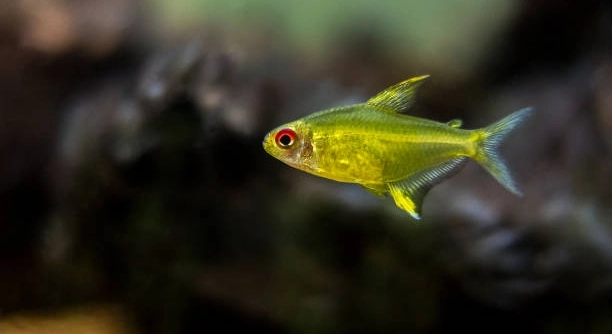
Have you ever watched your lemon tetra glide through the water and found yourself noticing the small moments that make this tiny fish feel special in your aquarium as you observe its daily movements each day.
Lemon tetras display basic exploratory behaviors influenced by environmental cues, yet these actions do not represent human-like curiosity or wonder. Their responses stem from sensory processing and instinctive patterns that guide feeding, navigation, and social interaction within controlled aquatic habitats.
Their gentle patterns and subtle reactions reveal how environment shapes their behavior, offering a closer look into their underwater world.
Understanding Lemon Tetra Behavior
Lemon tetras rely on simple behavioral patterns that reflect their sensory needs and observing these behaviors can help you understand what influences their movements each day. These small fish react to changes in light water flow and group dynamics creating subtle behaviors that appear expressive even when they are driven by instinct. Watching how they swim together pause near plants or explore new objects can help you see how they respond to their environment in meaningful ways. Their actions may look delicate or curious but they are rooted in basic responses shaped by their surroundings diet and levels of comfort. When you notice a shift in their activity it often reflects changes in their habitat or the signals they receive from other fish. Learning these patterns can make caring for them feel more connected giving you a clear understanding of how small adjustments influence their behavior and overall balance daily.
By paying attention to these signals you can support a healthier environment for your lemon tetras ensuring their movements remain steady and purposeful. Small changes in lighting layout or tank conditions can improve their comfort while helping you observe their reactions with greater clarity in your daily care and routine.
Understanding these patterns can help you create a supportive space that encourages natural behaviors while keeping your lemon tetras calm and active. Their movements responses and group interactions become easier to read when the tank is arranged in a way that respects their instincts. Soft lighting safe hiding spots and steady filtration contribute to predictable behavior that feels stable and balanced. As you watch them glide and interact you begin to recognize how subtle shifts reflect their comfort and needs. This awareness gives you confidence in adjusting their habitat with thoughtful changes that promote harmony and keep their activity peaceful daily.
Environmental Influences on Activity
Environmental conditions shape how lemon tetras move gather and respond within their tank making stability essential for their comfort. Balanced lighting clean water and consistent temperature help maintain predictable behavior that supports their natural patterns without causing unnecessary stress or sudden reactions in their daily swimming and group based activity.
Lemon tetras rely on a steady environment to maintain calm and coordinated behavior and each part of their habitat contributes to how they react during the day. Light that remains soft and consistent helps them feel secure preventing sudden changes that may disrupt their movement or group alignment. Clean water with proper filtration supports their ability to sense their surroundings clearly allowing them to navigate and feed without strain. A stable temperature reduces unnecessary stress keeping their bodies functioning at a comfortable pace that supports natural activity. Plants rocks and open swimming areas give them structure and space encouraging balanced patterns without crowding or confusion. When these elements work together the fish move with smooth coordination that feels predictable and steady. If something shifts within the tank their responses may become sharper showing that even small adjustments influence how they behave. By watching these patterns closely you learn what keeps them relaxed and active. Over time providing steady care helps them develop reliable routines shaped by the safety and comfort of their environment. These steady conditions allow the fish to interact naturally forming gentle group patterns that remain calm and stable within their well maintained aquatic environment every single day.
Social Dynamics and Group Interaction
Lemon tetras rely on steady group structure to maintain calm movement throughout the tank. Their alignment and spacing shift gently as they respond to each other’s signals creating a pattern that stays smooth when the environment feels stable and predictable during daily activity.
Their interactions depend on simple cues that shape how they position themselves and move together. When the group feels secure they form loose clusters that shift naturally as they swim across the tank. If something changes in their surroundings their spacing may tighten or scatter for a moment reflecting an instinctive reaction rather than emotional expression. Plants and open areas help guide their movement allowing them to glide with ease while staying aware of each other. These behaviors stay consistent when water conditions remain steady encouraging a peaceful rhythm that supports their natural patterns without adding unnecessary stress to their routine.
As you watch these movements you may notice how small changes influence the group. A slight shift in water flow can cause them to adjust their alignment while new objects encourage brief investigation that ends once they understand the shape and placement. These reactions help maintain balance in the group and reflect how they rely on environmental signals rather than complex thought. When their habitat remains stable their swimming stays coordinated and calm offering a clear look at how simple cues shape their daily patterns as they move together in quiet harmony.
Sensory Responses and Instinctive Actions
Lemon tetras react to their surroundings based on sensory input that guides their movements through the tank. Their responses become clearer when lighting remains soft and water stays clean which helps them interpret subtle signals without unnecessary stress or confusion in their daily routine.
These instinctive actions depend on how well they sense changes around them and each signal they receive shapes their next movement. Light reflections vibrations and shifts in water pressure help them determine where to swim and how to respond without hesitation. When the environment stays calm they navigate with smooth precision that reflects stability rather than curiosity. Objects in the tank may draw brief attention as they examine shapes through simple investigation guided by sight and motion. Their feeding behavior also follows clear patterns influenced by scent and routine which keeps their actions predictable. When conditions stay steady these small fish demonstrate consistent and balanced responses shaped entirely by natural instincts that support healthy activity within their aquatic space.
Visual Stimuli and Movement Patterns
Lemon tetras react quickly to shifts in light or motion which affects how they swim across the tank. Their instincts guide these reactions helping them maintain safe distances while moving with gentle coordination that keeps their behavior smooth and steady during daily activity.
These responses become clearer when lighting stays consistent and surrounding objects remain familiar. Sudden changes may cause brief scattering while softer conditions support calm swimming. Their movements reflect awareness rather than deep thought showing how their visual sensitivity shapes each decision they make within their environment.
Feeding Responses and Routine
Feeding patterns influence how lemon tetras move and react throughout the day. Their responses follow familiar cues shaped by repetition and scent allowing them to anticipate mealtimes with consistent behavior. When food enters the water they shift into active motion that reflects recognition of routine rather than emotional expression. Stable feeding times help reduce unnecessary stress and encourage healthy movement. As long as the environment remains steady their responses stay predictable forming clear patterns that reveal how instinct shapes their activity during each feeding period in a calm and balanced way.
Comfort and Stability
Comfort arises from balanced conditions that keep lemon tetras relaxed as they move throughout the tank. When lighting water quality and temperature remain stable their behavior stays smooth and coordinated showing how environmental consistency supports calm patterns in their daily routine.
FAQ
Can lemon tetras feel curiosity in a human-like way?
Lemon tetras do not experience curiosity the way humans do. Their reactions come from instinctive processes shaped by sight, movement, and environmental changes. When they approach new objects or shifts in their surroundings, the behavior may appear curious, but it is actually guided by simple sensory responses. Their brains are adapted to support survival behaviors such as seeking food, maintaining safety, and staying aligned with their group. These actions give the impression of interest, yet they remain rooted in basic biological functions. As long as their environment stays stable, their responses stay predictable and steady.
Why do lemon tetras inspect new objects in the tank?
When a new decoration or plant is added, lemon tetras may swim around it briefly. This reaction helps them understand the shape, position, and movement of the object. Their inspection is not emotional or thoughtful but rather a quick assessment based on sight and motion. If the object remains still and safe, they return to their normal movement patterns. This brief behavior helps them adapt to small changes in their habitat without stress. Once the object becomes familiar, it blends into their routine, and they no longer give it attention.
Do lemon tetras interact with each other in meaningful ways?
Their interactions focus on maintaining safe group structure. They stay aware of each other by watching movement and sensing changes in water pressure. This helps them swim together without colliding. These responses are not emotional bonds but instinctive alignment that keeps them safe. When conditions remain steady, their movements appear smooth and coordinated.
Why do lemon tetras scatter suddenly?
Sudden scattering usually happens when something startles them. Fast motion outside the tank, sharp light changes, or sudden vibrations can cause an instinctive reaction. This quick burst of movement is protective. Once they sense safety again, they reorganize and return to calmer patterns. Keeping lighting soft and external movement gentle can reduce these reactions.
How do lemon tetras use their senses during feeding?
They rely on scent, motion, and memory of routine. When food enters the water, they recognize the movement and scent quickly. Their swimming becomes more active as they search for particles. This behavior is shaped by repetition, helping them form predictable feeding responses. A steady feeding schedule keeps them relaxed and prevents frantic activity.
Do lemon tetras recognize their owners?
They do not form personal recognition but can respond to repeated patterns. If you feed them regularly, they may associate your presence with food. Their reaction is based on visual cues and routine rather than emotional connection. Over time they may swim toward the front of the tank when they see movement they associate with feeding.
Can changes in the environment affect their behavior?
Even small adjustments influence their patterns. Light changes, new decorations, shifts in water flow, or a move to a new tank can lead to temporary changes in activity. As they adjust, their movements become steady again. Stable conditions help maintain calm behavior.
What helps lemon tetras stay comfortable and active?
Consistent lighting, clean water, stable temperature, and clear swimming space support balanced behavior. Plants provide shelter while open areas encourage smooth movement. When these elements work together, their patterns remain calm and predictable. Monitoring water quality and avoiding sudden changes helps them stay comfortable each day.
Final Thoughts
Caring for lemon tetras becomes easier when you focus on the simple patterns that shape their daily movements. These small fish respond to steady conditions, gentle lighting, and familiar surroundings, and their behavior becomes smooth and predictable when everything in their tank remains balanced. Their reactions may seem expressive at times, but each one comes from instinct rather than deeper emotion. By observing them calmly, you begin to understand how their movements reveal comfort, security, or brief moments of alertness. This awareness helps you make choices that support their well being without overwhelming them with sudden changes or unfamiliar elements. As long as the environment feels stable, their responses stay soft and steady, making them peaceful companions in any aquarium. Their gentle patterns become easier to follow, allowing you to recognize how small adjustments influence their behavior in meaningful ways.
Your connection with them grows as you notice the subtle details in their swimming and group alignment. These patterns show how much they rely on simple cues rather than complex thought. Watching them glide through plants or move together in loose groups offers a calming rhythm that reflects the quiet nature of their instincts. Even though they do not experience curiosity the way humans do, they show brief signs of awareness when something shifts in their surroundings. These moments help you understand how sensitive they are to visual changes, water movement, or unexpected sounds. By maintaining stable conditions, you protect them from sudden reactions that may lead to stress. The more consistent the environment, the more peaceful their activity becomes. You see how their routines form naturally when feeding schedules stay predictable and the layout remains familiar. This simplicity is part of what makes them pleasant to care for and observe each day.
Supporting their well being does not require complicated steps. It relies on thoughtful attention to the basics that influence their comfort. Clean water, soft lighting, gentle filtration, and adequate space work together to create a calm setting where their natural behaviors remain stable. Adding plants or safe hiding spots helps them feel protected while giving their movements more structure. When you keep these needs at the center of your care, you create an environment that mirrors their natural preferences. Their responses become more consistent, and you gain a clearer understanding of how instinct shapes every part of their activity. Over time their gentle movements and steady patterns remind you that even the simplest behaviors can feel meaningful when supported by patience and balance.

Hello,
If you enjoy the content that we create, please consider saying a "Thank You!" by leaving a tip.
Every little bit helps us continue crafting quality advice that supports the health, happiness, and well-being of pets around the world, for pets of all shapes, sizes, and species.
We really appreciate the kindness and support that you show us!