
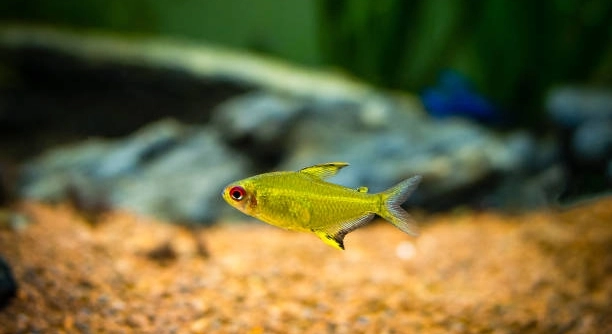
Lemon tetras are small, vibrant fish that brighten any aquarium with their yellow hue and lively behavior. Observing them can be fascinating, especially when noticing how they interact during different stages of life. Their unique patterns make them stand out.
Lemon tetras exhibit seven distinct breeding habits that separate them from other freshwater species. These behaviors include specific courtship displays, spawning site selection, egg scattering, and parental interaction patterns, all of which contribute to successful reproduction and species survival.
Learning about these habits provides insight into maintaining a healthy aquarium and supporting their natural reproductive behaviors effectively. Proper care ensures both the fish and their offspring thrive in a safe environment.
Courtship Displays and Their Role
Lemon tetras perform intricate courtship displays that are subtle yet essential for reproduction. Males often swim in small circles or show off their yellow coloring to attract females. This behavior signals readiness and helps females select a suitable mate. The displays are brief but frequent, occurring throughout the day. Observing these movements can give insight into the social hierarchy within the tank. Sometimes males will chase other males gently to establish dominance while keeping interactions mostly peaceful. These displays are more pronounced in well-lit tanks with sufficient open space. It is important to maintain water quality and temperature, as stress or poor conditions can reduce the frequency of these displays. Providing hiding spots and plants ensures females feel secure, which encourages natural mating behavior. Overall, courtship in lemon tetras is a careful balance of display, timing, and environment that ensures the species reproduces successfully and maintains healthy population dynamics.
Males’ displays help females identify readiness and compatibility. It is a key factor influencing successful spawning in a community tank.
Properly observing and supporting these behaviors allows for natural pair bonding. Adjusting tank conditions can improve breeding outcomes and reduce stress for both males and females.
Spawning Site Selection
Females prefer calm, plant-covered areas for egg-laying. A dense layer of fine-leaved plants provides protection for their eggs.
Spawning sites are critical for survival. Lemon tetras scatter eggs in secure areas where they are less likely to be eaten by other fish. Maintaining a quiet, well-planted space encourages frequent spawning. Tank temperature should be stable, usually between 24–28°C, to mimic their natural environment. Lighting can influence behavior, so softer lighting during breeding periods is recommended. Unlike some species, lemon tetras do not guard their eggs, making the choice of a hidden site essential. Observing the selection process can be rewarding, as females inspect multiple plants before settling. Providing floating plants can also offer additional coverage and create a more natural setup. Overcrowding can hinder site selection, so keeping a moderate number of fish in the tank improves the likelihood of successful breeding. Overall, thoughtful placement of plants and maintenance of ideal conditions allows females to select the best possible spawning sites, improving egg survival rates and supporting the growth of healthy fry.
Egg Scattering Behavior
Lemon tetras scatter their eggs across fine-leaved plants rather than laying them in a single spot. This reduces the chance of predation and increases the likelihood of fry survival. Eggs are tiny, sticky, and often attach to plant surfaces throughout the tank.
Scattering is an instinctive behavior that ensures the eggs are well-distributed and hidden from potential threats. Females move carefully, releasing eggs slowly while males swim nearby, fertilizing them immediately. This process repeats over several minutes, and sometimes hours, depending on the female’s readiness. The scattered eggs are nearly invisible, which helps protect them in a community tank. Clear water and minimal disturbances encourage this natural behavior. Observing the process can be fascinating, as males and females coordinate movements almost rhythmically. Providing dense plants and calm water conditions supports effective scattering, ensuring a higher number of eggs survive to hatch.
After scattering, eggs remain attached to plants until hatching, usually within 24 to 36 hours. Fry are extremely small and require gentle care, with infusoria or finely crushed flakes serving as their first food source. Maintaining clean water and stable temperature is essential during this stage, as fry are highly sensitive to changes.
Parental Interaction Patterns
Lemon tetras do not provide parental care after spawning. Adults may eat their own eggs if left in the same tank.
Separation is important to increase survival rates. Once eggs are scattered, removing adults prevents accidental predation, allowing eggs to develop safely. Fry are fragile and require specific feeding routines for the first few weeks. Tank conditions should be monitored carefully, keeping water slightly acidic to neutral, with temperatures around 25°C. Regular water changes help maintain quality without disturbing the developing fry. Observing growth patterns can be rewarding, as tiny fry begin to swim actively within a few days. Even minimal handling or sudden changes can stress fry, so a quiet, stable environment is essential. Dense plants provide hiding spots and help maintain consistent water quality. Fry should be fed small, frequent meals, gradually transitioning to standard flake food as they grow.
Maintaining separate rearing areas for eggs and fry increases survival significantly. Monitoring development, providing appropriate food, and ensuring consistent conditions will support healthy growth into juvenile lemon tetras. These measures create a controlled environment where natural behaviors can continue without interference.
Courtship Timing
Lemon tetras tend to perform courtship early in the morning when light is soft. This timing reduces stress and encourages natural behaviors.
Consistent lighting and a stable daily routine help maintain this pattern. Interruptions or sudden changes can delay or suppress mating activity.
Egg Hatching Conditions
Eggs typically hatch within 24 to 36 hours under stable water conditions. Temperature and pH must be carefully monitored to ensure survival. Maintaining slightly acidic water around 25°C supports healthy development. Clean water prevents fungal growth and other complications that can reduce hatch rates. Dense plants provide surfaces for eggs and protection for emerging fry.
Fry Development
Fry grow quickly and begin swimming freely after a few days. Feeding infusoria or finely crushed flakes is essential during early stages.
FAQ
How often do lemon tetras breed?
Lemon tetras can breed regularly once they reach maturity, usually around six months of age. In a well-maintained tank with stable water conditions and proper nutrition, they may spawn every two to three weeks. Frequent breeding depends on the presence of suitable plants and hiding spots.
Can lemon tetras breed in a community tank?
Yes, but survival rates of eggs and fry are lower in a community tank. Adults may eat their own eggs or compete with other fish for territory. Providing dense plant coverage helps protect eggs, but separating breeding pairs into a smaller, controlled tank often yields better results.
What is the ideal water temperature for breeding?
Lemon tetras thrive in water temperatures around 24–28°C during breeding. Consistent temperature is essential, as sudden changes can stress the fish and delay courtship or egg-laying. Using a reliable heater and thermometer ensures stable conditions for successful spawning.
What type of plants are best for egg-laying?
Fine-leaved plants such as Java moss or Cabomba provide surfaces for eggs to attach and remain protected. Floating plants offer additional cover and diffuse lighting, creating a calm environment that encourages natural spawning behavior. Dense vegetation also keeps fry hidden after hatching.
Do lemon tetras show any parental care?
Lemon tetras do not provide parental care. Once eggs are laid and fertilized, adults often ignore or may eat the eggs. Removing adults from the breeding tank or providing separate rearing areas for eggs and fry improves survival rates and reduces stress for both adults and young.
How long does it take for lemon tetra eggs to hatch?
Eggs usually hatch within 24 to 36 hours under stable water conditions. Fry are extremely small and require careful attention to water quality and feeding. Maintaining slightly acidic water and gentle filtration supports healthy hatching and development.
What should I feed lemon tetra fry?
Fry should be fed infusoria, baby brine shrimp, or finely crushed flake food during the first weeks. Feeding small amounts frequently ensures proper growth. As fry grow, they can gradually transition to regular flake food or micro-pellets, supporting healthy development into juvenile tetras.
Can stressed fish fail to breed?
Yes, stress significantly reduces breeding behavior. Overcrowding, sudden water changes, or poor water quality can suppress courtship and egg-laying. Maintaining a quiet, stable environment with proper filtration, temperature, and nutrition is essential to encourage regular breeding activity.
Is it necessary to separate males and females after spawning?
Separating adults after spawning is highly recommended. Lemon tetras do not guard their eggs, and adults may consume them. A rearing tank or a partitioned section allows eggs to develop safely while reducing predation and providing a controlled environment for fry growth.
How can I tell if a female is ready to spawn?
A ready female usually appears slightly plumper due to eggs and may swim more slowly than males. Observing her behavior during courtship displays and her interaction with males helps indicate readiness. Providing suitable plants and calm water conditions supports successful spawning.
What are common problems during breeding?
Eggs may fail to hatch if water is too alkaline or temperatures fluctuate. Fungus growth on eggs can occur in stagnant or poorly maintained water. Fry are extremely sensitive to water quality, and overcrowding can lead to stunted growth or cannibalism. Monitoring conditions carefully prevents most issues.
How long does it take for fry to grow into adults?
Fry grow steadily and usually reach juvenile size within four to six weeks. Full maturity is reached around six months. Proper feeding, stable water conditions, and minimal stress help ensure healthy growth and development into strong, vibrant adults.
Can I encourage breeding in a small tank?
Yes, a smaller tank can support breeding if water quality is stable and there is adequate plant coverage. However, space must allow free swimming and hiding areas. Overcrowding in a small tank increases stress and reduces egg survival, so careful planning is necessary.
Do males fight during breeding?
Males may display mild chasing or circling behaviors to establish dominance, but serious aggression is uncommon. Providing enough open space and hiding spots reduces stress and allows males to perform courtship displays without harming each other.
Are there signs of successful fertilization?
Fertilized eggs are small, sticky, and usually clear or slightly yellow. Unfertilized eggs often turn white and may develop fungus. Monitoring eggs daily allows early detection of issues, and maintaining clean water helps ensure a higher percentage of eggs hatch successfully.
How can I maintain healthy water conditions during breeding?
Regular water changes, gentle filtration, and monitoring temperature and pH are essential. Avoid strong currents, as eggs and fry are delicate. Using plants as natural filtration and hiding spaces supports water quality while providing a safer environment for both eggs and fry.
Is feeding the adults important during breeding?
Yes, proper nutrition for adults encourages frequent spawning and strong egg quality. High-quality flake foods, live or frozen brine shrimp, and occasional vegetable matter help maintain energy levels and support reproductive health. Healthy adults produce healthier, more viable eggs.
Can lemon tetras breed year-round?
In stable aquarium conditions, lemon tetras can breed throughout the year. Consistent temperature, lighting, and food supply maintain reproductive readiness. Seasonal cues are less relevant in a controlled environment, allowing multiple spawnings and continuous population growth.
Do water hardness and pH affect breeding success?
Slightly soft, slightly acidic water is preferred for egg development. Hard or alkaline water can reduce egg viability and hinder fry growth. Monitoring these parameters ensures a supportive environment that mimics the fish’s natural habitat for successful breeding.
How do I care for fry after hatching?
Fry require clean, calm water and frequent small feedings. Monitoring growth and removing debris prevents disease. Gradually introducing juvenile flake food as they grow supports proper nutrition. Consistent care ensures high survival rates and healthy development into adult lemon tetras.
Can I breed lemon tetras without plants?
Breeding is possible without plants, but survival rates drop. Eggs may be eaten or exposed to fungus. Providing artificial or natural surfaces for attachment and hiding greatly improves hatching success and supports fry survival in the early stages.
How do I prevent fungal infections on eggs?
Maintaining clean water, gentle aeration, and removing infertile eggs promptly prevents fungus. Some breeders use antifungal solutions designed for aquariums. Avoid overcrowding and sudden water changes, as stress can make eggs more susceptible to infection.
What is the best lighting during breeding?
Soft, consistent lighting encourages natural behavior without stressing the fish. Strong or flickering lights may disrupt courtship and egg-laying, while dim, diffuse lighting helps females feel secure and promotes regular spawning patterns.
How many eggs does a female typically lay?
A female lemon tetra can lay anywhere from 50 to 150 eggs per spawning, depending on age, health, and tank conditions. Dense plant coverage ensures more eggs survive and reduces the likelihood of adults consuming them.
Is it normal for adults to ignore eggs?
Yes, adult lemon tetras generally do not care for eggs after laying. They may even consume them if given the opportunity. Separating eggs or providing dense plant cover ensures higher survival rates for the next generation.
Can fry be raised with other small fish?
It is risky. Even small, non-aggressive fish may eat fry. A dedicated rearing tank or breeding box increases survival and allows controlled feeding and monitoring during the early stages of growth.
Are there visible changes in males during breeding?
Males often display brighter yellow coloration and may swim in exaggerated patterns to attract females. These changes indicate readiness and play a crucial role in courtship, helping females select suitable mates and ensuring successful reproduction.
How do I know when fry are ready for normal tank conditions?
Once fry are actively swimming, eating standard flake food, and large enough to avoid predation, usually after four to six weeks, they can gradually be introduced into the main tank. Proper acclimation reduces stress and supports healthy growth.
Can lemon tetras breed without a male?
No, fertilization requires a male. Males and females must interact for successful egg fertilization, so having at least one male per group is necessary to maintain breeding activity.
What signs indicate unsuccessful breeding?
Unfertilized eggs turning white, fungus growth, or absence of fry after several days indicate problems. Adjusting water conditions, removing stressed adults, and providing suitable plants can help correct these issues for future attempts.
Do seasonal changes affect breeding in aquariums?
In controlled tanks, seasonal changes have minimal impact. Maintaining consistent lighting, temperature, and feeding routines ensures continuous breeding potential without relying on natural seasonal cues.
How long should I keep adults separate after spawning?
Adults can return to the main tank once eggs have hatched and fry are large enough to avoid predation, usually after three to five days. This separation prevents adults from consuming eggs and provides a stable environment for fry growth.
Are there any supplements that improve breeding?
High-quality foods rich in protein, vitamins, and live foods like brine shrimp can enhance reproductive health. Supplements help adults maintain energy for courtship and produce healthier, more viable eggs for higher hatch rates.
Can stress delay spawning?
Yes, stress from overcrowding, sudden water changes, or poor water quality can delay or prevent spawning. Providing a calm, stable environment with proper nutrition encourages regular reproductive behavior and increases the likelihood of successful breeding.
Do fry require specific water flow?
Fry are delicate and require minimal water flow. Gentle filtration or diffusion prevents eggs and fry from being disturbed while maintaining water quality. Strong currents can dislodge eggs or exhaust young fry, reducing survival rates.
How can I tell if a male is dominant?
Dominant males display brighter colors, more frequent courtship movements, and may gently chase other males. Dominance helps establish breeding pairs but rarely leads to serious aggression in well-planted, spacious tanks.
Are there any warning signs during fry development?
Fry that grow slowly, appear lethargic, or develop fungus may be experiencing stress or poor water conditions. Prompt adjustments in feeding, water quality, and temperature help prevent mortality and support healthy growth.
What is the typical survival rate of lemon tetra fry?
With proper care, 70–90% of eggs can reach hatching, but survival depends on water quality, separation from adults, and appropriate feeding. Dense plants and stable tank conditions greatly improve the chances of raising healthy juveniles.
How long should I feed infusoria before transitioning to flakes?
Fry require infusoria for about 5–7 days after hatching. Gradually introducing finely crushed flakes allows them to adapt to larger foods while ensuring proper nutrition for early growth stages.
Can breeding lemon tetras affect adult health?
Regular breeding is generally safe if adults are healthy and well-fed. Overbreeding or poor nutrition can stress fish, reduce vitality, and impact future reproductive success. Monitoring their condition ensures long-term health and consistent breeding activity.
Is it normal for eggs to fall off plants?
Occasionally, eggs may detach due to water movement or handling. Providing dense plant coverage and minimizing disturbances helps keep eggs attached and protected during development.
Do lemon tetras require special water for breeding?
They prefer slightly soft, slightly acidic water, but no exotic treatment is necessary. Maintaining clean, stable conditions with proper temperature and pH ensures natural reproductive behaviors and healthy egg development.
Can artificial plants be used for breeding?
Yes, artificial fine-leaved plants can substitute for live plants. They provide attachment surfaces for eggs and hiding spots for fry, making them a practical option in tanks where live plants are not feasible.
How do I handle infertile eggs?
Infertile eggs usually turn white and should be removed promptly to prevent fungal growth. Removing them ensures healthy eggs are not affected and increases overall hatching success.
Are there signs of fry illness?
Lethargy, discoloration, or abnormal swimming can indicate illness or poor water conditions. Early detection allows adjustments in feeding, water quality, or isolation to prevent widespread issues.
Can temperature fluctuations harm fry?
Yes, sudden temperature changes can stress or kill fry. Consistent temperatures around 25°C are crucial during early development to ensure healthy growth and prevent mortality.
What is the role of male chasing behavior?
Males gently chase females to encourage spawning and establish mating readiness. This behavior is normal and rarely aggressive, supporting successful fertilization and reproductive success in the tank.
How important is tank size for breeding?
Moderate tank size with ample plants and open space is ideal. Too small a tank can cause stress, reduce courtship, and limit hiding spots, while too large a tank can dilute interaction and make monitoring difficult.
Can fry survive without plant coverage?
Survival is lower without plants. Fry are vulnerable to predation and water fluctuations. Dense plant coverage provides attachment sites, hiding places, and a stable microenvironment essential for early development.
Are there differences in breeding behavior between males?
Yes, some males display more intense coloration or courtship patterns. Dominant males often have higher success rates, but overall, multiple males can participate without serious conflict in well-planted, spacious tanks.
How do I transition fry to normal tank food safely?
Gradually mix finely crushed flakes with infusoria, increasing the flakes as fry grow. This ensures proper nutrition while allowing adaptation to larger, more varied food sources without causing stress or digestive issues.
Can overcrowding affect breeding success?
Yes, overcrowding increases stress, reduces courtship, and may lead to egg predation. Maintaining a moderate number of adults per tank improves spawning frequency and overall egg survival rates.
Is regular monitoring necessary during breeding?
Yes, careful observation of adults, eggs, and fry helps detect problems early. Monitoring allows timely intervention for water quality, feeding, or separation to ensure healthy development and successful breeding.
Do lemon tetras show preference for certain plants?
Females often choose fine-leaved, dense plants for egg attachment. Floating plants and mosses provide additional cover and diffuse lighting, creating a secure environment that encourages natural egg-laying behavior.
Can lemon tetras breed without live food?
Yes, high-quality frozen or prepared foods can support breeding. Live food may improve health and egg quality but is not strictly necessary if nutrition is sufficient.
Are there signs that eggs are developing properly?
Fertilized eggs remain translucent or slightly yellow and do not turn white. Over the next 24–36 hours, they develop small eyes and begin to hatch. Monitoring for these changes ensures development is progressing as expected.
What precautions should I take when moving fry?
Handle fry gently, using a small container with water from their current tank. Avoid sudden temperature changes or strong currents. Gradual acclimation prevents stress and supports continued healthy growth.
Is it normal for some eggs to fail?
Yes, some eggs may not develop due to infertility or minor environmental factors. Removing these eggs prevents fungal spread and allows healthy eggs to thrive.
How long do adults typically stay with eggs?
Adults usually show little interest in eggs beyond the brief fertilization period. Separation shortly after spawning is recommended to maximize survival and minimize accidental consumption.
Can lemon tetras breed in slightly harder water?
They may still breed, but egg viability and fry survival can decrease. Soft, slightly acidic water closely mimics natural conditions and improves overall reproductive success.
Are there specific signs of stress during breeding?
Hiding excessively, reduced courtship displays, or erratic swimming are signs of stress. Maintaining stable water conditions, proper nutrition, and calm surroundings helps reduce these behaviors and supports successful spawning.
Can I breed lemon tetras with fewer than three males?
Breeding is possible with one or two males, but having multiple males can encourage natural competition and more frequent spawning. Ensuring balance between males and females prevents excessive stress and supports successful reproduction.
What is the best way to increase egg survival?
Provide dense plant coverage, separate adults, maintain stable water conditions, and remove infertile eggs promptly. Consistent feeding and gentle care for fry further improve survival rates.
Do lemon tetras breed better in groups?
Yes, a small group with multiple males and females encourages natural courtship behaviors, increases spawning frequency, and supports social dynamics that mimic natural environments, improving reproductive success.
How can I tell when fry are ready for weaning?
Fry show active swimming, eat finely crushed flakes, and respond to feeding cues. Once they consistently consume larger foods, usually after four to six weeks, they can gradually join the main tank or juvenile section.
Are there special considerations for first-time breeders?
First-time breeders may require extra care, including stable water, dense plants, and careful observation. Eggs may be fewer or less viable initially, but with proper conditions, successful breeding increases over time.
Can lemon tetras breed in low-light conditions?
They can, but courtship and spawning are more frequent under soft, consistent lighting. Low-light tanks may reduce activity and delay spawning, so providing moderate illumination is beneficial for breeding behavior.
Do males and females require different diets during breeding?
Both need high-protein, nutritious food to maintain energy and support reproductive health. Males require energy for courtship displays, while females need nutrition to produce viable eggs. Balanced feeding improves overall breeding success.
How do I prevent cannibalism among fry?
Separate fry from adults immediately after hatching. Providing dense plant coverage and multiple hiding spots reduces stress and accidental predation, ensuring higher survival rates during early growth stages.
Can temperature be too high for breeding?
Yes, water above 28°C can stress adults and reduce egg viability. Maintaining moderate, stable temperatures ensures consistent breeding behavior and healthy development of eggs and fry.
How do I handle a sudden drop in fry survival?
Check water quality, remove any dead or unfertilized eggs, and ensure proper feeding. Gradually acclimate fry to stable conditions and monitor for disease to prevent further losses.
Is it normal for some fry to grow slower than others?
Yes, variations in size and growth are common. Ensure even feeding, clean water, and sufficient hiding spaces to support uniform development and reduce competition among fry.
Can I reuse breeding plants for multiple spawns?
Yes, but clean them gently between spawns to remove debris or fungus. Healthy plants continue to provide suitable attachment surfaces and protection for successive eggs.
Are there seasonal cues in aquariums that affect breeding?
In controlled tanks, artificial lighting, temperature, and feeding consistency override natural seasonal cues. Maintaining a stable environment ensures year-round breeding potential without relying on external seasonal changes.
Do lemon tetras require extra calcium for egg production?
Extra calcium is not typically necessary. A balanced diet with high-quality foods provides sufficient nutrients for egg development and overall reproductive health.
How do I tell if eggs are fertilized after laying?
Fertilized eggs are clear or slightly yellow and remain attached to plants. White, opaque eggs are infertile and should be
Lemon tetras are fascinating fish with unique breeding habits that set them apart from many other freshwater species. Their behaviors, from courtship displays to egg scattering, highlight a natural rhythm that can be observed and supported in a well-maintained aquarium. Understanding these patterns allows caretakers to create an environment that encourages healthy reproduction while minimizing stress for both adults and fry. Proper attention to tank conditions, plant placement, and feeding routines plays a critical role in the success of their breeding. Even small adjustments, such as maintaining stable temperature or providing dense vegetation, can make a noticeable difference in the frequency and success of spawning. Observing these fish over time reveals subtle patterns and behaviors that might otherwise go unnoticed, making their breeding process both educational and rewarding to watch.
Maintaining clean, stable water is essential for successful breeding and overall health. Lemon tetras are sensitive to sudden changes in temperature, pH, or water quality, and these factors directly affect egg viability and fry survival. Slightly acidic, soft water often provides the most suitable conditions for egg development and healthy growth of fry. Separating adults after spawning is an important step to prevent predation on eggs and newly hatched fry, while providing a controlled environment for the young. Dense plant coverage serves multiple purposes, offering surfaces for egg attachment and providing hiding places for vulnerable fry. Feeding both adults and fry appropriately ensures that the reproductive cycle continues smoothly, with adults having the energy to perform courtship behaviors and females producing viable eggs. Over time, a careful balance of these factors results in a thriving community of lemon tetras that can reproduce consistently and remain healthy.
Patience and observation are key when managing lemon tetra breeding. While they may spawn regularly under ideal conditions, each tank and group of fish is unique, and results can vary based on environmental factors and the health of the adults. Monitoring for signs of stress, adjusting feeding routines, and maintaining water quality all contribute to successful breeding outcomes. Fry require special attention in the early stages, including proper food and minimal disturbances, to ensure they develop into strong juveniles. By providing a stable, well-planted environment and carefully observing their behaviors, caretakers can support natural reproductive processes while fostering a healthy, vibrant aquarium. Understanding the full scope of lemon tetra breeding—from courtship and spawning to fry development—offers valuable insight into their biology and helps ensure long-term success for both the fish and their offspring. Creating the right environment and maintaining consistent care can make breeding lemon tetras a manageable and rewarding aspect of aquarium keeping.

Hello,
If you enjoy the content that we create, please consider saying a "Thank You!" by leaving a tip.
Every little bit helps us continue crafting quality advice that supports the health, happiness, and well-being of pets around the world, for pets of all shapes, sizes, and species.
We really appreciate the kindness and support that you show us!