
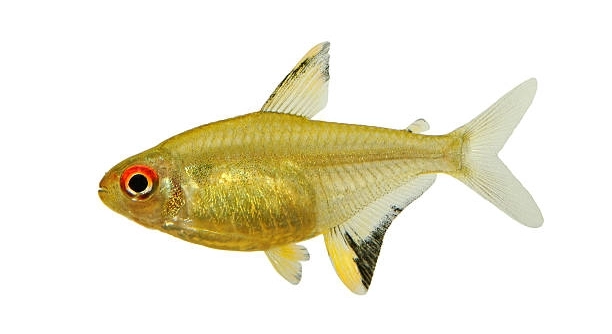
Do you enjoy keeping lemon tetras but find yourself unsure which tools make their tank care easier and safer? Maintaining a healthy aquarium requires more than just feeding and cleaning—it involves the right equipment.
The essential tools for lemon tetra tanks include a reliable thermometer, a quality filter, a gentle water pump, test kits for water parameters, a proper lighting system, a net for safe handling, and feeding accessories designed for small fish.
Using these tools consistently will help you maintain stable water conditions and support your tetras’ overall health and well-being.
Reliable Thermometer
A reliable thermometer is one of the most important tools for a lemon tetra tank. These fish are sensitive to temperature changes, and even a small fluctuation can stress them. I always check my thermometer at least twice a day to ensure the water stays consistent. Digital thermometers with probes tend to be more accurate than stick-on types, and they make monitoring the tank effortless. For larger tanks, having two thermometers in different areas can prevent unnoticed hot or cold spots. Maintaining a stable temperature around 75-80°F keeps lemon tetras active, healthy, and showing their natural colors. In addition to daily checks, it’s helpful to observe your tetras’ behavior. When they linger near the surface or hide more than usual, temperature changes might be the cause. A thermometer combined with a heater ensures the water doesn’t drop during the night, keeping the environment predictable. Over time, I’ve found this simple tool prevents many potential health issues before they appear.
Using a thermometer helps prevent sudden stress and keeps your fish lively and healthy.
Consistently monitoring temperature also simplifies other tank maintenance. When I refill water or adjust the filter, I can be confident the conditions remain safe. A thermometer gives peace of mind, letting you enjoy your tank without constant worry. Even minor improvements in water stability make a noticeable difference in fish behavior and color.
Quality Filter
A quality filter keeps water clean and reduces harmful waste buildup, which is vital for lemon tetras. Without proper filtration, ammonia and nitrite levels rise quickly, harming your fish. I always choose filters suited for small to medium tanks with gentle water flow to avoid stressing the tetras. A filter with mechanical, chemical, and biological components is ideal because it captures debris, removes toxins, and supports beneficial bacteria. Cleaning the filter regularly is essential, but it should not be over-cleaned to avoid killing helpful bacteria. Positioning the filter to promote good water circulation ensures oxygen reaches all corners of the tank. Over the years, I’ve noticed that a properly maintained filter reduces the frequency of water changes and keeps the tank crystal clear. It also allows me to introduce plants or decorations without worrying about rapid water deterioration. Investing in a reliable filter is one of the simplest ways to maintain a healthy tank and a thriving tetra community.
A good filter saves time and keeps water consistently safe for your tetras.
Proper filtration also reduces stress and keeps the tank balanced. With clean water, lemon tetras show brighter colors and swim more actively. It makes tank maintenance easier, especially when combined with test kits to monitor water parameters. Choosing the right filter tailored to your tank size ensures long-term stability and reduces sudden water quality issues. Regular maintenance paired with a quality filter supports fish health, growth, and overall vitality.
Gentle Water Pump
A gentle water pump is essential for lemon tetra tanks. Strong currents can stress these small fish, making them hide or struggle to swim. I always select pumps designed for small tanks with adjustable flow to keep the water moving without overwhelming the tetras.
Using a gentle pump ensures proper circulation without creating strong currents that tire out lemon tetras. It also helps evenly distribute heat and nutrients in the tank, supporting plants and maintaining consistent water quality. I’ve found that tetras remain active and swim naturally when water flow is balanced, which prevents stagnant areas and keeps the aquarium healthier overall.
Adjustable water pumps make tank management easier. I can fine-tune the flow depending on the number of fish or plants in the tank. This flexibility allows me to create a calm environment while still supporting oxygenation and filtration. Over time, I noticed that small tetras exhibit less stress and maintain bright colors with a well-balanced current. Choosing the right pump also reduces the risk of accidental water turbulence during maintenance or feeding.
Test Kits for Water Parameters
Test kits are necessary to monitor ammonia, nitrite, nitrate, and pH levels in lemon tetra tanks. Without testing, small changes can go unnoticed and affect fish health. I check my water at least once a week.
Regular testing prevents sudden water quality issues that can harm lemon tetras. By tracking parameters, I can take immediate action when readings shift, such as adjusting water changes or filtration. Test kits provide a clear picture of the tank’s overall health, helping me maintain safe and stable conditions. This practice reduces stress for the fish and minimizes unexpected health problems.
Using test kits also helps me understand how feeding habits, water changes, and tank additions affect water chemistry. I’ve learned that even minor overfeeding can spike nitrates quickly. Monitoring levels allows me to correct issues before they impact the fish. These kits make tank management predictable and reliable. I pair testing with regular maintenance, ensuring that lemon tetras remain vibrant and active while the tank stays balanced. It’s a small effort that greatly improves long-term fish health and overall tank stability.
Proper Lighting System
A proper lighting system supports both plants and lemon tetras. I use lights that mimic natural daylight, which helps fish maintain their colors and encourages plant growth. Too bright or harsh lighting can stress the tetras, so I adjust intensity based on tank size and setup.
Consistent lighting also regulates the fish’s daily activity. I keep a timer to ensure a regular day-night cycle, which keeps the tetras active and reduces hiding behavior. Plants benefit from steady light, improving oxygen levels and overall water quality in the tank.
Net for Safe Handling
A soft, fine-mesh net is necessary for safely moving lemon tetras. I avoid rough nets that can damage their delicate fins and scales.
Using a gentle net reduces stress during tank cleaning or fish relocation. I always handle them slowly and carefully to prevent injuries.
Feeding Accessories
Feeding accessories like small spoons or specialized dispensers make feeding lemon tetras easier and cleaner. They prevent overfeeding and allow precise portions, keeping water quality stable. I measure food carefully to avoid leftover bits that can pollute the tank.
Small Fish Food
Choosing the right small fish food ensures lemon tetras get proper nutrition. I prefer high-quality flakes or micro-pellets that they can eat easily. Balanced food keeps them healthy, supports vibrant colors, and encourages natural behavior in the tank.
FAQ
What is the ideal tank size for lemon tetras?
Lemon tetras are small but active fish, so they need enough space to swim freely. I keep mine in at least a 20-gallon tank. Smaller tanks can limit their movement and make water parameters harder to maintain. A bigger tank provides stable conditions and reduces stress.
How often should I change the water?
I change about 20-25% of the water every week. Regular partial water changes prevent waste buildup, control nitrates, and maintain consistent water quality. It’s better than doing a large water change infrequently because sudden shifts can stress the fish.
Can lemon tetras live with other fish?
Yes, they are peaceful and do well with small, non-aggressive species. I’ve kept them with guppies and rasboras successfully. Avoid large or territorial fish that may nip at their fins or stress them. Keeping them in schools of at least six also makes them feel secure.
What temperature is best for lemon tetras?
I maintain the water between 75 and 80°F. They are tropical fish and thrive in stable, warm temperatures. Fluctuations can stress them, causing color fading and lethargy. Using a reliable heater and thermometer helps keep the tank consistent.
Do lemon tetras need a lot of plants?
Plants are very helpful. I include live or artificial plants to give hiding spots and reduce stress. Plants also improve water quality by absorbing some waste. I find that tetras explore and swim more confidently when plants are present, creating a more natural environment.
What should I feed lemon tetras?
I feed a mix of high-quality flakes, micro-pellets, and occasional frozen or live food like daphnia or brine shrimp. They eat small amounts several times a day. Overfeeding leads to leftover food that pollutes the water, so careful portioning is key.
How can I tell if my lemon tetras are healthy?
Healthy tetras are active, swim in groups, and display bright yellow coloration. I notice if they hide excessively, lose color, or stop eating—it usually signals stress or illness. Observing behavior daily helps me detect problems early before serious health issues arise.
Is a filter necessary for a small tank?
Yes, even a 20-gallon tank benefits from a filter. It removes debris, supports beneficial bacteria, and maintains oxygen levels. I choose a gentle filter to avoid strong currents while ensuring clean water. Proper filtration reduces the risk of illness and keeps maintenance easier.
Can lemon tetras live in soft water?
They prefer slightly soft to moderately hard water. I check water parameters using test kits to keep pH around 6.5-7.0. Extreme softness or hardness can stress the fish, affecting color and health, so monitoring water chemistry is essential.
How do I prevent disease in lemon tetras?
I quarantine new fish before adding them to the tank. Maintaining clean water, stable temperature, and proper diet reduces disease risks. I also watch for early signs like unusual swimming, spots, or fin damage. Quick intervention helps prevent outbreaks and keeps the school healthy.
How many lemon tetras should I keep together?
I always keep at least six, preferably more. They are schooling fish and feel secure in groups. Smaller numbers lead to stress, hiding, and less active behavior. A larger school creates natural swimming patterns and more visible social behavior.
Can I use artificial decorations instead of plants?
Yes, but I make sure there are hiding spots and smooth surfaces. I avoid sharp edges that can tear fins. Artificial decorations are easier to clean, and I supplement with floating plants to add natural shading and reduce stress.
How do I introduce new tetras to an established tank?
I float the bag in the tank to equalize temperature for 15-20 minutes, then slowly add small amounts of tank water into the bag. After an hour, I release them gently. This helps reduce shock from water differences and allows a smooth transition.
Do lemon tetras need light cycles?
Yes, I use a timer for 8-10 hours of light per day. Consistent light cycles maintain fish activity and support any live plants. It also helps regulate their day-night rhythm, keeping them healthy and active in the tank.
What are common signs of stress in lemon tetras?
I watch for hiding, loss of color, clamped fins, and erratic swimming. Stress can result from poor water quality, strong currents, or aggressive tankmates. Early detection allows me to adjust conditions before serious health issues develop.
Are water conditioners necessary?
Yes, I use them to remove chlorine and chloramine from tap water. Conditioners make water safe immediately, reducing stress on fish. Even small doses are helpful when adding new water or during partial water changes.
How do I maintain stable pH levels?
I test pH regularly and use buffering methods if needed. Adding peat or driftwood helps maintain slightly acidic conditions naturally. Stable pH prevents stress, keeps fish healthy, and supports long-term tank balance.
Can lemon tetras tolerate a little cooler water?
A small drop in temperature for a short time is usually fine, but prolonged exposure below 72°F stresses them. I always monitor heaters and room temperature to prevent fluctuations that can impact health and behavior.
What is the lifespan of lemon tetras?
They typically live 3-5 years with proper care. Maintaining stable water parameters, a balanced diet, and stress-free conditions contributes to longer life and brighter coloration throughout their years. Regular monitoring helps ensure they reach full potential.
How often should I clean the tank decorations?
I clean decorations every few weeks, depending on algae and debris buildup. I use tank water to rinse them instead of tap water to preserve beneficial bacteria. This prevents unnecessary stress and maintains a clean, safe environment for the tetras.
What should I do if a tetra gets sick?
I isolate sick fish in a quarantine tank and adjust water conditions. Medications are used only when necessary, following proper dosing. Early detection and prompt action prevent the illness from spreading to the rest of the school.
Are lemon tetras sensitive to light changes?
Sudden bright lights can cause stress. I gradually increase or decrease lighting intensity and use floating plants or decorations to diffuse light when necessary. Maintaining a consistent lighting schedule helps the fish feel secure and display natural behavior.
Can I keep lemon tetras in a community tank?
Yes, with peaceful, small species. I avoid fin-nippers and aggressive fish. A calm environment lets tetras swim openly and reduces stress. Proper tank setup, hiding spots, and balanced school numbers make community tanks successful for lemon tetras.
How do I measure the correct amount of food?
I feed small portions that the school can eat in 2-3 minutes. Overfeeding pollutes the water and can lead to health problems. Using spoons or small feeders ensures even distribution and prevents leftovers from accumulating in the tank.
Do lemon tetras need a special substrate?
I use fine gravel or sand that doesn’t trap too much debris. It allows plants to root and creates a natural-looking environment. Avoid sharp substrates that can injure fins, and keep it clean to prevent waste buildup.
Is it necessary to aerate the tank?
I often rely on a gentle pump or filter flow for oxygenation. Additional air stones are optional but can help in densely planted or heavily stocked tanks. Proper oxygen levels keep tetras active and healthy without unnecessary stress.
Can lemon tetras handle fluctuating water hardness?
Gradual changes are manageable, but sudden shifts stress them. I monitor water parameters and make small adjustments over time. Maintaining moderately soft to slightly hard water ensures their colors remain bright and behavior normal.
How do I encourage breeding?
I increase temperature slightly, provide fine-leaved plants or spawning mops, and feed nutritious live foods. Breeding pairs prefer calm, low-light conditions. I remove eggs or fry to a separate tank to prevent adults from eating them, ensuring successful hatching and growth.
Are lemon tetras compatible with shrimp?
Yes, small shrimp can live with tetras if there’s enough hiding space. I provide plants, rocks, or moss to prevent shrimp from being stressed or eaten. This creates a balanced and interactive aquarium environment.
How can I reduce aggression in a community tank?
I maintain proper school sizes, avoid aggressive tankmates, and ensure plenty of hiding spots. Observing behavior daily allows me to separate any fish causing stress. Even small adjustments to decor and flow can reduce conflicts and promote peaceful swimming.
Do lemon tetras need a lid on the tank?
Yes, they can jump occasionally. I use a secure lid to prevent escapes. This also helps maintain stable temperature and reduces debris entering the tank, keeping both the fish and the water safe.
Can I use tap water directly?
No, I always treat tap water with a conditioner to remove chlorine or chloramine. Direct use can harm fish and beneficial bacteria. Conditioned water prevents stress and ensures safe water chemistry for long-term health.
How often should I test for ammonia and nitrites?
Weekly testing is sufficient for established tanks. I check more often after adding new fish or changing equipment. Early detection of spikes allows prompt correction before it affects fish health.
Do lemon tetras prefer planted or bare tanks?
I’ve noticed they thrive in planted tanks. Plants provide hiding spots, reduce stress, and support natural behaviors. Bare tanks make them feel exposed and can increase timid or nervous swimming.
How can I prevent algae growth?
Regular water changes, balanced lighting, and controlling nutrient levels help. I avoid overfeeding and remove debris promptly. Some live plants compete with algae for nutrients, keeping growth manageable naturally.
What is the best way to acclimate new fish?
I float the bag for temperature adjustment, then slowly mix tank water over 30-60 minutes. Gradual introduction prevents shock and ensures the fish settle calmly into the new environment.
How do I clean the filter without harming beneficial bacteria?
I rinse filter media gently in tank water, avoiding tap water. This preserves helpful bacteria while removing debris. I avoid over-cleaning to maintain biological filtration that keeps ammonia and nitrite levels safe for the tetras.
Are lemon tetras active at night?
They are mostly diurnal. I notice activity decreases when lights are off, and they rest among plants. Providing shaded areas or floating plants gives security during low light periods.
Can they tolerate slightly brackish water?
Lemon tetras prefer freshwater. Slight brackish conditions can stress them, affecting health and behavior. I stick to freshwater with consistent parameters for long-term stability.
What should I do if water turns cloudy?
I check for overfeeding, excess waste, or filter issues. Partial water changes, cleaning the filter, and reducing food usually clears it. Cloudy water can signal imbalance, and prompt action keeps the tetras safe.
How do I prevent fin damage?
I avoid sharp decorations, use a gentle net, and choose calm tankmates. Regular water maintenance also keeps fins healthy, reducing stress and risk of tears.
Are lemon tetras suitable for beginners?
Yes, they are hardy when proper care is taken. Stable water conditions, a small school, and consistent feeding routines make them manageable, colorful, and rewarding for anyone new to aquariums.
Can they live in a heavily planted tank?
Yes, they enjoy dense planting. It provides security, encourages natural swimming patterns, and improves water quality. I combine plants with open swimming areas to balance cover and activity space.
How long should lights stay on daily?
8-10 hours works well. I use a timer for consistency, supporting plant growth and maintaining fish routines. Extended or irregular lighting can stress fish and promote algae growth.
Do lemon tetras need hiding spots?
Yes, I include plants, rocks, or decorations to reduce stress. Hiding spots help them feel safe, encourage schooling behavior, and reduce aggressive interactions with other fish.
How do I handle sudden fish deaths?
I remove the fish promptly, test water for imbalances, and observe the school. Investigating cause prevents repeated issues and protects remaining tetras.
Can they live in a bare-bottom tank?
Yes, but plants and decorations are recommended for hiding and reducing stress. Bare tanks simplify cleaning but may affect behavior and natural swimming patterns.
How do I avoid overfeeding?
Small portions eaten in 2-3 minutes, fed several times daily, prevent leftovers. Using feeding tools ensures even distribution and reduces water quality issues.
What is the best water flow for lemon tetras?
Gentle, steady flow works best. Strong currents tire them and increase stress. I adjust pumps or filter output to maintain calm but well-oxygenated water.
Do they need a specific diet for color enhancement?
Balanced flakes, micro-pellets, and occasional live food support bright coloration naturally. Supplements aren’t necessary if the diet is varied and nutritious.
How do I prevent overcrowding?
I calculate tank capacity based on size and number of fish. Overcrowding raises stress and water quality issues. Maintaining proper school size ensures healthy swimming, natural behavior, and long-term stability.
Can lemon tetras adapt to new water easily?
Gradual acclimation is essential. I slowly introduce tank water to new fish over 30-60 minutes to prevent shock and stress. Sudden changes in parameters can harm their health and behavior.
Are they sensitive to loud noises?
Yes, sudden vibrations or banging near the tank can stress them. I place my tank in a quiet area to reduce stress and encourage natural activity.
Do lemon tetras need vitamins?
A balanced diet usually provides enough nutrition. I occasionally supplement with high-quality frozen or live foods for variety, supporting health and color without relying solely on additives.
Can I use chemical treatments for minor algae issues?
I prefer manual removal or biological control. Chemicals may affect water chemistry and stress tetras. Only use treatments if necessary and follow instructions carefully to protect fish and beneficial bacteria.
How do I know if water circulation is sufficient?
I observe fish behavior and check for stagnant areas. Gentle flow that moves debris without stressing fish indicates proper circulation. Adjust pumps or filter placement if water becomes uneven.
Are lemon tetras good for small community tanks?
Yes, if tankmates are peaceful and small. Their calm nature and schooling behavior fit well with other non-aggressive species, creating a harmonious aquarium environment.
Can I keep them in low-light tanks?
Low light is acceptable if feeding and plant growth are adequate. I avoid extreme darkness, which reduces activity and may affect natural behavior. A moderate light cycle maintains health and visibility.
Do lemon tetras need additional supplements for plants?
No, but adding fertilizer can help plant growth. I use it carefully to avoid water chemistry changes that could affect fish. Balanced nutrients improve plants and overall tank quality.
What is the best way to quarantine new tetras?
I keep them separate for two weeks, monitor for disease, and check water parameters. Quarantine reduces the risk of introducing illness to the main tank, protecting the existing school.
How do I handle water evaporation?
I top off with treated water regularly, avoiding sudden temperature or pH shifts. Consistent maintenance keeps parameters stable and prevents stress to the fish.
Can lemon tetras tolerate slight changes in pH?
Gradual shifts are manageable, but sudden changes cause stress. I monitor pH and adjust slowly to maintain stable conditions for long-term health and coloration.
How often should I trim plants?
I prune every few weeks depending on growth. Trimming prevents overcrowding, maintains water flow, and keeps hiding spots accessible without affecting swimming space.
Are lemon tetras sensitive to metal in the tank?
Yes, metal objects can leach toxins. I avoid decorations or equipment that may corrode. Safe, non-reactive materials like plastic, ceramic, or smooth rocks are preferable.
Do they need a heater in winter?
Yes, maintaining 75-80°F is important year-round. I use a reliable heater to prevent cold stress, which can lead to illness and loss of color.
Can lemon tetras live with bettas?
I avoid bettas because they can be aggressive toward small schooling fish. Tankmates should be peaceful and non-territorial to maintain harmony and reduce stress.
How do I clean the tank substrate?
I use a siphon to remove debris during water changes. Gentle cleaning prevents disturbing beneficial bacteria while keeping the tank safe and healthy for the tetras.
What is the recommended stocking density?
About one inch of fish per gallon is a safe guideline. For lemon tetras, this ensures adequate swimming space, stable water parameters, and healthy social behavior.
Do they need floating plants?
Floating plants reduce light intensity, provide cover, and lower stress. I use them occasionally to create shaded areas and mimic natural conditions.
How can I reduce stress during maintenance?
I work slowly, avoid sudden movements, and maintain consistent water conditions. Gentle handling and minimal disruption help the tetras remain calm.
Are lemon tetras compatible with snails?
Yes, small snails coexist peacefully. They help control algae without disturbing fish, adding balance to the tank ecosystem.
Do they require specific water hardness?
Slightly soft to moderately hard water works best. Extreme hardness or softness stresses fish. I monitor levels and adjust gradually if needed to maintain stability.
How do I introduce live plants safely?
I rinse thoroughly to remove pests or chemicals and monitor water parameters after adding them. Proper introduction avoids algae or contaminant issues.
What is the best way to monitor fish health?
Daily observation of swimming, coloration, and appetite helps detect issues early. I act promptly if any abnormal behavior appears, preventing escalation of health problems.
Do lemon tetras prefer a calm or active tank?
They prefer calm conditions with gentle flow. Strong currents or frequent disturbances cause stress and hiding, reducing activity and color vibrancy.
How often should I remove uneaten food?
Immediately after a few minutes of feeding, I remove leftovers to prevent waste buildup and water pollution. Regular attention keeps the tank clean and reduces disease risk.
Are lemon tetras jumpers?
Occasionally, yes. I use a secure lid to prevent escapes while maintaining a safe and stable environment.
Can they tolerate low oxygen levels?
They require adequate oxygen. I ensure proper circulation and aeration to maintain activity and health, avoiding stagnant water that causes stress.
Do lemon tetras need a separate breeding tank?
Yes, to protect eggs and fry. I provide fine-leaved plants or spawning mops and move adults afterward to increase survival rates.
How do I remove algae safely?
I use a soft brush or scraper. Chemical treatments are a last resort. Regular water changes and plant competition naturally control algae growth.
Can lemon tetras live in hard water?
They tolerate moderately hard water but prefer slightly soft. I monitor levels to prevent stress and maintain
Lemon tetras are small, peaceful fish that bring color and movement to any aquarium. Keeping them healthy is largely about maintaining stable water conditions, providing a proper diet, and ensuring a calm environment. Over the years, I’ve found that a consistent routine makes a significant difference in their well-being. Simple tools like a reliable thermometer, gentle water pump, and test kits make tank management easier and reduce the risk of stress or disease. Even small adjustments, like regulating light cycles or monitoring water flow, can improve the overall health and activity of the fish. These fish thrive best when water parameters remain steady and predictable.
Providing a supportive environment is just as important as equipment. I always make sure lemon tetras have enough swimming space and plenty of hiding spots. Plants, smooth decorations, and floating cover create a sense of security, which encourages natural behaviors and schooling patterns. Keeping them in groups of at least six helps reduce stress and makes them more confident swimmers. I’ve noticed that tetras in well-planted, balanced tanks display brighter colors and more active behavior than those in bare or overcrowded environments. Their diet also plays a major role in maintaining health. Feeding small portions of high-quality flakes or micro-pellets several times a day, with occasional live or frozen treats, ensures proper nutrition without polluting the water. Maintaining this balance between environment, equipment, and diet is key to a thriving lemon tetra community.
Regular observation and maintenance complete the care routine. I check my fish daily for signs of stress, illness, or unusual behavior. Simple practices, such as partial water changes, cleaning filter media gently, and monitoring water parameters, prevent problems before they become serious. Test kits allow me to track ammonia, nitrite, nitrate, and pH levels, while gentle handling and safe nets reduce the risk of injuries. Over time, following these steps has made managing a lemon tetra tank more predictable and less stressful for both me and the fish. With the right tools, proper planning, and attention to detail, lemon tetras can live full, healthy lives, adding beauty and movement to the aquarium while providing a satisfying and rewarding experience for anyone who keeps them.

Hello,
If you enjoy the content that we create, please consider saying a "Thank You!" by leaving a tip.
Every little bit helps us continue crafting quality advice that supports the health, happiness, and well-being of pets around the world, for pets of all shapes, sizes, and species.
We really appreciate the kindness and support that you show us!