
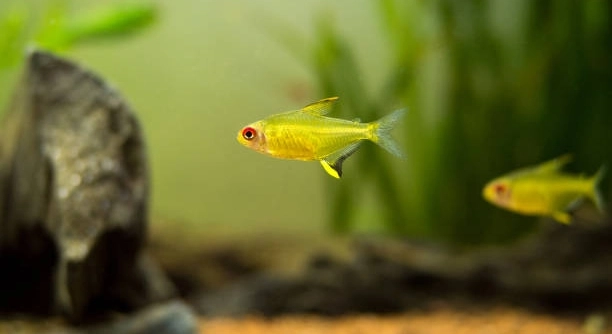
Do you ever notice your lemon tetra swimming in unusual positions and wonder if it might be sleeping upside down? These tiny fish are full of energy during the day, but their nighttime habits can be surprising.
Lemon tetras do not sleep upside down under normal circumstances. Sleeping upside down is usually a sign of stress, illness, or swim bladder issues. Healthy lemon tetras rest near the bottom or in sheltered areas while maintaining proper orientation.
Observing your fish closely can help you spot changes in behavior and ensure they stay healthy and comfortable in their tank.
Why Lemon Tetras May Float Upside Down
Lemon tetras are usually active and swim gracefully, but sometimes they can float upside down, which is alarming. This behavior is often linked to swim bladder issues, which affect their balance. Overfeeding, rapid temperature changes, or bacterial infections can lead to these problems. Observing your fish closely is essential, as early detection can prevent worsening symptoms. Providing a balanced diet, keeping the water clean, and maintaining a stable tank temperature helps reduce the risk. Floating upside down can also indicate internal discomfort, so it is important to monitor other signs like loss of appetite or lethargy. Tank conditions, such as overcrowding or poor filtration, may stress the fish and contribute to unusual swimming patterns. Regular observation and small, consistent adjustments can help your lemon tetra regain normal swimming behavior. Maintaining proper care ensures your fish remain lively, healthy, and stable in their environment.
This behavior should always prompt a check of tank conditions, diet, and overall health immediately.
Early attention to symptoms can prevent serious illness. If the problem persists, consulting a vet experienced with aquarium fish is recommended. Consistent tank maintenance and proper nutrition are key to avoiding balance issues in lemon tetras.
Maintaining a Healthy Environment
Stable water conditions are crucial for lemon tetras. They thrive in clean, filtered water with proper temperature and pH levels.
Keeping a consistent routine for water changes and feeding supports their health. Sudden changes can stress the fish, leading to floating or erratic swimming. Monitoring water quality with simple test kits ensures ammonia, nitrate, and nitrite levels remain safe. Introducing plants and hiding spots reduces stress and gives the tetras a natural environment to explore. Overcrowding should be avoided, as it can increase aggression and competition for food. Maintaining a proper diet with high-quality flakes or small live foods supports digestion and overall health. Observing fish daily helps detect early signs of illness or stress, allowing for prompt action. Healthy tank conditions minimize the risk of swim bladder problems and abnormal behavior. By carefully managing these factors, lemon tetras can swim normally, sleep comfortably, and remain active throughout the day. Regular maintenance and attention ensure a long, healthy life for these small, vibrant fish.
Common Signs of Swim Bladder Issues
Lemon tetras with swim bladder problems often float upside down, tilt to one side, or struggle to maintain balance. Appetite loss and sluggish swimming are also common indicators of underlying health issues.
Swim bladder disorders can result from overfeeding, constipation, bacterial infections, or sudden water changes. Overfeeding causes food to swell in the digestive tract, putting pressure on the swim bladder. Poor water quality introduces toxins that can stress the fish and compromise organ function. Observing your lemon tetra for changes in swimming patterns or behavior is crucial. Adjusting feeding routines, offering small portions of high-fiber foods, and maintaining clean water often helps improve swim bladder function. Immediate action can prevent the condition from worsening and support recovery.
Some fish recover with proper care, while others may need veterinary attention. Maintaining stable water conditions and monitoring diet are essential for prevention. Regular observation allows quick intervention before serious health problems arise, keeping your tetras active and comfortable.
Feeding Practices to Support Healthy Swimming
Proper feeding helps prevent swim bladder issues in lemon tetras. Small, frequent meals are better than large portions.
High-quality flakes or pellets that sink slowly reduce stress during feeding. Adding occasional frozen or live foods provides nutrients and supports digestion. Avoid overfeeding, as excess food leads to constipation and swim bladder pressure. Fast-eating fish may gulp air, which can worsen balance problems. Observing eating habits ensures each tetra receives adequate nutrition without excess. Feeding at consistent times helps regulate digestion and maintain tank harmony.
Including fiber-rich foods like daphnia or blanched vegetables can help prevent constipation and support swim bladder health. Avoid feeding foods that expand too much in water, such as certain dried flakes. Monitor each fish to ensure proper intake, removing uneaten food promptly to maintain water quality. Consistent feeding routines, combined with regular tank maintenance, create a stable environment that reduces stress and minimizes health risks. A thoughtful feeding approach ensures your lemon tetras swim naturally and stay active.
Tank Temperature and Its Effects
Lemon tetras are sensitive to sudden changes in water temperature. Fluctuations can stress them, causing unusual swimming, including floating upside down. Maintaining a steady temperature supports normal behavior and overall health.
Temperature extremes can weaken the immune system. Using a reliable heater and thermometer ensures the tank stays within the ideal range, reducing stress and preventing swim bladder complications.
The Role of Water Quality
Poor water quality leads to stress and health issues in lemon tetras. Ammonia, nitrite, or nitrate spikes can disrupt balance and normal activity. Regular testing and consistent water changes are essential to prevent problems and maintain a safe environment.
Stress Reduction Techniques
Stress can trigger abnormal swimming and health problems in lemon tetras. Providing hiding spots, gentle filtration, and minimal sudden disturbances helps them feel secure and reduces the risk of swim bladder issues.
FAQ
Why is my lemon tetra floating upside down?
Floating upside down is usually a sign of swim bladder issues. These can result from overfeeding, constipation, bacterial infections, or sudden water changes. Observing your fish closely helps identify the cause. Adjusting diet, improving water quality, and maintaining stable tank conditions often resolves the problem.
Can lemon tetras recover from swim bladder problems?
Yes, many lemon tetras recover if the underlying cause is addressed. Providing a balanced diet, avoiding overfeeding, and keeping the water clean are essential. Some cases may require veterinary attention, but early intervention usually improves the chances of recovery and restores normal swimming behavior.
How can I prevent swim bladder issues in my lemon tetras?
Preventing swim bladder problems involves proper feeding, regular water changes, and stable tank conditions. Feeding small, frequent portions, avoiding foods that expand too much, and including fiber-rich items support healthy digestion. Monitoring water parameters and reducing stressors like overcrowding also help maintain their balance and overall health.
Is floating upside down always a sign of illness?
Not always, but it is a strong indicator that something is wrong. Occasional brief tilting can happen during normal swimming, but consistent upside-down floating or unusual orientation should be treated seriously. Checking water quality, diet, and tank conditions is the first step in identifying potential health concerns.
Can diet alone fix swim bladder problems?
Diet plays a significant role but may not be enough on its own. Feeding high-quality foods, avoiding overfeeding, and including fiber-rich items help digestion and reduce pressure on the swim bladder. Combined with clean water and proper tank conditions, dietary adjustments are often effective in improving balance and swimming.
What role does tank environment play in lemon tetra health?
The tank environment is crucial for overall well-being. Stable temperature, proper filtration, hiding spots, and minimal disturbances reduce stress. Stress can weaken the immune system and contribute to swim bladder problems or abnormal swimming. A well-maintained, calm environment supports natural behavior and long-term health.
How quickly should I see improvement after changes?
Improvement may be visible within a few days to a week, depending on the severity of the issue. Mild digestive or dietary problems often resolve quickly, while bacterial infections or more severe swim bladder issues may take longer. Continuous monitoring ensures the adjustments are effective and prevents further complications.
Are certain foods better for lemon tetras to prevent balance issues?
Yes, high-quality flakes or pellets that sink slowly, along with occasional live or frozen foods, support digestion. Fiber-rich foods like daphnia or blanched vegetables help prevent constipation and reduce pressure on the swim bladder. Avoid foods that expand excessively in water.
Should I isolate a fish with swim bladder problems?
Isolation can help monitor the affected fish and reduce stress from tank mates. Providing a quiet area or separate tank allows targeted care, ensures proper feeding, and prevents bullying or competition. However, the main focus should remain on correcting diet, water quality, and overall tank conditions to support recovery.
Can lemon tetras sleep upside down?
Normally, lemon tetras sleep near the bottom or in sheltered areas while keeping proper orientation. Sleeping upside down is abnormal and usually signals stress, illness, or swim bladder issues. Observing resting behavior helps detect early signs of health problems before they worsen.
How often should I check water quality for lemon tetras?
Regular testing is essential. Weekly checks for ammonia, nitrite, nitrate, and pH help maintain a stable environment. Frequent monitoring allows early detection of spikes that can stress fish and contribute to swim bladder or other health issues. Maintaining stable water conditions supports overall health and natural swimming.
What other behaviors indicate health problems in lemon tetras?
Lethargy, loss of appetite, erratic swimming, or rubbing against objects can signal stress or illness. Swelling or visible deformities may indicate internal issues. Observing daily behaviors ensures early intervention, and combined with proper diet, water quality, and a calm environment, helps maintain long-term health.
How can I make my lemon tetra tank less stressful?
Providing plants, hiding spots, and gentle filtration reduces stress. Avoid overcrowding and sudden disturbances. Consistent feeding times and stable water conditions create a safe environment. A calm, well-structured tank minimizes health problems, supports normal swimming, and allows your lemon tetras to thrive naturally.
Is professional care necessary for every swim bladder problem?
Not always. Mild dietary or water quality issues can often be corrected at home. Severe cases, persistent symptoms, or infections may require a vet experienced with fish. Prompt attention, observation, and environmental adjustments improve recovery chances and prevent long-term complications.
How can I tell if a fish is permanently affected?
Persistent balance problems despite proper care suggest more serious underlying issues. Signs include consistent floating, difficulty swimming, or failure to eat. Consulting a professional helps determine prognosis, and careful tank management ensures the affected fish remains as comfortable as possible.
Are there long-term effects from swim bladder issues?
If treated early, fish often recover fully with no lasting problems. Chronic or untreated issues can impair swimming, feeding, and overall health. Preventive care, regular monitoring, and maintaining a stress-free environment help avoid long-term effects and promote a stable, healthy tank community.
How can I balance multiple lemon tetras in one tank?
Provide enough space, hiding spots, and consistent feeding to minimize competition. Observing interactions ensures no fish is bullied or stressed. Balanced tank conditions prevent swim bladder problems from spreading or worsening, keeping all tetras healthy and active.
What signs show my lemon tetra is fully recovered?
Normal swimming, proper orientation, regular eating, and active behavior indicate recovery. Absence of tilting, floating, or sluggishness shows that the swim bladder and overall health are stable. Continuous observation ensures sustained well-being and prevents relapse.
How important is observation for long-term health?
Daily observation is critical. Early detection of unusual swimming, behavior changes, or physical signs allows prompt intervention. Consistent monitoring combined with proper diet, clean water, and stress reduction maintains health, prevents swim bladder issues, and ensures a thriving aquarium environment.
Can environmental enrichment improve recovery?
Yes, adding plants, rocks, and hiding spots reduces stress and encourages natural behaviors. A stimulating yet calm environment supports digestion, reduces pressure on the swim bladder, and improves overall health, helping lemon tetras recover faster and maintain normal swimming patterns.
What is the best overall strategy for prevention and care?
Maintain clean water, stable temperature, and proper diet. Observe daily for early signs of illness, reduce stress, and avoid overcrowding. Quick action at the first signs of abnormal behavior prevents serious health issues and ensures lemon tetras remain active, healthy, and balanced in their tank.
Lemon tetras are small, active fish that bring life and color to any aquarium. Observing their swimming patterns and behavior is key to ensuring they stay healthy. Floating upside down or tilting to one side is not normal and often signals a problem, most commonly related to the swim bladder. The swim bladder helps fish maintain balance in water, so any issue with it affects their movement. Causes can include overfeeding, constipation, bacterial infections, or sudden changes in water temperature and quality. Paying attention to their diet, maintaining clean and stable water conditions, and minimizing stress are essential steps to prevent such problems. Even though lemon tetras are resilient, small changes in their environment can significantly impact their health, so careful monitoring and routine care make a difference in keeping them active and comfortable.
A balanced diet is one of the simplest ways to support a healthy swim bladder. Feeding small portions multiple times a day is better than one large meal, and offering fiber-rich foods like daphnia or blanched vegetables can help prevent constipation. Overfeeding or giving foods that expand in water can put pressure on the swim bladder, causing balance issues. High-quality flakes or pellets, along with occasional live or frozen foods, provide necessary nutrients while supporting digestion. Consistency in feeding schedules also helps regulate digestive processes and reduces stress during mealtime. Beyond diet, the overall tank environment plays a major role in a lemon tetra’s health. Stable water temperature, proper filtration, hiding spots, and minimal sudden disturbances help the fish feel secure. Stress from overcrowding, aggressive tank mates, or poor water quality can weaken their immune system, making them more prone to swim bladder problems. Maintaining a calm, clean, and balanced environment ensures lemon tetras can swim naturally and remain active.
Observing your fish daily is important for long-term health. Early signs of problems, such as floating, tilting, loss of appetite, or sluggish swimming, should prompt immediate attention. Adjusting diet, performing water changes, and providing a stable, stress-free environment often help resolve issues without needing professional intervention. However, persistent problems or severe symptoms may require consultation with a veterinarian experienced in aquarium fish. Preventive care is always better than reacting to problems after they develop. With proper attention to diet, water quality, tank conditions, and stress reduction, lemon tetras can thrive and display their natural, lively behavior. These small but vibrant fish are rewarding to watch, and consistent care ensures they remain healthy, active, and balanced throughout their lives.

Hello,
If you enjoy the content that we create, please consider saying a "Thank You!" by leaving a tip.
Every little bit helps us continue crafting quality advice that supports the health, happiness, and well-being of pets around the world, for pets of all shapes, sizes, and species.
We really appreciate the kindness and support that you show us!